

More homeowners are discovering the charm of bringing history into their living spaces. There’s something special about materials that have stood the test of time. This approach combines sustainability with unique character that new materials simply can’t match.
This type of material brings together stories from the past with modern design sensibilities. It creates interiors that feel both authentic and contemporary. The texture and patina developed over decades add depth that manufactured products struggle to replicate.
Our guide walks you through the complete process from selection to maintenance. We’ll explore both the advantages and potential challenges of working with these unique materials. Whether you’re tackling a DIY project or hiring professionals, you’ll find practical insights here.
You’ll learn about different material types, installation methods, design considerations, and budgeting strategies. This resource helps you make informed decisions for your space. The goal is to help you create an environment that reflects your personal style while honoring craftsmanship from another era.
Many people find that materials with history bring warmth and personality to their homes. This continues to be a popular choice for those seeking character in their living areas. With proper planning, you can achieve stunning results that will last for generations.
Understanding the Beauty of Reclaimed Wood
The appeal of aged building materials lies in their ability to tell silent stories. Each piece carries marks from its previous life, creating a living connection to history.
Historical Significance and Sustainability
Genuine reclaimed materials originate from century-old barns and industrial structures across Eastern Canada. These sources provide a tangible link to America’s industrial heritage. Original details like nail holes and saw marks highlight the material’s age and character.
Using these materials offers significant environmental benefits. It reduces demand for new lumber and helps preserve old-growth forests. This sustainable approach gives new purpose to resources that have already proven their durability.
The Rustic Appeal in Modern Cabin Design
The unique surface characteristics of aged materials create exceptional visual interest. Weathered grain patterns and natural patina develop over time, creating depth that new products cannot replicate.
Each board features distinctive markings and color variations that add authenticity to interiors. Natural imperfections like knots and splits contribute to the material’s charm rather than detracting from it.
This approach bridges historical craftsmanship with contemporary design aesthetics. The result is spaces that feel both timeless and current.
| Characteristic | Aged Materials | New Materials |
|---|---|---|
| Surface Texture | Rich, developed patina | Uniform, smooth finish |
| Color Variation | Natural weathering tones | Consistent staining |
| Historical Value | Proven durability over time | Untested longevity |
| Environmental Impact | Resource conservation | New resource consumption |
Exploring the Benefits of Reclaimed Wood for Cabin Walls
The decision to incorporate aged lumber into your interior design comes with significant benefits beyond visual charm. These materials offer practical advantages that make them a smart choice for any project.
Natural Warmth and Timeless Character
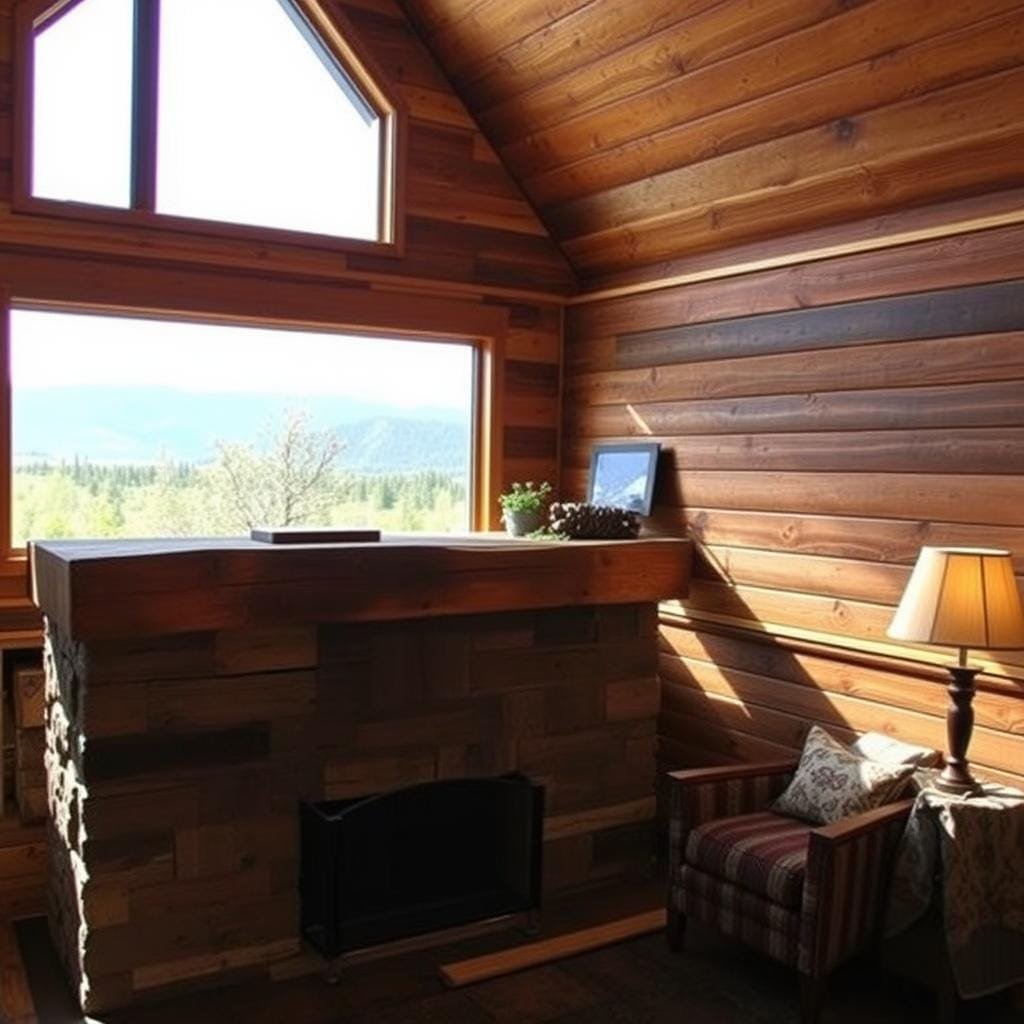
This type of paneling naturally adds warmth to living areas. It creates an inviting atmosphere that synthetic alternatives cannot match.
The character of these materials ensures your interior remains appealing for decades. Unlike trendy options, aged lumber offers timeless beauty that never goes out of style.
Durability and Resilience Over Time
These materials have already survived the test time in previous structures. Their proven resilience makes them ideal for high-traffic applications.
High-quality hardwoods possess superior strength due to dense grain patterns. They actually improve with age, developing richer character as time passes.
Investing in this approach means choosing practical benefits with aesthetic appeal. For more design inspiration, explore creative applications of rustic materials in modern settings.
Identifying Quality Reclaimed Wood Materials
Finding the right materials makes all the difference in your cabin project. The selection process requires careful attention to detail and understanding of what makes materials truly authentic.
Grading and Sourcing Authentic Wood
Proper grading determines both the visual appeal and structural integrity of your materials. Reputable suppliers categorize their inventory based on characteristics like knot patterns, color consistency, and surface texture.
When sourcing materials, look for verification of origin from established sources. Genuine reclaimed materials show natural weathering patterns that cannot be artificially replicated.
Quality suppliers thoroughly clean each piece to remove hazards while preserving character. This process eliminates old fasteners and potential contaminants.
Standard dimensions typically range from 12 to 48 inches wide with heights between 2 and 5 inches. These variations create the natural look many homeowners desire.
Indoor storage and professional milling ensure stability before installation. This preparation prevents warping and maintains material quality.
Your final choice should balance aesthetic preferences with practical considerations. Working with established suppliers guarantees you receive authentic, safe products for your space.
Step-by-Step Guide to Installing Reclaimed Wood
A successful installation begins long before the first plank is ever placed. Proper planning ensures your finished project looks professional and lasts for years. This process is designed to be an easy install for dedicated DIYers.

Preparation and Measuring Your Wall Space
Start by accurately measuring your entire wall space. Calculate the square footage to determine how much material you need. You must make sure the surface is clean, dry, and perfectly level before starting.
This crucial step prevents future issues. A 90 square foot wood wall can often be completed in just a few hours with minimal waste.
Proper Techniques for a Seamless Installation
Begin by positioning your first row perfectly straight. This sets the foundation for the entire installation. Use a level to make sure it’s exact.
Next, apply construction adhesive to the back of each plank in a consistent pattern. One tube of construction adhesive typically covers about 40 square feet. Press the plank firmly against the wall.
For added stability, supplement the adhesive with finishing nails. Stagger the seams between rows for a natural look and better strength. When cutting around outlets, take your time for precision.
Working with the natural variations in the material is part of the charm. Adjust as you go, maintaining consistent spacing. With care, you can create a beautiful reclaimed wood wall that adds unique character to any room.
Essential Tools and Materials for Your Wood Wall Project
Having the proper tools on hand is the first step to a successful and stress-free installation. The right equipment makes the process efficient and helps you achieve a professional-looking finish.
This guide covers the key items you’ll need. We’ll focus on the essentials for a secure and beautiful result.
Construction Adhesive, Caulk Gun, and Brad Nailer Essentials
A strong construction adhesive is vital for holding your planks firmly in place. We recommend a product like Liquid Nails Heavy Duty. One tube typically covers about 40 square feet.
A quality caulk gun ensures you apply the construction adhesive evenly. This prevents gaps and creates a solid bond across your entire project.
For extra holding power, a brad nailer is your best friend. A model like the Milwaukee brad nailer drives nails quickly and cleanly. Using the correct brad nails is crucial to secure nails without splitting the planks.
| Tool | Key Specification | Primary Function |
|---|---|---|
| Brad Nails | 6-18 gauge, 5/8″ to 1 1/2″ | To securely fasten planks |
| Hand/Miter Saw | N/A | For making precise cuts |
| Tape Measure & Level | N/A | For accurate measuring and alignment |
Don’t forget basic tools like a pencil, tape measure, and level. A hand saw or miter saw is necessary for precise cuts. Painting supplies are optional if you wish to add a background color.
Safety is paramount. Woodworking creates dust, a known carcinogen. Always use proper protective equipment like a mask and goggles. This protects your health during the project.
Key Considerations in Choosing Wood Paneling Designs
Choosing the right paneling design requires balancing aesthetics with practical room dynamics. Several factors dramatically affect the final look and feel.
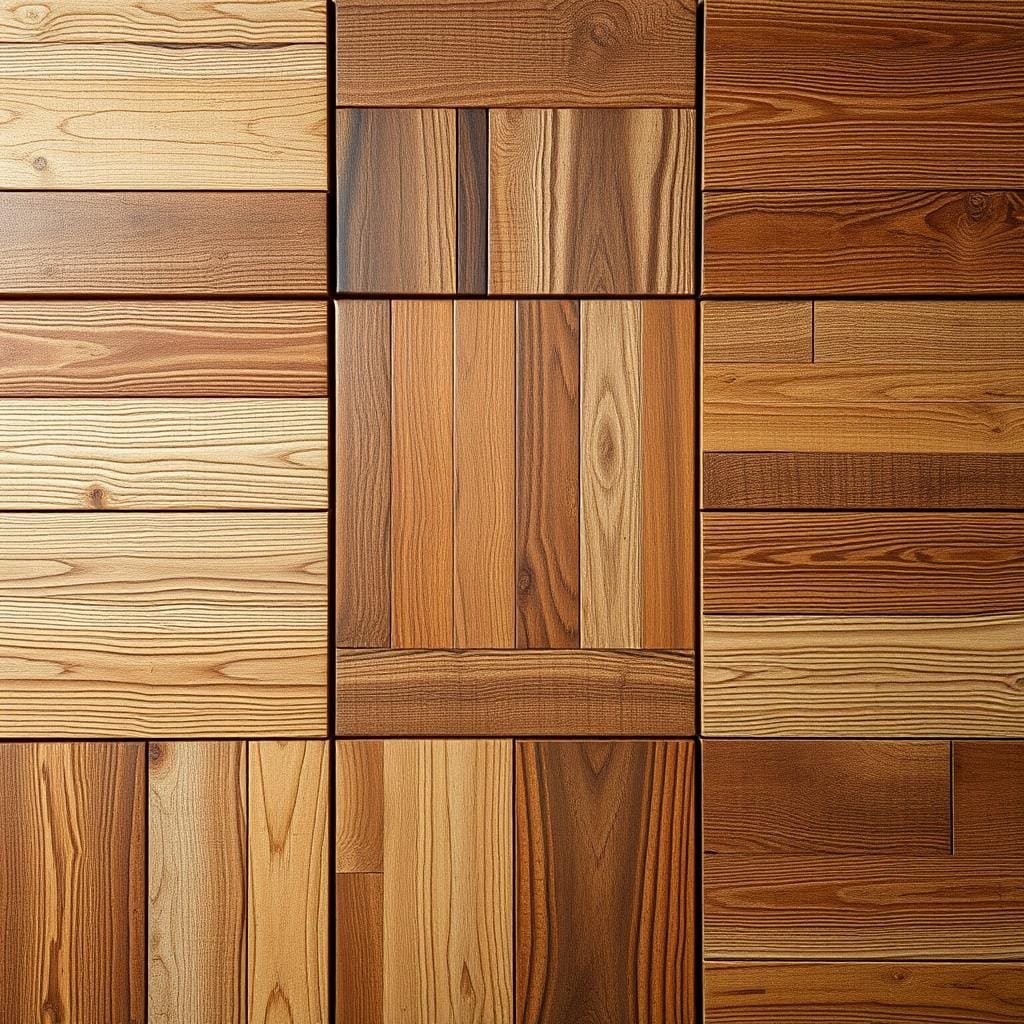
Room size is a primary factor. Full wood paneling can feel cozy in a small study. For larger spaces, using it as an accent wall often works better.
Lighting plays a huge role. Darker finishes absorb light, creating an intimate atmosphere. Lighter color options reflect light, making a room feel brighter and more open.
Your existing color scheme is crucial. Rich, dark stains add traditional warmth. Light-colored materials support a modern, minimalist look. Aim for harmony between the paneling and your other design elements.
Consider traffic patterns too. High-use areas benefit from seamless designs that are easier to clean and maintain. Formal and casual spaces often suit different paneling styles.
| Design Factor | Impact on Small Rooms | Impact on Large Rooms |
|---|---|---|
| Color Choice | Light tones prevent a cramped feel | Dark tones can define zones |
| Coverage Area | Full wall coverage adds character | Accent wall creates a focal point |
| Grain Pattern | Quiet patterns avoid visual clutter | Bold patterns add visual interest |
Ultimately, balance your personal taste with these practical considerations. The best wood paneling options enhance your room’s functionality and atmosphere beautifully.
Innovative Wood Paneling Techniques for Cabin Interiors
Various installation patterns offer unique opportunities to showcase the natural beauty of your materials. The arrangement style you choose dramatically impacts the room’s character and visual flow.
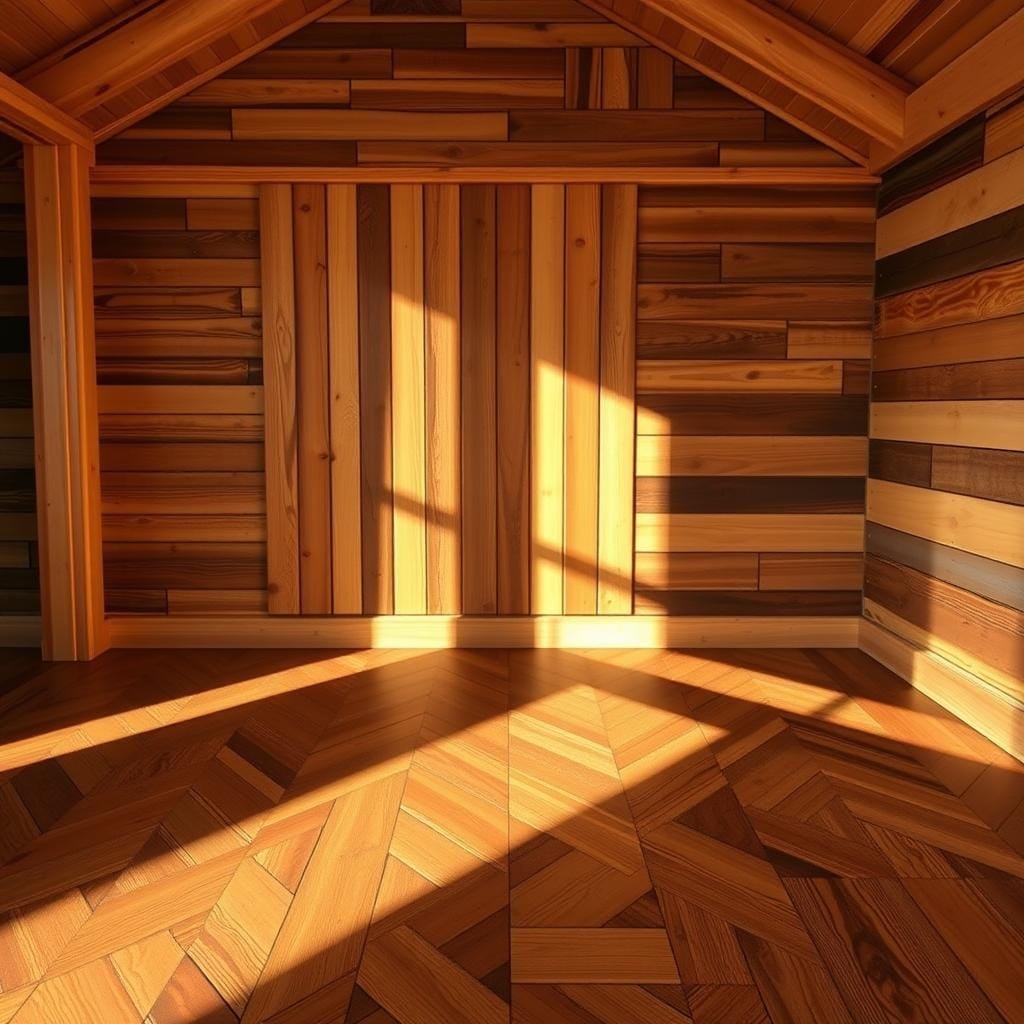
Different methods create distinct aesthetic effects. Some emphasize horizontal lines while others highlight verticality. Your choice should complement your space’s architecture.
Shiplap, Board-and-Batten, and Beadboard Options
Shiplap features parallel boards with interlocking edges. This creates smooth, nearly seamless walls with subtle horizontal lines. It’s perfect for achieving a clean, contemporary look.
Board-and-batten uses vertical boards running from floor to ceiling. Narrower strips cover the seams between wider board sections. This traditional approach adds visual height to rooms.
Beadboard paneling features identically milled boards with decorative grooved edges. The uniform texture works well in cottage-style spaces. It creates a charming, consistent pattern across your walls.
| Technique | Visual Effect | Best For | Installation Complexity |
|---|---|---|---|
| Shiplap | Horizontal lines, seamless look | Modern spaces, accent walls | Moderate |
| Board-and-Batten | Vertical emphasis, traditional feel | Tall rooms, exterior applications | Moderate to High |
| Beadboard | Textured uniformity, cottage charm | Bathrooms, kitchens, cozy spaces | Moderate |
Each wood paneling method brings its own personality to your interior. Consider your room’s proportions and desired atmosphere when selecting your approach.
Creative Applications of Reclaimed Wood for Cabin Walls
Transform ordinary rooms into extraordinary spaces through thoughtful placement of character-rich paneling. These materials offer versatile design solutions beyond full wall coverage.

Using Wood as an Accent in Open Spaces
An accent wall creates instant focal points in living areas. This approach defines different zones within large, open spaces. It adds visual interest without overwhelming the entire room.
Consider wainscoting for traditional elegance in dining areas. This technique extends materials partway up the wall. It creates classic charm that works beautifully in hallways.
Wood-lined alcoves differentiate functional areas in open-plan layouts. They highlight breakfast nooks or reading corners perfectly. Fireplace surrounds become natural focal points with dramatic patterns.
Combining Wood Textures for Dynamic Interiors
Don’t overlook overhead opportunities. A ceiling treatment adds architectural interest in rooms with adequate height. This creates a cozy, enveloping atmosphere.
High-traffic areas like entryways benefit from the durability of these materials. They withstand daily use while adding character. Explore fresh designs that combine different textures within the same space.
| Application | Best Location | Visual Impact | Practical Benefit |
|---|---|---|---|
| Accent Wall | Living Room | Creates focal point | Defines space zones |
| Wainscoting | Dining Area | Traditional elegance | Protects lower walls |
| Ceiling Treatment | Great Room | Architectural interest | Enhances room height |
| Alcove Lining | Open Plan | Space differentiation | Creates intimate areas |
Mixing textures creates layered visual interest while maintaining cohesion. Each application serves both aesthetic and functional purposes beautifully.
Maintenance Tips and Safety Precautions
Protecting your health and preserving your beautiful new wall surface are the final, crucial steps in your project. A little care upfront ensures you can enjoy the results for a long time.
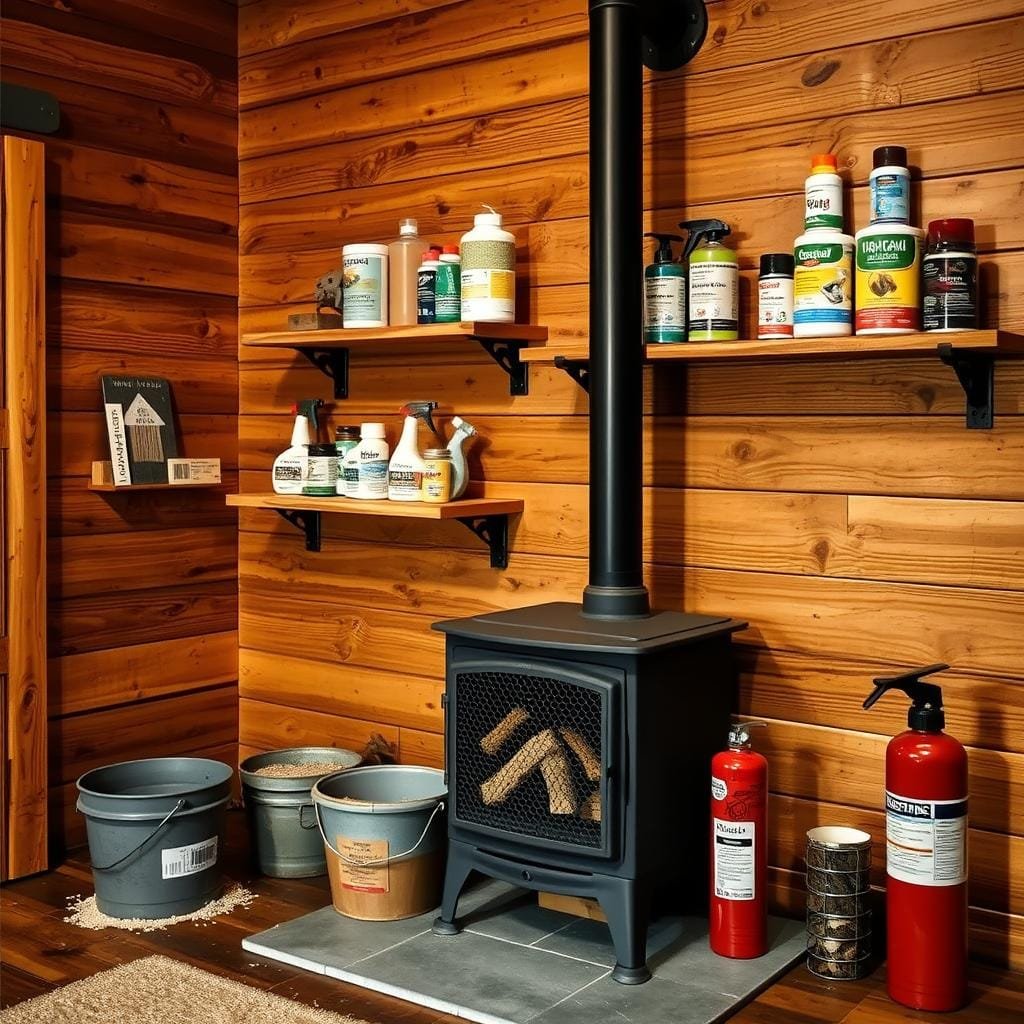
Safety is the top priority during any installation. Wood dust is a known health hazard, and managing it correctly is essential.
Managing Wood Dust and Using Protective Gear
Cutting and sanding materials creates fine dust particles. This substance requires proper safeguards for personal protection.
Always work in a well-ventilated area. Using tools with dust collection systems is the best way to minimize airborne particles.
The right gear makes all the difference. A respirator mask, safety glasses, and gloves are non-negotiable for a safe and easy install.
| Protective Gear | Key Function | Importance Level |
|---|---|---|
| Respirator Mask (N95 or better) | Filters harmful dust from the air you breathe | Essential |
| Safety Glasses | Protects eyes from flying debris and dust | Essential |
| Work Gloves | Prevents splinters and improves grip | Highly Recommended |
Once your project is complete, maintenance is refreshingly simple. A quality surface naturally resists everyday wear like fingermarks and spills.
For routine cleaning, dry dusting or a slightly damp cloth is usually all you need. This preserves the natural patina without harsh chemicals.
This material requires minimal upkeep over time. The durable nature of these walls means little intervention is needed after the initial easy install.
Budgeting and Sourcing Your Reclaimed Wood Options
Understanding the true value of authentic materials helps justify the initial investment. Smart planning ensures your project delivers both beauty and lasting quality.
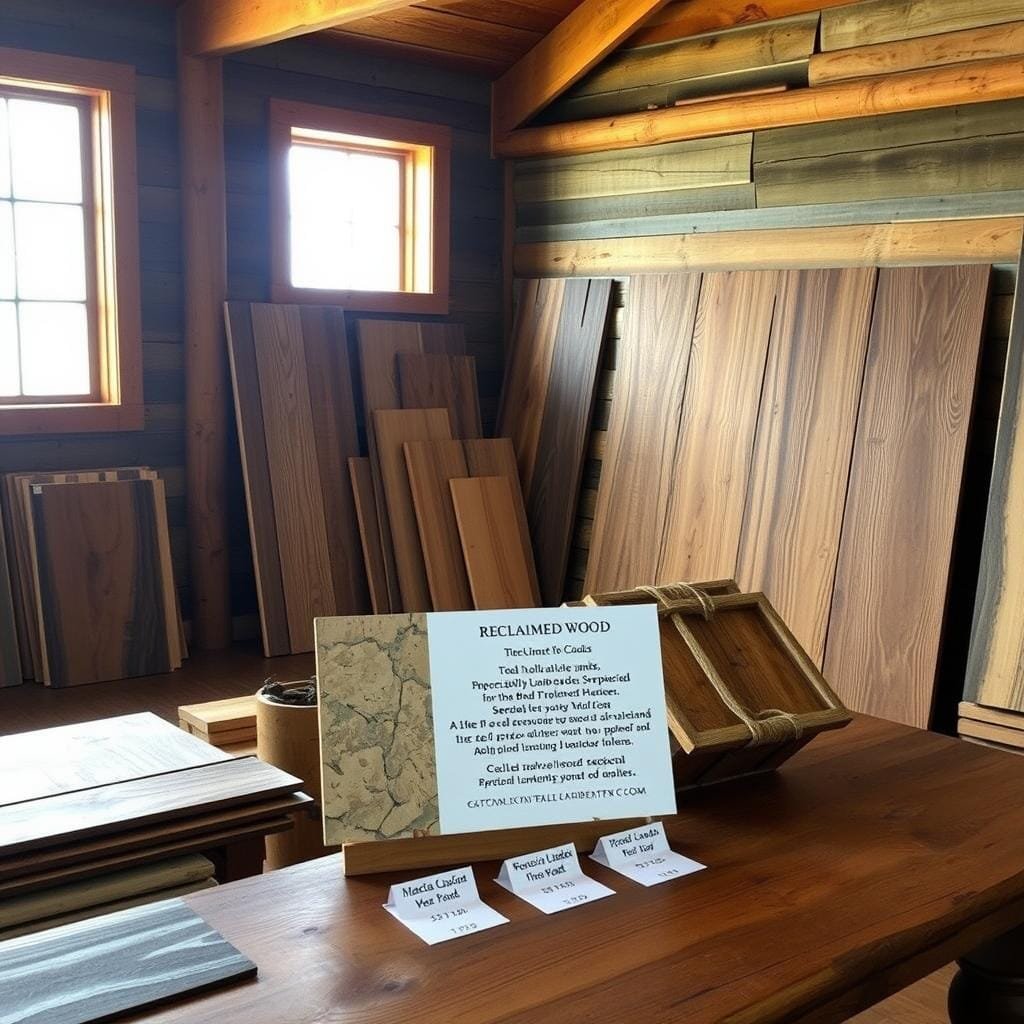
Pricing for genuine barn materials starts at $167.86 per box. Each package covers approximately 14 square feet of wall space. This makes calculating your total project cost straightforward.
Understanding Cost vs. Value in Rustic Materials
Four distinct color options are available for your wall planks. Choose from Gray, Mixed Gray/Brown, Brown, and Black finishes. Each shade offers unique character from century-old Eastern Canadian barns.
While the upfront cost exceeds new lumber, the long-term value is significant. These materials bring proven durability and unmatched aesthetic appeal to your home. They create little waste, typically under 5% with careful planning.
Always purchase from reputable suppliers who provide authentication. Proper preparation includes cleaning and safety checks. This ensures you receive quality materials ready for installation.
Natural size variations enhance authenticity in your space. Planks range from 12″ to 48″ wide and 2″ to 5″ high. Order sample boxes to evaluate colors in your actual lighting before committing.
Budget for adhesive, nails, and tools alongside your material costs. Investing in genuine barn materials guarantees authentic results that cheaper alternatives cannot match.
Final Reflections on Transforming Your Cabin with Wood Accents
Customer experiences consistently highlight how manageable these installations can be. Many homeowners achieve professional results in just days with proper planning.
One satisfied customer completed a 90 square foot feature surface within hours. They highly recommend the process for adding rustic charm to any room. The satisfaction comes from creating something beautiful with your own hands.
These materials work beautifully throughout your home. They add warmth from floor to ceiling in areas like living rooms and bedrooms. Whether you choose light or dark color options, the natural texture creates authentic character.
Genuine reclaimed materials have stood the test of time. They represent a timeless investment that improves with age. Your finished project will create welcoming spaces for generations to enjoy.