

Keeping your cabin comfortable year-round starts with proper wall sealing. Unsealed gaps let your heated or cooled air escape while allowing outside temperatures to creep inside. This constant air exchange makes your HVAC system work harder and drives up energy costs.
The right protective material does more than improve appearance. It creates a vital barrier against moisture, air leaks, and pests. Water intrusion can lead to wood decay and create perfect spots for insects to nest. Eliminating entry points is one of the most effective pest prevention strategies.
Log home construction presents unique challenges compared to standard houses. Wood naturally expands, contracts, and settles over time. This movement requires specialized products designed specifically for timber surfaces. Choosing general-purpose materials often leads to sealing failures.
This guide provides comprehensive information to help you make smart decisions. We’ll cover product selection, surface preparation, application methods, and maintenance strategies used by professionals. Whether you’re a DIY enthusiast or considering hiring help, you’ll gain the knowledge needed to protect your investment.
Selecting the Best Sealant for Cabin Walls
Navigating the vast selection of caulking products can feel overwhelming for any log home owner. Not every option works well on timber surfaces. The right choice creates a durable, weather-tight barrier that moves with the wood.
Understanding Different Sealant Types
There are six main categories of these materials. Each is designed for specific applications.
- Butyl
- Oil-based
- Ethylene Vinyl Acetate
- Urethane
- Silicone
- Acrylic/Latex
No single product is a universal solution for all log home sealing needs.
Why Silicone Fails on Wood
A frequent mistake is choosing silicone caulk. It works great on non-porous surfaces like glass or metal.
Wood is porous. Silicone does not stick well to it, whether damp or dry. It also will not accept stain or paint, ruining your finish.
The Superiority of Premium Acrylic/Latex
The most widely used products today are acrylic/latex sealants. Their quality varies by formulation.
Premium brands like Perma-Chink and Energy Seal use high-quality components. They cost more but offer exceptional appearance and decades of performance. They are designed specifically for timber homes.
For a detailed guide on matching these materials to your project, see this resource on how to choose the right log home.
Preparing Cabin Walls for Effective Sealing
A successful sealing project hinges entirely on proper wall preparation. This critical step ensures your new caulk bonds correctly and performs for years. Rushing through it often leads to early failure.
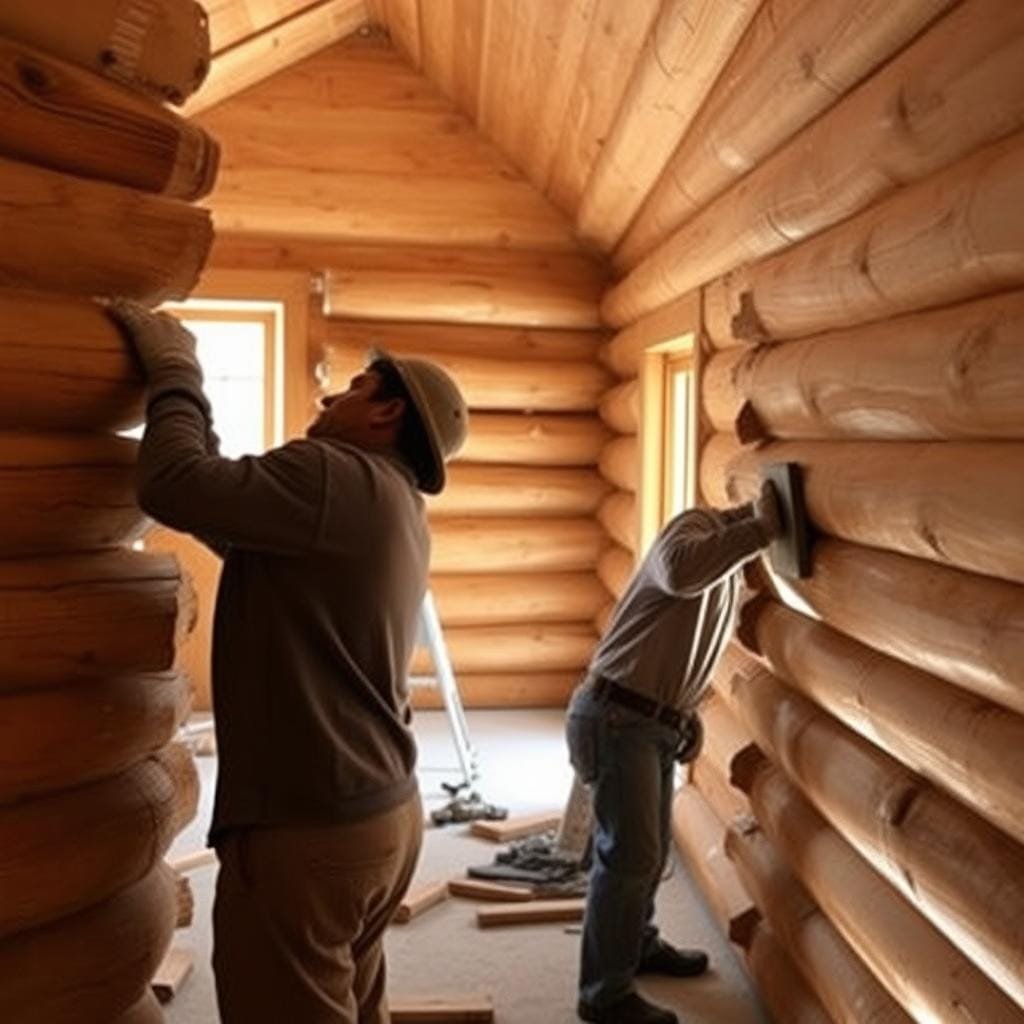
Removing Old Caulk and Backer Rod Installation
Never apply new caulk over the old material. Even if it looks okay, trapped moisture underneath can cause wood decay.
Professionals use simple tools like hook knives to scrape out failed material. For silicone-based products, a finger-rolling technique often works wonders.
After removal, inspect all gaps and cracks. This is the time to install backer rod. Push this foam rope into voids until it sits ¼ to ⅜ inch below the surface.
Cleaning and Inspecting for Moisture and Damage
A clean surface is non-negotiable. Dirt, pollen, and old stain prevent a strong bond. You may need to pressure wash the logs.
Look closely for problems during this work. Check for rot, especially in upward-facing cracks that collect water. Examine areas around windows and at the corners of logs.
Addressing these issues now is key to a long-lasting seal log home project. A thorough inspection protects your log home investment.
Application Techniques and Sealant Performance
Proper application methods are just as important as choosing the right products for your timber walls. How you apply these materials directly impacts their longevity and effectiveness.
Proper Thickness, Tools, and Methods for a Smooth Finish
Avoid overfilling gaps with your material. Quality products stretch with wood movement. Apply material at half the gap width, never exceeding ⅜ inch thick.
For textured products like Energy Seal, spray water liberally before smoothing with a metal spatula. This differs from silicone’s damp-finger method. The water helps create a professional finish.
Sequence matters when combining stain and sealing materials. Seal before staining for hidden appearance. Stain first for optimal adhesion on clean log surfaces.
DIYers often use oversized brushes for stain application. Professionals prefer sprayers followed by back brushing. This ensures coverage in every crack on exterior logs.
Water-based stains typically need two full coats. Oil-based options behave differently. Choose based on your home‘s existing finish.
Around windows and doors, use products with excellent elongation. These areas experience settlement. Proper application techniques prevent future issues. Matching colors maintains your home‘s aesthetic.
Understanding these methods ensures your protective materials perform effectively. Each step contributes to long-lasting energy efficiency.
Ensuring Long-Lasting Energy Efficiency in Your Cabin
The true value of quality sealing materials reveals itself over many seasons of protection. Premium products designed specifically for timber structures offer decades of reliable performance when properly maintained.
Watch for warning signs that your log home needs attention. Gray discoloration or peeling stains indicate failing UV protection. Regular inspections help catch small gaps before they become big problems.
Natural oil-based options like tung oil typically need annual refreshment. Synthetic materials can last much longer. Your choice depends on climate, wood type, and maintenance preferences.
Well-sealed walls maintain consistent temperatures year-round. This reduces HVAC workload and utility bills. For comprehensive energy efficiency strategies, explore additional resources.
Whether you DIY or hire professionals, proper sealing protects your investment. It ensures comfort and structural integrity for many years to come.