
Building your dream retreat is an exciting adventure. The foundation of this project lies in selecting the perfect layout. Your choice will shape your daily life and long-term enjoyment of the space.
This decision goes far beyond simple aesthetics. It’s about creating a home that truly fits your lifestyle, budget, and the unique character of your property. A well-thought-out design maximizes comfort and functionality in every square foot.
You’ll find countless options available, from cozy single-level designs to expansive multi-story layouts. Some feature open concepts, while others have traditional room arrangements. This guide will walk you through the key factors to consider.
We’ll explore different layout types, size options, and customization possibilities. You’ll learn how room placement affects energy efficiency and daily living. With careful planning, you can create a space you’ll love for years to come.
Understanding the Importance of Cabin Floor Plans
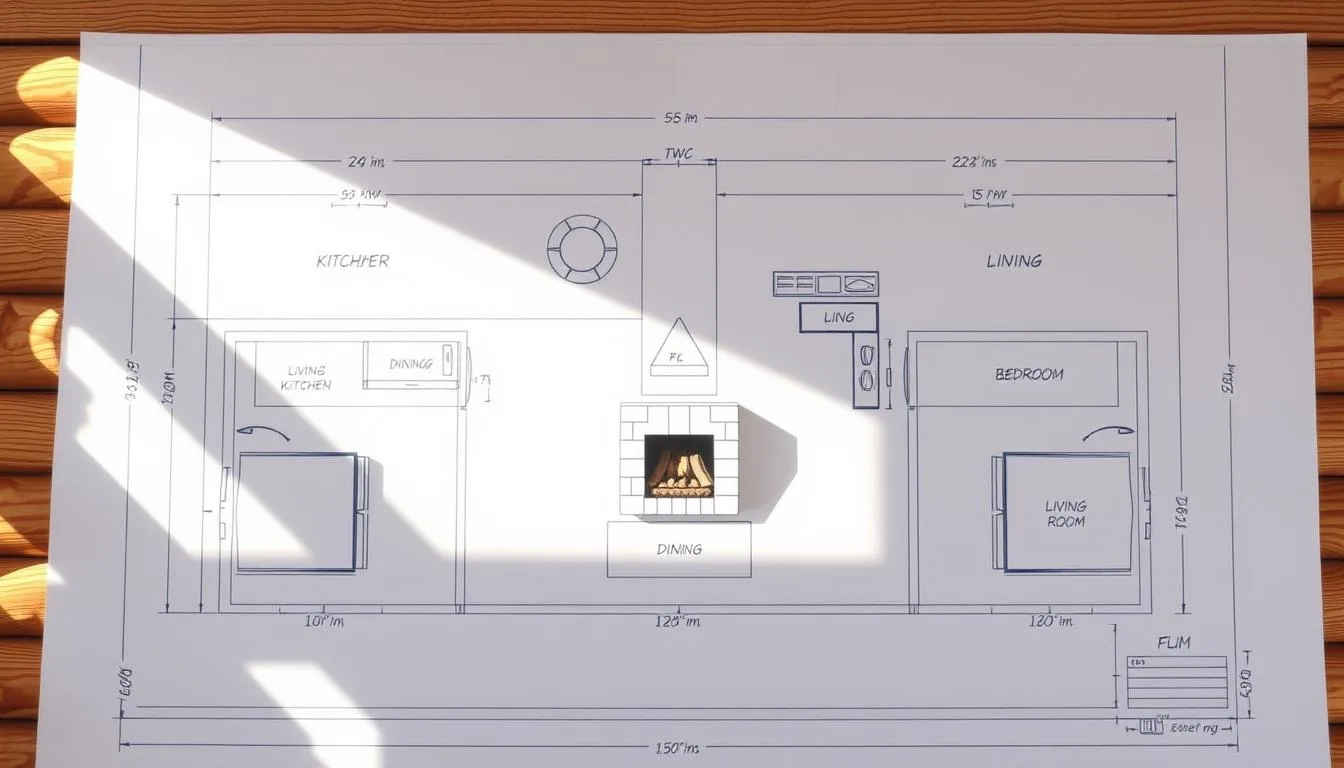
Your cabin’s floor plan acts as the DNA for your entire living experience. It’s a detailed blueprint showing the size and flow of every room.
This diagram is your project’s roadmap. It dictates furniture placement, natural light, and daily movement.
Defining Floor Plans and Their Role
Think of these plans as more than just walls. They create the spatial relationships that make a house a home.
A great layout ensures your retreat fits your vision perfectly. It balances current needs with future possibilities, like guest space or aging in place.
Key Considerations for Log Cabins and Custom Homes
Log home construction brings unique factors. Wall thickness and natural settling must be accounted for in the design.
The right plan maximizes every square foot. An open concept can make a modest-sized dwelling feel expansive. Careful room placement enhances both privacy and togetherness.
When evaluating options, thinking about key considerations for log cabin plans is essential. The goal is a harmonious blend of rustic charm and modern functionality.
| Feature | Open Concept | Traditional Rooms |
|---|---|---|
| Sense of Space | Spacious, airy feel | Defined, cozy areas |
| Social Interaction | Excellent for entertaining | More privacy and quiet |
| Furniture Placement | Flexible, creative options | Structured, defined zones |
| Ideal For | Modern living, gatherings | Formal spaces, large families |
How to Pick a Cabin Floor Plan: Your Essential Guide
Creating a space that truly works for you requires careful consideration of your unique circumstances. The right layout emerges when personal requirements meet practical possibilities.
Evaluating Your Needs and Lifestyle
Start with an honest look at your daily life. Consider how many people will use the space regularly. Think about your entertainment habits and work requirements.
Do you host large gatherings or prefer quiet evenings? Will you need a dedicated office area? These questions shape your ideal floor plan.
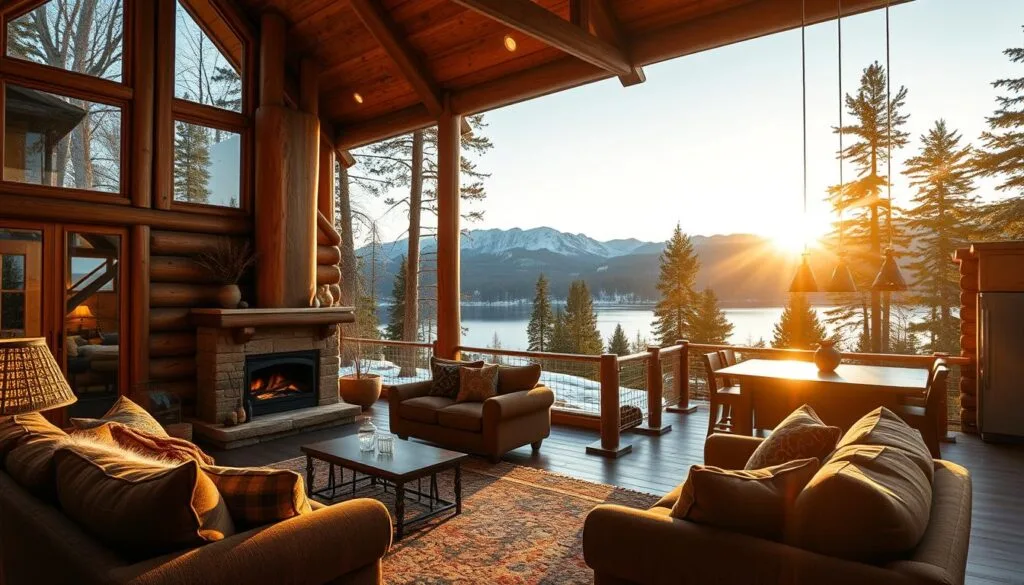
Anticipate future changes too. Family growth or aging considerations matter. Your design should accommodate life’s transitions.
Matching Budget with Design Options
Financial constraints don’t limit quality. Many excellent plans offer great value without excessive cost. Focus on must-have features first.
Efficient layouts maximize every square foot. They eliminate wasted space while maintaining comfort. This approach stretches your budget further.
Exploring small cabins reveals clever space-saving options. Many suppliers provide customizable plans at various price points.
| Priority Level | Feature Type | Cost Impact |
|---|---|---|
| Essential | Core living spaces | High value |
| Important | Storage solutions | Medium value |
| Optional | Luxury additions | Lower value |
| Future-ready | Expandable areas | Long-term savings |
The best way forward balances immediate needs with future flexibility. Your dream retreat should serve you well for years to come.
Exploring Different Cabin Layout Types
Diverse layout options allow you to tailor your retreat’s flow and functionality perfectly. The right choice creates an environment that feels both comfortable and efficient.
It’s about matching the space to your vision for relaxation and living.
Open Concept vs. Traditional Arrangements
Open concept layouts merge the kitchen, dining, and living areas into one large room. This design fosters a social atmosphere, perfect for gatherings.
Natural light flows freely, making the space feel bright and expansive. Even smaller log homes benefit from this airy feel.
Traditional designs offer separate rooms with clear boundaries. This style provides more privacy and quiet areas.
It’s an excellent fit for families needing defined spaces for different activities.
Unique Features like Lofts and Multi-Level Designs
Lofts are a popular feature in many log cabin designs. A second-floor loft overlooks the main living area, adding valuable space.
This vertical element creates a cozy, intimate atmosphere. It’s a clever idea for maximizing square footage.
Lofts serve many purposes:
- An extra sleeping area
- A quiet home office
- A cozy reading nook
Single-level layouts keep everything on one floor for easy accessibility. They are often simpler to build and maintain.
Multi-level cabins provide separation between living and sleeping rooms. This adds architectural interest and privacy.
For more inspiration, explore our complete guide to cabin floor plans.
Balancing Traditional Charm with Modern Design Features
The art of blending time-honored craftsmanship with today’s amenities results in a truly special living space. This approach creates dwellings that respect heritage while meeting contemporary needs.
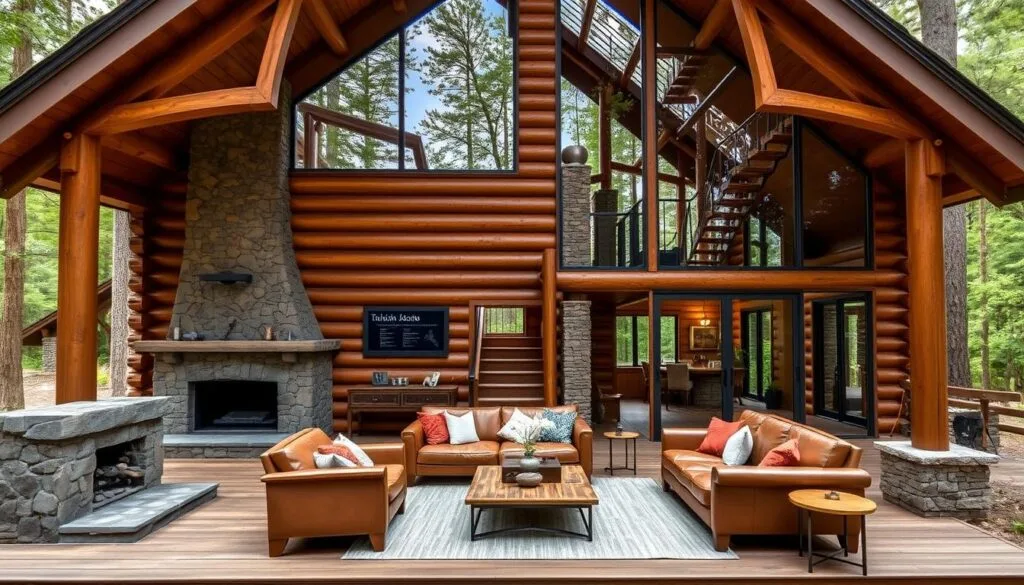
Integrating Classic Rustic Elements with Current Trends
Preserving the authentic character of natural wood finishes and exposed beams remains essential. These elements provide the warm, cozy atmosphere people love about traditional dwellings.
Modern conveniences like smart home technology and energy-efficient appliances integrate seamlessly. The key is thoughtful placement that enhances rather than overwhelms the rustic aesthetic.
Successful design ideas include pairing rough-hewn log walls with sleek kitchen fixtures. Stone fireplaces complement contemporary lighting for a harmonious blend.
Custom log cabin homes offer flexibility to emphasize preferred traditional features. Homeowners can choose which modern elements to incorporate based on personal taste.
Explore modern log cabin interiors for inspiration on achieving this balance. The right combination creates comfortable spaces that honor timeless aesthetics.
This approach doesn’t mean compromising character. It means creating log homes that work beautifully for today’s lifestyle while maintaining their unique charm over time.
Personalizing and Customizing Your Cabin Blueprint
Personalizing your dwelling allows every corner to tell a story about your family’s journey and preferences. Custom floor plans transform standard layouts into spaces that truly meet your specific needs.
Customizing for Family and Lifestyle Needs
Think about your daily routines and household requirements. Adjust bedroom counts and bathroom placements to suit your family’s size. Consider kitchen dimensions based on your cooking habits.
Dedicated spaces for work or hobbies make your home more functional. These personalized features ensure your living environment supports your unique lifestyle.
Adjusting for Future Expansion and Flexibility
Smart planning includes room for growth. Leave space for potential additions like extra bedrooms or a second story. Design plumbing and electrical systems for easy future extensions.
This forward-thinking approach saves money and hassle later. Your investment remains valuable as your needs evolve over time.
Incorporating Energy Efficient and Eco-Friendly Elements
Strategic window placement maximizes natural light and passive solar heating. South-facing windows warm your space in winter. Proper overhangs provide summer shade.
Energy-efficient doors and quality insulation prevent drafts. LED lighting and Energy Star appliances reduce utility costs. These choices benefit both your wallet and the environment.
| Feature Type | Immediate Impact | Long-Term Value |
|---|---|---|
| Room Layout Changes | High functionality | Adaptable space |
| Energy Upgrades | Lower bills | Sustainable living |
| Expansion Planning | Current savings | Future readiness |
| Special Features | Personal comfort | Enhanced enjoyment |
Many log home builders offer various customization options. From minor adjustments to complete original designs, you control every detail while staying within budget.
Practical Tips to Maximize Space and Efficiency
Smart space utilization transforms your log home from simply functional to truly exceptional. Thoughtful arrangement makes compact dwellings feel spacious while enhancing daily comfort.
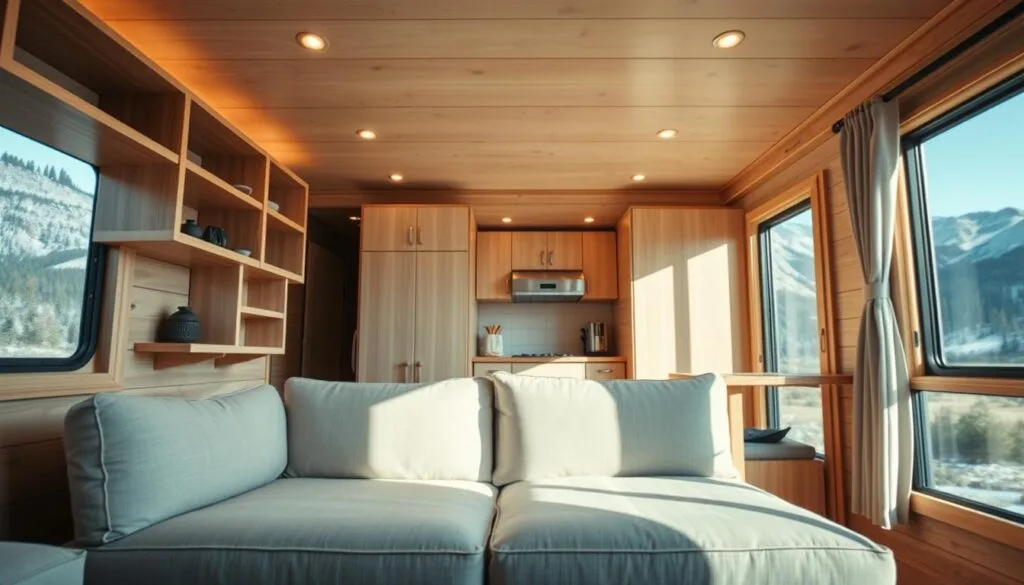
Understanding Square Footage and Room Placement
Proper square footage assessment goes beyond total numbers. It’s about how space divides among different rooms. This understanding guides furniture choices and storage solutions.
Strategic room placement dramatically affects your dwelling’s flow. Group bedrooms together for quiet zones or spread them for privacy. Master suites often work best away from guest rooms.
Consider your land’s characteristics when positioning rooms. Flat or hilly terrain influences optimal placement. Sunny spots suit living areas for natural warmth.
Optimizing Natural Light and Indoor-Outdoor Flow
Position living areas and large windows where sunlight shines brightest. This approach reduces artificial lighting needs while creating cheerful spaces.
Thoughtful planning connects indoor and outdoor areas seamlessly. Doors and decks should extend living spaces naturally into the surroundings.
For detailed guidance on creating the perfect cabin floor plan, explore our comprehensive design resource. Proper orientation maximizes both views and energy efficiency.
| Strategy Type | Primary Benefit | Implementation Tip |
|---|---|---|
| Room Zoning | Enhanced privacy | Group similar functions together |
| Window Placement | Natural lighting | South-facing for winter sun |
| Traffic Flow | Efficient movement | Minimize hallway space |
| Multi-purpose Areas | Space flexibility | Combine living and dining spaces |
Well-designed layouts create efficient traffic patterns. They ensure easy movement between rooms without disruption. This way of thinking makes even smaller cabins feel comfortable and functional.
Final Thoughts on Designing Your Dream Cabin
Ultimately, your perfect retreat is defined by a design that serves your unique needs above all else. It’s not about trends, but what works for your family and lifestyle.
Start with a list of must-haves. Consider the number of bedrooms and the purpose of each space. Is it a weekend vacation spot or a year-round home? This clarity is the first step in designing a dream cabin.
The best log cabins balance comfort, practicality, and cost. Think about room placement for privacy and energy efficiency. Plan for future needs to ensure your designs work well over time.
Many floor plans and options exist for every vision. From cozy getaways to spacious cabins, the right plan makes your house a home. With these tips, you can move forward confidently today.
Take your time researching different plans. Consult with builders and explore available features. This thoughtful way of planning turns your dream into a reality you’ll enjoy for years.