
Welcome to your go-to guide for understanding the finances behind your dream retreat. Many people have a vision of a peaceful log home in the woods. But turning that vision into reality requires a clear financial picture.
A major hurdle for future owners is finding precise estimates. Online figures often give wide, vague ranges. This makes planning difficult. You need to know about every expense, from preparing the land to the final touches.
This guide dives deep into the details. We cover everything from pre-made kit pricing to professional construction. You will learn about DIY projects and long-term upkeep expenses.
The final price can change a lot. It depends on your location, the size of the structure, material choices, and labor. Building from scratch is different than using a kit. We provide real-world examples and expert insights to help you plan effectively.
Understanding the full scope of expenses upfront is the key to a smooth project. It helps prevent budget overruns and ensures your journey is enjoyable from start to finish.
Introduction to Cabin Building and Cost Insights
Today’s renewed interest in traditional wood dwellings reflects a growing desire for authentic living spaces. Many people seek refuge from digital overload through natural, rustic environments.
Why Log Cabins Remain a Top Choice
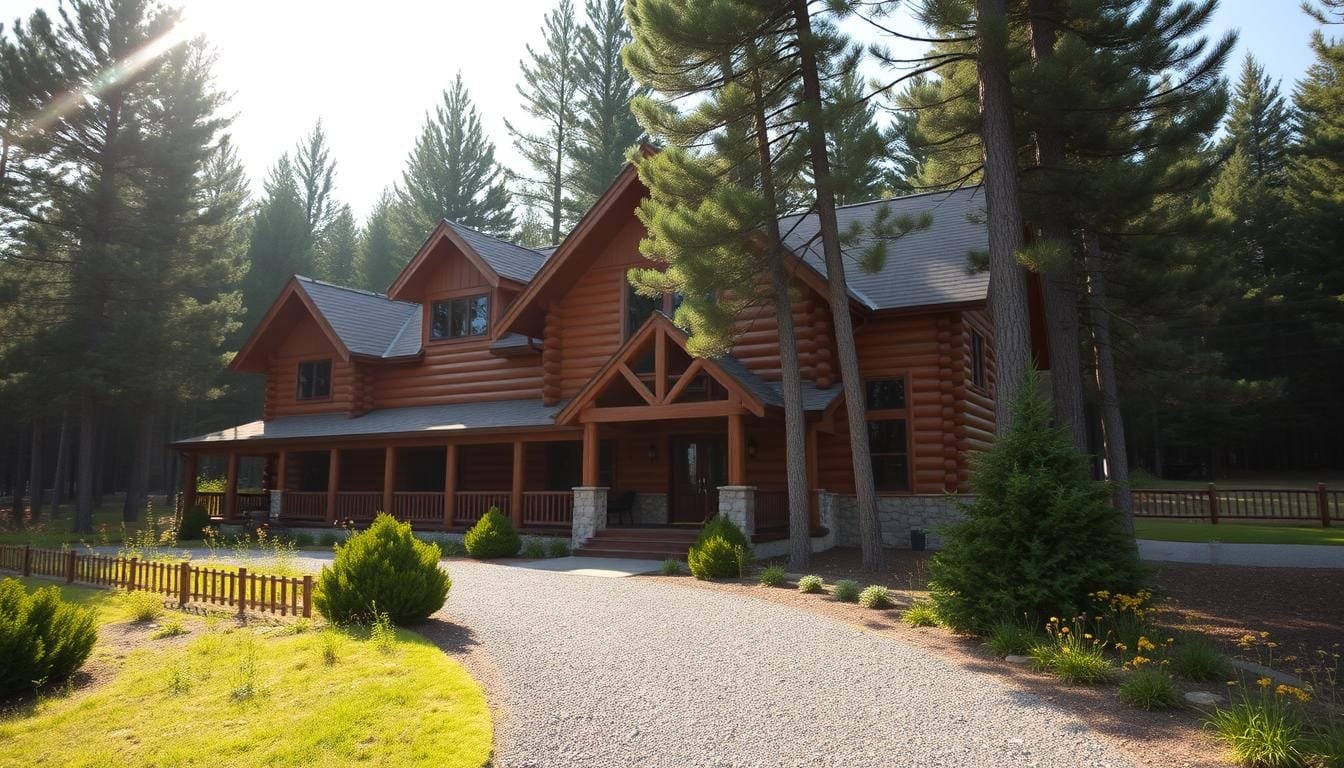
The timeless appeal of these structures connects people to simpler times. Their thick wood walls provide exceptional natural insulation, keeping spaces warm in winter and cool in summer.
Beyond practical benefits, log homes carry deep emotional significance. They symbolize shelter, warmth, and self-sufficiency that resonates strongly today.
Modern log cabin kits have revolutionized accessibility. They eliminate manual log preparation while delivering authentic character. This makes owning a genuine timber home more achievable than ever.
Understanding the Scope of a Cabin Build
A complete project involves multiple phases from start to finish. It begins with site selection and land preparation. Then comes foundation work, structural assembly, and utility installation.
Projects range dramatically in scale. Some people create small 240-square-foot retreats. Others build spacious family homes spanning thousands of square feet.
Understanding this full scope helps prevent surprises. Proper planning ensures realistic expectations for time, money, and effort required. For detailed financial planning, explore this comprehensive cost breakdown.
| Construction Method | Time Required | Skill Level Needed | Customization Options |
|---|---|---|---|
| Traditional Log Construction | 6-12 months | Advanced | Highly flexible |
| Log Cabin Kit | 2-4 months | Intermediate | Pre-designed options |
| Hybrid Approach | 4-8 months | Varied | Moderate flexibility |
Each method offers distinct advantages for different situations. The right choice depends on your budget, timeline, and desired level of involvement.
Key Factors Impacting Construction Expenses
Understanding what drives construction expenses helps you make informed budget decisions. Several interconnected elements shape your final investment.
Quality Materials and Labor Costs
Material selection creates significant price differences. Pine offers affordable options while cedar provides premium quality. White cedar sits in the mid-range for balanced value.
Labor expenses vary by location and approach. Rural areas often have lower rates than urban markets. Professional contractors cost more but ensure quality work.
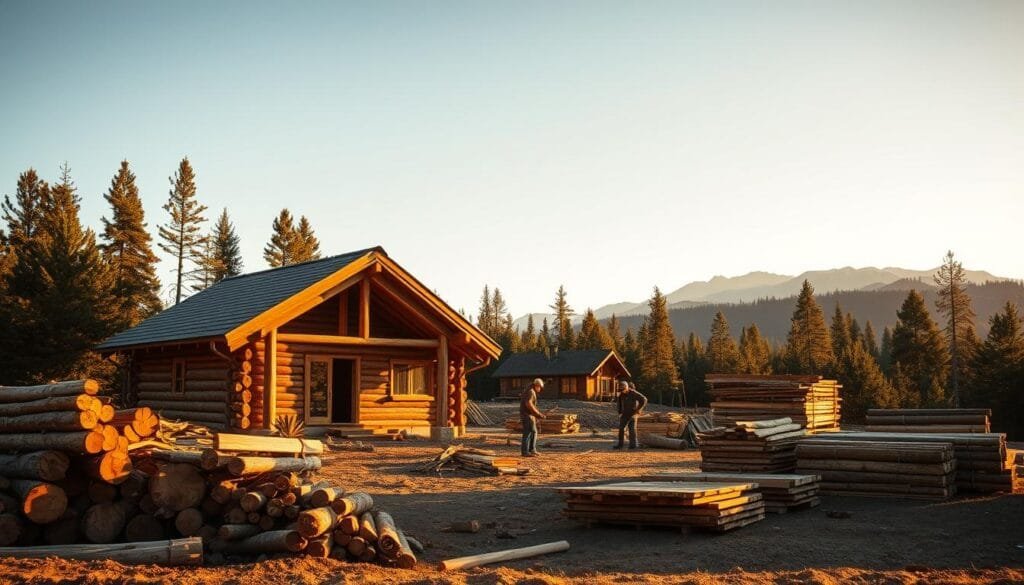
Site Preparation, Excavation, and Utilities
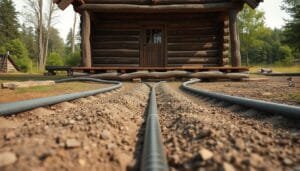
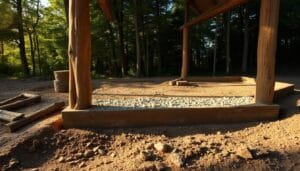
Terrain characteristics heavily influence excavation costs. Rocky soil or steep slopes can add thousands to your project. Foundation choices also impact these expenses.
Utility connections represent major investments. Wells and septic systems each cost several thousand dollars. Electrical service from distant sources increases prices further.
Higher-grade materials often prove more economical long-term. They reduce maintenance needs and avoid premature replacement costs.
| Scenario | Material Quality | Labor Approach | Site Conditions | Relative Cost Impact |
|---|---|---|---|---|
| Budget-Friendly | Pine | DIY/Mixed | Easy Terrain | Lowest |
| Balanced Approach | White Cedar | Local Contractors | Moderate Slope | Medium |
| Premium Build | Cedar | Professional Crew | Challenging Site | Highest |
Remote properties typically require more extensive utility solutions. Planning for these factors prevents budget surprises during your project.
Exploring Log Cabin Kit Pricing and Turnkey Options
Modern manufacturing has transformed log home construction through pre-cut kits that deliver both authenticity and cost predictability. These packages include precisely cut timber and essential components, streamlining the assembly process significantly.
Estimating the Total Build with Multiples
Industry professionals use a simple formula to estimate complete project expenses. For smaller, simpler structures, multiply the log cabin kit price by 2.0. Larger or more complex designs may require a 2.5x multiplier or higher.
This calculation accounts for all additional expenses beyond the basic package. It includes site preparation, foundation work, utility connections, labor, appliances, and finishing materials.
The Brandywine project demonstrated this formula perfectly. The final investment equaled twice the initial kit pricing. This covered permits, excavation, HVAC, kitchen installation, and contractor fees.
For the Windsor timber home, the multiplier increased to 2.5x. This larger project included a full basement and more complex features. Comprehensive kits from manufacturers like Conestoga can help reduce additional purchases.
Turnkey pricing represents the complete move-in-ready expense. This includes everything from excavation to final landscaping. DIY builders can achieve lower totals by eliminating professional labor costs.
The Cabin Building Process Explained
Successful log home projects share a common trait: they follow a well-defined sequence of stages that ensures nothing gets overlooked. This systematic approach transforms overwhelming tasks into manageable steps.
Surveying, Permits, and Step-by-Step Construction
Professional surveying provides legal certainty about property boundaries. While it adds several hundred to several thousand dollars, this investment prevents costly future disputes.
Permits are essential but often overlooked during initial planning. Requirements vary by jurisdiction but typically include building, electrical, plumbing, and septic system approvals.
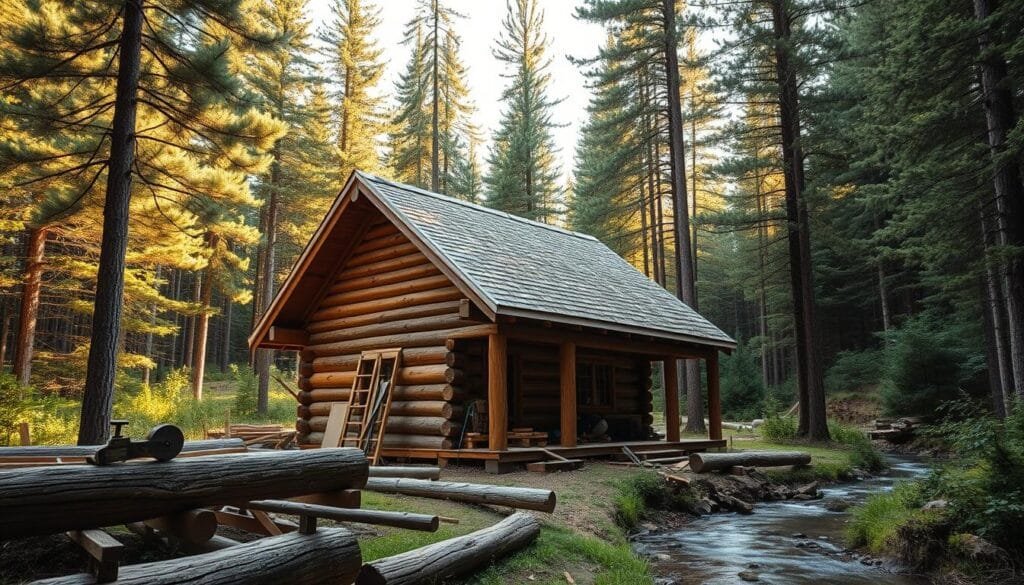
The construction sequence follows a logical progression. It begins with site clearing and foundation work, then moves to framing, roofing, and exterior finishing.
Graeme Jenvey’s DIY project took approximately 55 working days spread across one year. His experience demonstrates that part-time construction is feasible for those balancing other commitments.
Even basic framing knowledge provides a valuable foundation. Many successful DIY builders learn specific techniques through research and hands-on experience.
Don’t let perfectionism delay your project. Practical experience builds competence faster than endless planning. For detailed financial planning, explore this comprehensive cost breakdown.
Study construction techniques and understand local codes before starting. Balance preparation with the need to begin physical work on your dream retreat.
Hidden Costs and Long-Term Maintenance Considerations
The true investment in a timber home extends far beyond construction day, encompassing years of essential upkeep. Many first-time owners overlook critical expenses that emerge during and after the project.
Unexpected Expenses in Wood, Tools, and Finishings
Premium wood upgrades and specialized tools often surprise new owners. Outdoor living areas like porches and comprehensive landscaping add significant amounts to the final bill.
Appliances and washer/dryer setups represent major investments typically excluded from basic quotes. These can add $5,000-$15,000 depending on quality selections.
| Maintenance Task | Frequency | Estimated Cost | Importance Level |
|---|---|---|---|
| Exterior Staining & Sealing | Every 3-7 years | $2,000-$8,000 | Critical |
| Roof & Gutter Inspection | Annually | $200-$500 | High |
| Pest Control Treatment | Bi-annually | $300-$800 | High |
| Chimney Cleaning | Annually | $150-$400 | Medium |
Regular Upkeep: Staining, Sealing, and Pest Control
Wood structures require consistent protection from moisture and UV damage. Full exterior treatments are needed every few years to prevent deterioration.
Regular inspections for carpenter bees and termites are essential. These pests can cause structural damage if left unchecked.
Working with transparent builders who provide comprehensive breakdowns helps avoid surprises. This approach ensures realistic budgeting for both construction and ongoing care.
Expert Tips for Budgeting and Financing Your Cabin
Before breaking ground on your woodland sanctuary, establishing a solid financial foundation is crucial. Smart planning prevents budget surprises and ensures your project stays on track from start to finish.
Mortgage vs. Construction Loan Insights
Traditional mortgages work for buying existing houses. Construction loans fund new projects in stages. Lenders pay builders as work completes.
These short-term loans convert to mortgages after completion. You pay interest only during construction. Finding lenders experienced with construction-to-permanent loans streamlines the process.
Practical Budgeting Strategies for Homeowners
Start by calculating your available down payment funds. Larger payments reduce monthly obligations and total interest paid over time.
Next, tally your actual take-home income after taxes. List all current monthly expenses like rent, utilities, and insurance. Identify which costs will disappear once you move into your new home.
Don’t forget new homeowner expenses. Property taxes, insurance, and seasonal maintenance like snow removal add to your budget. Always leave room for emergency repairs.
The final step is simple math. Subtract all expenses from your income. This reveals your affordable monthly housing payment for a stress-free financial plan.
Understanding “cabin building cost” – A Comprehensive Breakdown
Breaking down expenses per square foot reveals important patterns in how size affects your overall investment. The national average for new construction runs about $136 per square foot.
Smaller structures often show higher prices per square foot. Basic systems like plumbing and electrical have minimum expenses regardless of your home’s dimensions.
Comparing DIY Approaches and Professional Builds
Graeme Jenvey built his 240-square-foot retreat for just $12,745. He had minimal framing experience but learned techniques as he worked.
DIY projects eliminate labor fees, which typically represent 40-50% of total prices. However, they require significant time investment and specialized tools.
Most errors during construction provide valuable learning experiences. They’re usually fixable when working within your skill level.
Selecting the Right Builder for Quality and Value
The cheapest option may use inferior materials or incomplete kits. The most expensive doesn’t always guarantee superior quality either.
Ask detailed questions about wood sources and construction methods. Request transparent pricing breakdowns to compare offers accurately.
| Construction Type | Price Per Square Foot | Time Investment | Skill Level Required |
|---|---|---|---|
| Professional Build | $150-$300 | 2-4 months | None (hired labor) |
| DIY with Experience | $80-$150 | 4-8 months | Intermediate |
| First-Time DIY | $50-$100 | 6-12 months | Beginner (learning) |
View completed projects when possible. This helps verify the builder’s attention to detail and final product quality.
Final Thoughts on Building Your Dream Cabin
Creating your woodland retreat represents more than just construction—it’s about building a legacy. This special type of home embodies the American dream of self-sufficiency and connection to nature.
Modern log cabin kits have made ownership achievable for various budgets. Whether you choose DIY or professional help, plan for a realistic 6-12 month timeline. Quality takes time, but the result is worth the wait.
Think ahead about how your life may change over the years. Consider future needs like growing families or aging parents. Building financial buffers through monthly savings prepares you for surprises.
With thorough planning and quality materials, your dream can become reality. Your investment creates not just a structure, but a lifestyle filled with memories for generations.