
Dreaming of your own rustic retreat doesn’t mean your savings have to disappear. With thoughtful planning, you can construct a personal getaway that is both affordable and well-built.
The journey to a finished cabin involves many decisions. The secret is knowing where to invest your money for long-term value and where you can safely economize. This approach ensures your home stands strong for years.
This guide shares practical strategies from experienced builders. You will learn about smart materials selection and design simplification. These methods help keep your project’s budget realistic without cutting corners on important features.
Whether you’re planning a weekend escape or a full-time residence, getting the balance right is key. You can achieve a rewarding diy project that provides lasting comfort and enjoyment.
Getting Started with Your Budget Cabin Project
Before picking up your first tool, taking time to define your goals will set your project up for success. This initial planning phase is crucial for creating a space that meets your specific needs.
Defining Your Vision
Start by asking what purpose your cabin will serve. Will it be a quiet reading nook, a home office, or guest accommodation? Your answer guides every design decision.
Graeme Jenvey’s experience shows the value of preparation. His 240 square foot structure took 55 working days over one year. Even with his framing background from Toronto house projects, careful planning was essential.
Assess your current skills honestly. Basic woodworking knowledge from past projects can shorten your learning curve. You don’t need professional expertise, but foundational understanding helps tremendously.
Realistic time assessment is another key factor. Most cabin builds span several months of part-time work. Consider your available weekends and evenings when scheduling.
| Cabin Purpose | Key Considerations | Time Commitment | Skill Level Needed |
|---|---|---|---|
| Reading Retreat | Quiet location, comfortable seating | 2-4 months | Basic |
| Home Office | Electrical, internet, storage | 3-5 months | Intermediate |
| Guest Space | Sleeping area, bathroom access | 4-6 months | Intermediate |
| Multi-use Space | Flexible layout, multiple zones | 5-8 months | Advanced |
Your tool inventory and support network are practical considerations. Many DIYers gradually accumulate tools over years. Having helpers for wall raising or beam installation makes difficult tasks manageable.
Balance your vision with real constraints like budget, land availability, and local codes. Don’t compare your progress with professional builds. Many successful projects begin with enthusiasm and willingness to learn.
Planning and Prioritizing Your Cabin Build
The journey to your dream space hinges on two critical early steps: establishing a realistic budget and outlining your essential needs. This phase sets the tone for your entire project.
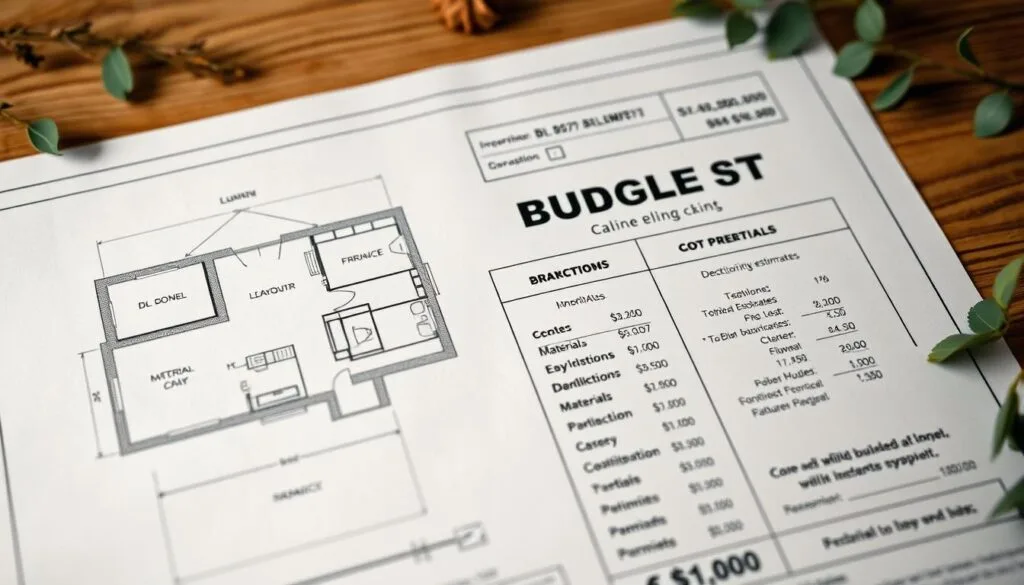
Looking at real-world examples provides the best foundation for your financial plan. For instance, constructing a small cabin like Graeme Jenvey’s 240-square-foot retreat cost around $12,745.
Establishing a Realistic Budget
Break your money down into clear categories. This helps you track spending. Jenvey’s costs show a typical split: about 60% for the exterior and 40% for the interior.
Major systems like heating can consume a large part of your interior budget. A heat pump alone might represent a quarter of that cost. Always include a 10-15% buffer for surprises.
Detailed plans are crucial. A simple doodle can lead to expensive mistakes. Proper blueprints save money and time during the build.
Outlining Essential Features
Focus on your top three or four must-haves. Trying to include every convenience turns a manageable cabin project into a complex nightmare.
A simple, rectangular floor plan is the most cost-effective way to build. It uses fewer materials than designs with multiple angles or levels.
Open layouts eliminate unnecessary walls. This saves on materials and makes the space feel larger. It also simplifies the building process for your diy effort.
| Budget Category | Approximate % of Total | Key Considerations | Cost-Saving Tip |
|---|---|---|---|
| Exterior Construction | 60-65% | Walls, roof, windows, doors | Choose a simple rectangular design |
| Interior Finishing | 35-40% | Flooring, insulation, utilities | Prioritize open floor plans |
| Foundation Work | Varies by property | Soil type, local codes | Research cost-effective pier foundations |
| Contingency Buffer | 10-15% | Unexpected issues | Non-negotiable for a smooth project |
This structured approach helps you manage your lot of decisions. It is the best way to ensure your vision becomes a reality without financial stress.
Selecting Materials That Balance Cost and Quality
Material selection represents one of the most impactful decisions in your construction journey. The right choices create a space that stands strong for decades while keeping maintenance manageable.
Smart Material Swaps for Durability
Local suppliers often suggest comparable alternatives that work just as well. This approach saves significant money on cross-country transportation costs.
Invest in products that last with minimal maintenance rather than low-cost options. Cheap siding like vinyl deteriorates quickly in outdoor environments.
| Material Type | Durability | Maintenance Needs | Cost Over 10 Years |
|---|---|---|---|
| Wood Siding | Moderate | High (painting, sealing) | $$$$ |
| Steel Log-Style | Excellent | Low | $$ |
| Vinyl Siding | Poor | Moderate | $$$ |
| Hardy Board | Excellent | Low | $$ |
Exploring Affordable, Long-Lasting Options
Steel log-style siding provides traditional log cabin aesthetics without wood maintenance headaches. It withstands insects and weather effortlessly.
For pathways, crushed stone or patio pavers offer excellent functionality at lower cost than poured concrete. These strategic swaps maintain quality while saving money.
Always consider long-term value when selecting construction materials. Durable choices prevent future repair expenses and replacement needs.
Step-by-Step Guide: How to Build a Cheap but Durable Cabin
A successful cabin build relies on a clear sequence of construction steps and smart work habits. Following a logical order prevents costly rework and ensures your structure stands strong for years.
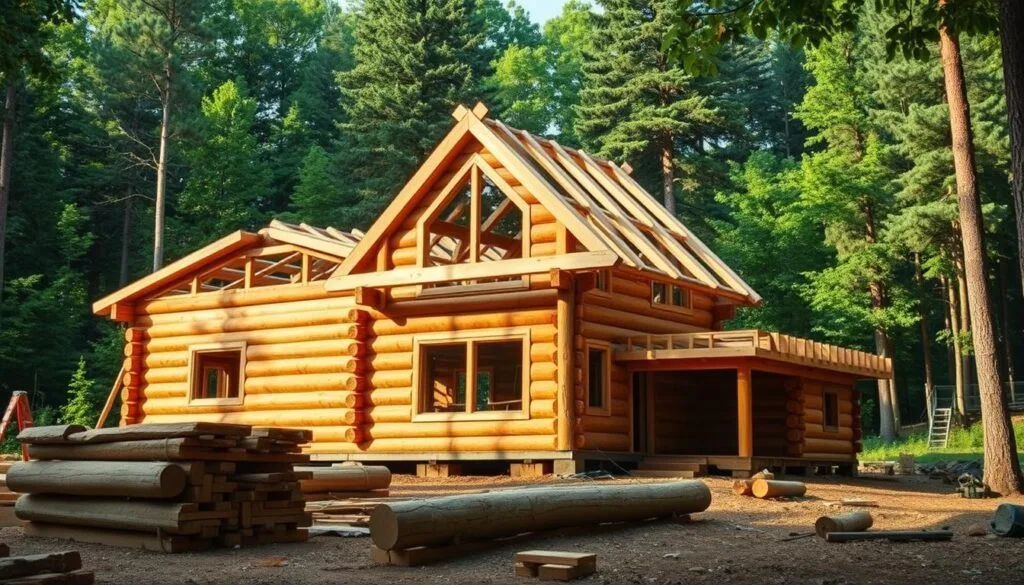
Begin with foundation preparation, then move to floor framing. Next, erect walls and install the roof structure before adding exterior sheathing. This methodical way prevents compounding problems later in the project.
DIY Tips from Industry Experts
You don’t need to buy every tool new. Graeme Jenvey’s experience shows that most DIY enthusiasts accumulate equipment over time. For his 240-square-foot retreat, he only purchased an auger for foundation holes and a staple gun for siding.
Ask for help when needed. Even largely solo projects benefit from assistance with tasks like wall raising. Jenvey received valuable help from family and friends during specific challenging phases.
Avoiding Common Pitfalls
Do the work correctly the first time. Rushing or skipping steps wastes materials, time, and money. Most errors are easy to fix when caught early, but some require significant effort to correct.
Research local building codes before starting. This advice can save you from expensive corrections or legal issues. Good planning prevents a lot of headache down the road.
Make your project a genuine priority by allocating consistent time and resources. Successful builders often redirect discretionary spending toward their construction goals.
Practical Insights from Experienced Cabin Builders
Real-world examples from successful cabin builders offer practical insights that books and manuals cannot match. These professionals have already navigated the challenges you may face.
Their journeys provide valuable lessons about planning, execution, and problem-solving. Learning from their experience can save you significant time and resources.
Lessons from Graeme Jenvey and Real Projects
Graeme Jenvey’s story demonstrates how childhood passion evolves into expert skill. His family’s A-Frame cabin in British Columbia sparked a lifelong interest in wooden structures.
Starting with elementary school treehouses, Jenvey developed hands-on experience over many years. His gap year in framing work provided foundational knowledge for his later cabin build.
Even with this background, he learned “almost everything as he went” during his project. This shows that continuous learning is essential for any successful build.
Jenvey’s YouTube timelapse reaching 11 million views highlights another key insight. Documenting your work creates valuable resources for others while helping you track progress.
Experienced builders emphasize that mistakes are universal. What separates successful projects is the willingness to learn from errors and adapt your approach.
The building process often provides more satisfaction than the finished structure. Many builders find the journey itself creates lasting personal growth and skills.
Innovative Foundation and Structural Design Strategies
Smart structural planning can significantly reduce costs while ensuring long-term durability. Your choices here impact everything from stability to heating efficiency.
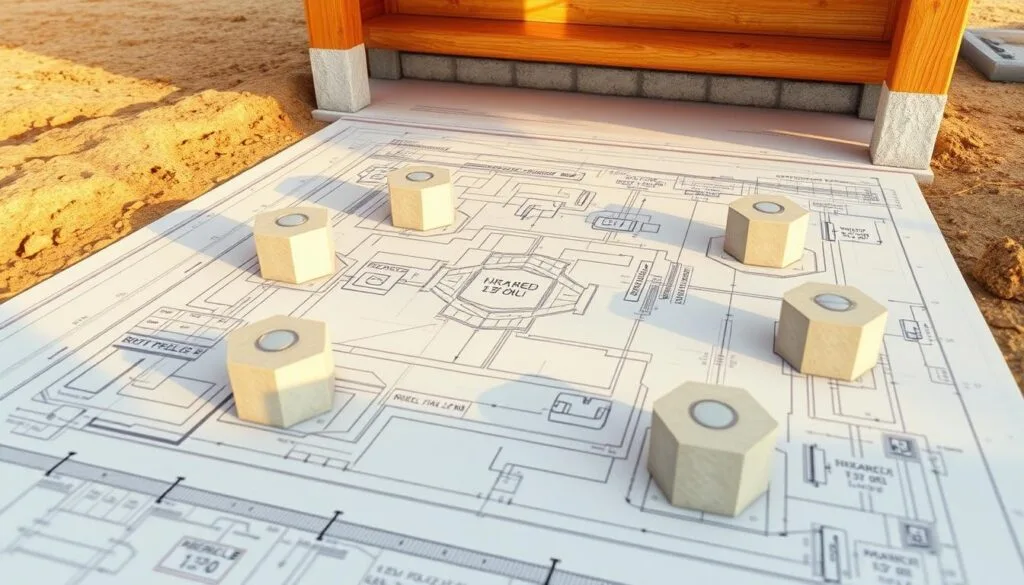
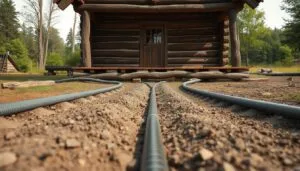
Graeme Jenvey’s project demonstrates smart foundation selection. His 12′ x 20′ cabin used piling supports on uneven terrain. This approach minimized ground disturbance effectively.
Cost-Effective Foundation Techniques
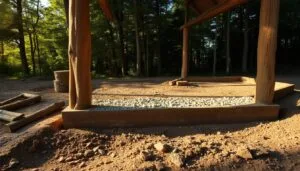
Concrete slabs offer excellent value for flat properties. They combine structural strength with finished floor surfaces. Acid staining creates attractive, low-maintenance finishes.
Piling foundations work well for sloped lots. Jenvey drilled holes with an auger for his supports. This method adapts to challenging terrain beautifully.
For tiny structures under 200 square feet, patio pavers provide budget-friendly support. Always verify local building codes first.
| Foundation Type | Best For | Cost Level | Installation Complexity |
|---|---|---|---|
| Concrete Slab | Flat terrain | Medium | Moderate |
| Piling System | Sloped lots | Low-Medium | Moderate |
| Patio Pavers | Small cabins | Low | Simple |
| Radiant Slab | Cold climates | High | Complex |
Efficient Floor Plan Design
Simple rectangular layouts maximize space while minimizing materials. Jenvey’s shed-style roof design created generous headroom efficiently.
The tall wall measured 12 feet, sloping to 8 feet. This design reduces complex framing requirements dramatically. It’s a smart approach for DIY construction projects.
Avoid multi-story designs and irregular shapes. They increase material waste and building complexity unnecessarily. For more foundation insights, explore our guide on optimal foundation selection.
Maximizing Space and Interior Functionality
The true art of cabin living lies in creating versatile spaces that serve multiple purposes. Graeme Jenvey’s 240-square-foot retreat demonstrates this beautifully, functioning as a reading nook, home office, and social area.
Optimizing Storage and Layout
Jenvey’s interior cost around $4,750, with half dedicated to flooring and climate control. His 12-foot tall wall creates valuable vertical space that makes the modest footprint feel expansive.
Traditional closets consume precious floor area. Instead, consider multi-functional solutions like under-bed drawers and built-in cubbies. These approaches save money while maximizing utility.
| Storage Solution | Space Efficiency | Cost Level | Versatility |
|---|---|---|---|
| Under-bed Drawers | High | Low | Medium |
| Built-in Cubbies | Medium | Medium | High |
| Open Shelving | High | Low | High |
| Storage Benches | Medium | Medium | High |
Open shelving replaces expensive cabinets, creating an airy aesthetic. This design choice keeps costs down while making small areas feel larger.
Plan essential systems like bathrooms separately when possible. Jenvey’s future off-grid toilet/shower addition maintains the main cabin‘s simplicity. Focus on your actual needs rather than replicating full-house amenities.
Bringing Your Budget Cabin Vision to Life
Turning your cabin vision into reality begins with that first decisive step forward. Like Graeme Jenvey, who constructed his retreat on existing property, your journey starts with commitment. Realistic planning makes the difference between dreams and finished structures.
Jenvey’s project took 55 working days spread across a year. His total cost of $12,745 shows quality cabins can be affordable. Smart choices about materials and design keep budgets manageable while ensuring longevity.
Consider a phased approach for your cabin. Start with the main structure, then add features like Jenvey’s planned off-grid bathroom. Durable choices like metal roofing save money over years. Proper foundation planning ensures stability.
Take inspiration from successful builders. Their experience proves that with dedication, your personal retreat is achievable. The satisfaction of creating something lasting provides rewards beyond the finished cabin.