

Imagine your own peaceful retreat, a personal sanctuary nestled in nature. That dream of a custom cabin starts with a single, vital decision. Selecting the right piece of land is the most important first step on this exciting journey.
This process is about more than a simple purchase. You are searching for a place that matches your vision for a log cabin or a full-time home. The right property supports your lifestyle and long-term goals.
While the idea to build cabin structures is thrilling, a successful project relies on careful groundwork. Thorough research before you buy prevents future challenges. This guide will walk you through the entire process.
We will cover key factors like evaluating soil and understanding local zoning rules. Our goal is to equip you with the knowledge for a confident, informed decision. Finding your perfect property is an achievable dream with the right approach.
Understanding the Basics of Buying Land for a Cabin
Owning a parcel of land gives you the ultimate freedom to create your personal haven. This process involves more than a simple transaction—it’s about securing your future and building your legacy.
The Benefits of Owning Your Own Land
When you purchase property, you gain complete control over your space. You can design and construct exactly what you envision without restrictions. This autonomy represents one of life’s greatest luxuries.
The emotional rewards are significant. Each piece of land has unique characteristics that make it special. From morning sunlight patterns to seasonal wildlife, your property becomes part of your story.
Land Purchase as an Investment and Lifestyle Choice
Real estate represents a smart financial move. The property market reached $33.6 trillion in 2020, showing strong growth potential. As values increase, you can borrow against your equity for construction projects.
Current market conditions favor buyers with historically low mortgage rates. This timing makes purchasing land particularly advantageous for those planning future homes.
Ultimately, acquiring property blends financial wisdom with personal fulfillment. It connects you to nature while building wealth over time.
How to Choose Land to Build a Cabin
Selecting the right property forms the cornerstone of any successful cabin construction endeavor. This critical phase requires careful thought about your long-term vision and practical needs.
A Step-by-Step Selection Process
Begin by defining your property requirements clearly. Consider your lifestyle preferences and future plans for the space. Will you need room for gardening or outdoor activities?
Research potential locations thoroughly before visiting. Create a checklist of essential features versus desirable amenities. This systematic approach saves time and prevents disappointment.
Budgeting and Financial Considerations
Your property purchase represents just the initial investment. Remember to account for development costs like utility connections and site preparation.
Establish a realistic financial plan that balances acquisition expenses with construction funds. Consider financing options carefully if paying cash isn’t feasible.
| Property Type | Average Cost Range | Development Needs | Time to Build Ready |
|---|---|---|---|
| Raw Land | $5,000-$20,000 | Full infrastructure | 6-12 months |
| Partially Developed | $20,000-$50,000 | Limited utilities | 3-6 months |
| Fully Serviced | $50,000-$100,000+ | Minimal preparation | 1-3 months |
Thorough due diligence during the selection phase prevents costly surprises later. Visit properties multiple times to understand seasonal variations.
Evaluating Key Land Features and Soil Conditions
Before you break ground, understanding the natural elements of your land can save you from costly surprises down the road. The physical characteristics directly impact your construction plans and long-term satisfaction.
Thorough evaluation of these conditions ensures your investment pays off. It’s about more than just finding a pretty view.
Assessing Soil Quality and Drainage
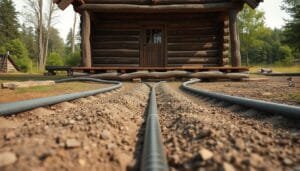
Start with a careful examination of the soil composition. Rocky ground increases excavation cost significantly. Clay-heavy earth affects drainage and septic options.
Wet areas can limit buildable space. Standing water attracts pests and may indicate wetland designations. Consider a percolation test before purchase.
This simple test determines soil absorption rates. It influences what type of septic system your property can support. Standard systems cost under $10,000 while engineered options exceed $30,000.
Analyzing Topography and Natural Features
Steep slopes present unique challenges for building. They often require specialized foundations or extensive grading. This adds considerable expense to your project.
Evaluate the site during different seasons. Summer-dry areas might flood in spring. Mountainous regions experience significant snowmelt runoff.
Walk the entire property looking for wet spots. Note natural drainage patterns and potential runoff from surrounding terrain. These observations help identify the ideal building location for your log cabin.
Access, Utilities, and Infrastructure Considerations
Your property’s utility connections and road access can significantly impact your overall budget and timeline. These practical elements often determine whether a project remains affordable or becomes unexpectedly expensive.
Reviewing Septic Systems and Water Supply
A reliable septic system is essential for remote properties. Installation costs typically range from $3,280 to $9,550. Challenging soil conditions can increase this expense substantially.
Your water source options include municipal connections, well drilling, or alternative systems. Each choice carries different cost implications and maintenance requirements. Research local availability before purchasing any land.
Evaluating Utility Access and Connection Costs
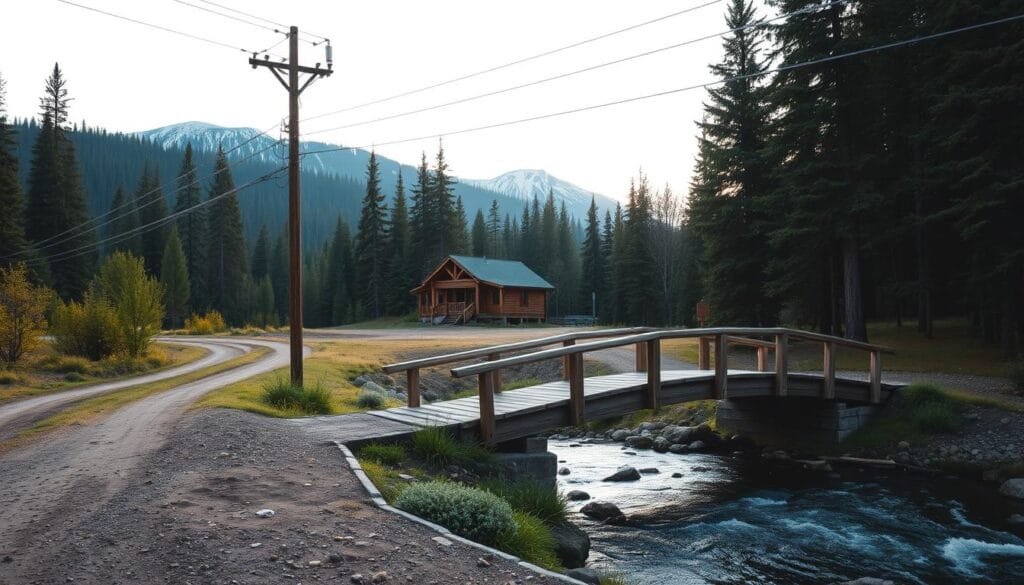
Check proximity to power lines and sewage infrastructure early in your search. Connection fees for available utilities can reach thousands of dollars. Remote locations may require off-grid solutions.
Driveway installation represents another significant investment. Proper access is crucial for construction equipment and emergency vehicles. Plan for adequate width and stable surfaces.
Always obtain local contractor estimates before finalizing any property purchase. These infrastructure elements dramatically affect your total project cost.
Location and Site Placement for Optimal Energy Efficiency
The precise placement of your structure on the property affects everything from energy bills to daily enjoyment. Strategic placement considers multiple factors beyond simply finding level ground.
Your log cabin home should harmonize with its surroundings while maximizing practical benefits. This approach creates a comfortable living space that works with nature.
Maximizing Natural Light and Scenic Views
Visit your potential building site at various times to observe sunlight patterns. Morning light differs from afternoon illumination. Proper window placement captures daylight throughout the day.
Consider the surrounding landscape when positioning your cabin home. Capture breathtaking views through strategic window arrangements. Balance scenic enjoyment with practical energy considerations.
Determining the Best Site Orientation
Southern exposure provides excellent solar gain during colder months. This natural heating reduces energy consumption significantly. Proper orientation minimizes summer heat while maximizing winter warmth.
Seasonal visits reveal important details about your location. Observe water drainage patterns and wildlife activity. These observations inform smart plans for your home.
| Orientation | Energy Efficiency Benefits | View Considerations | Seasonal Factors |
|---|---|---|---|
| South-Facing | Optimal winter solar gain | May limit northern views | Excellent for cold climates |
| East-Facing | Morning light warmth | Sunrise views | Cooler afternoons in summer |
| West-Facing | Afternoon heating | Sunset vistas | Potential summer overheating |
| North-Facing | Consistent cool temperatures | Limited direct sunlight | Ideal for hot climates |
Professional builders assess slopes and natural features for ideal site selection. Their expertise ensures your log cabin achieves maximum energy efficiency and enjoyment.
Navigating Building Regulations and Permitting
Legal requirements often determine whether your dream property becomes a reality or remains just a vision. Local zoning laws and building regulations govern what you can construct on your land.
Understanding Zoning Laws, Setbacks, and CC&Rs
Zoning classifications dictate allowable structures and property uses. You must make sure the parcel supports residential development before purchasing.
Setback requirements establish minimum distances from property lines. These restrictions affect available buildable space for your log cabin and additional structures.
Some communities enforce Covenants, Conditions, and Restrictions (CC&Rs). These rules may limit design choices or exterior materials.

Performing Title Searches and Land Surveys
A thorough title search reveals any liens or legal issues attached to the property. Always make sure you receive a clean title report before closing.
Professional survey services document precise boundary lines. They identify encroachments and confirm the actual acreage you’re purchasing.
Consult with real estate attorneys to review contracts and zoning compliance. Their expertise helps avoid costly regulatory mistakes.
Complete all regulatory research before finalizing any land acquisition. Discovering issues after purchase can derail your construction plans.
Assembling a Trusted Land Buying Team
A successful property acquisition relies on a skilled professional team. This process involves more than just signing papers. You need expert guidance to navigate the complexities of buying land.
Each member of your real estate team plays a vital role. They protect your interests and ensure a smooth transaction. Understanding their functions is key information you need know.
Roles of Agents, Surveyors, Lawyers, and Appraisers
A real estate agent represents your interests during the purchase. They handle negotiations and guide you through the entire process. Their fee typically comes from the sale, so it often costs you nothing extra.
A surveyor provides a precise map of the land. This document shows exact boundaries and important features. It confirms the property lines before you finalize the purchasing land deal.
An appraiser determines the fair market value. This assessment affects your financing options and ensures you pay a reasonable price. It also impacts the future resale value of your investment.
Hiring a lawyer is critical for a secure purchase. They review all contracts and conduct title searches. This step uncovers any legal issues or hidden restrictions on the property.
Assembling this team is a smart investment. Their specialized information helps you avoid costly mistakes. This careful approach makes buying land a confident and secure process.
Bringing Your Cabin Dream to Life
The path to creating your ideal mountain getaway starts with thoughtful property selection. You’ve explored the essential factors that make a location perfect for your retreat. Now you’re ready to move forward with confidence.
Your careful research pays off when you find the right parcel. Working with experienced professionals simplifies the entire process. Companies like Gingrich Builders guide you through every step of construction planning.
This investment of time creates a solid foundation for your future log cabin home. Your dream retreat will reflect your vision and serve your lifestyle perfectly. Soon you’ll enjoy mornings surrounded by nature on land you selected with care.
The journey continues with designing floor plans and selecting materials. Each decision brings you closer to the finished cabin you envision. Your perfect getaway awaits just beyond the planning phase.