
Building your dream log cabin is an exciting adventure. It’s a chance to create a personal retreat or a full-time home surrounded by nature. Many people dive into this project with a clear vision but a less clear budget.
Construction projects often come with surprise expenses. These can quickly add thousands of dollars to your initial estimate if you’re not prepared. Understanding these potential financial hurdles upfront is crucial for a successful build.
This guide will walk you through the various expenses you might encounter. We’ll cover everything from preparing your land to long-term upkeep. With proper planning, you can still achieve your goal, perhaps even by learning how to build a simple cabin porch without breaking the.
Whether you’re doing it yourself, hiring pros, or using a kit, knowing what to budget for is key. By the end, you’ll have a complete understanding and practical strategies to manage your money effectively.
The True Price of Your Dream Cabin
Many aspiring cabin owners discover that initial estimates barely scratch the surface of total expenses. The advertised price for log cabin construction often represents just the beginning of your financial journey.
Modern Construction Expenses and Hidden Markups
Today’s building environment has seen significant price increases across the board. What you may need to budget for extends far beyond basic walls and a roof.
Real-world examples show dramatic variations. Some builders create functional spaces for $2,000, while others invest $60+ per square foot for fully finished log homes.
Working with transparent companies helps avoid surprise markups. Detailed breakdowns of your cabin construction cost provide crucial financial clarity.
Balancing Material Quality and Labor Costs
Material choices significantly impact your budget. Premium woods like cedar cost more than pine but offer superior durability and appearance.
Labor expenses vary wildly by location. Some homeowners save money through DIY work, while others hire professionals for critical construction phases.
Understanding this balance helps make smart decisions. Quality materials often mean lower long-term maintenance for your timber retreat.
Identifying the hidden costs of cabin building
The journey from blueprint to finished retreat involves numerous expenses that are easy to overlook. These items are often not part of the initial structure’s price tag.
Planning for them from the start prevents budget surprises later on. Let’s break down some of the most common areas where extra investment is needed.
Wood Selection, Permits, and Utility Connections
Your choice of timber is a major financial decision. Premium species like cedar offer great durability but come at a higher price than pine.
Local permits and inspections are another area that requires funds. Fees can vary significantly depending on your location and project scope.
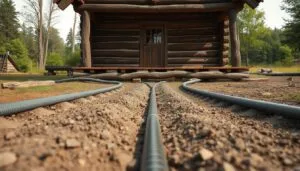
For properties away from city services, utility setup is a big consideration. Drilling a well and installing a septic system are substantial investments.
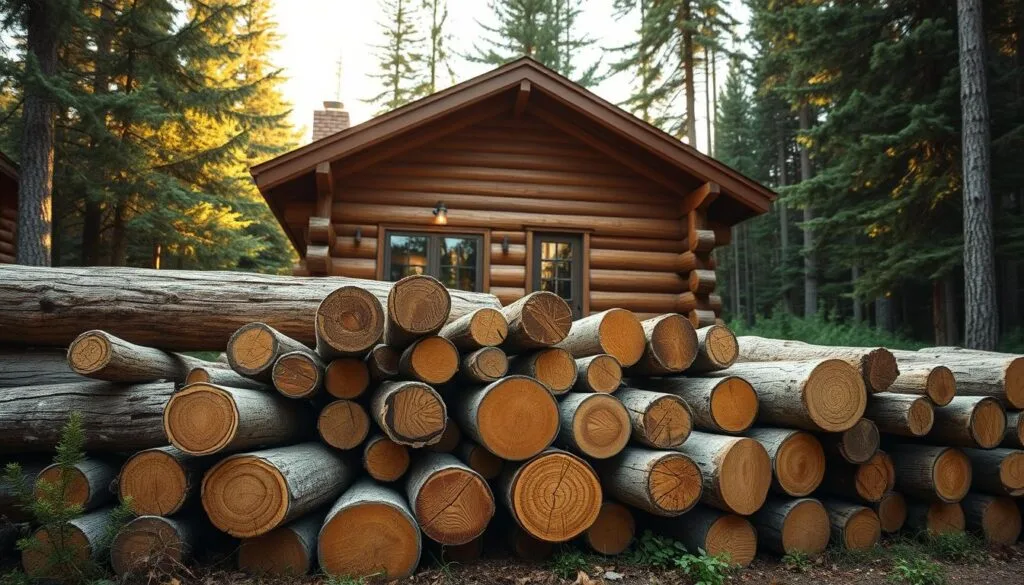
This table shows the key differences between two popular wood choices for your project.
| Feature | Pine | Cedar |
|---|---|---|
| Initial Price | More Affordable | Premium Cost |
| Durability | Good | Excellent |
| Maintenance Needs | Higher | Lower |
| Long-Term Value | Standard | High |
Outdoor Living Features and Maintenance Requirements
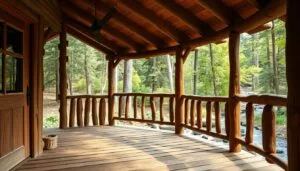
Dreams of a wraparound porch or a deck add to the final tally. These features enhance living but require their own budget line.
After construction, ongoing upkeep is essential. The roof and exterior logs need periodic inspection and care.
Re-staining the timber every few years protects your investment. Proper care from the beginning saves money over the life of your home.
Exploring Cabin Construction Options: Log Cabins, Kits, and Modular Designs
Modern cabin seekers have several distinct paths to bring their vision to life. You can choose traditional on-site construction, assemble a kit yourself, or opt for a prefabricated modular design.
Each option offers a different balance of initial price, time investment, and required skill.
Pros and Cons of Log Cabin Kits
Log cabin kits appear very attractive at first glance. The initial price for materials can be around $80,000.
However, this price tag is just the beginning. The Log Home Builders Association states the final expense is often three times the kit’s price.
Cabin kits typically include only the raw logs and basic structural components. You must supply and pay for everything else.
| Included in Most Kits | Not Included (Extra Costs) |
|---|---|
| Pre-cut logs for walls | Foundation and floor system |
| Basic roof framing | Windows, doors, and roofing |
| Assembly manual | Plumbing, electrical, and insulation |
| Interior finishes and appliances |
The assembly process is a major commitment. It can take over three months just for the shell.
You also need significant DIY skills or a budget to hire professionals. This can eliminate the perceived savings.
Benefits of Modular Log Cabins for Faster Assembly
Modular log cabins present a compelling alternative. These units are constructed entirely in a controlled factory setting.
They arrive on your site in large, finished sections. Skilled crews then seal them together.
The interior is complete upon arrival. This includes flooring, cabinets, and fixtures. Your retreat can be ready for use in as little as two weeks.
This method avoids weather delays and ensures high quality. The overall process is often more affordable than a kit when all factors are considered.
For most people, modular designs offer superior value, convenience, and a much smoother experience.
Planning and Managing Your Cabin Budget Effectively
A well-structured financial plan is the foundation for successfully completing your timber home. Smart money management from the start prevents stressful surprises later.
Cost-Saving Strategies and Financial Planning Tips
Begin by creating a detailed spreadsheet that tracks every expense. Include categories like site preparation, foundation work, and interior finishes.
Always add a 20-30% contingency fund to your initial estimates. This cushion covers unexpected issues without stopping work.
| Budget Category | Typical Allocation | Key Considerations |
|---|---|---|
| Site Preparation | 10-15% | Clearing, grading, utility connections |
| Foundation & Structure | 25-30% | Most critical for long-term stability |
| Interior Systems | 20-25% | Electrical, plumbing, HVAC installation |
| Finishes & Landscaping | 15-20% | Where most flexibility exists for savings |
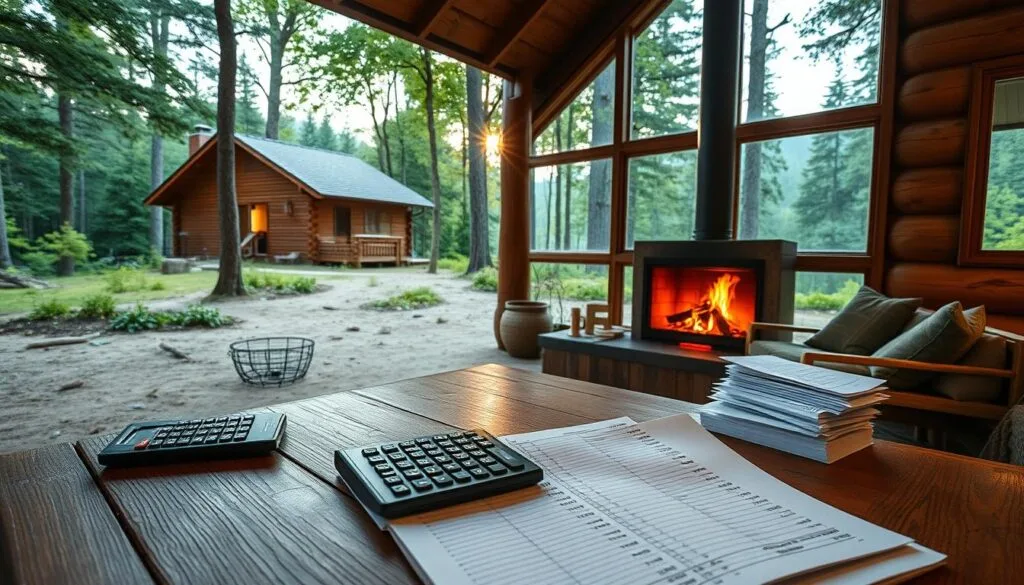
Explore financing options like construction loans or home equity lines. Get multiple quotes from different builders to compare pricing.
Purchase materials during off-season sales for better deals. Consider mid-range options for non-essential elements to control your total cost.
Investing in quality log materials upfront reduces long-term maintenance. This approach makes your dream retreat more affordable over time.
Real-Life Cabin Building Experiences and Cost Insights
Actual construction stories from real builders reveal the true financial landscape of log home projects. These documented journeys provide authentic perspectives on what creating your wilderness retreat truly entails.
Budget Breakdowns and Personal Construction Stories
Real forum members share detailed accounts of their investments. MtnDon constructed a 470 sq ft retreat for $21,600, achieving approximately $60 per square foot.
Other builders show remarkable variety in their approaches. Just created an ultra-minimalist shelter for only $2,000 with rainwater collection and solar power.
| Builder | Structure Size | Total Investment | Key Features |
|---|---|---|---|
| toyota_mdt_tech | 16×18 footprint | $14,000 | All quality materials, no shortcuts |
| MJW | 640 sq ft + loft | $45-50k | Well, outbuildings, wrap-around deck |
| missouriboy | 12×24 finished | $11,700 | DIY cabinets, electric, insulation |
| luther | 20×20 with loft | $30,000 | Land prep, driveway, bunkhouse |
Lessons Learned from DIY Cabin Builders
These experiences highlight that financial outlay varies dramatically depending on size and features. Most builders found their investment worthwhile despite exceeding initial estimates.
The dream of ownership and family memories created over the years proved more valuable than strict financial calculations. Proper planning and realistic expectations lead to successful projects.
Wrapping Up Your Cabin Construction Journey
Creating your wilderness retreat represents a significant investment that demands thorough preparation and realistic expectations. The journey from planning to completion involves many steps, each requiring careful consideration.
Success comes from understanding the full scope of your project. Getting detailed quotes from experienced builders like Gingrich Builders, with over 40 years in log home construction, ensures transparency throughout the process. Their approach emphasizes honest communication without surprise markups.
Regular care and maintenance protect your investment for years to come. Thousands achieve their dream of log home ownership annually through proper planning and quality materials. Take the next step by consulting professionals who can guide your specific vision to reality.