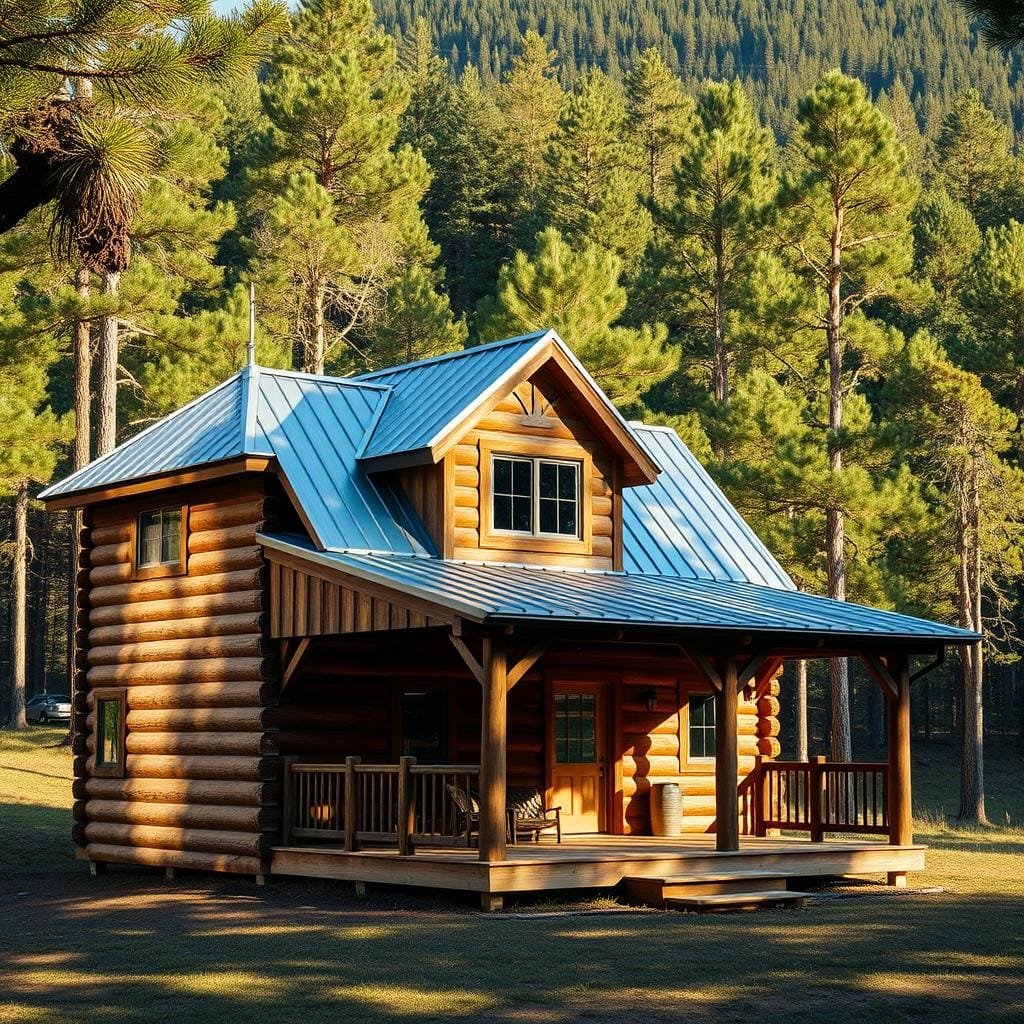

That’s the big question for many homeowners looking to add extra space. The short answer is a resounding yes. Modern factory-built structures offer impressive strength and longevity.
These versatile buildings are popping up in backyards everywhere. They serve as cozy guest houses, quiet home offices, or peaceful retreats. Because they’re a significant investment, their toughness is a top priority for buyers.
People often wonder how these modern construction methods stack up against traditional homes. Concerns about weather, structural integrity, and how long they last are common. We’re here to clear up the confusion.
This article will give you a balanced look at the pros and cons. We’ll use real-world data to separate fact from fiction. You’ll learn what truly makes a structure last for decades.
Key factors like material quality, building standards, and proper setup all play a huge role. Understanding this helps you create a valuable, functional space that enhances your property for years.
Understanding Prefab Cabins and Their Durability
Modern construction methods have revolutionized how people approach adding functional spaces to their properties. These factory-built structures represent a significant shift from conventional building practices.
Definition and Core Components
Manufactured housing involves creating structures in a controlled factory setting. Components get built to precise specifications before transportation to your site.
The main elements include structural framing, wall panels, and roofing systems. Foundation elements complete the package. Understanding these parts helps you see what makes these houses solid.
| Component | Factory-Built Advantage | Traditional Construction |
|---|---|---|
| Wall Panels | Precision-cut in controlled environment | On-site cutting with weather variables |
| Structural Framing | Engineered consistency | Potential human error variations |
| Quality Control | Continuous inspection during manufacturing | Periodic site inspections only |
The Evolution from Traditional to Factory-Built Homes
Early manufactured structures were simple and basic. Today’s factory production creates sophisticated living spaces.
These houses now meet or exceed the same building standards as conventional ones. Improved materials and techniques ensure long-term performance. The industry has matured significantly over time.
Terms like “modular” and “panelized” describe different approaches. Knowing this terminology helps you choose the right option for your needs.
The Controlled Factory Environment and Quality Control
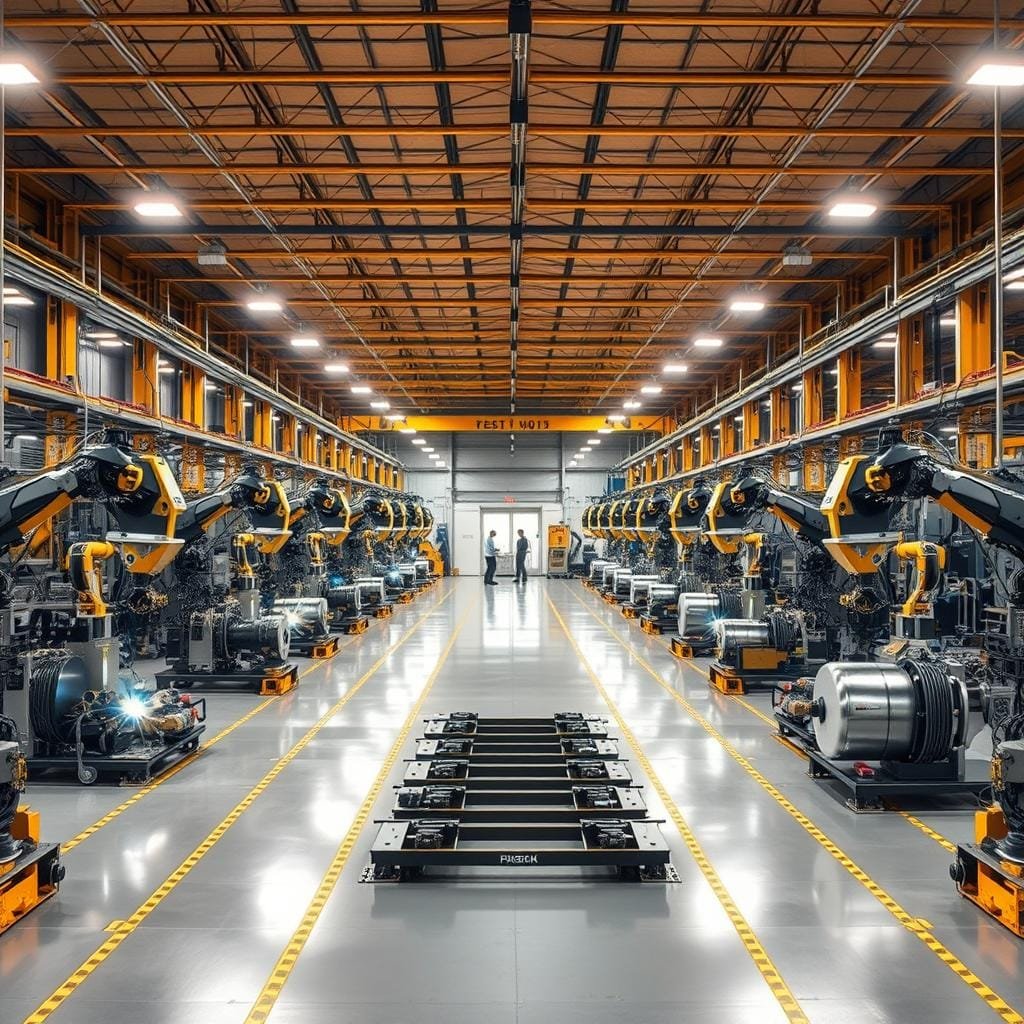
The biggest advantage of modern building lies in the environment itself. Unlike traditional sites exposed to the elements, factory production happens indoors. This controlled factory setting is a game-changer for long-term strength.
Precision in Manufacturing Processes
Inside the plant, computer-guided machines cut lumber and panels. This precision ensures every piece fits together perfectly. The entire process minimizes waste and creates tighter, stronger joints.
Critical framing members get pre-drilled and fastened with screws. This method creates connections that withstand stress far better than basic nail-on-site techniques. The result is a remarkably solid structure.
Enhanced Material Performance and Standards
Stable indoor conditions allow adhesives and sealants to cure correctly. There are no surprises from rain or heat to ruin the quality of the seal. Materials perform as intended.
Constant oversight by supervisors ensures high standards are met at every stage. This level of control catches small issues before they become big problems. You get a consistently well-built unit.
are prefab cabins durable: Pros and Cons Analysis
Factory construction methods present a unique set of advantages and considerations for property owners. This balanced look helps you make an informed decision about your investment.
Key Advantages of Prefab Construction
The speed of factory building stands out as a major benefit. These structures can be ready in weeks instead of months.
Cost savings come from efficient factory processes and bulk material purchases. You get consistent quality control throughout manufacturing.
Environmental efficiency is another plus. Factory production generates less waste than traditional building methods.
Potential Drawbacks and Considerations
Transportation expenses can add to your total investment. Distance from the manufacturing plant affects this cost.
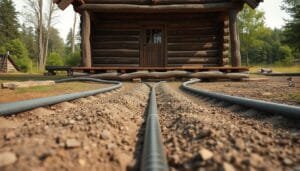
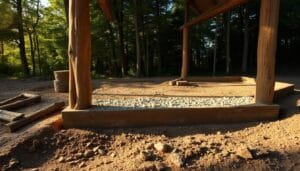
Proper site preparation is essential for successful installation. Your property needs level ground and possibly foundation work.
Some lenders approach financing for these houses differently than traditional homes. This is improving as factory-built options gain popularity.
When considering weather resilience, modern factory-built structures perform well. Your priorities around speed, budget, and customization will guide your choice.
Building Codes, Safety Standards, and Environmental Resilience
The true test of any construction comes from meeting rigorous safety protocols and environmental challenges. Quality factory-built structures must adhere to the same strict building codes as traditional construction methods.
Reputable manufacturers design their products to exceed the most demanding regulations across different regions. This ensures your investment remains secure through various weather conditions.
Compliance with Local Building Codes and Seismic Requirements
In areas with high earthquake risk, these buildings incorporate flexible joints and reinforced connections. The design allows the structure to move with ground motion rather than fight it rigidly.
This flexibility reduces the risk of catastrophic failure during seismic events. For regions prone to high winds or hurricanes, engineered connections and reinforced roofing systems provide exceptional stability.
Modern construction also prioritizes fire safety through specialized materials. Fire-rated drywall and flame-retardant insulation help slow flame spread, providing crucial evacuation time.
The insulation serves dual purposes—maintaining comfort while acting as a protective barrier. When considering modular home safety, always verify manufacturer certifications meet local standards.
Comparing Prefab Cabins to Traditional and Mobile Homes
When comparing different housing options, many people wonder how factory-built structures truly measure up. Understanding the differences helps you make a smart choice for your property.
Quality factory-built houses often outperform conventional stick-built ones. The controlled manufacturing process ensures consistent standards that site-built methods struggle to match.
Durability Comparison with Traditional Construction
Traditional building relies on multiple subcontractors working independently. This can lead to quality variations and rushed work.
Weather delays expose materials to moisture before proper sealing. These houses must be engineered to survive transportation and crane installation, building in structural strength from day one.
Reputable manufacturers create products that match or exceed conventional home longevity. Modern construction methods eliminate many inconsistencies found in site-built projects.
Limitations of Mobile Manufactured Alternatives
Mobile manufactured houses represent a completely different product category. They’re built on lightweight frames with wheels for transportation.
This design makes them vulnerable to high winds and seismic events. Thinner materials and lack of permanent foundations reduce their long-term performance.
Unlike permanent foundation-anchored options, these mobile units prioritize mobility over durability. Choosing the right builder matters enormously for getting a reliable finished home.
Innovative Designs and Customization Options for Modern Living
The evolution of manufactured housing has unlocked creative possibilities for property enhancement. These structures now serve multiple purposes beyond basic shelter.

Versatility from Home Offices to Guest Houses
Backyard offices provide quiet workspaces with proper insulation and electrical systems. Large windows offer natural light for productivity.
Creative studios cater to artists and musicians with specialized features. Ventilation systems handle fumes while acoustic panels control sound.
Guest houses function as comfortable private retreats. They include plumbing, sleeping areas, and bathroom facilities.
Current trends emphasize sustainable materials and sleek aesthetics. Smart technology integrates lighting and climate control systems.
Multiple models range from compact single-room designs to lofted structures. Deluxe options feature premium finishes for enhanced comfort.
These flexible spaces adapt to changing needs throughout the year. Quality construction ensures reliable performance in various climates.
Final Thoughts on Prefab Cabin Durability and Your Investment
Ultimately, the value of your addition hinges on its ability to stand the test of time. The clear answer is that modern factory-built homes offer exceptional quality and longevity when properly sourced and installed.
Key factors like the controlled factory environment, precision building process, and adherence to codes for wind and fire safety ensure these structures perform well. Their maintenance needs mirror those of traditional houses—simple, regular upkeep.
This makes them a solid long-term investment. They add functional space that enhances your property’s appeal. For a deeper dive into planning your project, explore our ultimate backyard transformation guide.
Your peace of mind comes from choosing a reputable manufacturer and preparing your site correctly. With careful selection, your new space will be a valuable, lasting part of your home.