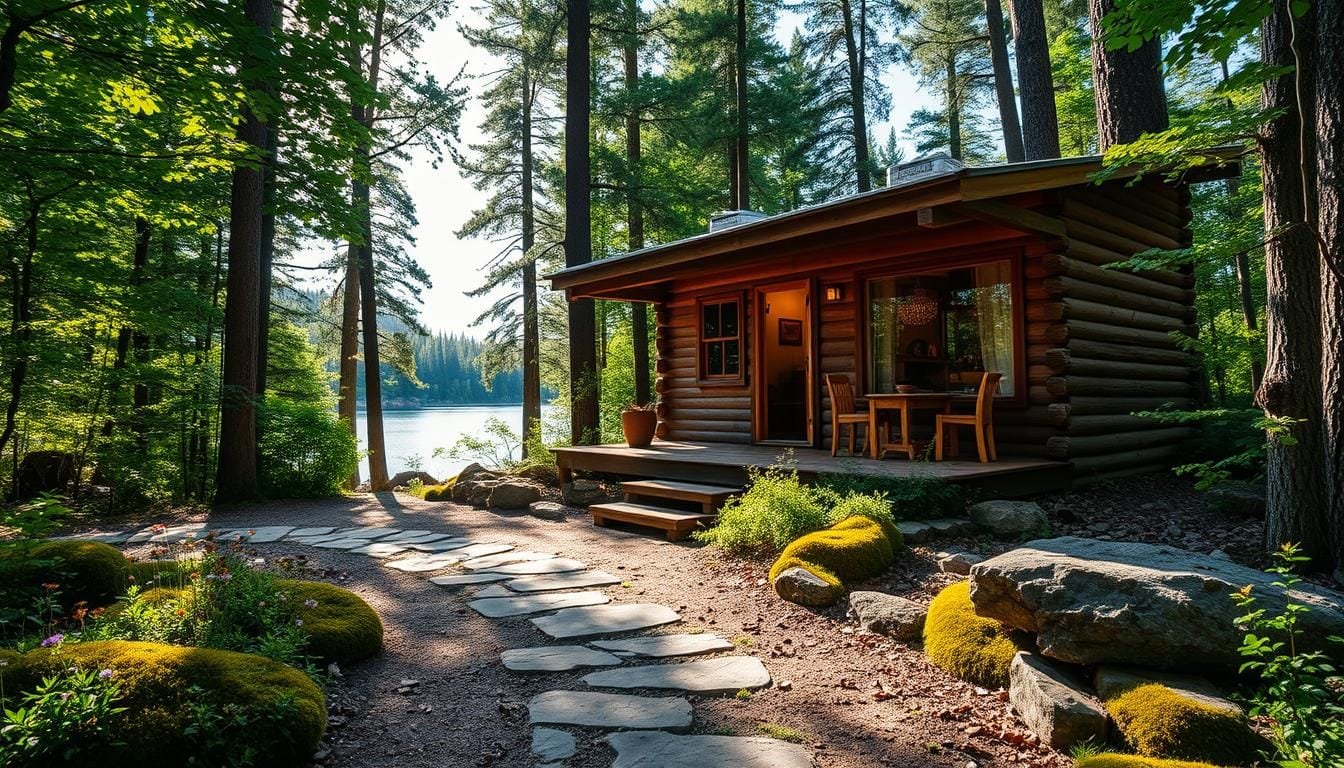

Imagine a life powered by the sun, surrounded by quiet forests or open skies. This is the dream of off-grid cabin living. It’s a lifestyle choice gaining popularity for its blend of self-reliance and environmental care.
This way of life means a complete break from public utilities. You generate your own power and manage your resources. It’s a fundamental shift from how most people live today.
Choosing this path is a big decision. It offers incredible freedom but also presents real challenges. Our guide gives you an honest look at both sides.
We will explore what it takes to succeed. This includes setting up renewable energy systems and learning new skills. A comprehensive resource can provide deeper insights into this transformation.
This lifestyle isn’t for everyone, but for those it suits, the rewards are immense. Let’s dive into the realities of this unique way of life.
Understanding the Essentials of Off-Grid Cabin Living
The foundation of a successful remote homestead lies in managing three critical resources: water, energy, and food. Mastering these systems is the first step toward genuine independence.
Defining Off-Grid Cabin Living and Its Appeal
This lifestyle means complete separation from municipal utilities. You become the master of your own power supply, water source, and waste management.
The core appeal is freedom. You gain control over your basic resources, escaping unpredictable bills. There is deep satisfaction in understanding how your home functions.
Sustainable Energy and Water Management Basics
A reliable water supply is non-negotiable. Rain catchment systems use gutters on roofs to direct rainfall into large storage tanks. This water is then filtered for safe home consumption.
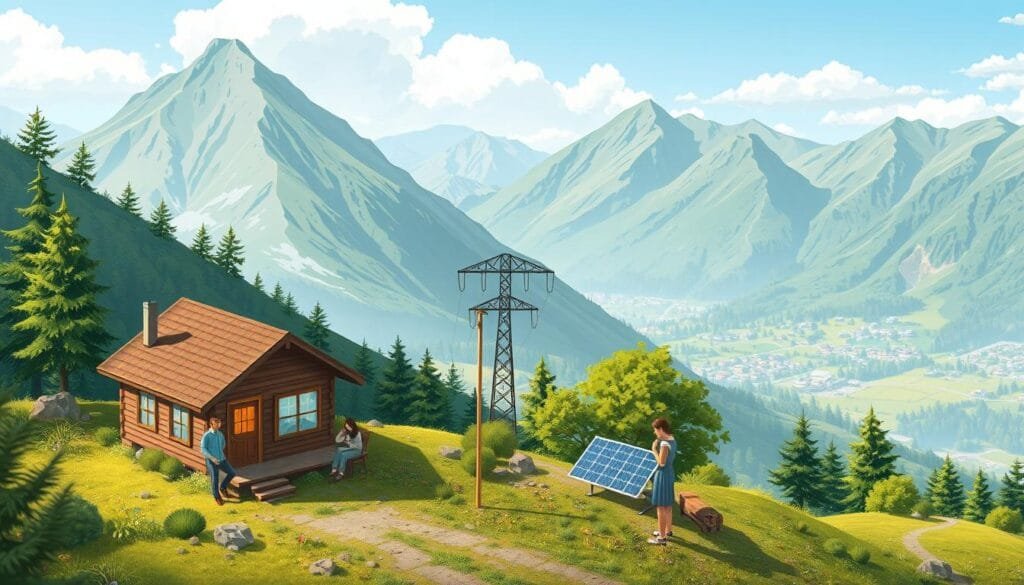
For power, a renewable energy system is essential. Solar panels are a popular choice, often paired with battery banks. This setup provides electricity for lights, appliances, and devices.
Food production reduces reliance on distant stores. A garden provides fresh produce. Even water from sinks can be recycled through gray water systems to nourish plants.
| Resource | Primary System | Key Components | Management Consideration |
|---|---|---|---|
| Water | Rain Catchment | Gutters, Storage Tanks, Filters | Storage capacity for dry seasons |
| Energy | Solar Power | Panels, Batteries, Inverter | Backup options for low-sun days |
| Food | Home Gardening | Garden Beds, Compost, Livestock | Land suitability and seasonal planning |
Examining the Benefits and Drawbacks of Off-Grid Living
Moving away from public utilities requires careful consideration of both the rewards and demands involved. This lifestyle choice significantly impacts finances, daily routines, and social connections.
Economic Savings and Environmental Advantages
While setup costs are substantial, you eliminate monthly utility bills permanently. Battery systems account for 30-40% of initial expenses but provide long-term electricity independence.
Environmental advantages include reduced carbon footprint. Using renewable energy and growing your own food minimizes household emissions.
Challenges of Self-Sufficiency and Maintenance
The cons include significant upfront investment and ongoing maintenance. Systems can fail, leaving you without power or water until repairs are complete.
Isolation from community services is another consideration. Daily tasks require a lot of work and specialized skills.
| Aspect | Positive Factors | Challenges | Long-Term Impact |
|---|---|---|---|
| Financial | No utility bills | High initial cost | Savings over time |
| Environmental | Renewable energy use | System maintenance | Reduced emissions |
| Lifestyle | Complete independence | Isolation concerns | Self-sufficiency skills |
Evaluating these pros and cons helps determine if this path suits your priorities and capabilities.
Key Considerations in Setting Up Your Off-Grid Home
Building your independent home requires smart planning for your core systems. The choices you make now will define your daily comfort and self-reliance for years to come.
Choosing the Right Energy Systems: Solar Panels, Wind, and Backup Options
Your power supply is the heart of your home. An off-grid system relies on battery banks to store electricity from solar panels.
This setup is different from grid-tied systems. You must size your battery storage based on your energy consumption. This sets a hard limit on available power.
Backup options are crucial. A gas generator provides reliable electricity but is noisy. Wind power can offer another renewable energy source.
Practical Solutions for Water Collection and Waste Disposal
A reliable water supply is essential. Rain catchment systems with large storage tanks ensure you have access even in dry seasons.
For waste, composting toilets save water and produce useful compost. They need regular upkeep. A traditional septic system is another option.
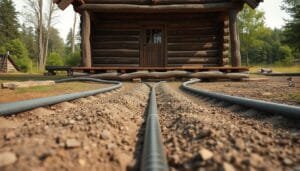
Gray water from sinks can be recycled. It nourishes gardens through underground pipes. This technology makes the most of your limited source.
Final Reflections on Embracing the Off-Grid Lifestyle
Choosing this path offers a unique education in resource management and personal resilience. You develop what some call “system vision”—seeing how water, power, and food connect in your daily life.
The biggest hurdle is starting. You face your own knowledge gaps about essential systems. But solving problems becomes necessary, building real confidence.
This way of living isn’t better or worse than conventional life. It has distinct trade-offs. The pros include deep self-reliance. The cons involve significant responsibility.
Many find new community connections with fellow homesteaders. For remote properties, it’s often the only practical case.
Honest self-assessment is crucial before committing. Start small with solar panels or a garden. Test your interest in this transformative life.