
Welcome to your complete guide to finding and setting up reliable hydration for your homestead or self-sufficient property. We will explore proven methods that thousands of people rely on every day.
Living independently doesn’t mean giving up access to clean, dependable water. With the right planning and systems, you can achieve a level of water independence that often surpasses traditional municipal supplies.
This article walks you through the main options, from drilling a well and harvesting rain to tapping into natural springs. You’ll find real-world examples, cost breakdowns, and practical installation advice.
Whether you’re just starting out or upgrading an existing setup, you’ll learn how to source, treat, store, and distribute your supply efficiently all year long. For a deeper dive, check out this complete guide to off-grid water systems.
We will cover the advantages and challenges of each method. You’ll also learn how to calculate your household’s needs and design a setup that works reliably, even during dry spells.
By the end of this guide, you’ll have the knowledge to make smart choices for your specific location, climate, and budget. Your journey to sustainable living starts right here.
Introduction to Off-Grid Water Systems
Creating a self-reliant hydration network involves mastering three fundamental building blocks. These independent setups mirror municipal operations but serve single properties.
The core components work together seamlessly. You need a collection method, purification process, and delivery mechanism.
Understanding Self-Sufficiency Benefits
Independent hydration gives you complete control over quality and availability. You avoid utility bills and drought restrictions.
This autonomy provides peace of mind during emergencies. Your family maintains access regardless of external circumstances.
Overview of Off-Grid Water Challenges
These setups require significant upfront investment and ongoing maintenance. You must understand testing protocols and treatment methods.
Seasonal variations and equipment failures present additional hurdles. Local regulations may govern collection and usage too.
| Component | Primary Function | Common Examples |
|---|---|---|
| Source | Collects raw hydration | Wells, springs, rainwater |
| Treatment | Removes contaminants | Filters, UV lights, chemicals |
| Distribution | Delivers to points of use | Pumps, pipes, pressure tanks |
Careful planning helps overcome these obstacles. Designing with redundancy ensures continuous access during dry spells or breakdowns.
The Importance of Reliable Water Supply Off-Grid
Before you even break ground on your home, your primary focus must be securing a dependable hydration solution. A failed system can halt your entire project.
Think of your water supply as the bedrock of your independence. Everything else builds upon it.
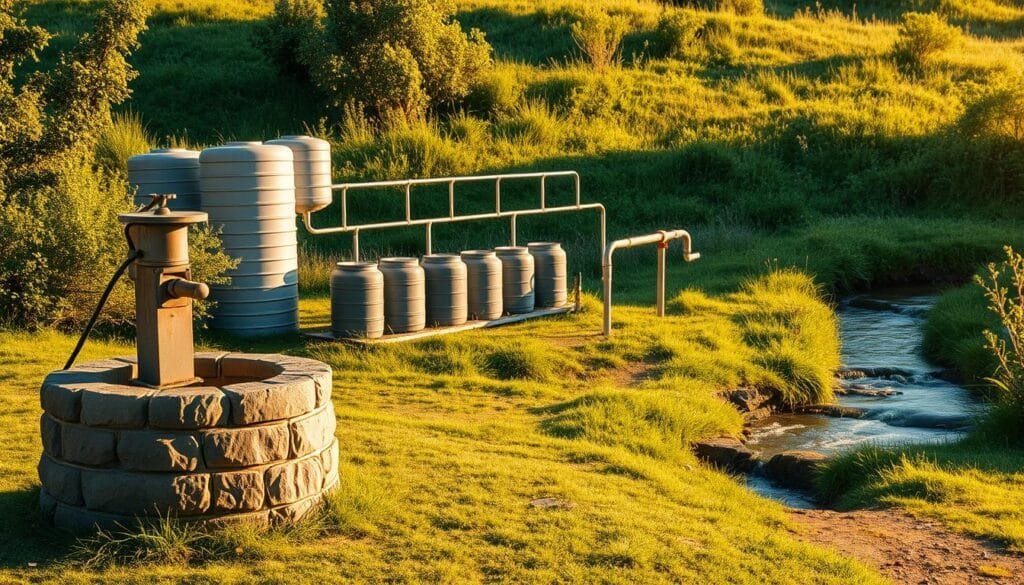
Impact on Daily Living and Sustainability
Your day-to-day life revolves around this essential resource. Cooking, cleaning, and personal hygiene all demand consistent access.
Proper planning is crucial. The average person can use 50 to 100 gallons daily. A family of four needs a robust plan for hundreds of gallons.
This directly affects your sustainability goals. A shortfall means hauling in external supply, defeating the purpose of self-reliance.
Contamination poses serious health risks. Understanding treatment is as vital as finding the source itself.
Matching your consumption to what your land can provide ensures long-term success. Plan for the driest seasons your area experiences.
Exploring Natural Water Sources for Off-Grid Living
Different properties offer unique opportunities for collecting this essential resource naturally. The right choice depends heavily on your location’s geography and climate patterns.
Several types of natural collection methods exist. Each has distinct advantages for self-sufficient living.
Wells access underground aquifers for consistent supply year-round. They require drilling equipment and pumping power but provide reliability.
Natural springs bring groundwater to the surface without mechanical assistance. They offer pre-filtered hydration, though flow rates can vary seasonally.
Surface collection from streams or lakes works well with flowing water access. Rain harvesting complements other methods, especially in wetter regions.
| Collection Method | Primary Advantage | Key Consideration | Ideal Location |
|---|---|---|---|
| Well Systems | Year-round consistency | Requires drilling and power | Areas with stable aquifers |
| Natural Springs | No pumping needed | Seasonal flow variations | Mountainous or hilly terrain |
| Surface Collection | Immediate access | Higher contamination risk | Properties with flowing water |
| Rain Harvesting | Free supply source | Climate dependent | Regions with regular rainfall |
Many homesteads combine multiple water source options for redundancy. This approach ensures continuous access during dry spells or equipment issues.
Always monitor your chosen source through all seasons before committing. Testing quality is essential before designing your treatment system.
Deep Dive into Well Water Systems
Well installations represent a significant investment that can deliver decades of reliable service when properly planned. These systems tap into underground aquifers, providing consistent access to this essential resource.
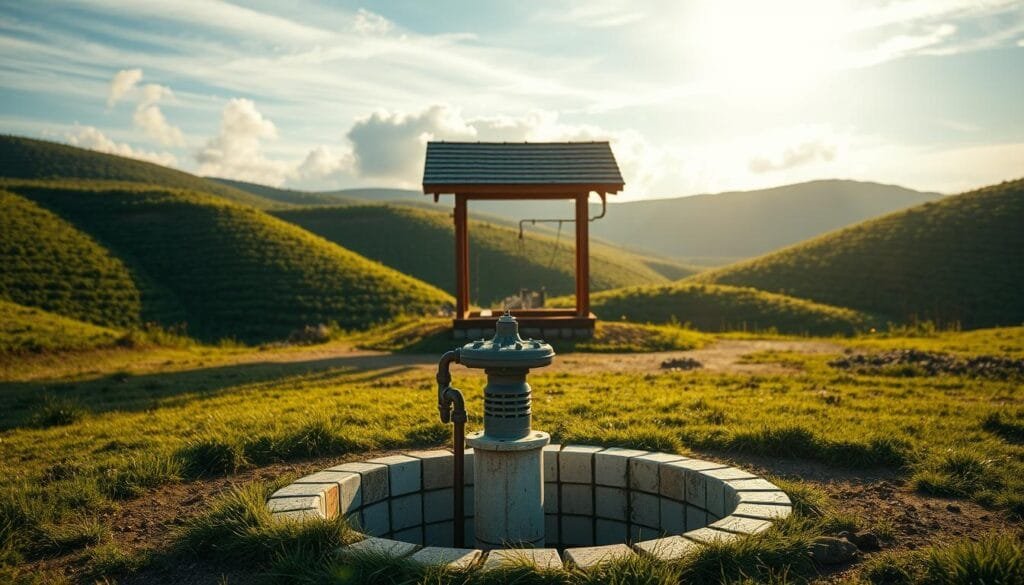
A well water system accesses groundwater through drilled shafts. This approach offers remarkable consistency for independent living.
Shallow Versus Deep Well Options
Shallow wells extend less than 100 feet deep. They work well where the water table sits close to the surface.
These installations are more affordable but vulnerable to drought. Deep wells reach 150 feet or more into stable groundwater reserves.
They maintain consistent flow during dry periods. However, they require more powerful pumps and higher drilling costs.
Hand Pump Versus Electric Selection
Hand pump wells operate without electricity. They use manual mechanisms like pitcher or diaphragm pumps.
This makes them perfect for true independence. Electric pumps provide convenient pressurized hydration throughout your home.
They need consistent power, often from solar panels. Many homesteaders install both for redundancy.
The average drilling costs for a 150-foot water well run around $5,500. Complete system installation totals approximately $9,700.
Always research local aquifer data before drilling. Proper planning ensures your supply meets household needs reliably.
Advantages and Considerations of Natural Springs
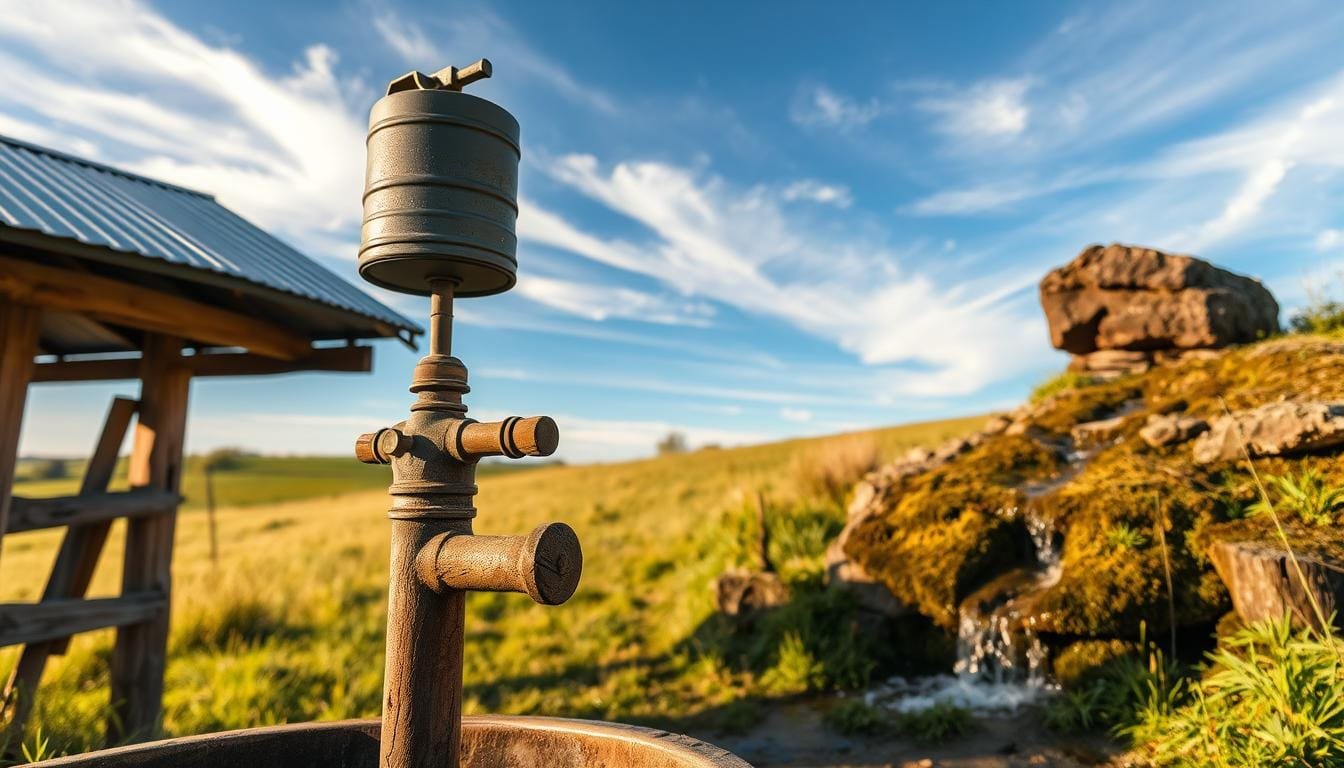
When nature provides your hydration through springs, you gain access to one of the most sustainable collection methods available. Springs bring groundwater to the surface using natural geological pressure, eliminating the need for pumping equipment.
A steady spring can serve as your primary water source, delivering naturally filtered hydration that has passed through layers of rock and soil. This geological purification often results in cleaner water than surface collection provides.
The main challenge involves seasonal flow variations. Many springs run strong in spring and early summer but diminish during late summer and fall. Monitoring the flow rate through an entire annual cycle is essential before committing to this source.
If your spring sits uphill from your home, you can create a gravity-fed system requiring zero energy. This makes it an incredibly sustainable water supply option. Many people develop springs by digging a collection box and running supply lines downhill.
Even if a spring cannot serve as your sole water source, it makes an excellent supplement to other systems. For real-world examples, check out this discussion about buying a house with a spring-fed.
Always test spring water quality, as geological formations affect mineral content. Proper development ensures reliable access to this valuable natural source.
Rainwater Harvesting and Collection Techniques
Your roof becomes a powerful collection tool when you implement rainwater harvesting techniques. This approach captures precipitation directly from your catchment area, providing a sustainable supply that complements other methods.
A basic setup includes gutters, downspouts, and storage containers. The first rainfall typically carries debris from your roofing materials, so first flush diverters are essential for water quality.
Roof Catchments, Gutters, and First Flush Systems
Metal or tile roofs work best for collection since they don’t leach chemicals. Keep gutters clean to prevent contamination from entering your tank.
First flush systems automatically divert the initial flow away from storage. This simple mechanism removes dust, pollen, and bird droppings that accumulate between storms.
Comparing Rain Barrels and Cistern Solutions
Rain barrels offer an affordable starting point for collection. These containers typically hold 50-200 gallons each, making them perfect for garden use or limited household needs.
Cisterns provide serious storage capacity for entire households. These large tanks can hold thousands of gallons, allowing you to save rainfall from wet seasons for drier periods.
Above-ground installation simplifies maintenance and enables gravity-fed distribution. Below-ground placement prevents freezing and reduces evaporation in warmer climates.
Designing a Comprehensive Off-Grid Water System
A truly resilient hydration setup for independent living relies on three interconnected pillars working in harmony. Getting the design right means your household enjoys a steady, clean supply through all seasons.
Think of these parts as a chain. Each link must be strong for the entire system to function reliably. A failure in one area can disrupt your entire way of life.
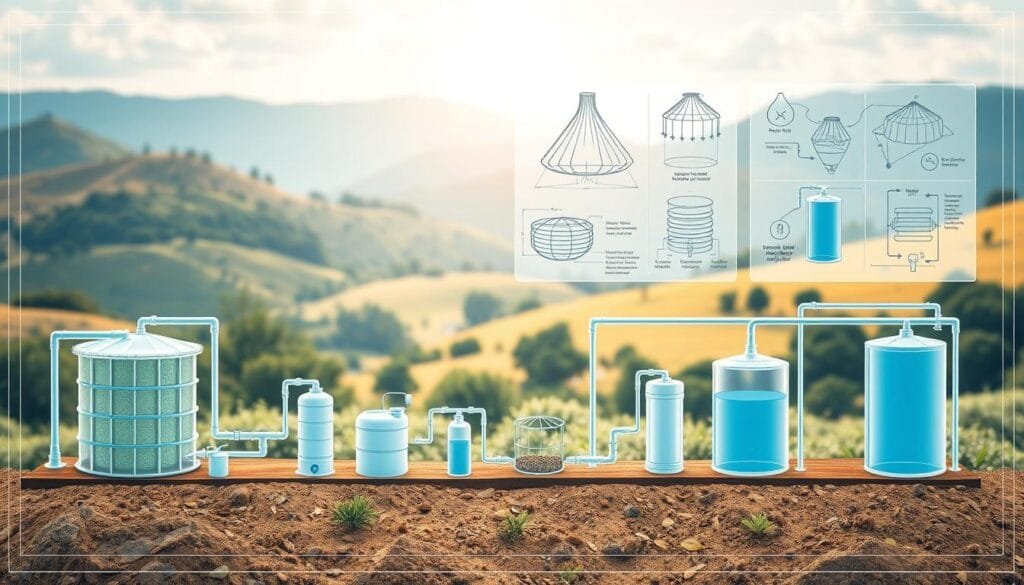
Key Components: Sourcing, Treatment, and Distribution
The first step is finding your supply. This could be a well, a spring, or collected rainwater. A good design often includes a backup source for security.
Next, the treatment stage makes the liquid safe. Filtration and disinfection remove harmful particles and pathogens. This is a critical part of any water system.
Finally, distribution brings the clean supply to your taps. This can be done with pumps or through gravity. The way you move it depends on your property’s layout.
| System Component | Core Function | Design Priority |
|---|---|---|
| Sourcing | Collects raw liquid | Reliability & Redundancy |
| Treatment | Purifies for safety | Effectiveness & Maintenance |
| Distribution | Delivers to fixtures | Consistent Pressure & Flow |
Smart planning means sizing your setup for the driest year on record. This ensures you never run short. Building extra capacity into each component protects you from unexpected problems.
The integration of these three parts determines the success of your off-grid water system. A well-designed setup provides peace of mind for years to come.
Water Treatment and Purification Methods Off-Grid
Turning raw water into safe drinking water requires a multi-stage purification process that addresses different types of contaminants. Each stage tackles specific threats to ensure your family’s health and safety.
A proper treatment system typically follows three main steps. This approach removes physical particles, eliminates harmful microorganisms, and addresses chemical concerns.
Basic Purification Steps
Sedimentation is the first natural step. Heavy particles settle to the bottom when water sits undisturbed.
Filtration comes next using physical barriers. Carbon or ceramic filters trap smaller contaminants down to microscopic sizes.
Disinfection forms the crucial final step. This kills dangerous bacteria and viruses through boiling, chemicals, or UV light.
Advanced Filtration and UV Disinfection Options
Reverse osmosis systems provide exceptional purity. They force water through special membranes that remove salts and heavy metals.
UV purification offers chemical-free disinfection. Ultraviolet light destroys microorganisms’ DNA without altering water taste.
Carbon filtration improves taste and odor while capturing organic chemicals. Many systems combine multiple technologies for comprehensive protection.
Gravity-fed filters work without electricity, making them ideal for power-limited situations. Always maintain backup purification methods for emergency situations.
Off-Grid Water Storage Solutions
Choosing the right containment solution bridges the gap between collection and consumption in your self-sufficient setup. Your reservoir system ensures continuous access during dry periods or equipment maintenance.
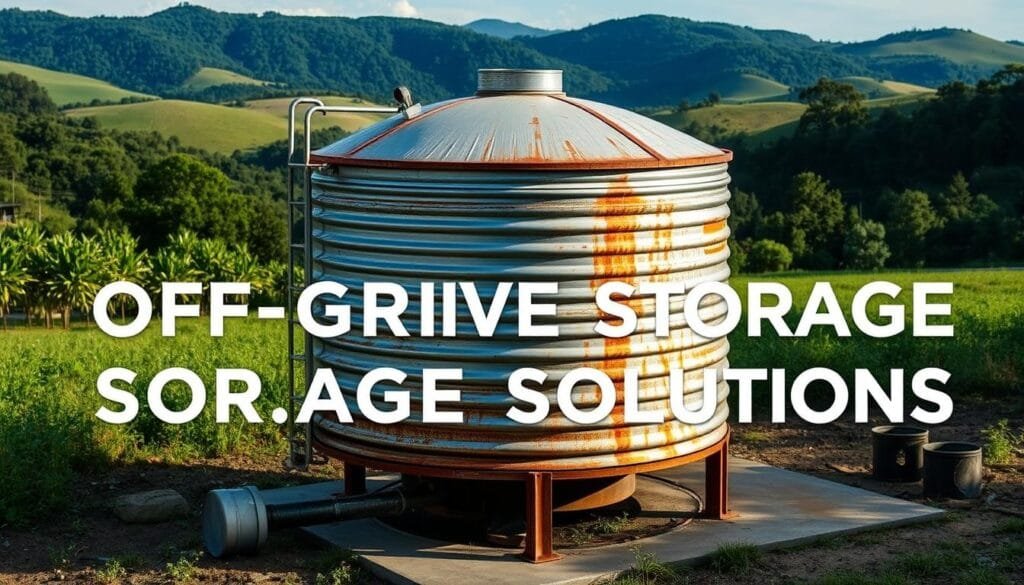
Tanks, Underground Storage, and Maintenance Considerations
Storage containers come in various materials to suit different needs. Plastic options like polyethylene offer excellent durability and affordability. Steel and concrete cisterns provide long-term solutions for larger properties.
Above-ground installations simplify access for cleaning and repairs. These setups require UV-resistant materials to prevent algae growth. They also need protection from freezing temperatures in colder regions.
Buried reservoirs maintain consistent cool temperatures naturally. This inhibits bacterial growth and eliminates evaporation losses. Underground placement also conserves valuable yard space.
| Storage Type | Primary Advantage | Key Consideration | Ideal Capacity |
|---|---|---|---|
| Above-Ground Tank | Easy maintenance access | Requires weather protection | 500-5,000 gallons |
| Underground Cistern | Temperature stability | Complex installation | 1,000-10,000+ gallons |
| Multiple Small Tanks | System redundancy | More connections needed | 250-1,000 gallons each |
Calculate your tank size based on daily usage and backup needs. Most households target 7-30 days of reserve capacity. Regular maintenance prevents sediment buildup and ensures water quality.
Consider using several smaller containers instead of one large unit. This approach provides backup if one tank requires service. It also allows separating different quality supplies for various uses.
Powering Your Off-Grid Water System
Finding the right energy solution for your property’s hydration needs is a critical decision. The way you power your setup affects both daily convenience and long-term sustainability.
Electric pumps deliver strong pressure but require consistent electricity. This can be challenging when living independently from utility grids.
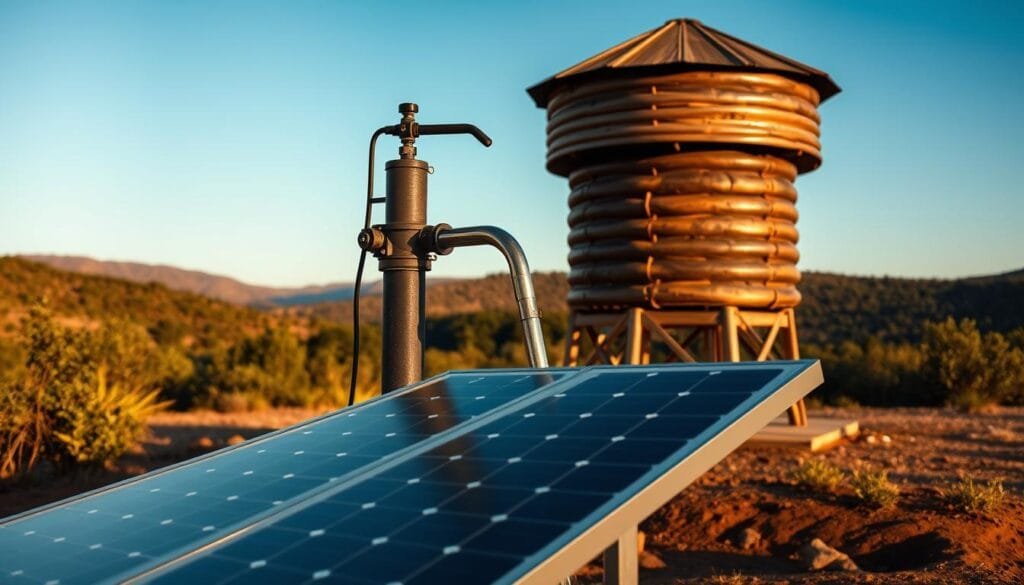
Solar-Powered Pumping Versus Alternative Options
Solar pumps have become the preferred choice for many homesteads. They operate on free, renewable energy with minimal maintenance requirements.
These systems work especially well because peak water use often coincides with maximum sunlight hours. You get the strongest flow when you need it most.
Battery backups extend operation into nighttime or cloudy periods. This addition increases costs but ensures continuous system function.
Gravity-fed setups represent the ultimate in simplicity when your land’s topography allows. Elevated storage tanks enable natural flow without any pumps.
Wind-powered options excel in consistently breezy locations. They can move your supply into storage tanks for later distribution.
Gas generators serve as reliable backups during extended poor weather. They require fuel storage and regular maintenance to ensure readiness.
Each power method offers distinct advantages for different situations. Your local climate and property layout will guide the optimal choice for your needs.
Managing Wastewater and Recycling on Your Homestead
Completing your property’s water loop means giving just as much attention to wastewater as you do to your fresh supply. Proper management protects your land and the local environment.
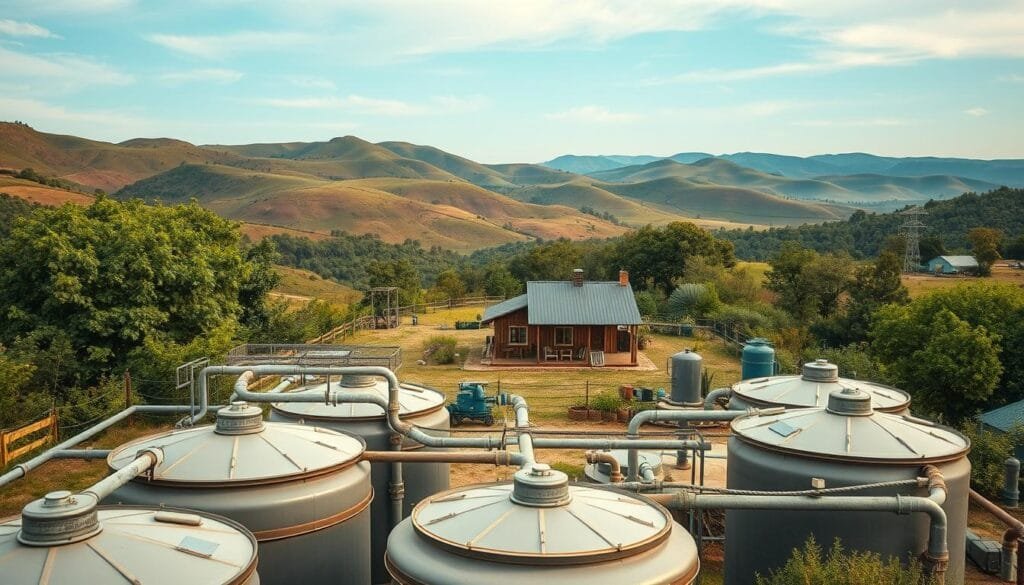
Two main types of wastewater need different approaches. Greywater comes from showers, sinks, and laundry. Blackwater contains sewage from toilets.
Greywater Reuse and Blackwater Treatment Strategies
Greywater systems capture used water for secondary use. You can divert it to irrigate gardens or flush toilets.
Always use biodegradable soaps to keep this water safe for plants. Advanced treatment systems like Aqualoop remove 99.9999% of bacteria.
This makes the water clean enough for toilet flushing. Recycling greywater can cut your fresh water needs significantly.
Blackwater requires careful handling. Composting toilets break down waste without plumbing. They turn it into safe compost.
Septic systems use bacteria to treat waste underground. The treated liquid then goes into a drain field.
Constructed wetlands offer a natural solution. They filter water through plants and gravel.
| Wastewater Type | Primary Source | Common Treatment Method | End Use |
|---|---|---|---|
| Greywater | Showers, Sinks, Laundry | Filtration & Disinfection | Irrigation, Toilet Flushing |
| Blackwater | Toilets | Septic Tank, Composting | Soil Absorption, Compost |
Choosing the right system depends on your household size and local rules. A good plan maximizes every drop you collect.
Customizing Your Water Distribution Network
The final piece of your self-sufficient puzzle involves designing a delivery system that brings treated liquid efficiently throughout your property. This network connects your storage tank to every fixture in your home.
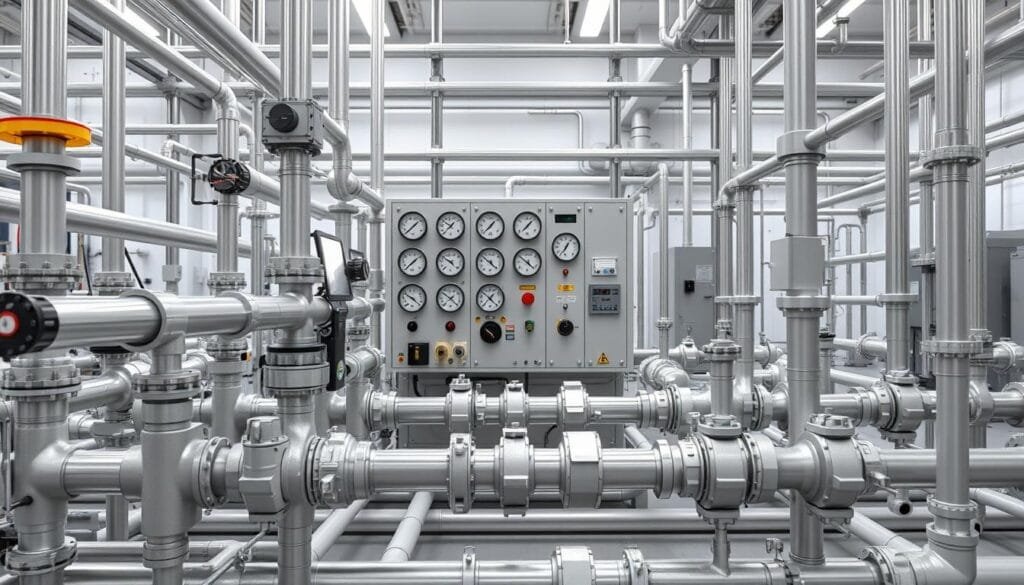
Choosing Pumps, Pipes, and Pressure Systems
Pump selection depends on calculating your flow rate needs. Measured in gallons per minute (GPM), this determines how much liquid can reach multiple fixtures simultaneously.
Head loss occurs as your supply moves through pipes. Pressure drops due to pipe length, diameter, and material roughness. Longer runs and smaller diameters create more resistance.
Choosing the correct pipe diameter is critical. Larger pipes allow longer runs at the same pressure. Undersized pipes create restrictions that leave you with disappointing flow.
Pressure tank systems use compressed air bladders to maintain steady pressure. This allows pumps to cycle on and off rather than running continuously.
Gravity-fed setups work beautifully when your storage tank sits above your highest fixture. This provides natural pressure without any pumping required.
The way you route pipes affects both performance and maintenance. Running lines in accessible locations ensures long-term reliability with minimal problems.
Selecting the Best Off-Grid Water Sources for Your Homestead
Finding the right hydration solution for your land means matching your property’s features with available options. Your local climate and geography play huge roles in this decision-making process.
Areas receiving over 40 inches of annual rainfall might make rainwater collection your primary water source. Drier regions typically require wells or springs, with rainwater as a supplement.
Your household’s specific water needs directly impact which source makes the most sense. A weekend cabin has completely different requirements than a full-time homestead with animals and gardens.
Proper assessment includes checking neighboring well logs and reviewing rainfall data. You’ll want to monitor surface flow through all seasons before committing.
Budget considerations matter greatly too. Rain systems typically cost $2,000-$8,000, while well drilling averages $9,700-$15,000 depending on depth.
Freezing temperatures and drought frequency affect which options work year-round. Many successful properties combine multiple sources for better reliability.
The smart approach starts with your most reliable local option. Then add supplemental collection methods over time as your needs evolve and you learn what works best on your land.
Real-World Examples and Site-Specific Considerations
Seeing how others have successfully implemented independent hydration solutions provides invaluable insights for your own planning. Different regions require unique approaches based on local conditions.
Case Studies and Design Solutions
A southern homestead with 32 inches of annual rainfall designed a clever setup. They use a 6,000-gallon cistern for collection and recycle 20% through greywater treatment.
This provides over 100 gallons daily for outdoor needs. Each person uses about 25 gallons per day indoors.
A midwestern family with 30 inches of rainfall installed a 5,000-gallon tank. They achieve 40% recycling by treating shower and bathroom water.
Even a challenging southern location with only 16 inches of rainfall succeeded. They reached 80% recycling using advanced treatment methods.
| Location | Rainfall | Cistern Size | Daily Use Per Person | Recycling Rate |
|---|---|---|---|---|
| Southern | 32 inches | 6,000 gallons | 25 gallons | 20% |
| Midwestern | 30 inches | 5,000 gallons | 40 gallons | 40% |
| Southern Desert | 16 inches | 5,000 gallons | 60 gallons | 80% |
These examples prove that custom designs work best. Your roof size and local climate determine what’s possible for your situation.
Calculate storage based on your driest year. This ensures your system handles challenging periods successfully.
Budgeting and Long-Term Maintenance of Off-Grid Systems
A clear budget roadmap for your self-sufficient property’s liquid needs protects your investment and peace of mind. Proper financial planning prevents surprises that could disrupt your homestead operations.
Understanding both installation expenses and ongoing upkeep is essential for sustainable living. Complete well installations typically range from $9,700 to $15,000 for a 150-foot setup.
Cost Analysis and Upkeep Recommendations
Rain collection systems offer a more affordable alternative at $2,000-$8,000. While hauling liquid seems cheaper initially at $20 per 10,000 gallons, it becomes expensive over time.
Long-term maintenance requires regular attention from your household. Pump replacements every 10-15 years cost $800-$2,000, while annual filter changes run $100-$400.
Budget approximately 5-10% of your initial system cost yearly for upkeep. These details help you maintain reliable access while eliminating monthly utility bills.
Regular tank inspections and quarterly quality testing prevent expensive failures. Your financial investment pays dividends through complete independence and improved property value.
Final Reflections on Achieving a Self-Sufficient Off-Grid Water Supply
Establishing a reliable water supply on your property transforms your relationship with this essential resource. This achievement represents true independence, giving you control regardless of external conditions.
The groundwater depletion crisis makes these systems essential for future sustainability. California has only 20 years of freshwater left, while New Mexico faces just 10 years at current usage rates.
Your independent system operates on the same principles as municipal water systems. Success comes from choosing appropriate source water for your climate and implementing effective treatment against contaminants.
Different types of solutions work best in different climates. Protecting your supply from contamination ensures clean drinking water that meets household needs.
The details matter tremendously in your area. With proper planning, your system will provide abundant water for all your household requirements while offering true self-sufficiency.