
I love the outdoors and have learned to build smokeless campfires for stealth camping. This lets me stay warm without being seen. A smokeless campfire is key for a great outdoor adventure, like stealth camping.

For stealth camping, a smokeless campfire is a must. Fire bans are common, so knowing how to build one is vital. I’ll show you how to make a smokeless campfire. We’ll cover picking the right spot, materials, and techniques. It’s all about enjoying the outdoors and staying warm.
Why Smokeless Campfires Are Essential for Stealth Camping
Stealth camping is all about staying hidden. Traditional campfires can make it hard to stay hidden because of the smoke. Smokeless campfires help keep you hidden by making less smoke.
Smokeless campfires have many benefits. They make less smoke, so you’re harder to spot. They also burn fuel better, giving you a steady flame. This means you get more heat and less smoke.
Understanding Stealth Camping Principles
Stealth camping means staying hidden in the wild. It’s about picking a quiet spot, making little noise, and being hard to see. Smokeless campfires help by making less smoke and being less noticeable.
The Risks of Traditional Campfires
Traditional campfires can be a big problem for stealth campers. The smoke can be seen far away, warning others you’re there. Also, they make a lot of smoke, making it hard to stay hidden.
Benefits of Going Smokeless
Going smokeless has many advantages. Smokeless campfires make less smoke, so you’re easier to hide. They also burn fuel better, giving you a steady flame. Some key benefits include:
- Reduced visibility: Smokeless campfires produce minimal smoke, reducing the visibility of the campsite.
- Increased efficiency: Smokeless campfires burn fuel more consistently, producing a steady flame and reducing the amount of smoke produced.
- Improved safety: Smokeless campfires reduce the risk of detection, making them a safer option for stealth campers.
Selecting the Perfect Location for Your Hidden Fire
Choosing the right hidden fire location is key for campfire safety and a great outdoor adventure. As someone who loves outdoor skills, I know picking a safe spot is vital. It makes your camping trip fun and secret.
Here are some things to think about when picking a spot for your hidden fire:
- Wind direction: Stay away from strong winds that can spread embers and smoke.
- Terrain: Pick a flat area, far from things that can catch fire and branches that hang low.
- Proximity to water: Keep it far from water to avoid pollution and keep things safe.
By thinking about these points and using your outdoor skills, you can find a hidden fire location. It will be safe and fun. Always follow campfire safety rules to protect yourself and nature.
Essential Tools and Materials for Building a Smokeless Campfire
To build a smokeless campfire, you need the right tools and materials. Start with basic smokeless campfire equipment like a fire pit or a steel drum. These can be bought at a low cost. You’ll also need tools like a metal-cutting saw, angle grinder, and drill to build your fire pit.
Choosing the right wood types is key to less smoke. Hardwoods like oak, hickory, or maple are best. They burn hotter and longer with less smoke than softwoods like pine or cedar. You can also use alternative fuel like Walden Sure-Fire Starters. They light easily and burn hot.
- Smokeless fire pit or steel drum
- Wood types: hardwoods like oak, hickory, or maple
- Alternative fuel sources: Walden Sure-Fire Starters
- Tools: metal-cutting saw, angle grinder, drill, and jigsaw
Investing in the right smokeless campfire equipment and choosing the best wood types and alternative fuel sources helps. You’ll have a smokeless campfire that’s efficient and good for the environment.
The Science Behind Smokeless Fire Creation
Exploring smokeless fire science, I find it amazing. It’s all about combustion and heat transfer. These principles help make campfires smokeless. The secret is recycling smoke and debris back into the fire.
Smokeless fire pits are designed for better combustion. They use less wood than regular pits. This cuts down smoke and makes fires more efficient, giving off more heat.
Some perks of smokeless fire pits are:
- Improved fuel efficiency
- Reduced smoke and smell
- Less ash to clean up
- More consistent fire flames
Knowing the science behind smokeless fires is key. It helps make camping better and more efficient.
Step-by-Step Guide to Building a Smokeless Campfire
Learning about smokeless campfires is important. You need to know how to prepare your fire pit and arrange your fuel. A good guide helps make your outdoor time safe and fun.
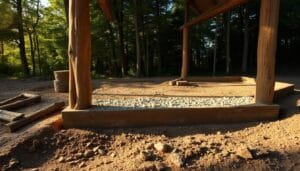
First, get your fire pit ready. Dig a circle that’s 60 inches wide and 2 inches deep. Then, fill it with 3 cubic yards of 1/4-inch granite drainage gravel.
Choosing the right fuel is also key. Use well-seasoned wood and keep the fire small. A secondary combustion system, like a solo stove, can cut down on smoke.
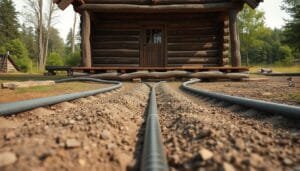
Make a fire hole that’s 12 inches deep and wide. Also, create an eight-inch-wide tunnel for air intake. This helps feed the fire and reduces smoke.
Key Considerations for a Smokeless Campfire
- Use of well-seasoned wood
- Maintenance of a small fire
- Utilization of a secondary combustion system
- Proper fire pit preparation and fuel arrangement
Follow these steps and use the right materials for a smokeless campfire. It’s efficient and good for the environment. Always be careful and follow safety rules when you’re building and keeping your fire.
Advanced Techniques for Minimal Smoke Production
Building a smokeless campfire is easier with advanced techniques. The Dakota fire hole and the Swedish torch are top choices. They cut down smoke and make campfires safer and more efficient.
Using a Dakota fire hole is a smart move for less smoke. You dig a hole and light a fire in it. This keeps smoke in and makes it less visible. It’s a simple yet effective method for camping.
Benefits of the Dakota Fire Hole Method
- Reduced smoke production
- Increased efficiency
- Improved safety
The Swedish torch is another great way to reduce smoke. It involves building a fire on a log. This method is perfect for those who don’t want to dig a hole.

Implementing the Swedish Torch Variation
To try the Swedish torch, place a log in your campfire area. Then, build your fire on it. This cuts down smoke and boosts efficiency. These techniques help campers have a smokeless fire that’s safe and efficient.
Common Mistakes to Avoid When Building Your Smokeless Fire
Building a smokeless fire is key to a great camping trip. Fire safety is always first. Knowing these mistakes helps you enjoy a warm campfire.
Use only dry, high-quality materials for your fire. You’ll need three types of fuel: firestarter, kindling, and cord wood. Split them into small pieces for better burning. Here are some mistakes to steer clear of:
- Using damp wood or pieces larger than 4 inches in diameter
- Throwing chunks of wood directly into the fire pit
- Adding more than 2 pieces of wood at one time
- Using petroleum-based starters or synthetic materials
Avoiding these common errors and using the right techniques makes a smokeless fire safe and fun. Always put fire safety first and be careful to avoid accidents.
Weather Considerations and Adaptations
Building a smokeless campfire means thinking about the weather. Weather considerations are key to a successful campfire. Strong winds, high humidity, and rain can affect your fire.
To handle these, use wind-resistant fires like a lean-to or Dakota smokeless fire. These designs fight against strong winds.
Humidity also matters a lot. High humidity makes starting and keeping a fire hard. Use dry wood and ensure good airflow to beat this.
Have a plan for rainy days too. Fires like a Swedish torch or log cabin fire work well in wet conditions.
- Lean-To Fire: Good for strong winds
- Traditional Teepee Fire: Suitable for calm conditions
- Log Cabin Fire: Perfect for cooking
- Swedish Torch: Ideal for wet ground
- Dakota Smokeless Fire: Wind-resistant and leaves minimal evidence
Think about the weather and adapt your fire-building plan. This way, you’ll have a great camping trip. Always remember to consider weather considerations, wind management, and humidity when making your smokeless campfire.
Maintaining Stealth While Tending Your Fire
Keeping your fire stealthy is key. It’s about managing light and sound. A good fire can keep you warm and cook food. But, it can also draw unwanted attention.
To stay hidden, manage light well. Use a fire shield or canopy to hide the fire’s glow. Stay away from bright colors and shiny things near the fire. Also, sound reduction helps by keeping the fire small and using a fire pit.
Here are more tips for a stealthy fire:
- Keep the fire small and controlled
- Block the light with a fire screen
- Avoid loud noises and bright lights near the fire
Follow these tips and use good light and sound management. This way, you can tend your fire without being seen.

Environmental Impact and Leave No Trace Principles
As I go camping, I think about how to not harm nature. The leave no trace rules help keep nature beautiful for everyone. They teach us to care for the environment and enjoy it responsibly.
Here are some ways to lessen our harm on nature:
- Travel and camp on solid ground to avoid harming plants and soil.
- Dispose of waste right, including poop and trash, to keep places clean.
- Don’t mess with nature’s things like rocks and plants to keep the ecosystem balanced.
- Keep a safe distance from animals to protect them and us.
By following leave no trace and outdoor ethics, we can enjoy nature and protect it. Every little bit we do helps a lot. Together, we can make a big difference for a greener future.
Safety Measures and Emergency Protocols
Building a smokeless campfire means keeping fire safety top of mind. It’s key to have a plan ready for emergencies. This includes knowing how to quickly and safely put out the fire. Keep a fire extinguisher or a bucket of sand nearby.
Following the right extinguishing methods is vital. This means cutting off oxygen or using water. Also, have a plan for emergencies, like a first aid kit and a way to call for help.
Some important emergency protocols include:
- Having a fire extinguisher or a bucket of sand nearby
- Keeping a first aid kit on hand
- Having a means of communication, such as a cell phone or two-way radio
By following these emergency protocols and being careful, you can have a safe and fun camping trip. Always put fire safety first and be ready for anything.
Your Path to Mastering the Art of Hidden Warmth
Learning to build a smokeless campfire for stealth camping takes time. But with each fire, you get better and more confident. Every successful fire shows you’re improving in outdoor skills and staying warm and hidden.
Try different woods, fire pits, and ways to start the fire. Always follow safety rules and ask for tips from experts. The more you practice, the better you’ll get at mastering smokeless campfires. You’ll learn how to find hidden warmth and outdoor skills for your adventures.