
Welcome to your complete guide on creating an accurate financial plan for your dream project. We’ll walk you through everything you need to know about planning your retreat from start to finish.
Embarking on this journey is exciting, but it requires careful financial planning. Understanding the total investment upfront helps you avoid surprises and make informed decisions.
Whether you’re dreaming of a cozy weekend getaway or a full-time log home, knowing how to project expenses accurately is the foundation of a successful project. This guide will break down the various financial components.
We’ll explore everything from the initial kit purchase to site preparation, labor, and finishing touches. This gives you a realistic picture of your total investment. For a detailed look at specific figures, such as how a 1,076-square-foot cottage can cost up to $376, we have resources available.
By the end of this guide, you’ll have the knowledge and confidence to project your expenses accurately. You will be able to make smart choices that align with your budget and vision.
Let’s dive into the world of log home construction. Discover how to turn your dreams into an achievable reality without breaking the bank.
Understanding the Basics of Cabin Build Pricing
Before you get started, it’s helpful to know how a house price is put together. The numbers can be surprising if you’re only thinking about the price per square foot.
A standard new home in the U.S. averages about $360,900. This is for a place around 2,660 square feet. But a log home project follows a different set of rules.
Components of a Home’s Price
Every house, including your future retreat, is made of core parts. Think of the foundation, roof, and walls. Then add systems like plumbing, electrical, and HVAC.
Interior walls, flooring, windows, and doors are also key. All these pieces add up to create the final prices. For a detailed breakdown of these costs to build a log cabin, more information is available.
Impacts of Square Foot and Material Quality
The cost per square foot isn’t a straight line. A smaller home won’t be half the price of a larger one. Many systems have a fixed starting price.
This means a cozy cabin often has a higher price per square foot. Essentials like a foundation or HVAC don’t shrink with the size.
Your choice of materials is also critical. Higher-quality options cost more upfront. But they often mean less maintenance and a longer life for your home.
Key Factors in Your cabin building cost estimate
One of the biggest surprises for first-time builders is the gap between the kit price and the final investment. Your dream retreat’s final price tag involves much more than just the materials that arrive on a truck.
A smart financial plan starts with understanding the key variables that shape your bottom line. This helps you create a budget that reflects reality, not just wishful thinking.
Kit Costs and Multipliers Explained
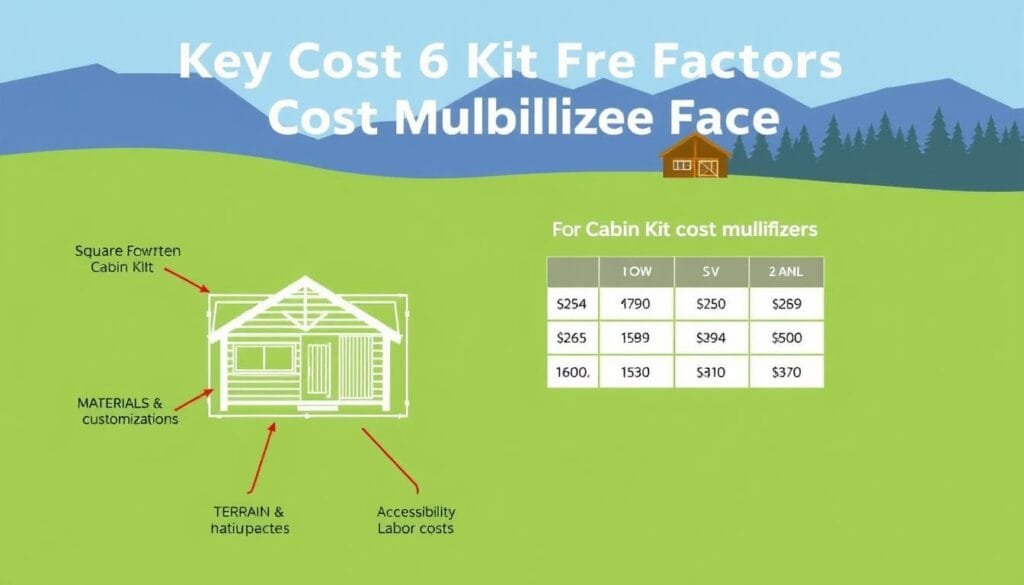
Industry professionals often use a simple multiplier method for a rough total cost calculation. This approach quickly shows how the initial cabin kit price relates to the complete project expense.
Here’s a general guide for your cost estimate:
- Smaller, Simpler Builds: Multiply your log cabin kit price by 2.
- Larger, Complex Projects: Use a multiplier of 2.5 or even 3.
These figures account for critical steps like excavation, utility connections, and contractor labor. They turn a basic kit into a finished home.
Your specific site plays a huge role. Rocky terrain, a long driveway, or a difficult slope can increase the build price significantly. The quality of your interior finishes also impacts the final number.
Planning to do some work yourself? You can lower these multipliers. Just be honest about your skills and the time you can commit.
Decoding Log Cabin Kit Prices and Turnkey Costs
The advertised price of a cabin kit is just the beginning. The real financial picture emerges when you factor in turnkey expenses.
This complete price covers everything to make your retreat livable. It includes excavation, utilities, appliances, and final touches.
Example Multipliers for Small and Large Cabins
Real projects illustrate how kit prices relate to final totals. The multiplier method provides a practical budgeting tool.
Consider these two examples based on actual constructions.
| Project Name | Kit Multiplier | Key Inclusions |
|---|---|---|
| Brandywine | 2x | Permits, excavation, crawl space, HVAC, full kitchen, landscaping |
| Windsor | 2.5x | Full basement, all Brandywine inclusions plus additional foundation work |
Assessing the Value of Prefabricated Kits
Not all cabin kits are created equal. A lower initial pricing might mean excluded essential materials.
Quality log cabin kits from reputable makers include more components. This can reduce your final costs per square foot.
Prefabricated kits offer significant value. Precisely cut pieces fit together efficiently, saving construction time and labor.
Understanding this relationship helps you choose the best kit for your needs and budget.
Comparing DIY Cabin Builds and Professional Contractors
Choosing between tackling your retreat yourself or hiring professionals is one of the most important decisions you’ll make. This choice affects your budget, timeline, and overall experience.
DIY Insights from Graeme Jenvey’s Experience
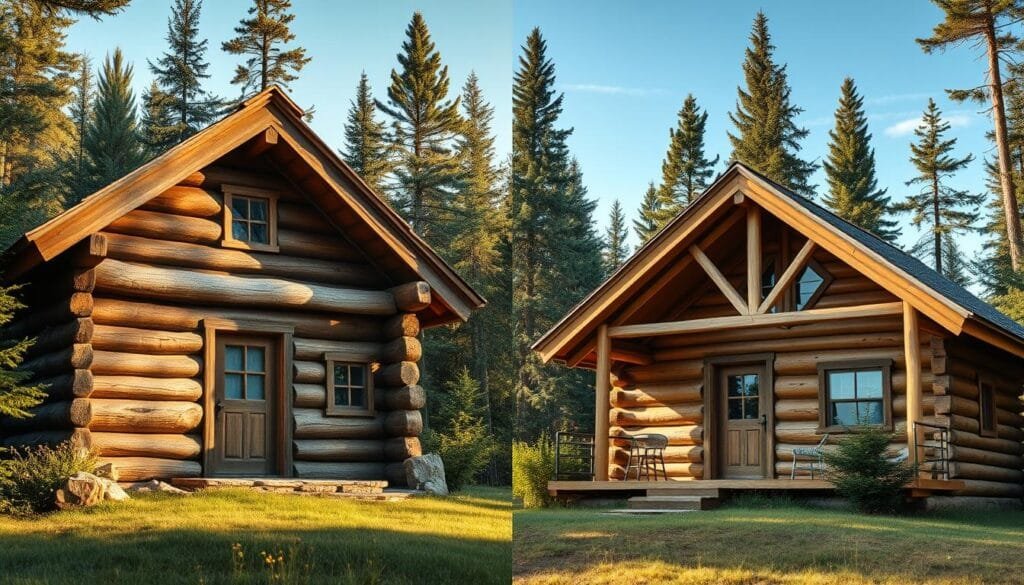
Filmmaker Graeme Jenvey’s story shows what’s possible with determination. He constructed a 240 square foot retreat in Virginia for $12,745. This impressive feat required about 55 days of work over six months.
Jenvey had basic framing knowledge from previous work. He learned most skills during the project. His experience proves that hands-on construction is achievable with patience.
Better planning could have saved time, as he worked from simple sketches. Most errors were fixable, but some required extra effort. These challenges became valuable learning opportunities.
| Factor | DIY Approach | Professional Builder |
|---|---|---|
| Time Investment | Significant personal time required | Faster completion with expert team |
| Required Skills | Learning as you go acceptable | Extensive experience necessary |
| Budget Control | Direct oversight of expenses | Fixed pricing with contracts |
| Quality Assurance | Personal standards apply | Professional standards guaranteed |
When It’s Best to Hire a Builder
Professional help makes sense when you lack construction experience. Contractors bring efficiency and proper equipment. They handle permits and code compliance seamlessly.
Builders complete projects faster with established supplier relationships. Their work comes with accountability and warranties. This expertise can prevent costly mistakes.
Many people find a middle ground. They handle basic tasks while hiring specialists for complex work. This balanced approach maximizes both savings and quality.
Additional Costs Beyond the Cabin Kit
Your log cabin kit is the shell, but the real work—and expense—happens inside. Many first-time owners are surprised by the price of turning a structure into a comfortable home.
Essential systems and final touches are rarely part of a standard package. Planning for these items early prevents budget shock later.
Plumbing, HVAC, and Interior Finishes
Hiring a master plumber is a critical investment for your new home. Proper installation prevents future water damage and ensures reliable function.
An HVAC system is necessary for comfort in most climates. Since kits typically exclude heating and cooling, this is a separate budget line.
Furnishing your retreat is another major category. A basic bedroom set starts around $1,200. Outfitting the entire house adds thousands more.
The quality of your interior materials directly affects long-term satisfaction. Choices range from budget-friendly basics to premium custom selections.
Creating a detailed line-item budget helps you understand the true price of completion. It allows you to prioritize spending on what matters most to you.
| Finish Type | Budget Option | Mid-Range Option | Premium Option |
|---|---|---|---|
| Countertops | Laminate | Quartz | Granite or Custom |
| Flooring | Vinyl Plank | Engineered Hardwood | Solid Hardwood |
| Cabinet Hardware | Standard Steel | Brushed Nickel | Solid Brass |
The Role of Land, Utilities, and Site Preparation
The foundation of your dream retreat isn’t just the structure itself, but the ground it stands on. Your choice of property and the work needed to prepare it are huge factors in your overall financial plan.
Smart selection means looking beyond the price per acre. You must consider access to utilities and the terrain’s buildability.
Surveying, Excavation, and Utility Hookups
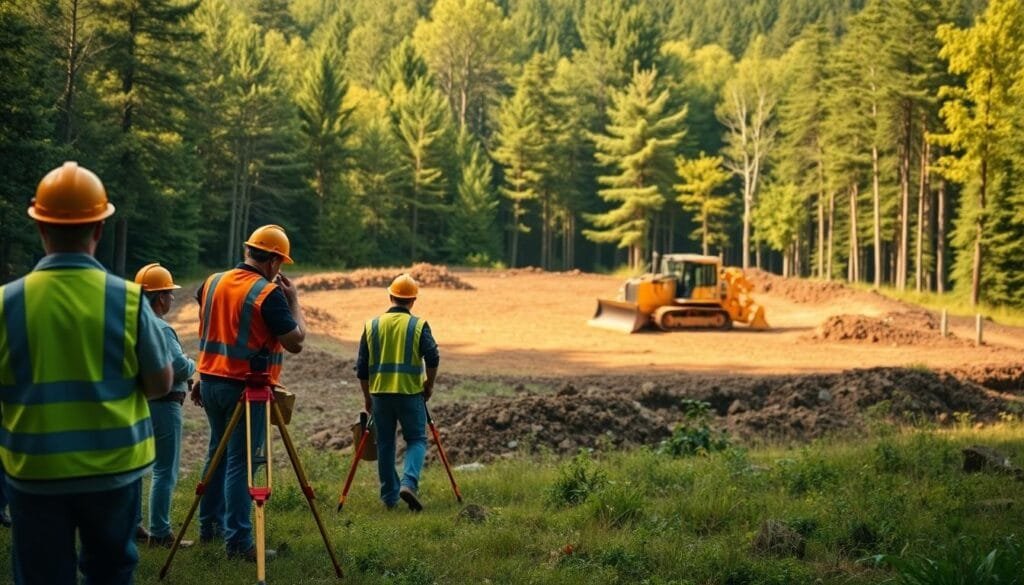
Professional surveying is your first crucial step. It establishes legal boundary lines and determines the exact placement for your cabin.
This service provides peace of mind and prevents future disputes. The price varies based on your property’s complexity.
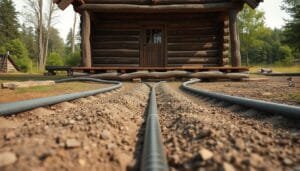
Site excavation depends heavily on the land. A sloped, rocky, or remote site requires more extensive work.
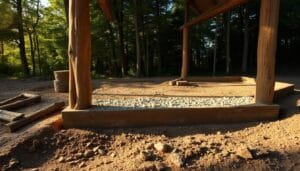
Your foundation choice also impacts this phase. A simple pier system needs less digging than a full basement.
Utility installation is a major consideration, especially on raw land. The table below shows common scenarios.
| Utility Type | Best-Case Scenario | Challenging Scenario |
|---|---|---|
| Water Source | Connection to municipal line | Drilling a new well |
| Waste System | Connection to sewer main | Installing a septic system |
| Power Supply | Pole connection nearby | Long-distance line run or off-grid solar |
Choosing a property with favorable conditions for these systems can save a significant amount. It prevents your budget from being consumed by infrastructure.
Always factor these expenses into your land purchase decision for a smoother building process.
Budgeting for Your Cabin Build Investment
Your cabin’s financial foundation begins with understanding your personal spending capacity. This process ensures your dream retreat aligns with your financial reality.
Estimating Down Payment and Monthly Expenses
Start by determining what you can afford for a down payment. A larger initial amount reduces your monthly mortgage payments significantly.
Calculate your household’s monthly take-home pay after taxes. Then list all current expenses like rent, utilities, and discretionary spending.
Planning for Long-Term Homeownership Costs
When you become a homeowner, new expenses appear. These include property taxes, insurance, and maintenance services.
Some current costs may decrease or disappear. Rent payments or vacation accommodation expenses might be reduced.
The budgeting formula is straightforward. Subtract home ownership expenses from your total monthly income. Always leave room for emergencies.
Utilizing Mortgage and Loan Calculators
Online mortgage calculators are invaluable tools for planning. They help you model different scenarios for your project.
Enter your down payment, interest rate, and total house amount. The calculator shows your estimated monthly payments instantly.
Smart planning accounts for both predictable and unexpected expenses. This ensures your dream home remains affordable long-term.
Financing Options: Construction Loans vs. Mortgages
Securing the right financing is a critical step that transforms your cabin blueprint into a buildable project. Understanding your options helps you manage cash flow effectively throughout the entire process.
Understanding the Differences in Loan Types
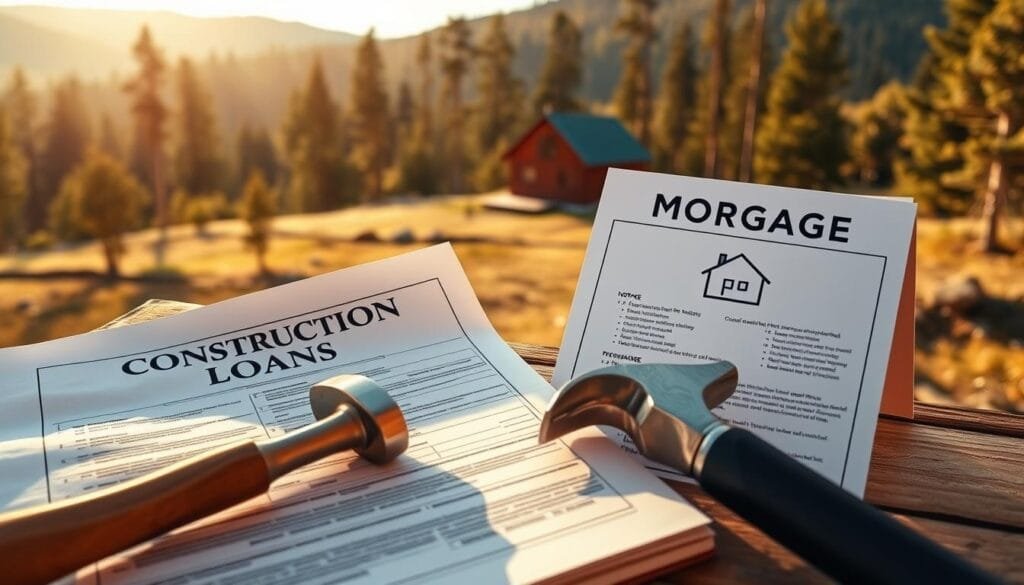
Traditional mortgages are for purchasing existing homes. You make a down payment and then pay it back over many years.
Construction loans work differently. They are short-term financing for the building phase. Funds are released in stages as work progresses.
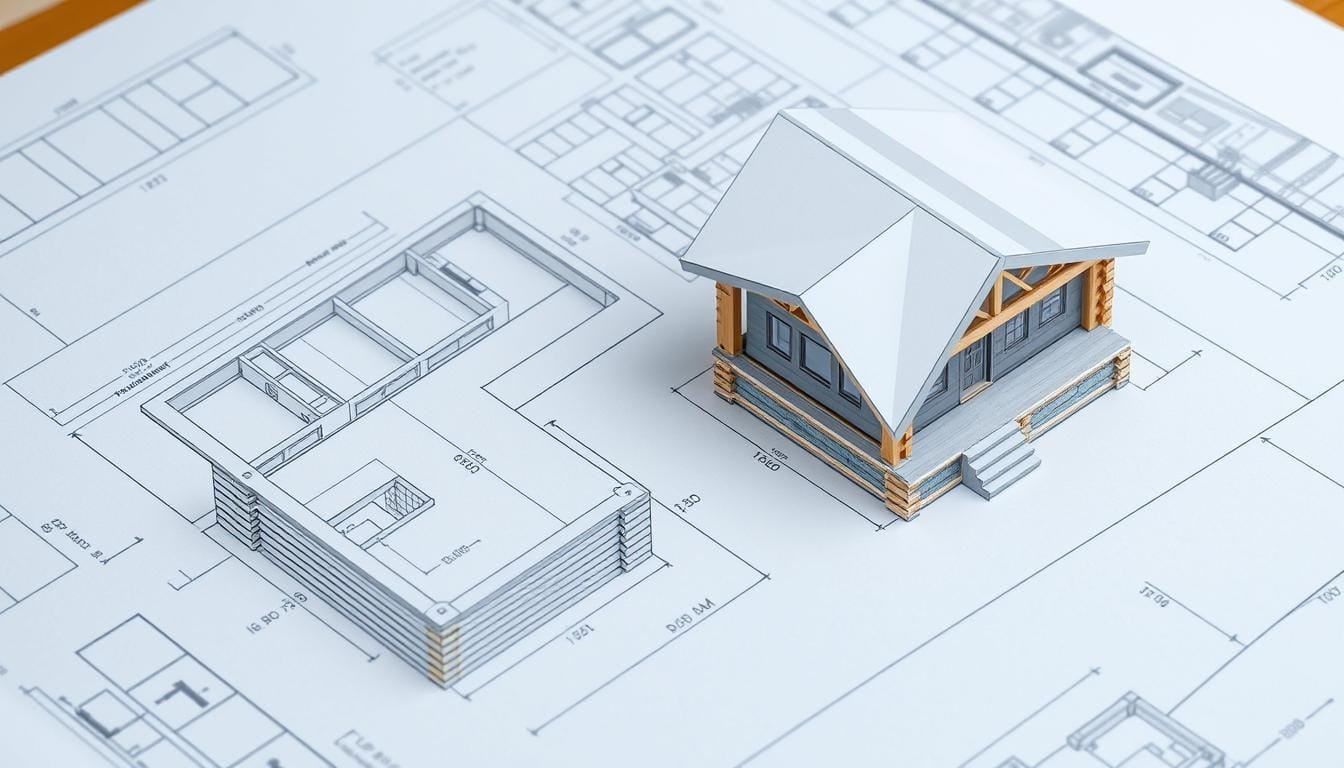
Lenders need detailed plans and a schedule before approving this type of loan. This ensures payments to contractors align with completed milestones.
Steps to Secure Construction Funding
Not all banks offer construction loans. You need to find a lender experienced with new building projects.
The ideal solution is a construction-to-permanent loan. It starts as a construction loan and converts to a standard mortgage once your log home is finished.
During construction, you typically only pay interest. Full payments begin after your new home is complete, saving you money during the time of greatest expense.
Strong credit and a solid down payment are essential for approval. This prepares you for a smooth financial journey toward owning your dream cabin.
Quality vs. Price: Evaluating Materials and Build Standards
The materials you choose for your project represent a critical balance between your initial budget and the long-term value of your home. A lower price tag can be tempting, but it often signals compromises that lead to headaches later.
Cheap log home kits might use wood that hasn’t dried properly. This can cause warping and large gaps as the logs settle. Poor manufacturing tolerances create drafts and reduce energy efficiency.
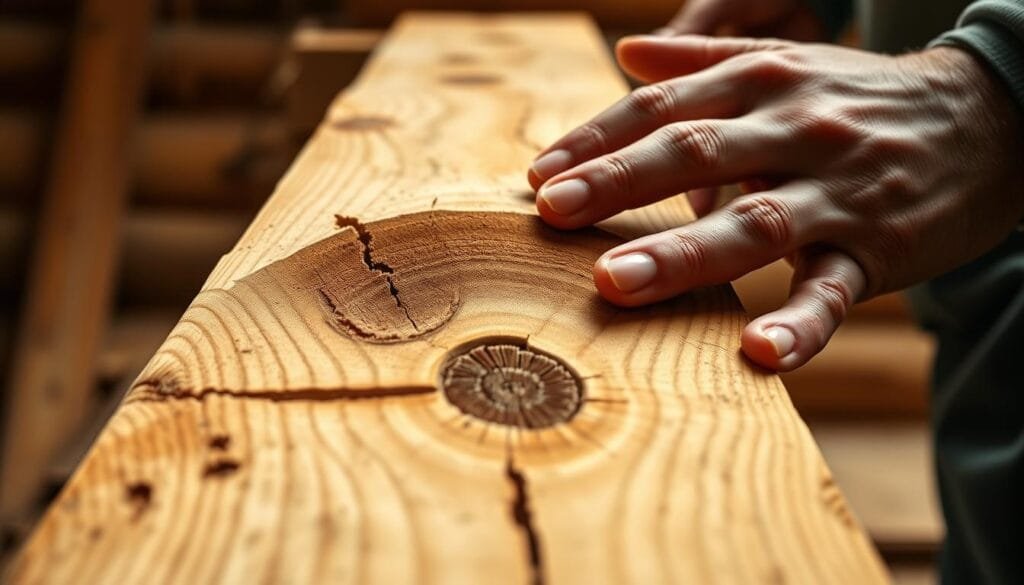
Some manufacturers create an illusion of affordability by excluding essential components. You then face the hassle and expense of sourcing these items separately. This is a clever way to make a base price seem more attractive than it truly is.
It’s also important to know that a high price doesn’t always guarantee superior quality. Some companies mark up their products while still using subpar materials or non-sustainable practices.
Balancing Upfront Costs with Long-Term Durability
The smartest approach is to look at the total cost over your home’s entire life. Investing in quality materials and craftsmanship pays off for years.
Properly kiln-dried wood and precision manufacturing ensure a tight fit. This speeds up construction and improves performance. A well-built structure requires less maintenance and offers greater comfort.
Factory-built kits, like those from Conestoga, are produced in controlled environments. This results in consistent quality and components that fit together perfectly. It’s a reliable way to achieve a durable and efficient home.
Consider this comparison when selecting your materials:
| Feature | Budget Choice | Quality Choice |
|---|---|---|
| Wood Preparation | Air-dried, higher moisture | Kiln-dried, stable |
| Manufacturing | Loose tolerances, potential gaps | Precision cutting, tight seams |
| Long-Term Impact | Higher repair costs, drafts | Lower maintenance, better efficiency |
This principle applies to every part of your project, including the crawl space foundations. A strong start with quality materials sets the stage for a home that will stand the test of time.
Insider Tips for a Successful Cabin Build
Success in cabin construction often comes down to practical wisdom that experienced builders wish they’d known from the start. The mental approach is just as important as the physical work.
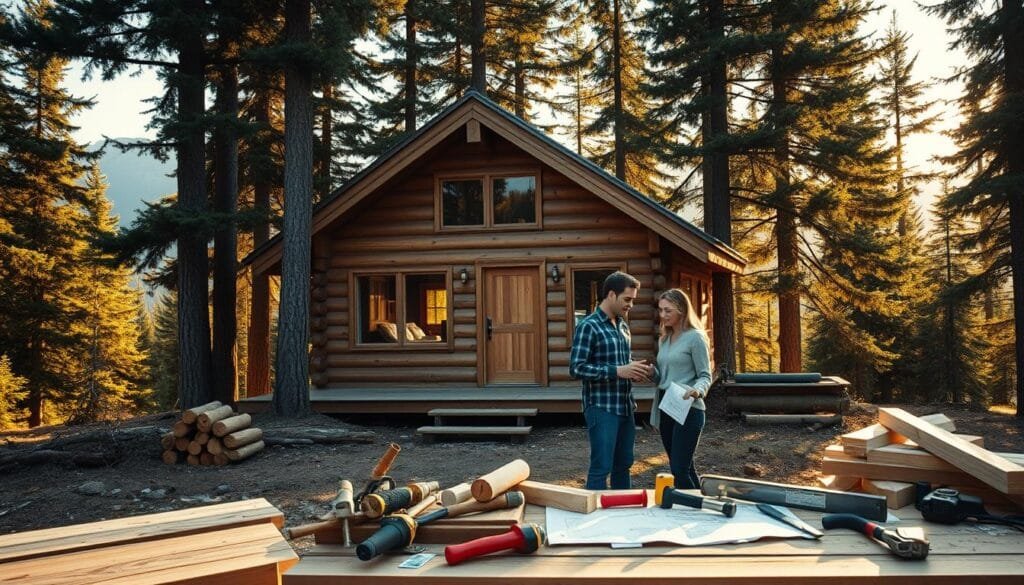
Practical Do’s & Don’ts for Aspiring DIY Cabin Builders
Don’t let fear stop your dream. You don’t need professional experience to create a beautiful retreat. Many successful builders started with basic skills.
Avoid comparing your journey to others. Every cabin project has unique challenges. Even experts make mistakes along the way.
Balance confidence with humility. Listen to advice but remember many techniques can work. Research different approaches for your specific design.
Start planning your space with a clear idea. Dream big even if practical limits require adjustments. An inspiring vision keeps motivation high.
Study construction methods and local regulations before beginning. Understanding log cabin kit options helps you make informed choices.
Make your project a priority in your life. Reallocating resources makes materials affordable. Begin exploring land options early for better deals.
The most important tip? Take action. If others can build beautiful cabins, you absolutely can too. Mistakes become valuable learning experiences.
Final Thoughts on Building Your Dream Cabin
Creating your own retreat is a rewarding journey that blends vision with practical planning. This guide has shown that a solid financial plan is the true foundation for success.
Your log cabin is more than a structure. It’s a personal sanctuary that will bring joy for many years. The investment in quality materials and careful planning pays off in durability and comfort.
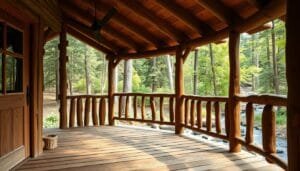
Remember that even small touches, like a well-built porch, add significant value and enjoyment. Your dream home becomes a reality one smart decision at a time.
Trust the process, celebrate your progress, and look forward to the memories you’ll create. Your perfect getaway is within reach.