
Dreaming of a peaceful retreat in the woods? You’re not alone. Many people want a cozy place to escape. But figuring out how to build it can be confusing. The two main paths are building it yourself or choosing a modern, factory-built solution.
This choice is a big deal for your wallet. The total price involves more than just materials. You must think about labor, your own time, and future upkeep. Getting a clear picture now helps you make a smart investment later.
Generally, prefab cabins offer significant savings, often 20-40% less than traditional builds. This is because of efficient factory processes. For example, a finished prefab cabin getaway might cost between $60,000 and $120,000+. A similar custom-built home could start much higher.
This guide will explore real numbers and hidden factors. We want you to feel confident about your decision, whether you value deep customization or a faster timeline.
Understanding DIY vs Prefab Cabin Cost
Before diving into numbers, it’s essential to clarify what each construction method actually entails. Both approaches create wonderful retreats, but they follow very different paths.
Key Features and Definitions
Prefabricated structures are manufactured in controlled factory settings. This environment allows for precise engineering and consistent quality. The components are then transported to your property for assembly.
These factory-built homes can arrive as complete, move-in-ready units. Alternatively, they may come as unfinished shells for interior customization. The factory process eliminates weather delays common in traditional building.
Traditional construction involves on-site assembly from foundation to finish. Materials arrive at the property where builders work piece by piece. This method offers unlimited design flexibility since size isn’t constrained by transportation limits.
What Sets DIY Apart from Prefab?
The main distinction lies in where the construction happens. Factory-built structures complete most work indoors before delivery. Traditional building occurs entirely on your property from the ground up.
Both methods can produce durable, high-quality homes when proper materials and experienced builders are involved. Prefab construction gained popularity in the mid-20th century and continues trending today for its efficiency and modern appeal.
Evaluating Construction Costs: Materials, Labor, and Pricing Factors
A clear financial picture separates a dream project from a successful, budget-friendly build. Let’s look at the numbers that shape your investment.
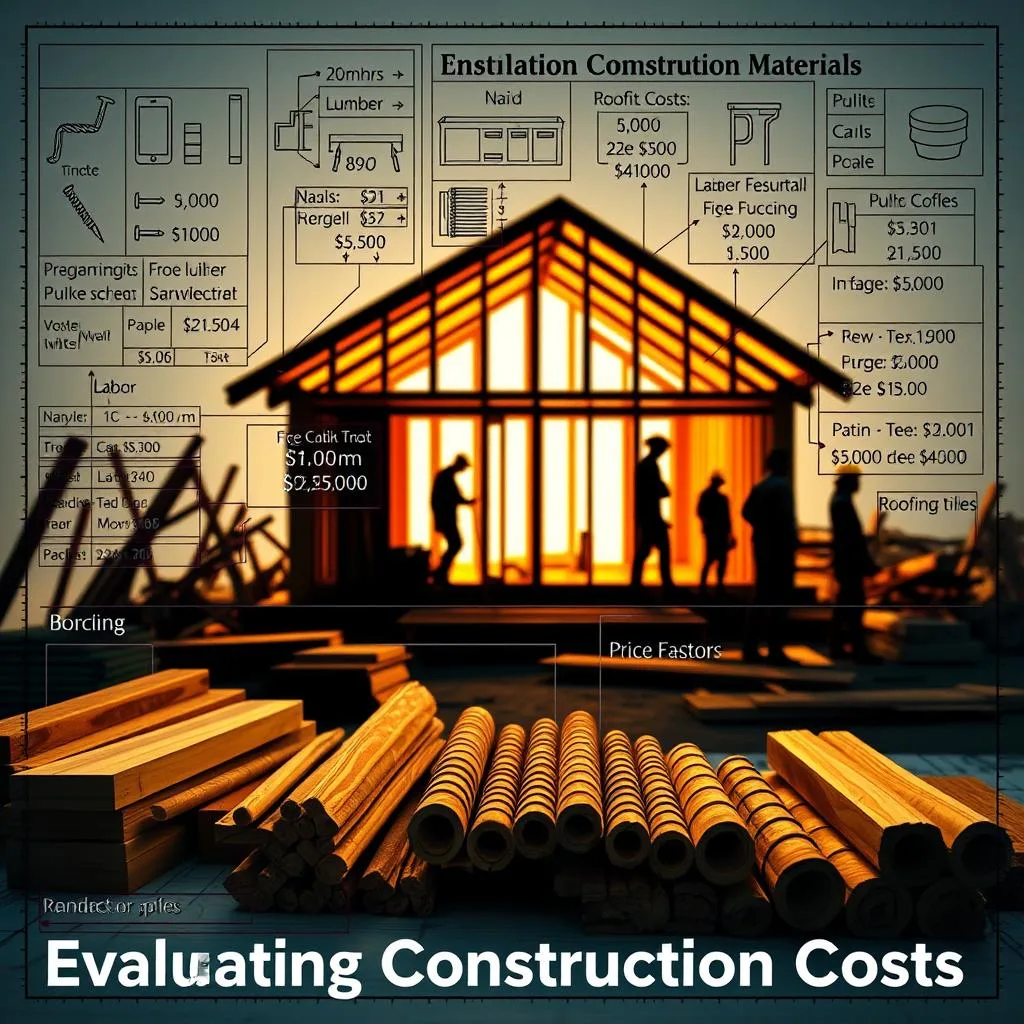
DIY Materials and Labor Investments
Building from scratch means managing every material purchase. You often pay retail prices and may face waste from on-site cutting.
Labor is your biggest variable. A traditional stick-built structure requires extensive on-site work. This significantly increases overall expenses.
Custom details like stone fireplaces or timber framing add substantial material and labor costs. These features can push a small build from $80,000 to over $150,000.
Prefab Cabin Pricing and Cost Savings
Factory-built options offer a different financial structure. A basic shell can range from $25,000 to $60,000. A finished model typically costs $60,000 to $120,000+.
Manufacturers benefit from bulk purchasing. This efficiency often results in lower material costs. Understanding prefab house prices and cost factors is key to budgeting.
The kit itself usually accounts for about half your total budget. The rest goes to site prep, utilities, and interior finishing work.
Square footage is the primary price driver. A larger footprint will cost more, regardless of the construction method you choose.
Customization Options, Quality, and Build Time Considerations
Beyond the initial price tag, the ability to customize your retreat and the time it takes to build are crucial factors. Your choice impacts how personal your space feels and how soon you can enjoy it.
Limitations and Flexibility in Prefab Designs
Factory-built structures shine with speed. The entire process, from order to delivery, often takes just 2 to 8 weeks. Since building happens indoors, weather delays are eliminated.
You can choose from many floor plans and style options. Add-ons like porches or lofts help personalize the structure. However, exterior designs are limited by what can be transported on roads.
This method offers a great middle ground. An unfinished shell arrives with the exterior complete. Then, the interior design and layout are entirely your choice.
Quality is often very consistent. Precise factory cuts create tight joints in the walls. For a closer look at the possibilities, explore this prefab cabin getaway.
Traditional Cabin Customization and Time Factors
Building on-site offers complete design freedom. You can create unique rooflines, stone foundations, or oversized windows. Every detail can be tailored to your vision.
The trade-off is time. This construction method typically requires 3 to 12 months or more. Projects are vulnerable to weather and scheduling conflicts.
The final quality depends heavily on the builder’s skill and material choices. Both methods can produce durable log homes that last for generations when done correctly.
Budgeting and Financing Your Dream Cabin
Once you’ve chosen your building method, the real financial planning begins. The structure’s price is just one part of the total investment.
A smart budget looks at the whole picture. This includes your property, site work, and turning the shell into a comfortable home.
Cost Allocation: Land, Utilities, and Finishing Touches
Remember, the kit often makes up only about half of your total budget. The other half goes toward essential steps.
Your land choice is critical. Purchase price, taxes, and location all matter. A remote property might be cheaper but could need road work for delivery.
Site preparation is a must. You need to level the ground and pour a solid foundation before your building arrives. This creates a stable base.
Utility connections are a major expense. Your decision to connect to municipal services or go off-grid has big cost implications.
| Utility Type | On-Grid Connection | Off-Grid Solution |
|---|---|---|
| Water Source | Municipal hookup fees | Well drilling or spring development |
| Power Supply | Electrical service connection | Solar panel system installation |
| Waste System | Septic tank and field installation | Composting toilet or alternative system |
Finishing an unfinished shell adds significant costs. This includes interior walls, flooring, kitchen and bathroom fixtures, and all plumbing and electrical work.
Financing can be tricky. Banks sometimes view factory-built options differently than traditional stick-built homes. This affects your loan options.
Always check local permit requirements. These depend on your structure’s size and your property’s location. Don’t forget to set aside a contingency fund of 10-20% for surprises.
Long-Term Maintenance and Durability Factors for Cabins
The true test of any cabin investment comes from how well it stands the test of time. How much upkeep will your retreat require over the years? This consideration often separates a worry-free getaway from a constant project.
Factory-built structures typically need less maintenance thanks to their efficient design. They often feature durable materials like metal roofing and vinyl siding right from the start. The controlled factory environment creates tighter construction with fewer gaps where problems can develop.
Maintenance Requirements Over Time
Traditional building methods can lead to varied upkeep needs. Custom details like log siding demand regular sealing and staining. More modern finishes usually need much less attention over the years.
Both types of homes can last generations when built with care. Quality lumber, proper foundations, and good weatherproofing are what really matter. The construction method itself is less important than the materials used.
Factory construction avoids weather exposure during building. This prevents moisture damage to framing that can happen with on-site delays. Many manufacturers also provide warranties covering structural issues for 5-10 years.
Choosing durable flooring and wall finishes during initial construction reduces future maintenance. Regular roof inspections and checking for pests are smart for any retreat. A well-planned prefab cabin getaway can offer decades of comfortable use with minimal upkeep.
Real-Life Examples and Price Ranges in the United States
Seeing actual models and their prices helps ground your planning in reality. Let’s look at specific offerings from a well-known manufacturer.
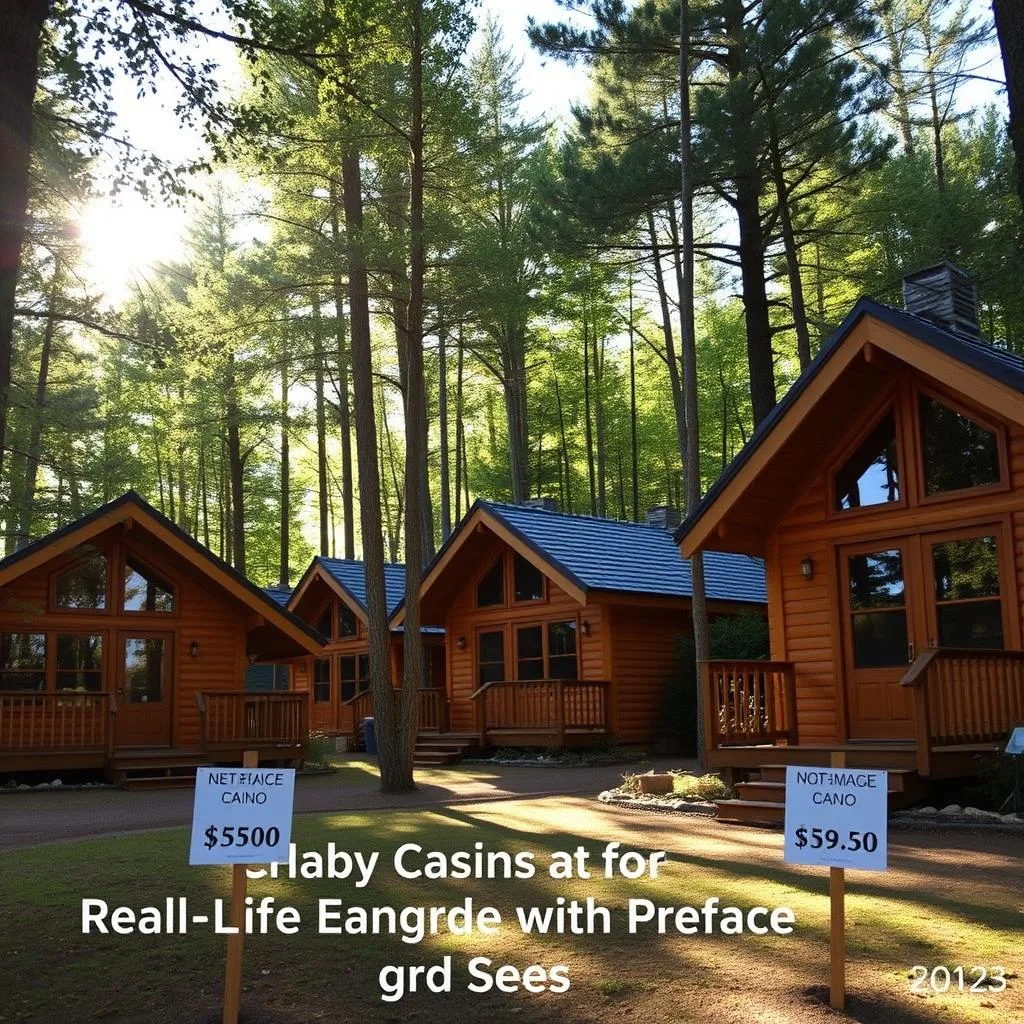
Westwood Cabins provides a clear range of turnkey options. Their structures come fully finished, ready for immediate enjoyment.
Prefab Cabin Price Examples
Their lineup showcases how square footage and features influence the final price. Each model includes key amenities for comfortable living.
| Model Series | Approximate Size (sq. ft.) | Base Price | Key Features |
|---|---|---|---|
| Studio Series | 200+ | $65,000 | Kitchenette, full bath, ideal for office or guest space |
| Fog Hollow | 300-450 | $80,000 | One bedroom, full kitchen, complete bathroom |
| Creekside Series | 451+ | $95,000 | Spacious bedroom, full kitchen, more living area |
| Bear Ridge Series | 600+ | $110,000 | Two bedrooms, laundry space, full kitchen |
These homes feature rustic knotty pine walls, durable vinyl plank flooring, and solid wood cabinets. They provide a complete interior from the start.
DIY Cabin Investment Insights
Other companies offer different approaches. Backcountry Huts uses a modular design priced around $200 CAD per square foot.
MUJI HUT offers a minimalist 100-square-foot tiny home for about $28,000. DEN provides flat-packed A-Frame kits for $21,000, requiring personal assembly.
Be cautious of extremely low-priced options from shed manufacturers. Structures under $25,000 often lack proper insulation and cannot be legally inhabited without major upgrades.
Quality factory-built homes in the $60,000-$110,000 range include plumbing, electrical, and are built to code. This ensures a safe, comfortable retreat from day one.
Final Reflections on Your Cabin Investment Journey
Making the final choice between construction methods requires honest self-assessment. Consider your budget, timeline, and how much customization you truly need.
Factory-built options typically offer significant savings and faster completion. Traditional building provides unlimited design freedom but demands more time and resources.
Many homeowners find a middle ground with unfinished shells. These structures combine factory efficiency with personal interior touches. For those considering this route, exploring log cabin kits can provide valuable insights into this balanced approach.
Remember that both methods can create beautiful, lasting homes. Your success depends more on careful planning than the construction path you choose. Invest time researching builders and understanding local requirements.
Whether you prioritize speed or customization, your dream retreat awaits. With realistic expectations and thorough preparation, you’ll create a space that brings joy for years to come.