
Building your own retreat is an exciting adventure. The first step is finding the perfect design that brings your vision to life. This guide will show you the best online spots to discover quality blueprints for your project.
A great set of drawings can turn a big project into a fun journey. You can see your future home before you even start. We will look at different styles, from rustic log homes to modern getaways.
You will learn what makes a good design and how to pick one for your land. This article is your roadmap to finding excellent resources without a huge cost. By the end, you’ll feel ready to choose the ideal layout for your property.
Explore the World of Free Cabin Floor Plans Online
The digital age has opened up a treasure trove of architectural ideas for aspiring builders. Before investing in custom drawings, these no-cost resources offer a fantastic way to kickstart your project.
Purpose and Benefits of Utilizing Free Plans
Using pre-drawn layouts provides a significant head start. The primary advantage is substantial cost savings during the initial planning stage. This allows you to direct more funds toward high-quality materials.
These resources let you visualize different layouts on your property. You can compare styles without any financial commitment. It helps you understand what suits your land and lifestyle best.
An Overview of Cabin Designs and Options
You will find a vast array of styles available. Choices range from traditional log home aesthetics to sleek, modern layouts. This variety ensures you can find a design that resonates with your personal vision.
It’s helpful to know that construction costs are often tied to square footage. The table below shows common size categories to help guide your selection based on your budget.
| Size Category (Square Feet) | Typical Features | Best For |
|---|---|---|
| Under 500 | Compact, efficient use of space, often a single room with loft | Minimalist living, weekend getaways |
| 1,000 | One or two bedrooms, full kitchen, dedicated living area | Small families, year-round residence |
| 2,000 | Multiple bedrooms, multiple bathrooms, spacious common areas | Larger families, entertaining guests |
Exploring these options online makes the process accessible to everyone. It empowers you to create a home that reflects your unique aspirations.
How to Leverage Free Cabin Floor Plans Sources
Knowing what a quality set of drawings includes is your first step toward a successful build. A great resource provides a comprehensive package that guides you from start to finish.
What to Expect from Free Resources
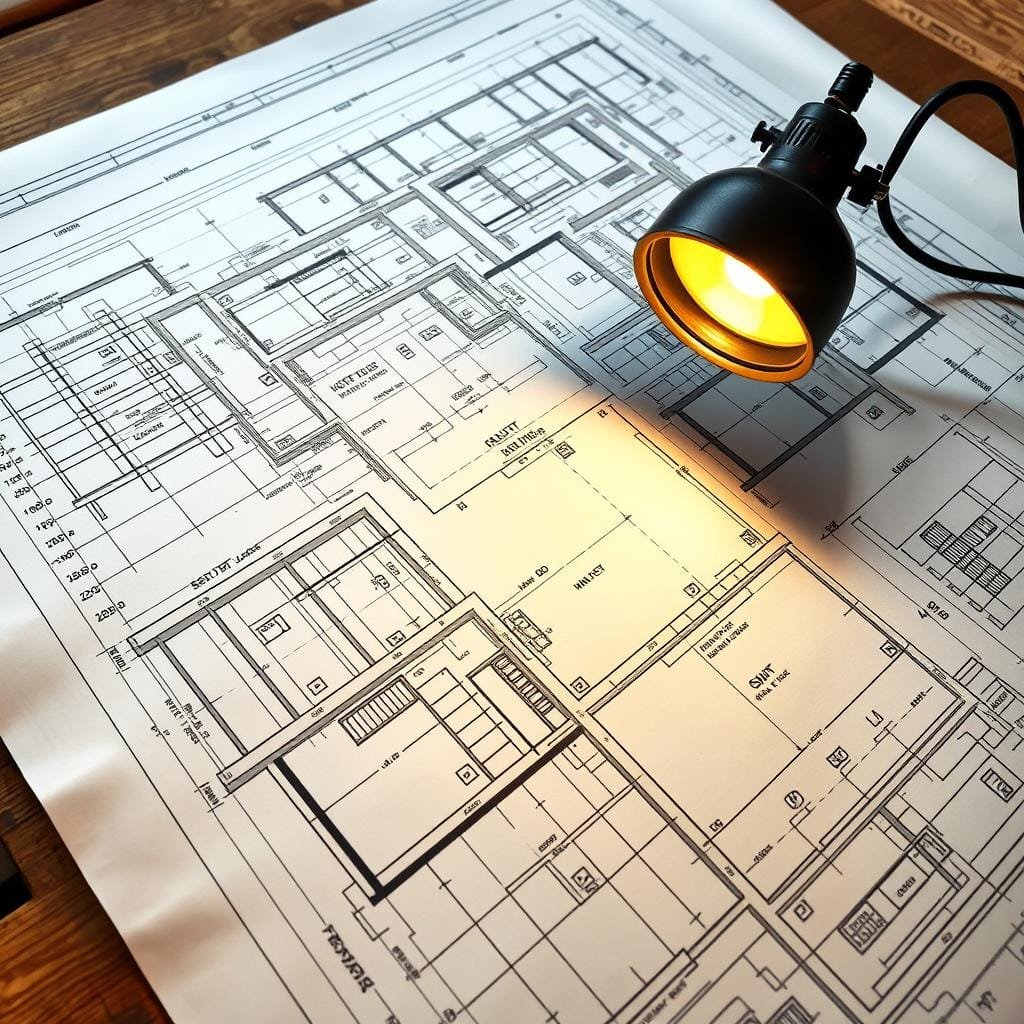
You should look for more than just a simple sketch. Top-tier options offer detailed blueprints with the technical specs needed for construction.
These valuable packages often include step-by-step building directions. They also provide photos of the finished project for visual guidance.
A complete list of materials helps you estimate costs accurately. A cutting list is another great feature, as it optimizes lumber use and reduces waste.
The technical drawings in a full plan set are extensive. They ensure every aspect of the structure is clearly defined for builders and contractors.
| Drawing Type | Purpose | Key Detail |
|---|---|---|
| Pier Foundation Detail | Shows base support structure | Specifies pier placement and depth |
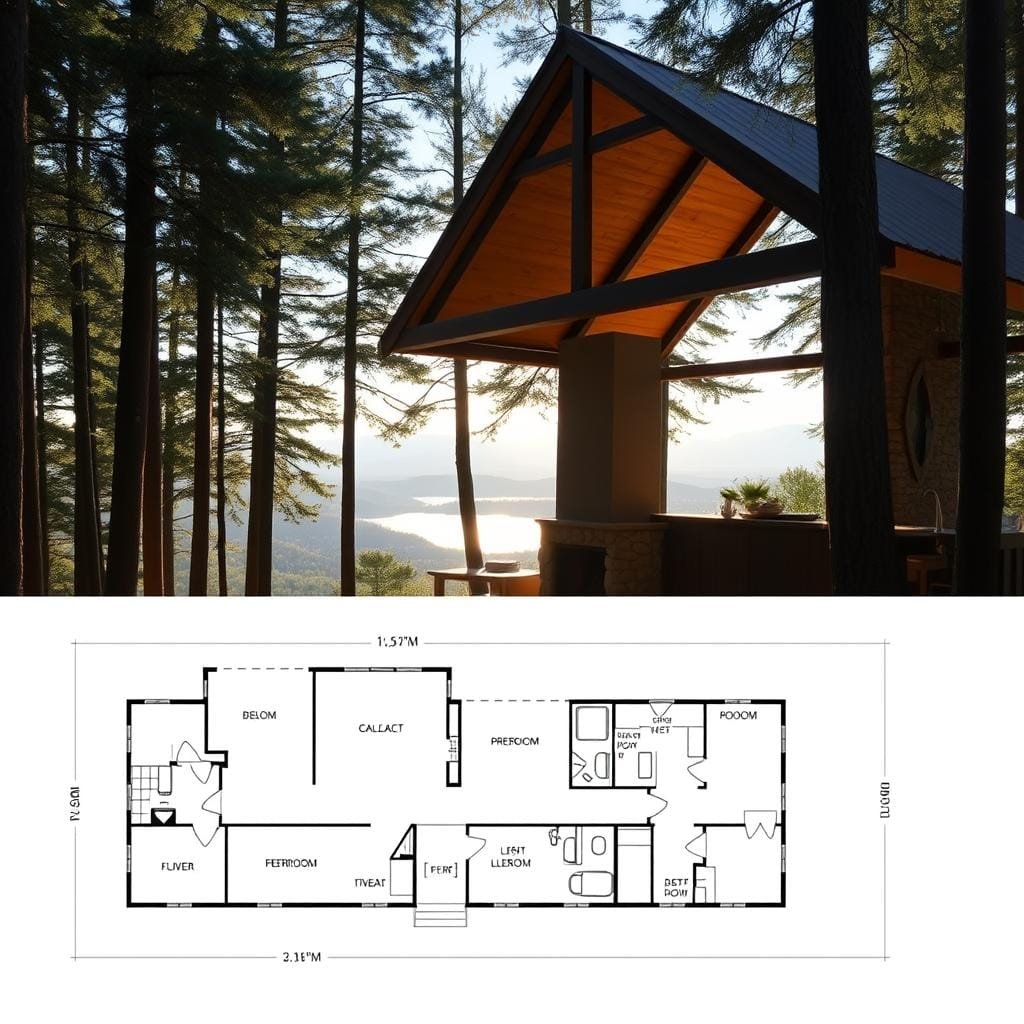
| Floor Plans (Ground & Second) | Illustrates room layout and dimensions | Includes wall locations and door swings |
| Elevations (Front, Rear, Sides) | Displays exterior views | Shows finished appearance and materials |
| Cross Section | Reveals internal construction | Details wall, floor, and roof assembly |
| Roof Rafter Plan | Outlines roof framing | Provides rafter sizes and spacing |
Always review what’s included before you download. This ensures you get sufficient information for your specific project needs.
Understanding the level of detail helps you pick the right resource for your skills. Some offer basic info, while others provide contractor-grade documents.
Navigating Cabin Design Options and Styles
The style you choose for your woodland home reflects your personality and how you intend to use the space. Exploring different layouts helps you find the perfect match for your land and lifestyle.
Rustic, Modern, and Tiny Cabin Layouts
The world of cabin architecture offers incredible variety. You can select from traditional log home aesthetics with rustic charm or sleek modern designs featuring clean lines.
Tiny layouts are a popular choice for their affordability. They often use prefabricated pieces, making them ideal for smaller budgets and plots.
Your selection should complement your natural surroundings. Consider whether you prefer the warmth of timber or the simplicity of contemporary materials.
Incorporating Lofts and Open Spaces
Adding a loft is a brilliant way to maximize vertical space. This design creates extra sleeping areas or storage without expanding the foundation.
Open concepts that minimize interior walls create a feeling of spaciousness. This allows light to flow freely, making the area feel larger than its square footage.
This element is especially popular in log home designs. It takes advantage of high cathedral ceilings while adding functional living room.
Pay close attention to how a layout utilizes every square foot. A great design ensures the flow from one room to another feels natural and purposeful.
DIY Cabins, Kits, and Building Considerations
Taking on a DIY cabin project puts you in the driver’s seat of your dream home’s creation. This path offers a unique blend of personal satisfaction and potential cost savings. Your choice between a full DIY approach and using a kit depends on your skills and ambition.
Advantages of Cabin Kits for the DIY Enthusiast
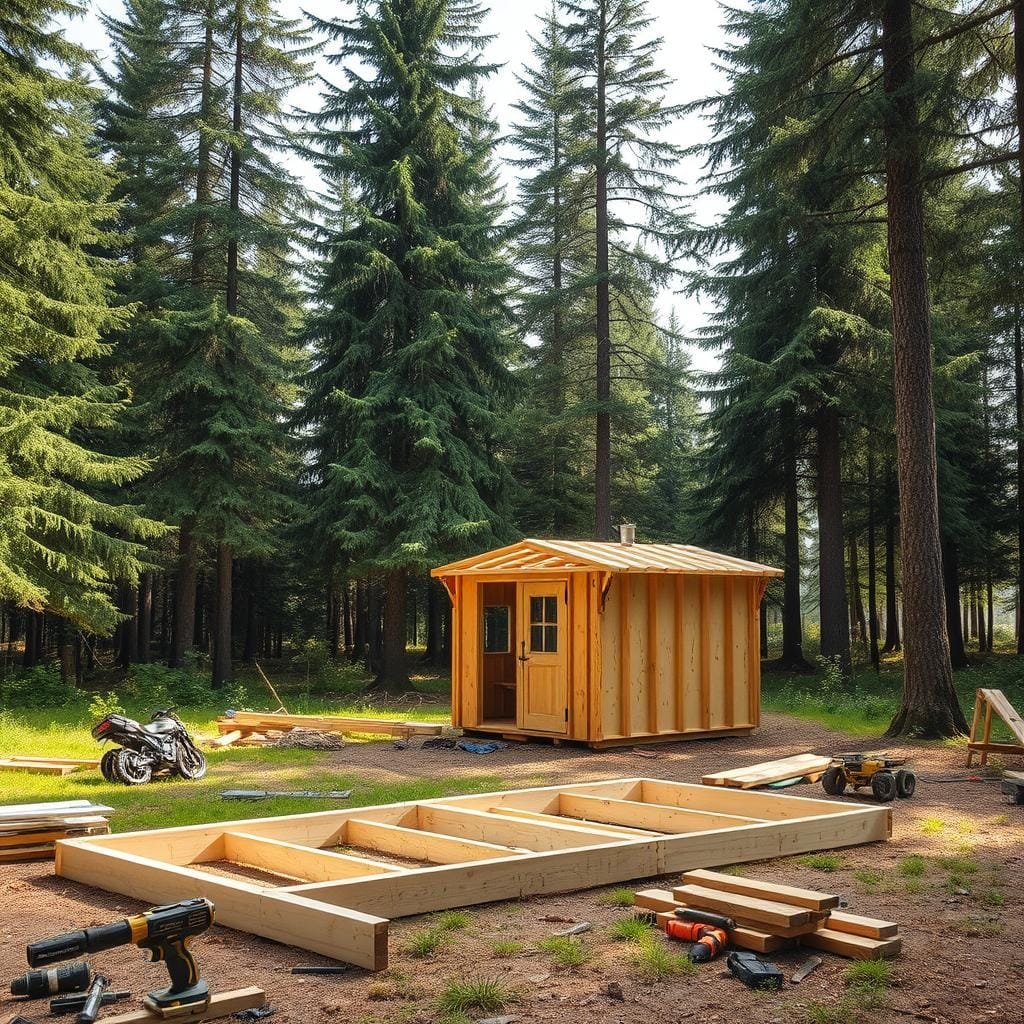
Cabin kits are a fantastic middle ground for hands-on builders. They provide a complete set of materials and detailed cabin blueprints, simplifying the initial stages. This eliminates the need to hire an architect, focusing your budget on the physical build.
You can choose your level of involvement. Options range from basic precut lumber packs to elaborate kits with prefabricated walls. This flexibility lets you match the project to your available time and construction expertise.
Key Building Materials and Resources
Successful construction starts with good preparation. Whether you source materials yourself or get them from a kit, understanding the plan is crucial. Detailed cabin plans illustrate every step, reducing the chance of expensive errors.
Consider the size of your structure early on. A smaller home requires less material and can be completed faster, which is ideal for a first-time build. This careful planning ensures your project stays on track and within budget.
Thoroughly reviewing your resources before starting saves time and frustration. A well-prepared builder is a successful builder, ready to create a sturdy and beautiful home.
Maximizing Space with Innovative Cabin Floor Plan Layouts
A well-designed small home can feel incredibly spacious. The secret lies in smart layouts that prioritize openness and clever features. This approach transforms a compact area into a comfortable and highly functional living space.
Clever Storage Solutions and Multi-Purpose Areas
The best designs make storage a seamless part of the room. Think about built-in drawers within walls or hidden cabinets. These solutions keep your belongings organized without cluttering your precious floor area.
Multi-purpose rooms are another key to maximizing your layout. A dining area can double as a workspace. A living room might include built-in sleeping nooks. This flexibility makes every square foot work harder for you.
Adding a loft is a powerful way to gain extra room. It creates valuable space for sleeping or storing seasonal items. Keeping these things up high frees up the main living area below.
| Solution | Best Use | Key Benefit |
|---|---|---|
| Built-In Wall Storage | Bedrooms, Hallways | Utilizes otherwise wasted wall cavities |
| Multi-Functional Furniture | Living Area, Loft | One piece serves two or more purposes |
| Strategic Loft Addition | Overhead Space | Adds significant storage or sleeping area |
Exploring various cabin design options can reveal even more creative ideas. The goal is a home that feels open, organized, and perfectly suited to your life.
Compliance, Building Codes, and Structural Engineering Insights
Building compliance isn’t just about paperwork—it’s about creating a safe, durable structure that meets community standards. These regulations protect your investment and ensure your project stands the test of time.

Adapting Plans to Local Regulations
Every building department has unique requirements for construction projects. Your first step should be visiting them to get their specific checklist for your lot.
Remember that any plan you find was designed for different local building codes. Regulations change over time, so verification is your responsibility. This prevents costly surprises during construction.
Your local building department typically provides a detailed list of everything needed for permits. This ensures your project meets current safety standards from day one.
When to Consult a Licensed Engineer or Architect
Some areas have strict structural engineering requirements due to natural risks. Earthquake zones like California need special considerations. Hurricane-prone coastal areas also demand expert review.
States including New York, New Jersey, and Nevada require professional approval. An engineer or architect must review your drawings in these locations.
Most stock plan sets don’t include professional stamps. If your building department requires one, budget for a local engineer to review and approve your drawings.
This structural engineering review ensures your design meets all safety codes. It’s especially important in high-risk areas where proper building techniques matter most.
Personalizing Your Cabin: Customizations and Add-Ons
Your dream getaway doesn’t have to fit into a standard template. Starting with existing drawings gives you a solid foundation while allowing creative freedom. You can tailor the layout to match your unique vision perfectly.
Modifying Blueprints to Fit Your Lifestyle
Professional modification services make personalization accessible. Changes typically start at around $1.00 per square foot. This affordable option lets you adapt a proven design to your exact specifications.
Common adjustments include resizing the structure for your budget and property. You might add or remove rooms based on family requirements. Incorporating special features like a covered porch enhances outdoor living.
Integrating Additional Spaces and Features
Consider how alterations affect your home’s functionality and flow. Even small changes can significantly improve daily living. Adjusting window placements captures better views while reconfiguring rooms improves traffic patterns.
Personalizing your layout addresses specific lifestyle needs effectively. You might create a dedicated office space or expand the kitchen for serious cooking. Adding a workshop area accommodates hobbies and projects.
Working with designers ensures modifications maintain structural integrity. They help achieve your vision while keeping the project compliant with building codes. This process lets you build on tested engineering rather than starting from scratch.
Exploring Barndominium and Tiny Home Inspirations
The movement toward simpler living has sparked a surge in creative housing alternatives. Barndominiums and tiny homes now offer families practical solutions as urban costs rise.
These compact house plans prioritize comfort through smart layouts. Even a 960-square-foot tiny home can feel spacious with open designs and minimal walls.
Stylish Front Porch Designs and Practical Details
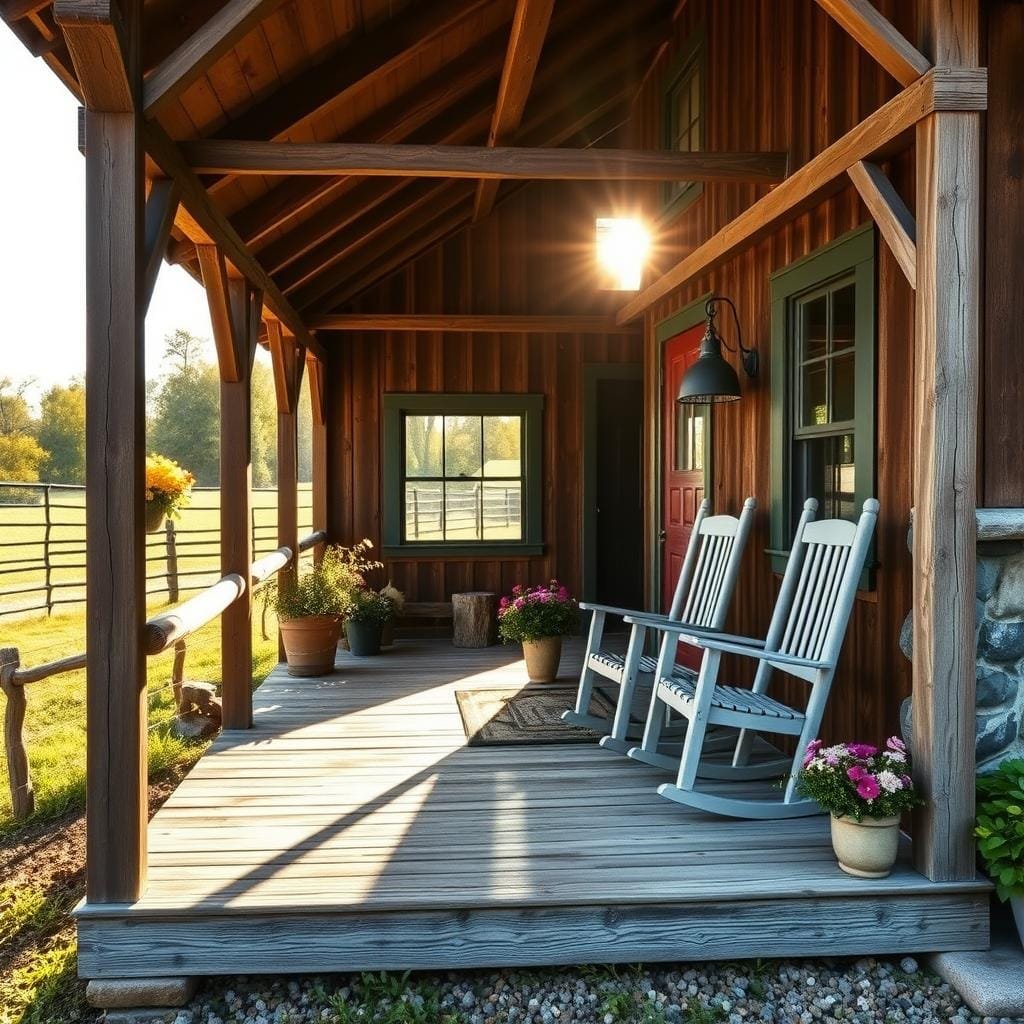
A well-designed front porch serves both aesthetic and functional purposes. This transitional space lets you shake off weather before entering your living space.
Many family home designs incorporate covered porches and back decks. These features extend your usable area while adding character to the house plan.
Loft areas provide additional room without expanding the floor footprint. Egress windows in these upper spaces ensure safety meets building codes.
Structural elements like hurricane ties offer peace of mind in storm-prone regions. Quality construction keeps your home firmly anchored to its foundation.
The popularity of these home plans reflects a cultural shift toward efficient living. Families are choosing designs that reduce financial burden while maximizing comfort.
Final Thoughts on Finding Your Dream Cabin Floor Plans
Transforming an empty plot into a cherished family home begins with a well-considered set of drawings. The right layout turns your vision into a comfortable reality that fits your life perfectly.
Choosing a size for your project is a key decision. It should balance your available budget with the characteristics of your lot. This ensures your new place is both affordable and practical to build.
Log cabin designs remain a timeless choice for many. Their natural appeal works beautifully in wooded settings. Exploring different house plans helps you find the style that feels like home.
This exciting journey brings you closer to the retreat you’ve always wanted. With a solid plan as your guide, creating a space for lasting memories is an achievable and rewarding goal.