
Welcome to your guide on bringing electricity to your woodland retreat! Whether you’re planning weekend escapes or full-time remote living, having reliable energy transforms your cabin experience.
Cabin owners face an important decision about their electrical supply. You must choose between traditional utility connections and alternative energy systems that match your specific requirements.
This comprehensive resource explores all available options for your property. We’ll examine everything from permanent utility hookups to renewable solar setups. Our goal is to help you select the ideal solution for your situation.
Understanding your property’s electrical demands is the crucial first step. Consider factors like distance from existing infrastructure, local regulations, and long-term costs.
You’ll learn about installation processes, technical specifications, expenses, and maintenance needs for each approach. This knowledge empowers you to make the best choice for your retreat lifestyle.
Understanding Your Cabin’s Power Connection Options
When planning your retreat’s energy, you primarily face two distinct paths for a steady electrical supply. Each offers unique benefits and considerations for your lifestyle.
Permanent Wiring for Reliable Power Supply
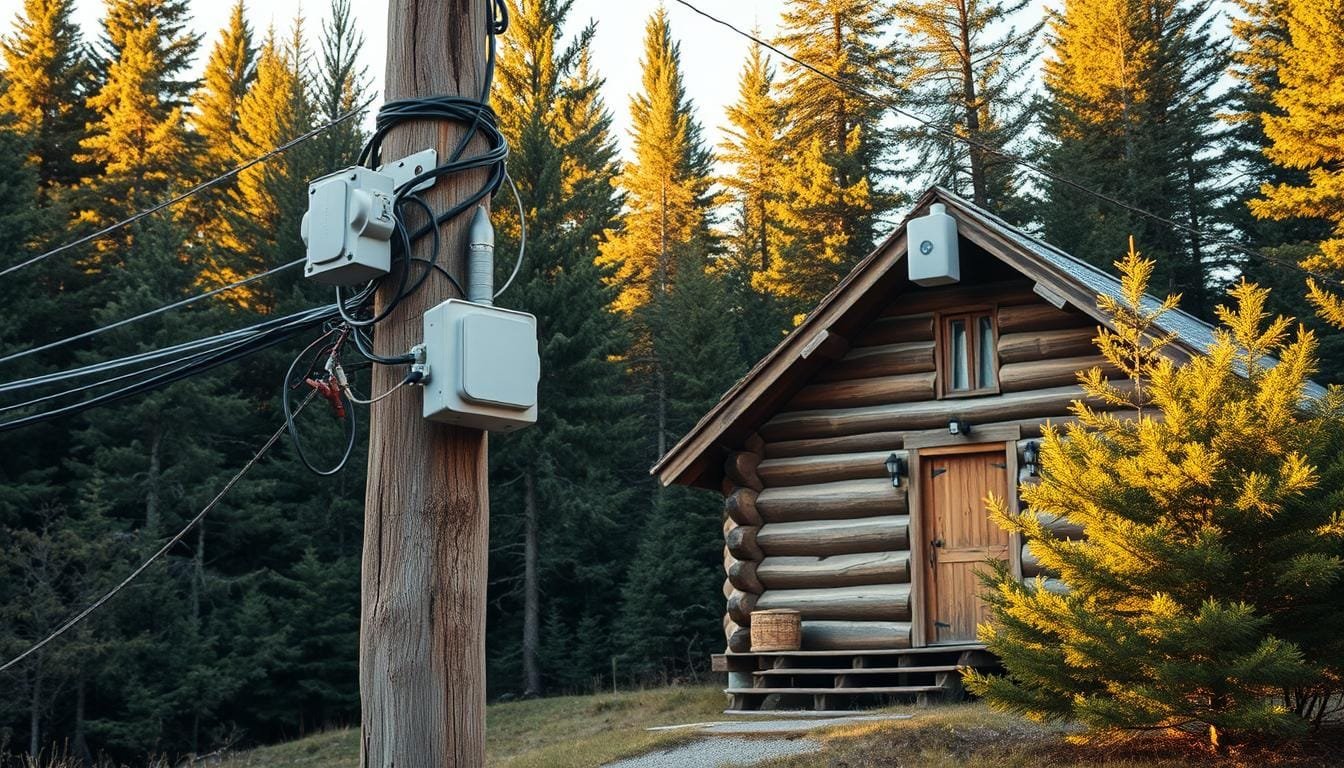
This traditional method links your property directly to the utility grid. A professional installs an underground cable, providing consistent electricity.
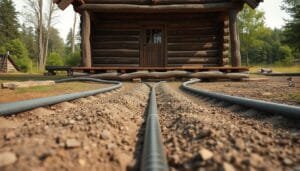
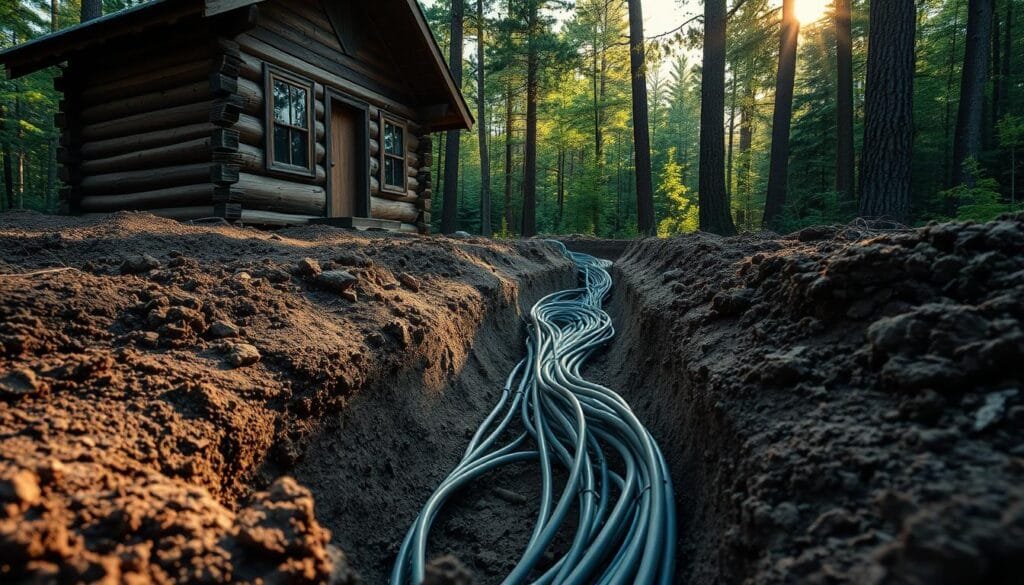
Installation requires permits and a licensed electrician. They dig a protective trench for the conduit and set up your indoor electrical panels.
The main advantage is reliable and stable electricity for all appliances. You get long-term availability without managing fuel.
However, high upfront costs and complex installation are significant factors to consider.
Fixed Solar Panel Systems Overview
This alternative uses sunlight to create a renewable power system. Panels on the roof capture energy, which is stored in batteries for use day and night.
Setting up this system involves evaluating your location for optimal sun exposure. Technicians then install the panels, inverters, and batteries.
The key benefit is free energy from the sun, leading to long-term savings. It’s an eco-friendly choice with minimal upkeep.
Initial investment can be high, and performance depends on weather. For a deeper look at combining methods, explore options for a grid connection with solar backup.
Essential Steps: How to Connect Cabin to Power Grid
Before any physical work starts, securing the right permissions is the most critical phase of your project. This groundwork ensures your system is safe and meets all local standards.
Preparation and Permitting Requirements
Your first task is researching local building codes. Regulations for electrical work vary greatly by jurisdiction.
Contact your local building department to understand the specific permits needed. You will submit applications with your site plans and system specifications.
Approval can take several weeks. Never begin digging or installation before you have the permits in hand.
Hiring a licensed and insured electrician is often a legal requirement, especially for services at or above 100 amps. They ensure the work passes inspection.
Choosing the Right Installation Path
A professional will assess the distance from the nearest utility access point to your property. This determines the best way to run the wiring.
Trenching depth is a key safety factor. Codes typically require a minimum depth of 24 inches. This protects the conduit from damage.
You have two primary choices for the underground run. The right option depends on your soil, distance, and future needs.
| Method | Best For | Key Consideration |
|---|---|---|
| Direct Burial Cable | Shorter distances, stable soil | Lower cost, but difficult to access for repairs |
| Conduit-Protected Wiring | Longer runs, rocky soil, future upgrades | Higher upfront cost, but allows for easy wire replacement |
Planning your timeline is essential. The entire process, from permits to the utility company making the final connection, requires sufficient time.
Make sure all inspections are complete before your utility energizes the system. This final step brings reliable electricity to your retreat.
Comparing Traditional and Renewable Power Solutions
The debate between conventional generators and solar systems presents cabin owners with important trade-offs. Each option offers distinct benefits and challenges for your energy needs.
Pros and Cons of Fuel-Based Generators
Traditional generators provide immediate electricity through internal combustion. They convert gasoline, diesel, or propane into usable power.
These units must operate outdoors for safety. This prevents hazardous gas accumulation indoors.
The main advantage is instant power availability. You can run appliances immediately after fueling.
However, ongoing fuel purchases create significant operational costs. Noise pollution and emissions are additional concerns.
Evaluating Solar Energy for Cabins
Solar panels capture free sunlight to generate clean electricity. This renewable approach eliminates fuel expenses.
The system requires minimal maintenance beyond occasional cleaning. It produces zero emissions during operation.
Initial investment for panels and batteries can be substantial. Performance depends on weather conditions and sunlight availability.
Proper battery storage bridges periods without sun. This ensures consistent power for your appliances.
Portable Power Solutions and Their Benefits
For cabin owners seeking ultimate flexibility, portable power stations offer a revolutionary approach to energy independence. These innovative systems combine solar efficiency with exceptional mobility.
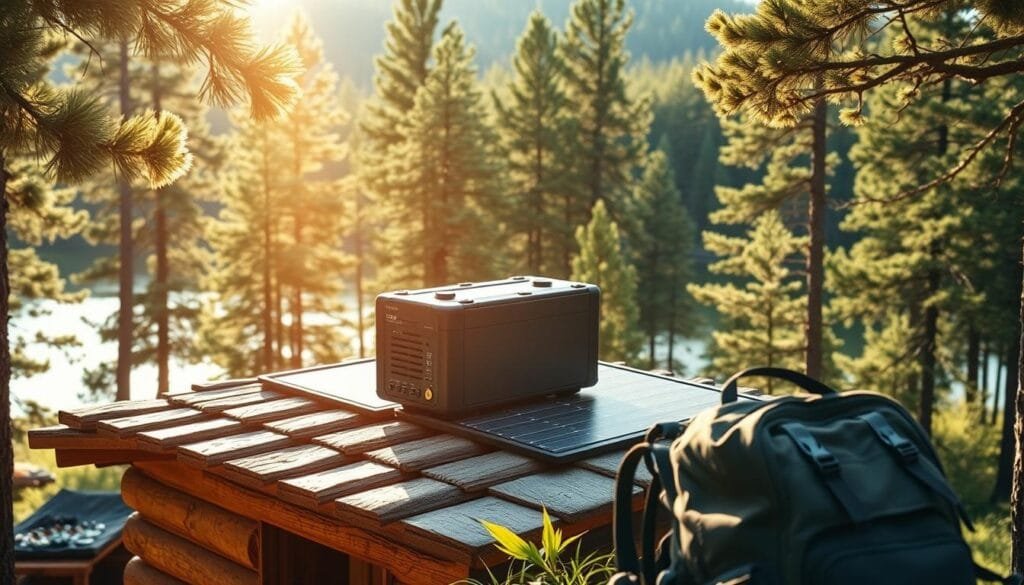
Modern portable power solutions work through simple setup processes. You unfold compact solar panels and position them in sunny locations. Then connect them to integrated battery systems that store energy for anytime use.
Advantages of Portable Solar Generators
These systems operate silently without engine noise or fumes. They require minimal maintenance with no fuel changes needed. The ability to relocate the entire system provides unparalleled flexibility.
Portable power stations can run various appliances simultaneously. They feature multiple outlet types including AC, USB-A, and USB-C ports. This versatility powers everything from lights to refrigerators without complex wiring.
Flexibility for Remote Cabin Use
The Jackery Solar Generator 2000 Plus offers impressive capacity. Its 2 kWh base expands to 12 kWh for growing needs. With 3000W output, it handles power-intensive appliances effortlessly.
For mid-sized cabins, the Jackery Solar Generator 1000 v2 provides balanced performance. It features 1070 Wh capacity with 1500W output. Advanced safety technology includes 62 layers of protection.
These portable solutions serve as excellent backup power during outages. Their mobility allows easy transportation between locations. Unlike permanent installations, they require no permits or professional help.
Off-Grid Solar Cabin Kits for Sustainable Living
Living completely off-grid requires a reliable energy solution that matches your sustainable lifestyle. These comprehensive kits provide everything needed for independent power generation.
Key Components and System Setup
Photovoltaic panels capture sunlight and convert it into DC electricity. This energy flows to a battery bank for storage through a charge controller.
The charge controller regulates power flow to prevent battery damage. An inverter then converts stored DC power to AC electricity for standard appliances.
Some appliances can run directly on 12V DC power from the battery. This approach is more energy-efficient than using an inverter constantly.
Adapting Kits to Your Energy Needs
Proper sizing ensures your solar system meets daily power requirements. Calculate total appliance consumption to determine battery capacity needs.
Consider your location’s average sunlight hours when selecting panel array size. Proper component compatibility guarantees reliable performance for your remote retreat.
These kits offer complete energy independence from utility companies. You eliminate monthly electricity bills while reducing your carbon footprint significantly.
The renewable power source requires minimal maintenance once installed. Your sustainable energy solution provides long-term cost savings and environmental benefits.
Technical Considerations and Local Code Compliance
Technical details and compliance standards form the foundation of any successful cabin electrical project. Getting these elements right ensures your system operates safely and efficiently for years.
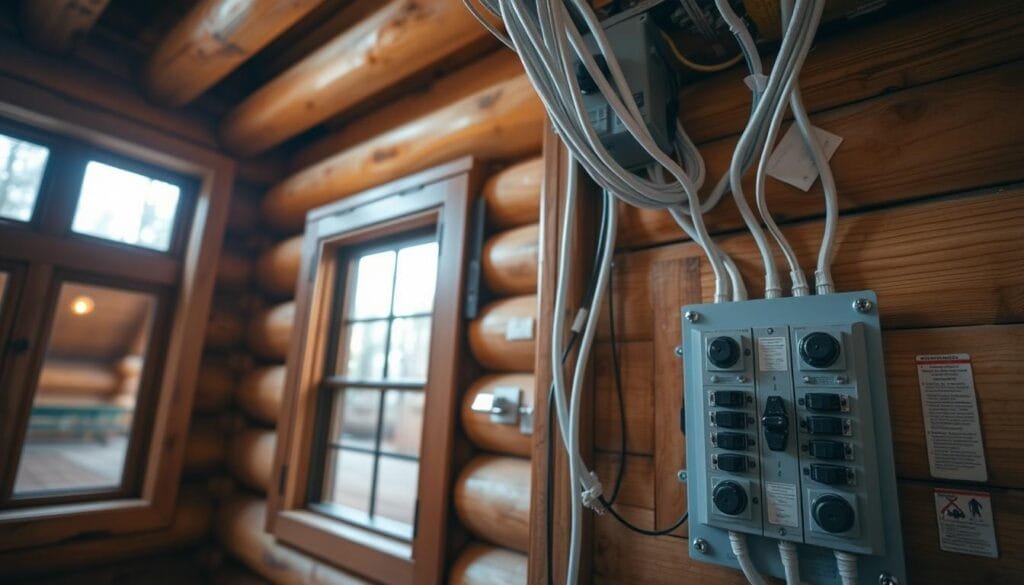
Proper wiring specifications are crucial for handling the electrical load. For a 100 amp service running 30-40 feet, #2 AWG aluminum wire typically meets requirements. This includes three conductors plus a separate ground wire.
Wiring Specifications and Trenching Depths
Underground burial needs careful planning. Most codes mandate a minimum 24-inch trench depth. Areas with vehicle traffic may require deeper installation.
Conduit protection is essential where wiring rises above ground level. Use sweep bends instead of sharp angles for easier installation. This approach simplifies the setup process.
Proper grounding ensures safety throughout your cabin system. Install two ground rods spaced six feet apart. Drive them eight feet deep or bend if rock prevents full depth.
Safety Practices and Professional Guidance
Subpanel installation requires specific attention. The neutral and ground bars must remain separate in your cabin panel. Bonding only occurs at the main service panel.
Use antioxidant paste on all aluminum connections. This prevents corrosion and maintains reliable electricity flow. Mark the neutral conductor with white tape for clear identification.
Many jurisdictions require licensed electricians for 100 amp installations. Professional guidance ensures code compliance and safe power delivery. Always verify local requirements before beginning work.
Wrapping Up Your Cabin Power Connection Journey
Selecting the ideal electrical setup for your remote property involves weighing multiple considerations that impact your long-term satisfaction. Each energy solution offers distinct advantages for different situations and owner preferences.
Three critical factors guide your decision: calculating your exact power needs, balancing upfront costs against long-term expenses, and evaluating your location’s conditions. These elements determine which system best serves your cabin’s requirements.
Portable power stations stand out for their exceptional flexibility and eco-friendly operation. They provide reliable electricity without ongoing fuel costs or complex maintenance.
Most owners benefit from hybrid approaches that combine multiple energy sources. This strategy ensures continuous power availability while maximizing efficiency and sustainability for your retreat lifestyle.