
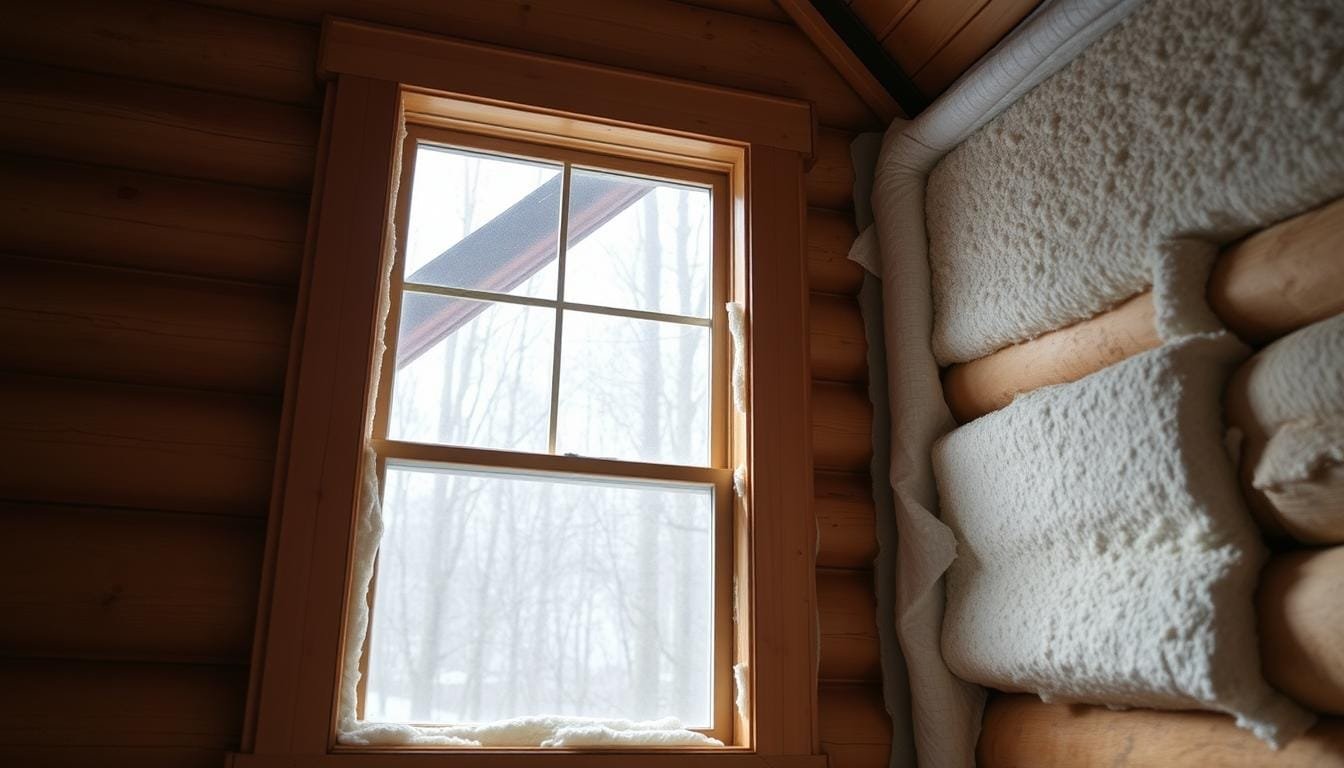

Your retreat should be cozy, not cold. Drafty windows can make it uncomfortable. Windows can use up to 30% of energy in winter.
Without good insulation, cold air gets in and warm air goes out. This means high energy bills and a chilly home. But, insulating windows well is easy and affordable.
Insulating for winter or all year keeps your home warm. It makes your home more comfortable and saves on heating. Like insulating log cabin walls, covering all insulation needs is key.
This guide shows you how to insulate your windows. Find solutions for both weekend guests and full-time residents. You’ll learn to make your cabin more energy-efficient without spending a lot.
Why Proper Window Insulation Matters for Your Cabin
Your cabin’s windows are key to saving energy. They can use up to 30% of heating and cooling energy. This number goes up for older cabins or places with extreme weather.
Cabins face special challenges. They are often in remote areas with harsh weather. This makes windows work harder.
Poor window efficiency raises heating costs. Uninsulated windows make your furnace or stove work non-stop. This raises your energy bills a lot.
Good insulation brings three big benefits:
- Significant energy savings from less heat loss in winter
- Enhanced cabin comfort with even temperatures everywhere
- Longer-lasting windows from less cold damage
Imagine a cozy evening by the fire, but cold drafts make it hard to relax. Frost on windows in the morning is even worse.
Poor insulation is not just uncomfortable. It makes your HVAC systems work too hard. This leads to more repairs and costs sooner.
Insulation is important all year. It keeps your cabin cool in summer too. This means less need for fans or AC.
Investing in insulation is smart. You’ll feel more comfortable right away. Your heating system will last longer and need less fixing.
Window insulation is like protecting your cabin for the future. It keeps temperatures steady and prevents moisture damage. This keeps your cabin in great shape for years.
Improving your cabin’s energy savings means lower bills. Whether you visit often or not, insulation makes your cabin more comfortable and efficient all year.
Assessing Your Cabin Windows Before Insulating
Checking your cabin windows before insulating saves money and makes sure your insulation works. A good window check helps find problem spots and pick the best fixes. This way, you focus on windows that lose the most heat.
Walk around your cabin and note which windows feel coldest. High energy bills, condensation, and rattling frames show heat loss. These signs tell you where to start insulating.
Identifying Air Leaks and Drafts
Use a lit candle or incense stick to find air leaks. Hold it near window edges on windy days. Smoke or flickering flames mean air is getting in.
Feel temperature differences around window frames with your hand. Cold spots show where air leaks in.
Air leaks often happen in certain spots around cabin windows. Check these areas carefully:
- Between the window frame and the wall opening
- Where the glass meets the wooden muntins or dividers
- Along the top and bottom sashes of double-hung windows
- At the corners where frame pieces join together
- Around window locks and latches
Condensation or frost on the inside of your glass means poor insulation. This shows single-pane windows or broken seals in double-pane ones.

Evaluating Window Condition and Frame Type
Assessing your window frames helps decide if insulation or replacement is better. Look for rotted wood by pressing a screwdriver into the frame. Soft wood means rot and won’t hold weatherstripping.
Check double-pane windows for broken seals by looking for fog or moisture. This cloudiness means the insulating gas has escaped.
Different frame materials need different insulation:
- Wood frames: Accept adhesive weatherstripping easily and can be caulked effectively
- Vinyl frames: Work well with compression weatherstripping and foam tape
- Aluminum frames: Conduct cold efficiently and benefit most from interior storm windows
- Fiberglass frames: Handle temperature changes well and accept most insulation methods
Count how many panes each window has. Single-pane windows lose heat fastest and need the most help. Double-pane windows also benefit from extra insulation, while triple-pane ones need only minor sealing.
Measuring for Materials and Planning Your Approach
Accurate measuring windows ensures you buy the right materials. Start by measuring the width and height of each window opening at three points. Use the smallest measurement to fit your materials.
For weatherstripping and window film, measure the glass area and the full frame. Note the frame depth, as some products need clearance. This prevents trips back to the store.
Create a simple spreadsheet or notebook page for each window with this information:
- Window location (north bedroom, kitchen, etc.)
- Dimensions (width, height, frame depth)
- Frame type and condition
- Specific problems noticed (drafts, condensation, rattling)
- Severity rating (1-5, with 5 being worst)
Take photos of problem areas with your phone. These pictures help you remember details when shopping and planning. Focus on gaps, cracks, damaged areas, and unique features.
Prioritize windows based on heat loss. Start with north-facing windows and those in bedrooms or main living areas. Windows on the windward side also need early attention.
Consider your budget when planning. You don’t need to insulate every window at once. Fixing the worst first improves comfort while spreading costs.
Understanding Your Window Insulation Options
There are many ways to insulate windows in cabins, from quick fixes to big upgrades. The best choice depends on your budget, how often you use your cabin, and if you plan to stay long-term. Each type of insulation option has its own benefits. Knowing what’s out there helps you make a smart choice for your needs.
Window insulation is like a scale, not a yes or no choice. You can start with easy, cheap fixes and add more as needed. Many people mix different insulation methods to find the best fit for their cabin.
Temporary Seasonal Solutions
For quick, affordable fixes that won’t harm your windows, temporary window insulation is a good start. These solutions are perfect for seasonal cabins or rentals where you need flexibility.
Plastic shrink film is a popular choice. You apply it with tape, then heat it to fit tight. It costs little and works well.
Bubble wrap is another creative fix. Cut it to size and stick it to the glass. It traps heat and lets light through.
Rope caulk is a mess-free option for gaps. It fills in cracks and peels off easily. It’s great for cabins used only in certain months.
Magnetic insulation panels are easy to use. They stick to metal frames without adhesive. They’re reusable for many seasons.
Semi-Permanent DIY Methods
For better results, DIY window solutions in the semi-permanent range are worth the effort. These options last longer and keep your cabin warmer than temporary fixes.
Weatherstripping seals gaps around windows. It’s easy to install and lasts three to five years. It cuts down on drafts and energy loss.
Caulking seals gaps for good. It’s a bit tricky to apply but stops air leaks. Use a flexible caulk that can handle temperature changes.
Cellular shades and thermal curtains offer insulation and style. Honeycomb shades reduce heat loss by up to 40%. Thermal curtains add extra protection, making them a good combo.
Interior storm window panels add an extra layer of insulation. They’re easy to install and remove. They make a big difference in keeping your cabin warm.
Professional-Grade Permanent Upgrades
For serious energy savings and comfort, permanent window upgrades are the best choice. They’re a good investment if you use your cabin all year or plan to keep it for a long time.
Exterior storm windows add a second layer of protection. They’re installed professionally for a perfect fit. They’re great for keeping historic windows while improving energy efficiency.
Replacing windows with energy-efficient ones is a big step. Modern windows have special coatings and gas fills. They save energy and make your cabin more comfortable, even though they cost more.
Triple-pane windows are the top choice for very cold areas. They have special coatings and gas fills. They’re the best for keeping your cabin warm in harsh winters.
Choosing between these options depends on your situation. Renters and those who use their cabin seasonally might prefer temporary solutions. Weekend visitors might like semi-permanent fixes. But if you live in your cabin full-time or plan to keep it for years, professional upgrades are the best choice for comfort and value.
How to Insulate Cabin Windows with Weatherstripping
Turning drafty cabin windows into energy savers starts with the right weatherstripping. This affordable fix blocks cold air, cuts heating costs, and boosts comfort all year. It’s perfect for older windows or to make your cabin more energy-efficient, with little effort needed.
Weatherstripping is easy to use and works well for many windows. Most people can do it in a weekend with tools they likely have. The trick is picking the right type for your windows and following the right steps.
Step 1: Choose the Right Weatherstripping Material
The right material makes a big difference in how well your windows stay sealed. Each type is best for certain windows and situations. Knowing this helps you pick wisely for lasting results.
What you choose depends on your windows, the gaps, your climate, and how often you open them. Let’s look at the top picks for sealing cabin windows.
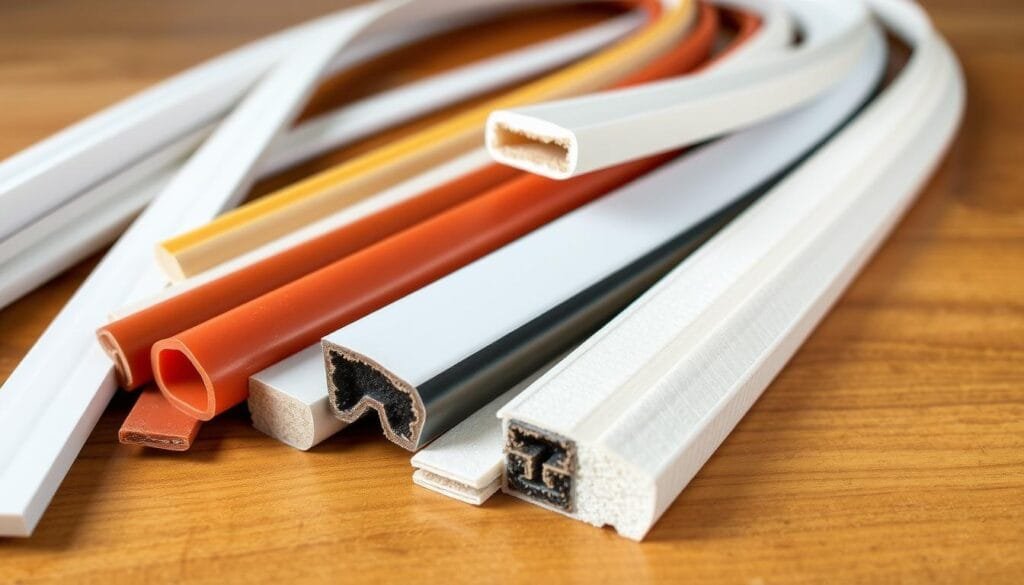
Foam Tape Weatherstripping
Foam tape is easy for beginners to use for insulating windows. It comes in different thicknesses and widths for various gaps. Just peel off the backing and press it onto the frame.
Foam tape is cheap and simple to put on. You can find it at any hardware store for a few dollars. It’s great for windows you don’t open much in winter.
But, foam tape loses its grip over time. It usually lasts one to three years before needing to be replaced. It’s best for seasonal use, not permanent sealing.
V-Strip Tension Seal
V-strip weatherstripping makes a tighter seal with spring tension, not compression. It forms a “V” shape that blocks air when the window closes. When installed right, it’s almost invisible.
V-strip is best for windows you open and close a lot. It lasts three to five years, making it a smart long-term choice. It works well on double-hung windows where the sashes slide up and down.
Installing V-strip takes a bit more skill than foam tape. But the effort is worth it for a seal that lasts without degrading quickly.
Felt and Reinforced Vinyl Options
Felt is the cheapest option. It’s good for areas where windows don’t move much. Felt needs to be replaced every year or two.
Reinforced vinyl is durable and priced well. It has a flexible vinyl strip on a metal or wood base. It’s better at handling moisture and lasts longer than foam tape.
Both felt and reinforced vinyl have their uses. Use felt for fixed windows or where there’s little movement. Save reinforced vinyl for windows that get used a lot.
Step 2: Clean and Prepare Window Frames
Cleaning the frames is key for weatherstripping to stick well and last. Dirt, dust, and old adhesive can stop it from bonding. Preparing the surface right is important for lasting results.
First, remove any old weatherstripping. Use a putty knife or scraper to lift it, then clean off old adhesive with rubbing alcohol. This solvent removes sticky residue without harming paint or wood.
After removing old materials, wash the frame with warm soapy water. Focus on corners and crevices where dirt builds up. Rinse well and let dry completely before applying new weatherstripping. Moisture stops adhesive from sticking well.
Wait at least 30 minutes after cleaning before applying new weatherstripping. This lets any moisture evaporate. If it’s cold, warm the adhesive with a hair dryer before applying for better bonding.
Step 3: Measure and Cut Weatherstripping Accurately
Getting the measurements right is key to a tight seal. Measure each part of the window separately because older cabins often have irregular windows.
Use a tape measure to get the exact length for each section: top, bottom, and sides. Write these down to avoid mistakes. For foam tape and felt, add 1/4 inch to each measurement for compression when the window closes.
Cut each piece with sharp scissors or a utility knife for clean edges. Ragged cuts let air through. For V-strip, cut the ends at 45-degree angles for corners.
Do a dry fit before removing the backing. This lets you catch any measurement errors before you commit. Make any needed adjustments at this stage.
Step 4: Apply Weatherstripping and Test for Gaps
Installing weatherstripping right ensures it works well to keep drafts out. Start at the top and work down. This keeps dust off the adhesive below.
Peel back about 6 inches of backing at a time. This lets you adjust as you go without sticking to itself or getting dirty. Press it firmly into place with even pressure. Check the whole length for full contact, paying extra attention to corners.
Let the adhesive cure for 24 hours for the strongest bond. After curing, test by closing the window and checking for compression. It should compress a bit but not block the window.
Do a final draft test by holding your hand near the window on a windy day or using a lit incense stick. If you see air leaking, add more weatherstripping or adjust the compression.
| Material Type | Best Application | Expected Lifespan | Difficulty Level | Cost Range |
|---|---|---|---|---|
| Foam Tape | Seasonal sealing, infrequently opened windows | 1-3 years | Beginner-friendly | $3-$8 per roll |
| V-Strip Tension Seal | Operable windows, double-hung styles | 3-5 years | Intermediate | $8-$15 per roll |
| Felt Weatherstripping | Low-friction areas, fixed windows | 1-2 years | Beginner-friendly | $2-$6 per roll |
| Reinforced Vinyl | High-use windows, moisture-prone areas | 3-4 years | Intermediate | $10-$18 per roll |
Installing Window Insulation Film for Heat Retention
Looking for a cheap fix for drafty windows? Window insulation film is a great choice. It creates a warm air pocket that keeps your cabin cozy. Plus, it’s easy to do and only costs about $20 per window.
The film is almost invisible once on, letting light in but keeping cold out. You can find it at home stores. It’s perfect for cabins during the cold months. Just remove it when spring comes without leaving any mess.
Gather Your Materials and Tools
Before you start, get all your stuff ready. This saves you from running to the store mid-project. An insulation kit usually has the film and tape for standard windows.
Make sure your kit fits your window size. Cabin windows come in different sizes, so measure first.
- Window insulation kit with plastic film and mounting tape
- Sharp scissors for cutting film and tape
- Hair dryer with medium to high heat settings
- Glass cleaner and lint-free cloths
- Tape measure for accurate sizing
- Helper (optional but useful for larger windows)
Get an extra kit if it’s your first time. Having extra stuff makes you feel more confident.
Clean the Glass Thoroughly
Cleaning is key for tape that lasts all winter. Dust, grease, and moisture stop the adhesive from sticking. Take your time to make sure the surface is clean.
First, spray glass cleaner all over the window. Then, wipe it clean with a lint-free cloth. This removes dirt and grime.
Next, clean the frame where you’ll put the tape. Use a damp cloth to get rid of dust from corners and edges. Be extra careful with painted or varnished wood frames. They need to be dry for the tape to stick well.
Wait 15 minutes after cleaning to let everything dry. Even a little bit of moisture can ruin the tape’s grip all winter.
Apply Double-Sided Tape to the Frame
The tape goes on the frame, not the glass. Put it around the whole window, keeping it even from the glass edge. This makes the air gap for keeping warm air in.
Press the tape down firmly as you apply it. Use your finger to press each part hard. This makes the adhesive work right.
For neat corners, cut the tape and overlap it a bit. This avoids the tape coming loose at sharp points. Keep the backing on until you’re ready to put on the film.
Attach the Film and Remove Wrinkles
Unfold the film carefully without making creases. It tears easily, so be gentle. Remove the backing from the tape as you go.
Start at the top and press the film onto the tape. Work your way around, making sure each side is stuck before moving on. Don’t worry about wrinkles and loose spots now. They’ll get better later.
The film will look loose and wrinkly at first. This will change when you heat it up next.
Use a Hair Dryer to Shrink and Tighten
Heat-shrinking makes the film tight and smooth. Use a hair dryer on medium-high heat, about six inches from the film. Start in a corner and move across the window.
Watch as wrinkles disappear and the film tightens. Keep the dryer moving to avoid melting the plastic. It usually takes just a few minutes per window.
Keep heating until the film looks smooth and tight. You’ll know it’s done when there are no wrinkles left and it’s almost invisible on the glass.
Trim any extra film with scissors for a clean look. Your window insulation film is now ready to keep your cabin warm. This simple step can greatly reduce heat loss while letting in plenty of natural light.
Sealing Gaps and Cracks with Caulk and Foam
Proper caulking windows makes your cabin cozy all year. Even the best weatherstripping won’t stop air leaks if the frame is not sealed. This stops drafts and boosts your cabin’s energy efficiency.
Window caulk and expanding foam seal small and big gaps. They stop air leaks that raise your heating costs. These seals last for years with little upkeep.
Step 1: Identify All Cracks and Gaps Around Windows
Start by checking the windows’ inside and outside frames. Look where the frame meets the wall, as gaps are often big here. Many miss cracks because they don’t know where to look.
Use a flashlight to spot light coming through cracks from outside. Hold the light against the frame while someone inside looks for light beams. This shows hidden gaps.
On windy days, feel for air movement around the window. Even small drafts mean sealing gaps are needed. Mark all problem spots with painter’s tape.
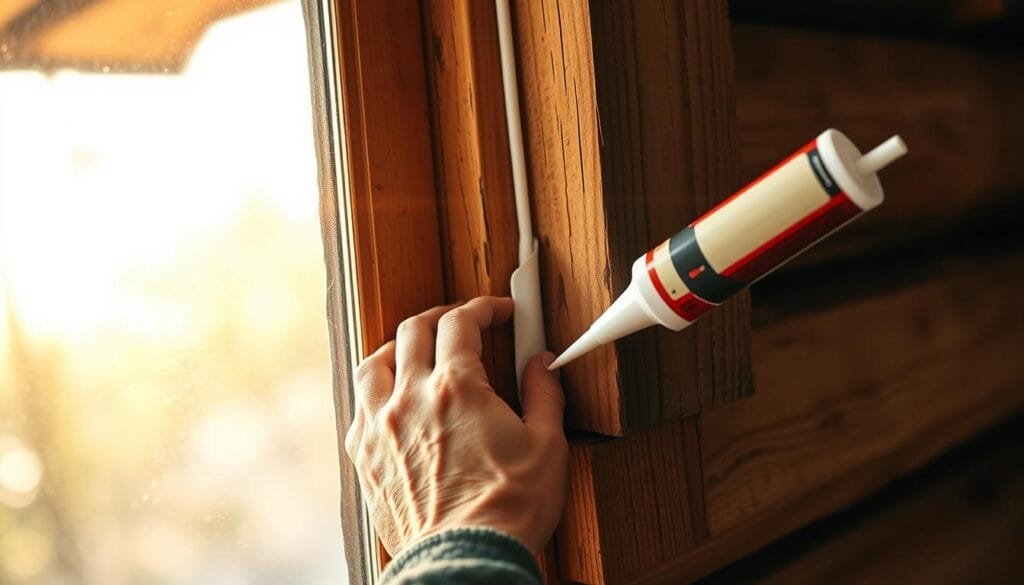
Check both sides of your windows, as gaps may appear differently. Don’t forget the sill area under the window. Make a plan to cover every inch of every window.
Step 2: Choose Between Caulk and Expanding Foam
The right window sealant depends on the gap size and location. Use caulk for small cracks less than one-quarter inch. For bigger gaps, choose expanding foam.
Know when to use each product for lasting results. Caulk seals between stationary parts and works for paintable areas. Foam fills large spaces and irregular gaps well.
When to Use Silicone or Acrylic Latex Caulk
Silicone caulk is best for exterior use around cabin windows. It stays flexible in extreme temperatures. This is key for cabins with harsh weather.
Use silicone outside where weather, moisture, and UV rays are a concern. It’s more expensive than latex but lasts longer. Remember, most silicone caulks can’t be painted.
Acrylic latex caulk is great for inside window sealing. It’s easy to clean up, has less odor, and accepts paint. This makes it perfect for areas you want to paint.
Latex caulk is better for interior use because it’s easier to work with and clean up. You can smooth it with a wet finger. For painted trim, latex caulk disappears under paint.
When to Use Expanding Spray Foam
Expanding foam is key for gaps over one-quarter inch or for serious insulation. It fills large voids well. These voids are major heat loss sources.
Foam’s high R-value insulates well and seals irregular spaces. It expands to fill every gap. Choose minimal-expanding foam for windows to avoid warping the frame.
Use foam where looks don’t matter, as it can’t be smoothed like caulk. The dried foam needs trimming. Once trimmed and painted, it blends in well.
Step 3: Apply Sealant Properly
Preparation is key for lasting seals. Clean all areas before applying window sealant. Remove old caulk, peeling paint, dust, and moisture.
For window caulk, cut the tube tip at a 45-degree angle. Smaller tips are better for narrow cracks. Load the tube into a caulk gun and apply steady pressure.
Keep pressure even to avoid gaps or lumps. Don’t stop and start too much, as this weakens the seal. Practice on cardboard first if you’re new to caulk guns.
When using expanding foam, start by filling gaps halfway. Foam triples in size during curing. You can always add more foam, but excess is hard to clean.
Wear disposable gloves with foam because it sticks to everything. Work in small sections before the foam cures. Keep a damp rag nearby to wipe the applicator tip.
Apply foam in a continuous bead, moving steadily. For deep gaps, apply foam in layers. Each layer needs time to expand and cure before adding the next.
Step 4: Smooth and Finish for Clean Results
Smooth fresh caulk within minutes of application. Use water or a caulk tool to create a smooth profile. This pushes the caulk deeper into the gap.
Work in short sections when sealing gaps. Smooth each area right after applying. Keep a damp cloth handy to wipe your finger clean.
For sharp corners and edges, use painter’s tape. Remove the tape right after smoothing but before the caulk skins over. This creates clean lines.
Let expanding foam cure fully before trimming. This usually takes eight hours or overnight. Use a sharp knife or serrated blade to cut away excess foam.
After trimming foam, apply caulk for a smoother finish. This works well for visible areas. Once the caulk cures, paint over it for a seamless look.
Check your work from both inside and outside the cabin. Look for any missed spots or touch-ups needed. Sealed windows should show no light and feel draft-free.
Using Cellular Shades and Thermal Curtains Effectively
Cellular shades and thermal curtains make your cabin windows energy-efficient. They block out extreme temperatures. These insulated window treatments are stylish and practical. They keep your cabin warm in winter and cool in summer.
Honeycomb shades trap air in pockets, slowing heat transfer. Thermal curtains have foam cores for extra insulation. Together, they can reduce thermal energy loss by up to 25%. This makes them great for saving energy and keeping your cabin comfortable.
Choosing the right shades and curtains is key. You need to think about cell sizes, mounting methods, and layering. Let’s look at how to pick and install them for the best results.
Selecting the Right Honeycomb Cell Size
Cellular shades come in different sizes and configurations. Each size offers different insulation levels. The right size affects both how well they insulate and how they look.
Standard sizes include 3/8 inch, 1/2 inch, 3/4 inch, and 2 inches. Larger cells have more insulating air pockets, perfect for cold climates. Smaller cells are sleeker but offer less insulation.
You can choose from single-cell, double-cell, or triple-cell shades. Double-cell shades have two layers for better insulation. Triple-cell shades are best for extreme weather.
https://www.youtube.com/watch?v=VAyZBphPxoo
Think about your window size when picking cell sizes. Big windows need bigger cells to fit well. Small windows look better with smaller cells.
Light control is important too. Blackout shades block all light, great for bedrooms. Light-filtering shades let in soft light, good for living areas.
| Cell Size | Insulation Level | Best Application | Visual Appearance |
|---|---|---|---|
| 3/8 inch | Good | Small windows, modern aesthetic | Sleek and compact |
| 1/2 inch | Better | Medium windows, balanced performance | Standard proportions |
| 3/4 inch | Excellent | Large windows, cold climates | More pronounced texture |
| 2 inches | Maximum | Extra-large windows, extreme weather | Bold, dramatic look |
Proper Installation for Maximum Efficiency
How you install your shades affects their performance. You can choose inside-mount or outside-mount. Each has its own benefits.
Inside-mounted shades fit within the frame, looking clean and built-in. They work best when frames are square and deep. Precise measurements are critical to avoid air gaps.
Outside-mounted shades attach to the wall or molding. They cover the whole window and frame. This method seals air gaps well, even with uneven frames.
For very drafty windows, add side tracks to your shades. These channels guide the shade fabric, stopping cold air. Side tracks make your shades even better at insulating.
Top-down/bottom-up shades offer flexibility. You can lower shades from the top for privacy or raise from the bottom for views. This way, you get both privacy and insulation.
Check for drafts around closed shades. Any air movement means gaps to fix. Adjust the mounting or add weatherstripping to seal these areas.
Layering Thermal Curtains with Other Insulation Methods
Using multiple window treatments creates better insulation. Cellular shades block heat transfer through glass. Thermal curtains add a layer that covers the whole window.
Mount honeycomb shades inside and thermal curtains outside for the best results. This setup creates multiple trapped air pockets that slow heat movement. Each layer helps keep warmth in winter or out in summer.
Thermal curtains have a decorative face and a dense insulating core. They also have a vapor barrier to reflect heat. For best results, extend curtains beyond the frame by at least 4 inches.
Wraparound curtain rods and side-mounting brackets help seal edges. These solutions prevent air from circulating behind the curtain and touching cold glass.
These treatments only work when closed. If you like natural light, you’ll have to choose. Many cabin owners use them at night or in cold weather. They open them during sunny days for free heating.
You can also use other methods like weatherstripping and window film with these treatments. Each layer adds protection. Together, they make your cabin comfortable all year.
Adding Storm Windows for Extra Protection
Storm windows are a great way to improve insulation without spending a lot. They add an extra layer of protection against the outside. This makes your cabin warmer in winter and cooler in summer.
They work by trapping air between the storm window and your main window. This air acts as insulation, slowing down heat transfer. You don’t have to replace your windows, which saves money and hassle.
Interior vs. Exterior Storm Windows
Choosing between interior and exterior storm windows depends on your cabin’s needs and your comfort with installation. Each type has its own benefits.
Exterior storm windows are the traditional choice. They go on the outside of your windows, keeping them safe from weather. They’re usually made of aluminum with glass or acrylic.
These windows stay up all year. They’re good for historic windows or areas with harsh weather. But, they need ladder work and change how your cabin looks from outside.
Interior storm windows are becoming more popular. They go inside your cabin, attached to the window frame or wall. They’re hard to see from outside, keeping your cabin’s look.
Installing them inside is easier and safer. You can take them off and clean them without using a ladder. They work like exterior ones but are more convenient.
But, you need to think about moisture. Exterior ones can trap water if not ventilated well. Interior ones might show condensation on the window behind them. Proper installation with small holes helps avoid these problems.
DIY Storm Window Installation Process
Installing storm windows yourself saves money and gives you control. It requires measuring and attention to detail. Most people can do it with basic tools.
Measuring and Ordering Storm Windows
Getting the right size is key for your storm windows to fit and work well. Measure the width and height of each window opening at three points. Use the smallest measurement for each.
Older cabins might have frames that aren’t square. Using the smallest measurement ensures a good fit. Remember to account for the depth of mounting hardware when measuring.
Decide if you want custom or standard sizes based on your budget and window size. Custom ones fit perfectly but cost more. Standard sizes are cheaper if your windows are common sizes.
Installing with Proper Sealing
Start by placing the storm window as the manufacturer says. Most have brackets or flanges for attaching to your frame or wall.
Make sure the window is level. A slight tilt can affect how well it works. Adjust it before you secure it.
Use the right fasteners for your cabin’s material. Wood siding takes wood screws, while vinyl or metal might need special ones. Space screws every 8-10 inches for a solid hold.
Seal the edges with weatherstripping or caulk. This stops air from getting in. Use a good caulk that stays flexible in cold.
Make sure exterior models have drainage holes. These holes let moisture out. Most storm windows have them, but check they’re not blocked.
Test any moving parts. If your storm windows slide or hinge, make sure they work smoothly. Hard-to-use parts will only get worse over time.
Maintaining Your Storm Windows
Regular care keeps your storm windows working well for years. They can last 20 years or more, making them a smart investment for your cabin.
Clean both sides of your storm windows and the windows behind them seasonally. Dirt and grime block light and damage seals. Use a mild soap and soft cloth to avoid scratches.
Check weatherstripping and seals every year for wear. Replace any damaged parts to keep the insulation tight. Most weatherstripping is cheap and easy to install.
Make sure weep holes are clear of debris, mainly for exterior installations. Clogged holes can cause moisture damage. A quick check during cleaning catches problems early.
Check mounting hardware for looseness. Temperature changes can make fasteners come loose. Tightening them in spring and fall prevents bigger issues.
Store removable interior models in a dry place during off-season. Keep them away from extreme temperatures. Wrap them in old blankets or bubble wrap to prevent scratches.
Insulating with Window Quilts and Magnetic Panels
Removable insulation lets you control the temperature and change your cabin windows with the seasons. These solutions work as well as permanent ones but are easier to switch up. They’re great for keeping your cabin cozy in winter and open in summer.
Window quilts and magnetic panels are top picks for those who like to change things up. They block cold air and let in light and views. Perfect for cabins that get used in different seasons.
Creating Custom Insulated Window Quilts
Window quilts are fabric panels made for your windows. They have three layers to keep warmth in. The outside layer is fabric that matches your cabin’s look.
The middle layer is insulation like batting or foam. This layer’s thickness decides how well it insulates. The inner layer helps keep moisture out and reflects heat.
Measure your windows carefully and add extra fabric for a good fit. This ensures the quilt covers the whole window. Getting the measurements right is key for good insulation.
Pick fabric that looks good and works well. The outside fabric should be strong and easy to clean. For insulation, use batting for mild climates or polyester for cold.
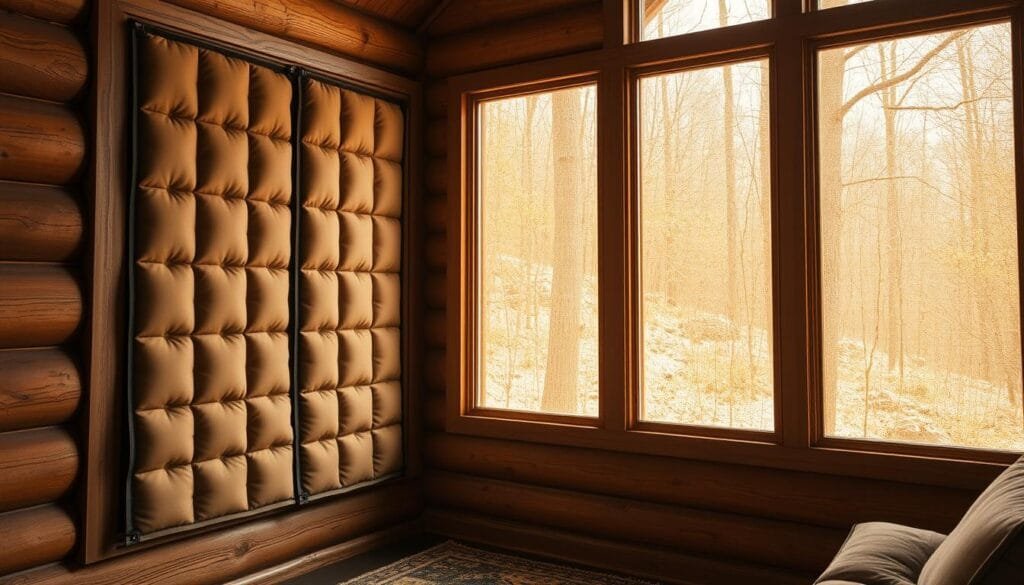
Put your quilt together by layering and sewing or tying the layers. This keeps the insulation in place. Space your stitches or ties about six to eight inches apart.
Add easy-on, easy-off attachments to your quilts. You can use Velcro, grommets, magnetic tape, or snap fasteners.
Even if you’re new to sewing, you can make a window quilt. Or, you can get one made by a pro. These quilts save energy and add charm to your cabin.
Using Magnetic Insulation Panels
Magnetic panels are a clever choice for metal windows. They use foam insulation and magnets for easy on and off. They’re great for cabins with metal frames.
Measure your windows to make panels that fit well. Use a utility knife to cut foam insulation. Choose foam thickness for the right R-value.
Decorative fabric makes your panels look good. Wrap fabric around the foam and secure it with adhesive or staples. This keeps the foam from falling apart and looks nice inside your cabin.
Attach strong magnets to the panels and your window frames. Make sure the magnets stick well. For heavy panels, use individual magnetic buttons instead of strips.
These panels are easy to store when not in use. They keep their shape and don’t wrinkle like other materials might.
Attaching and Removing for Seasonal Changes
Make a plan for when to put on and take off your insulation. Many people use it when it gets cold or at night. They remove it when it’s warmer to let in sunlight.
Plan how you’ll use your insulation based on your cabin’s needs. Use it all winter for the best energy savings. Or, take it off during the day for more light.
For cabins you don’t visit often, keep the insulation on all winter. This saves energy and keeps your cabin warm when you’re not there.
Store your insulation properly to keep it in good shape. Clean it first if needed. Store it flat or rolled up in a dry place. Keep pests away if you store it inside.
Check your insulation every year. Fix any worn-out parts and replace damaged fabric. This keeps your insulation working well.
Removable insulation is great because you can change it as you need to. You can switch up your insulation without hurting your cabin’s look or feel.
| Feature | Window Quilts | Magnetic Panels | Best Use Case |
|---|---|---|---|
| R-Value Range | R-4 to R-7 | R-5 to R-10 | Panels for extreme cold |
| Installation Time | 2-5 minutes per window | 5-10 seconds per window | Panels for frequent changes |
| Storage Requirements | Can roll or fold compactly | Must store flat | Quilts for limited space |
| Aesthetic Appeal | Fabric patterns and textures | Covered but more utilitarian | Quilts for visible installations |
| Durability | 5-10 years with care | 10-15 years typical | Panels for longevity |
Both window quilts and magnetic panels keep your cabin warm and let you change things up. Pick what works best for your cabin and how you use it. Either way, you’ll save energy without making a big change.
Best Materials for Cabin Window Insulation
Not all insulation products work the same. Knowing your options helps you spend wisely. The market has everything from cheap fixes to advanced materials for all year use. Each material has its own benefits, so choose the right one for your cabin.
What you pick affects how well your windows keep out cold and in warmth. It also impacts how easy they are to put in and keep up. Some materials are for short-term use, while others last longer. Let’s look at the best choices for cabin owners today.
Foam Tape and Adhesive Weatherstripping
Foam tape is a cheap and easy insulation material for cabin windows. It comes in different thicknesses to fit various gaps. This makes it easy to find the right fit for your windows.
There are two main types of foam: closed-cell and open-cell. Closed-cell foam is better at keeping out moisture, which is great for humid places. Open-cell foam is easier to compress but can absorb water, losing its insulating power over time.
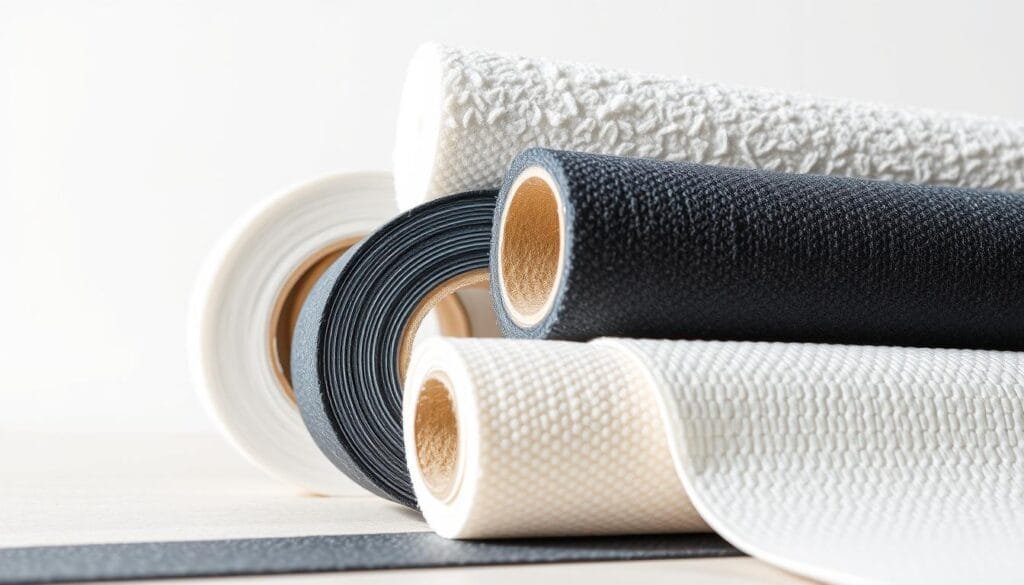
Good adhesive weatherstripping costs between $5 and $15 per window. Basic foam tape lasts 1-3 years. But premium vinyl or silicone can last 3-6 years.
When picking foam weatherstripping, look at the compression rating. If it compresses too much, it won’t block drafts well. If it doesn’t compress enough, it will be hard to open and close windows.
| Material Type | Best Application | Average Lifespan | Cost Per Window |
|---|---|---|---|
| Closed-Cell Foam Tape | Humid climates, exterior gaps | 2-3 years | $8-15 |
| Open-Cell Foam Tape | Interior gaps, dry climates | 1-2 years | $5-10 |
| Vinyl Weatherstripping | Frequently operated windows | 4-6 years | $10-18 |
| Silicone Weatherstripping | Extreme temperature variations | 3-5 years | $12-20 |
Low-E Reflective Window Film
Low-E film is a big step up from basic plastic sheeting. It has tiny metallic particles that reflect heat back into your cabin in winter. In summer, it deflects solar heat.
This technology does more than just insulate. It can cut heat loss by 30-40% compared to untreated windows. It also blocks harmful UV rays and reduces glare without making your space too dark.
Installing Low-E film needs some care but is doable for DIY fans. It’s designed to last for years, not just one season. This makes it a good mid-range choice that avoids the cost of replacing windows.
Quality Low-E film costs between $8 and $15 per square foot. While it’s pricier than quick fixes, its long-term energy savings and UV protection make it worth it for year-round use.
For perfect results, consider hiring a pro. They ensure the film is applied without bubbles and sticks well, boosting its performance and life.
Rope Caulk for Quick Seasonal Sealing
Rope caulk is a secret weapon for quick, effective sealing. It’s a putty-like material in rope form that doesn’t need tools or guns to apply.
Just press rope caulk into gaps and cracks with your fingers. It seals right away without drying time. When spring comes, it removes cleanly without leaving marks on windows or glass.
This material is great for several cabin uses:
- Sealing windows before winter
- Creating temporary seals for windows not used in cold months
- Working in freezing temps when liquid caulk won’t dry
- Making quick repairs when finding drafts mid-season
A package of rope caulk costs $3 to $6 and covers many windows. It’s one of the cheapest insulation options. Its easy removal means you can seal tightly without worrying about permanent damage.
Insulated Cellular Shades and Fabrics
Textile solutions offer both insulation and style. Insulated cellular shades have honeycomb pockets that trap air, making them good thermal barriers.
Good cellular shades have R-values between R-2 and R-5. Single-cell shades are basic, while double or triple-cell shades do better. You can choose from light-filtering to blackout fabrics to balance privacy, light, and insulation.
Thermal curtains work in a similar way but look different. They have insulating layers inside decorative fabrics. These materials block heat transfer while keeping your space looking good.
Look for quality products by checking a few things:
- Cells are tightly made without gaps or loose spots
- Insulating materials feel solid, not flimsy
- They fit windows well, covering frames too
- They come with strong warranties, showing the maker’s confidence
Expect to spend $50 to $200 per window for top-notch cellular shades. Thermal curtains cost $30 to $100 per window. These investments can save you money on heating in 2-5 years, depending on your cabin’s use.
Fabric solutions are great for cabins that are homes or frequent vacation spots. They offer year-round benefits without looking too utilitarian.
Seasonal Window Insulation Strategies
Changing your cabin’s window treatments with the seasons can save energy and keep you cozy. Window insulation is key all year. It keeps heat in winter and cool air in summer, saving on energy costs.
Different seasons need different solutions. In winter, you want to keep the heat in. In summer, block the sun’s heat. The times between seasons are great for checking and adjusting your insulation.
Winterizing Your Cabin Windows Properly
Start getting your windows ready for winter early. Inspect them in fall when it’s not too cold. This way, you can fix any problems before it gets really cold.
Do all your caulking and weatherstripping in September or early October. It’s hard to work with cold materials. So, it’s better to do it when it’s warmer.
Here’s what to do to winterize your windows:
- Make sure all windows close tightly and lock well. Locked windows seal better.
- Put up cellular shades and thermal curtains for winter.
- Use temporary insulation before it gets too cold.
- Check your weatherstripping and replace it if it’s worn out.
- Seal any gaps or cracks you find.
If your cabin is empty in winter, add extra insulation. But keep drapes a bit open. This lets any remaining heat reach the windows and prevents condensation.
Keep track of what you’ve installed for each season. Take photos or make a checklist. This helps you remember to remove them in spring and avoid damage.
Summer Heat Reduction Techniques
The same materials that keep you warm in winter also keep you cool in summer. Use cellular shades and thermal curtains to block the sun when it’s hottest. This can cut down on cooling costs without extra materials.
Low-E window films work all year. They reflect summer sun and let light in. This keeps your cabin cool without darkening it.
Exterior shading is the best way to keep your cabin cool in summer. Awnings, shutters, or shade screens block the sun before it hits your windows. Interior treatments help too, but exterior ones work better.
Use ventilation to cool your cabin naturally. Open windows in the morning and evening to let cool air in. Close them during the hottest part of the day to keep cool air in and hot air out.
Open windows on opposite sides of your cabin for cross-ventilation. This lets breezes cool your space without needing air conditioning. Use window fans to push hot air out, like from upper floors.
Pay extra attention to south and west-facing windows. They get the most sun in the afternoon. Use shades, curtains, or exterior shading to block the sun during these times.
Transitioning Between Seasons
Change your window insulation twice a year for the best results. Make a checklist for each season. This helps you remember what to do and avoid forgetting important steps.
Have a place to store your seasonal materials. Label them clearly and keep them where you can find them easily. This protects them and makes them last longer.
Here’s what to do in spring:
- Remove insulation materials carefully
- Clean your windows inside and out
- Check your weatherstripping and caulk for damage
- Open your shades and curtains to let in spring light
- See if you need to start using summer shading
In fall, get your windows ready for winter. Inspect them and fix any problems before it gets cold. Clean your windows well before covering them, as they’ll be harder to reach later.
Test your windows in fall to make sure they seal well. Replace any damaged weatherstripping right away. Put back your insulation materials room by room to make sure you don’t miss anything.
| Season | Primary Goal | Key Actions | Materials Focus |
|---|---|---|---|
| Fall Preparation | Winterizing windows for heat retention | Install plastic film, check seals, apply rope caulk, close thermal curtains | Temporary sealants, adhesive films, weatherstripping |
| Winter Maintenance | Maximize insulation and monitor performance | Keep curtains closed, check for drafts, monitor condensation, maintain ventilation | All installed materials remain in place |
| Spring Transition | Remove winter materials and prepare for warmer weather | Remove temporary insulation, clean windows, inspect for damage, open shades | Storage containers, cleaning supplies, repair materials |
| Summer Strategy | Block solar heat gain and maintain cooling | Close shades during peak sun, use ventilation, install exterior shading | Reflective films, cellular shades, exterior awnings |
Check all materials during transitions to find any damage. Weatherstripping might be worn or caulk cracked. Fixing these problems now prevents bigger issues later.
Make your own seasonal strategies based on how you use your cabin. A weekend home needs different care than a year-round home. Your local climate also affects what works best and when to switch.
Planning your insulation for each season saves money and keeps you comfortable all year. By always improving your insulation, you’ll stay comfortable no matter the weather outside.
Common Mistakes to Avoid When Insulating Windows
Knowing what not to do is as important as knowing how to insulate your cabin windows. Many cabin owners make mistakes that reduce effectiveness or create new problems. Learning these mistakes before starting your project saves time, money, and frustration.
Most mistakes can be prevented with proper planning. Knowing the pitfalls ahead of time lets you approach your project with confidence. Let’s look at the most common errors and how to avoid them.
Over-Sealing and Creating Moisture Problems
Sealing your cabin too tightly is a common mistake. Eliminating all gaps and cracks removes the air exchange that older cabins had. This can trap moisture from daily activities like cooking and showering.
Excessive condensation on windows after insulation is a sign of over-sealing. Other signs include persistent humidity, musty odors, and stuffy air. These moisture problems can damage your cabin’s structure over time.
To avoid over-sealing, focus on controlled ventilation. Make sure bathrooms and kitchens have working exhaust fans. Consider cracking a window slightly for fresh air, even in cold weather.
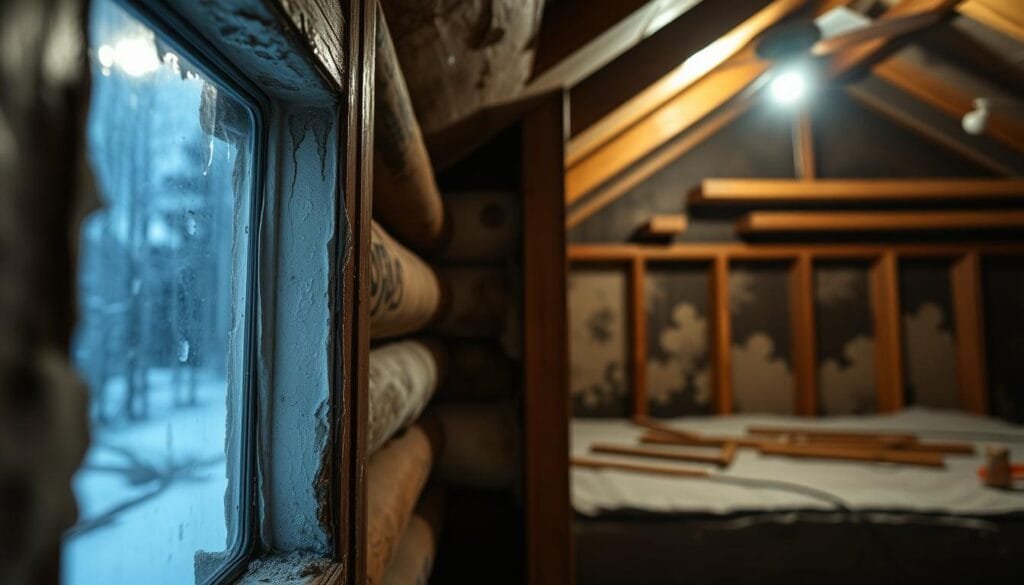
For tightly sealed cabins, use air-to-air heat exchangers like HRV or ERV systems. These provide fresh air without losing too much heat. Keep indoor humidity levels between 30-50% for a comfortable winter.
Using Wrong Materials for Your Window Type
Not all weatherstripping works on all windows. Using the wrong materials is a common mistake. Compression foam doesn’t work on sliding windows, and V-strip needs channels.
Your window frame material also matters. Silicone-based caulks are good for metal and vinyl, while acrylic latex caulks are better for wood. This is because wood expands and contracts with temperature changes.
Historic cabin windows need special care. Using the wrong materials can cause permanent damage. Heavy curtains or shades may also be too much for cabin walls without reinforcement.
| Common Material Mistake | Why It Fails | Correct Approach |
|---|---|---|
| Exterior caulk used indoors | Creates strong odors and poor appearance | Use paintable interior-grade caulk |
| Foam tape on sliding windows | Prevents windows from closing properly | Use brush or silicone bulb weatherstripping |
| Film on broken double-pane windows | Traps moisture between glass panes | Repair seal first, then apply film |
| Indoor caulk on exterior gaps | Degrades rapidly from weather exposure | Select exterior-grade weatherproof caulk |
Always read product specifications before buying. Ask for advice at hardware stores. Taking five minutes to check compatibility saves hours of trouble later.
Neglecting Regular Maintenance and Inspection
Window insulation isn’t a “set it and forget it” solution. Weatherstripping compresses and degrades over time. Caulk cracks and shrinks, needing renewal every three to five years.
Window films can peel, letting air in and reducing effectiveness. Cellular shades collect dust, affecting their operation. Storm windows need cleaning to prevent moisture buildup.
Make an annual window maintenance routine to prevent big problems. Check weatherstripping each fall before winter. Inspect caulk lines for cracks or gaps needing attention.
Your maintenance checklist should include these important tasks:
- Verify that window films remain fully adhered at all edges
- Ensure cellular shades operate smoothly without binding
- Confirm storm windows seal properly at all contact points
- Clean weatherstripping to remove dirt preventing proper sealing
- Lubricate sliding window tracks with silicone spray
- Gently vacuum cellular shades to remove accumulated dust
Touch up caulk when small cracks first appear. This proactive approach extends the life of your insulation and keeps it efficient.
Forgetting About Ventilation Needs
Many cabin owners focus too much on sealing air leaks without thinking about air quality. Older, drafty cabins naturally exchanged air through gaps and cracks. Tightening insulation eliminates these paths.
This makes deliberate fresh air strategies essential for proper ventilation. If you have combustion appliances, you need enough fresh air to avoid carbon monoxide dangers.
Bathroom and kitchen ventilation become critical in tightly sealed cabins. These spaces generate a lot of moisture. Run bathroom exhaust fans for at least 20 minutes after showers. Vent kitchen range hoods outdoors during cooking.
Simple ventilation solutions maintain air quality without sacrificing comfort:
- Open windows periodically even in winter for brief fresh air exchanges
- Use exhaust fans consistently in moisture-generating areas
- Consider trickle vents in window frames for continuous low-level ventilation
- Install carbon monoxide detectors if you have combustion appliances
- Monitor indoor air quality with humidity and CO2 sensors
The key is balancing energy efficiency with healthy indoor air. You want to avoid over-sealing that creates unhealthy conditions while reducing heat loss. With proper planning, you can achieve both goals successfully.
Keeping Your Cabin Warm and Energy-Efficient All Year
You can make your cabin windows better at keeping out cold and heat. Start with one window and a method that fits your budget. See how it changes your cabin’s feel.
Insulating your windows makes your cabin warmer and more comfortable. You’ll feel less cold air and notice steady temperatures. Plus, you might save on energy bills right away.
Window insulation works best with other ways to save energy. Add door weatherstripping, seal your attic, and use smart heating. Together, they make your cabin more energy-efficient. Learn more at this link.
Every cabin is different. Some people like easy-to-remove solutions like window film. Others prefer permanent fixes like storm windows. Pick what works best for you.
Improving insulation is all about making progress. Even small changes, like weatherstripping, help a lot. Simple fixes like rope caulk also make a big difference.
Your cabin should stay cozy all year. With the right care and window upgrades, it will be a warm and welcoming place.