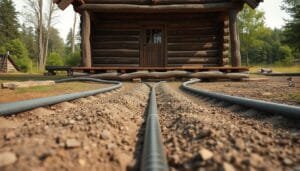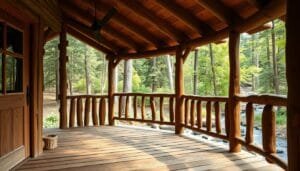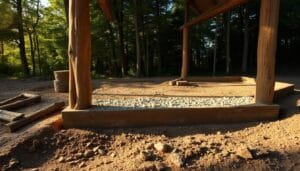
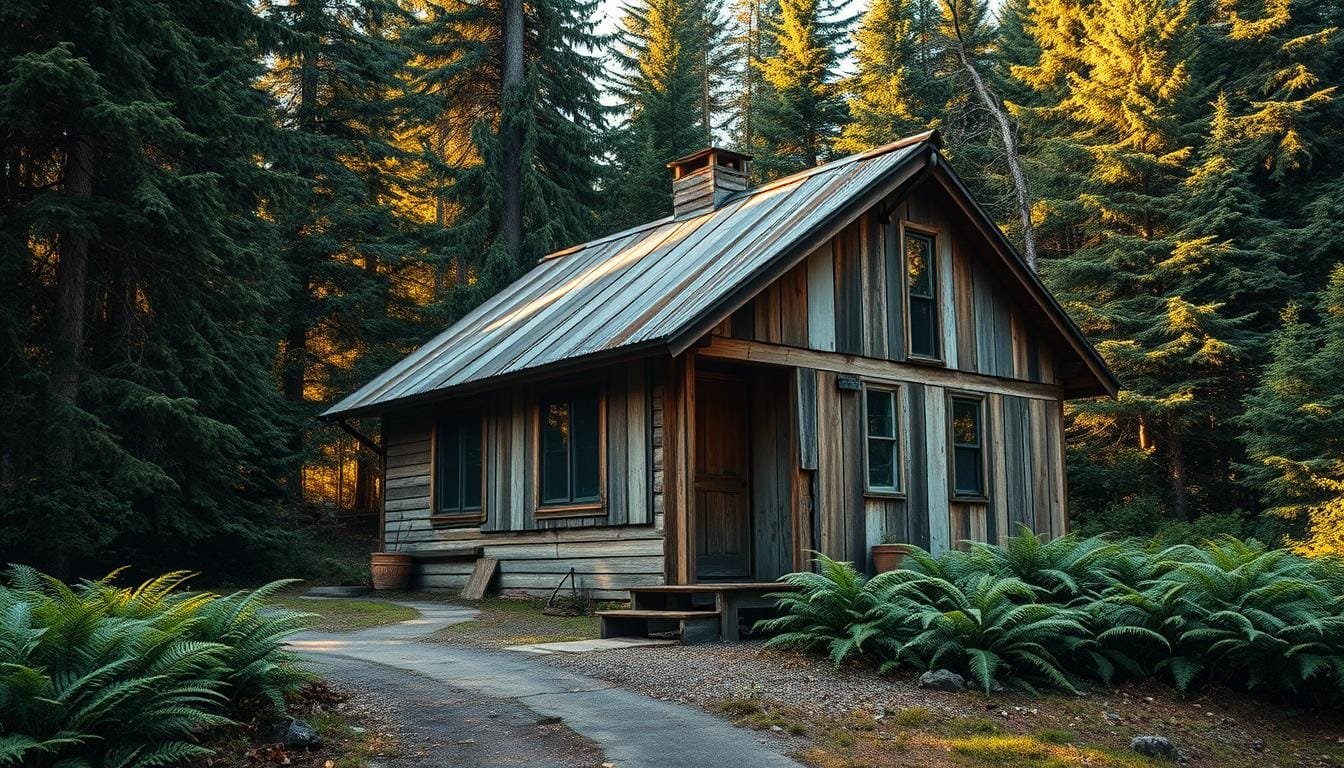

Welcome to your guide for creating a unique cabin. This journey is about more than just construction. It’s about crafting a space with soul and history.
These unique components come from old buildings, demolition sites, and renovation projects. Instead of going to a landfill, they get a new life. This approach is a powerful way to build sustainably.
Choosing this path means you embrace creativity. Your project will have a one-of-a-kind character that new supplies cannot match. The process also offers significant cost savings and immense personal satisfaction.
This comprehensive guide will walk you through every step. You’ll learn where to find quality items and how to assess them for your build. We will cover practical techniques for working with reclaimed timber and other resources.
Whether you are a seasoned builder or new to DIY, this information is for you. Get ready to build a cabin that tells a story.
Embracing the Benefits of Salvaged Materials
Building with reclaimed components offers a powerful trifecta of environmental, economic, and social rewards. This approach transforms the construction process into an act of stewardship.
Environmental and Economic Advantages
Reuse dramatically cuts down on the amount of construction waste that would otherwise fill our landfills. It also requires zero new manufacturing energy.
Financially, these items often cost 50-90% less than new ones. You can even find them for free at demolition sites if you handle the removal.
High dumpage fees, sometimes near $100 per ton, make deconstruction a smart choice. Property owners save by having items carefully removed instead of paying for traditional demolition.
Community Impact and Green Building
This practice turns a waste stream into a valuable resource stream. Organizations like Community Forklift exemplify this by creating local green jobs and providing affordable supplies.
Choosing reclaimed items supports a circular economy. It preserves historical character and reduces demand for virgin resources.
Every choice for reuse makes a tangible difference. It supports sustainable living with reclaimed building materials and inspires others in your community.
Planning Your Cabin Project with Salvaged Resources
Success with reclaimed supplies hinges on thoughtful preparation and realistic expectations. A well-organized approach turns potential challenges into a rewarding adventure.
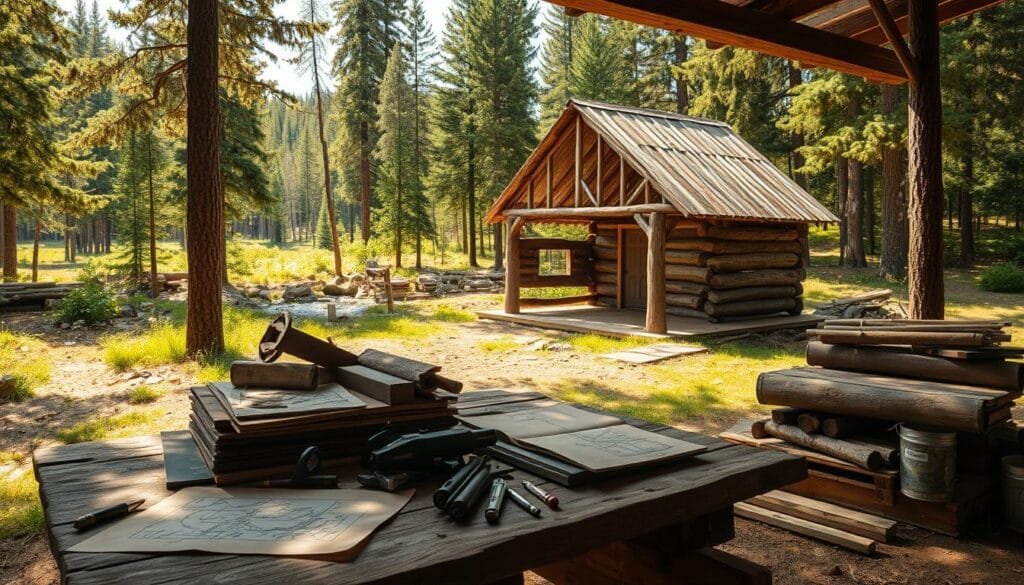
Your local area is a treasure trove for finding components. Demolition sites often provide the most cost-effective resource. Direct contact with property owners can yield free items if you handle removal.
Assessing Available Materials and Sources
Always get proper permission before taking anything. A 1974 salvage operation successfully recovered windows, doors, and flooring after receiving oral approval.
Not every piece for your cabin will be free. A significant portion of your supplies can come from salvage, but plan to purchase some new items. Check each piece for structural integrity and damage before committing.
Building relationships within your community is a powerful strategy. Contractors and reuse organizations can alert you when quality materials become available.
Budgeting and Scheduling Your Reuse Project
Create a simple inventory system. Track what you have, its condition, and what you still need. This keeps your project organized.
Construction with reclaimed elements takes more time. You are dependent on availability rather than simply ordering from a supplier. Factor this flexibility into your timeline.
| Source Type | Cost Level | Effort Required | Best For |
|---|---|---|---|
| Demolition Sites | Very Low / Free | High (Removal Labor) | Major structural items like timber, doors |
| Salvage Yards | Moderate | Low (Pre-processed) | Specific, ready-to-use fixtures like windows |
| Online Community Boards | Varies | Medium (Coordination) | Unique decorative pieces and smaller items |
How to Use Salvaged Materials: Techniques & Practical Tips
The transformation of aged building elements into functional cabin features demands specific approaches and creative vision. This process turns historical pieces into modern assets.
Step-by-Step Salvage and Deconstruction Strategies
Older structures from the 1940s or earlier typically yield the best quality wood and lumber. These buildings contain solid timber instead of modern particle board.
Careful removal preserves integrity. Extract hardwood flooring by prying gently from the ends. Remove 2×10 joists while supporting the structure. Salvage window and door frames intact with patience.
This work involves pulling nails and chipping mortar. The effort pays off with character-rich components. A 1974 project successfully repurposed flooring that still serves today.
Integrating Salvaged Elements into Modern Cabin Design
Creative integration makes your space unique. Gold wall panels became a glamorous headboard. Arched doors transformed into elegant bathroom entrances.
Kitchen cabinet sets can furnish a workspace after painting. Reclaimed lumber creates beautiful garden beds. Vintage glass fixtures add authentic charm.
Flexibility is key. Adapt your design to accommodate the sizes and styles you find. This approach ensures each element enhances your cabin’s character.
Proper preparation includes cleaning, denailing, and cutting to size. Honor the material’s history while meeting functional needs. The result is a home with soul and story.
Ensuring Safety, Quality, and Regulatory Compliance
Before starting any demolition work, understanding safety measures and regulatory requirements is essential. This protects both your health and your project’s success.
Personal Safety, Tools, and Protective Gear
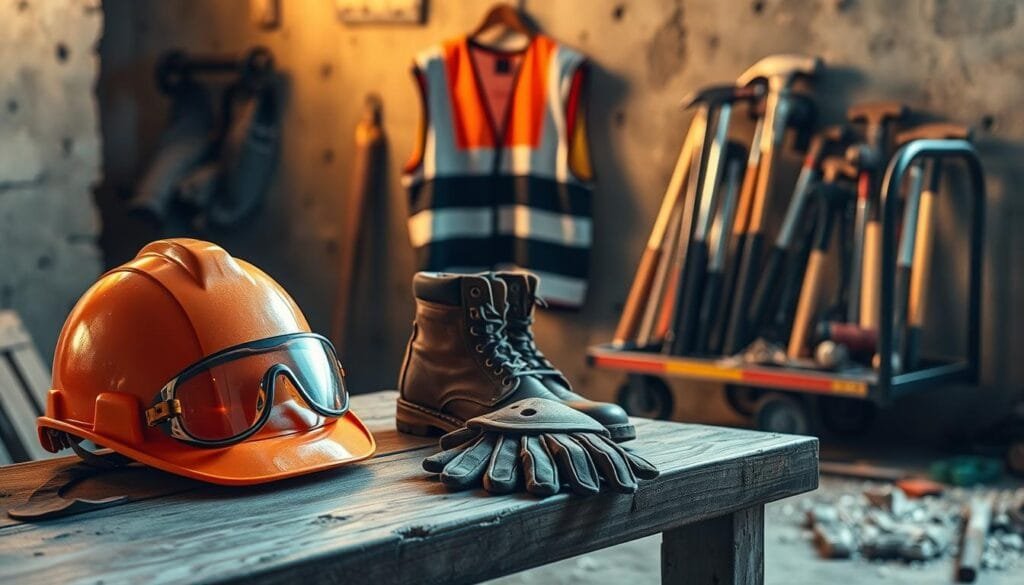
Proper equipment is non-negotiable for salvage operations. Invest in quality gloves, a hardhat, sturdy work boots, and earplugs.
The most critical item is a high-quality asbestos-grade mask. Wear it whenever conditions are dusty. Airborne contaminants like fiberglass, dry rot spores, and vermin droppings pose serious health risks.
Lung protection deserves utmost respect. One experienced worker’s friend died at 42 from lung fungus likely contracted during salvage work. These contaminants can cause fatal conditions years after exposure.
Navigating Permits and Local Building Regulations
Always obtain written permission from property owners before beginning work. Liability concerns can halt operations, as happened in a 1974 project stopped by authorities.
Common project failures include underestimating time and labor costs. Neglecting contract clauses about toxic substance ownership can lead to massive fines.
Local landfill restrictions on certain waste items actually benefit salvagers. These regulations make proper deconstruction more attractive than demolition. They encourage safer handling of potentially hazardous building materials.
| Material Type | Common Permit Requirements | Safety Precautions |
|---|---|---|
| Structural Timber | Engineering certification often needed | Check for dry rot, insect damage |
| Windows & Doors | Energy efficiency compliance | Test for lead paint, proper sealing |
| Plumbing Fixtures | Current code adherence required | Sanitization, lead content testing |
Consult building inspectors early in your planning. They can clarify which reclaimed items need special approval or testing before incorporation into construction.
Building a Sustainable Legacy with Salvaged Cabin Construction
The final nail in your salvaged-material cabin marks the beginning of a broader environmental contribution. Your project becomes a living classroom that demonstrates practical ways to reduce waste while creating beautiful living spaces.
Share your completed cabin with the community through photos and stories. Organizations like Community Forklift encourage this sharing. Your experience inspires others to consider reuse for their own building projects.
Every choice for repurposed items transforms the construction waste stream into a valuable resource stream. This approach preserves historical character while supporting sustainable practices, much like the careful restoration of historic log cabins.
Your cabin stands as evidence that quality and sustainability work together beautifully. Continue engaging with the reuse community by donating leftover supplies and supporting organizations that create green jobs.