
Imagine a home that isn’t connected to the public utility lines. This is the reality for a growing number of people seeking a simpler, more self-reliant life. A structure like this provides freedom from monthly bills and the hustle of city living.
According to experts like Ozark Premier Buildings, a building not tied to the electric grid doesn’t mean giving up comfort. In fact, with the right setup, your retreat can be even cozier than a typical house. The key is smart planning and having the correct tools.
Companies like 5-Star Buildings show that investment varies. A small portable structure can start around $7,000, while larger models may reach $20,000. Your final cost depends on design, size, and style.
This guide will walk you through everything required for a smooth transition. We’ll cover power solutions, safety gear, and daily necessities. Our goal is to make your journey feel achievable and exciting.
Whether you have a homestead or a summer getaway, understanding your needs is the first step. Let’s explore how to create a comfortable and independent lifestyle.
Introduction to Off-Grid Cabin Living
Choosing a remote retreat offers a powerful way to reclaim your time and reduce stress. This lifestyle is not about deprivation but about intentional living. It’s a path to focus on what truly matters.
Exploring the Benefits of a Remote Retreat
Spending just a few weeks each year at your secluded spot can work wonders. It provides a true break from digital noise and daily pressures. This leads to improved mental clarity and stronger family bonds.
There are also solid financial perks. You can say goodbye to most monthly utility bills. Your investment in land can also grow in value over time.
Comfort and Sustainability in the Wilderness
Many people worry that living disconnected from the main grid means giving up comfort. This is a common misconception. Modern solar power and efficient appliances make life in the woods surprisingly cozy.
This way of life also encourages sustainability. You become more aware of your resource use. This naturally leads to a smaller carbon footprint.
Think of Richard Proenneke, who built his life with simple tools. Today’s technology makes achieving a comfortable, self-reliant life more accessible than ever. Before you buy land, always check local building rules.
Essential Tools for Building and Maintenance
A well-stocked toolkit is your foundation for successful construction and upkeep. Having the right equipment makes every project smoother and safer. This comprehensive list covers what you’ll need for years of reliable service.
Hand and Power Tools Overview
Quality hand tools form the backbone of any remote workshop. They never fail when batteries die or power is limited. A multi-purpose axe serves for chopping wood, driving stakes, and clearing land.
Duct tape deserves special mention as the perfect homesteader friend. Its waterproof, ultra-durable properties handle countless emergency repairs. From patching hoses to temporary boot fixes, this tape proves invaluable.
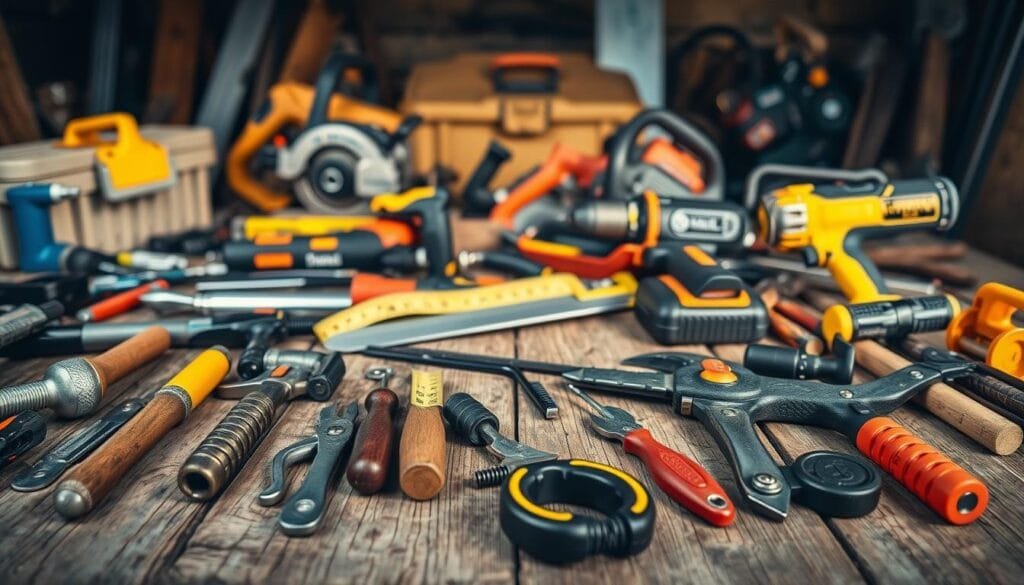
Power tools like drills and circular saws handle larger building projects efficiently. Battery-powered options work well without constant generator use. Choose quality brands that withstand rugged conditions.
| Tool Type | Essential Items | Primary Use | Importance Level |
|---|---|---|---|
| Hand Tools | Axe, hammer, wrench, saw | Basic construction & repairs | Critical |
| Measuring Tools | Tape measure, level | Precision work | High |
| Fastening Tools | Drill, screwdriver set | Assembly projects | High |
| Multi-Purpose | Duct tape, multi-tool | Emergency fixes | Essential |
Organizing Your Off-Grid Workshop
Proper organization saves time and protects your investment. A carpenter’s belt keeps frequently used tools within reach. Dedicated toolboxes prevent weather damage and rust.
Consider storage solutions that withstand remote conditions. Regular maintenance extends tool lifespan significantly. Sharpening stones keep blades effective for years of use.
Quality tools pay for themselves through longevity and reliability. Cheap alternatives often fail when you need them most. Invest once in equipment that serves you well.
Key Off-Grid Cabin Essentials for Daily Life
Modern energy solutions make remote living both practical and enjoyable. Your daily comfort depends on reliable systems that work consistently.
Energy Solutions: Solar Panels and Generators
Solar panels provide clean electricity from sunlight. A complete system includes panels, inverter, charge controller, and batteries.
Many kits arrive pre-wired for easy installation. Some setups take just one day to complete. You mount the panels, connect wires, and wire the battery bank.
A backup generator offers peace of mind. It powers high-demand appliances when solar production is low. Some models can recharge your battery system simultaneously.
5-Star Buildings recommends 2-3 panels for light use. Heavy usage requires additional panels for sufficient power.
Everyday Necessities and Practical Gear
Beyond energy systems, consider your daily routines. Proper lighting makes evenings comfortable and safe.
Communication devices keep you connected when needed. Practical gear transforms basic survival into comfortable living.
Quality investments in these systems pay off long-term. They reduce dependence on the traditional power grid while maintaining modern conveniences.
Personal Safety and Emergency Preparedness
Living away from immediate assistance makes personal safety a primary focus. Proper planning and the right gear ensure you can handle any situation confidently. This preparation brings peace of mind for you and your family.
It’s crucial to think through potential scenarios before they happen. Having supplies on hand turns a major emergency into a minor inconvenience. A little foresight goes a long way in remote locations.
Protective Gear and Emergency Tools
Start with basic protective equipment to prevent injuries. Quality work gloves save your hands from blisters and cuts. Durable safety glasses with a neck strap protect your eyes from flying debris.
Don’t forget insulated, steel-toed boots for rough terrain. A reliable headlamp is a must-have tool for hands-free work after dark. Look for models with a red LED setting to preserve your night vision.
Two-way radios keep you connected with others on your property where cell service fails. This is vital when clearing land or exploring.
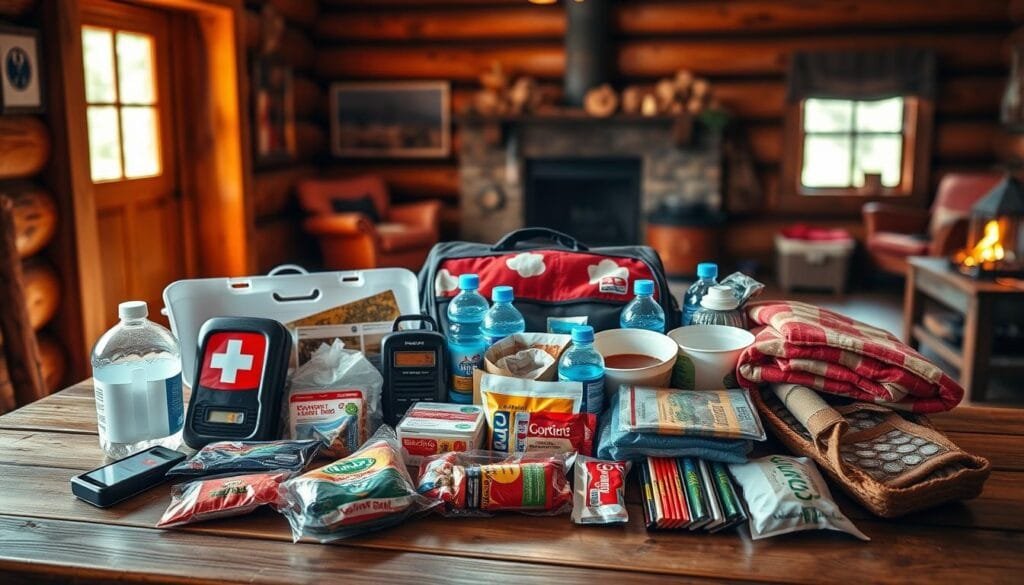
Your emergency kit should be versatile. A simple scissor jack can change a tire, level a foundation, or lift heavy logs. It’s one of the most useful things you can own.
Always have the correct type of fire extinguisher for different fire classes. Ozark Premier Buildings stresses that a comprehensive first aid kit can be a literal lifesaver.
Solar-powered radios and flashlights provide light and information during extended outages. These tools ensure you’re never left in the dark during critical times.
Off-Grid Cabin Essentials for Daily Operations
Daily life in a self-sufficient dwelling depends on reliable tools and systems. The right equipment keeps everything running smoothly throughout the year. This section covers the operational must-haves.
Tools, Battery Backups, and Lighting
Battery-powered tools are game-changers for remote living. A cordless nail gun can shave weeks off building projects. It runs on a single charge all day without CO2 cartridges.
Always have backup batteries for your drill, circular saw, and impact driver. This ensures continuous work when one battery needs recharging. Quality tools with proper maintenance will last a lifetime.
For lighting, 12-volt LED options similar to RV lights work efficiently. They connect directly to your battery bank without inverter losses. Dimmable recessed lights create comfortable ambiance.
A solar-rechargeable power bank keeps electronics charged. This backup system handles phones, tablets, and emergency devices. Outdoor flood lights with multiple settings provide security.
This practical list of daily-use items transforms basic survival into comfortable living. Proper storage protects equipment from moisture and temperature extremes.
Gardening and Landscaping for Self-Reliance
A well-planned garden and landscaping setup can turn your lot into both a beautiful and functional space. Working the land requires the right tools for the job. This investment pays off over time with easier maintenance.
Quality equipment makes every outdoor task more efficient. You’ll spend less effort and achieve better results. Proper tools also help you manage your property effectively.
Outdoor Toolkits and Storage Solutions
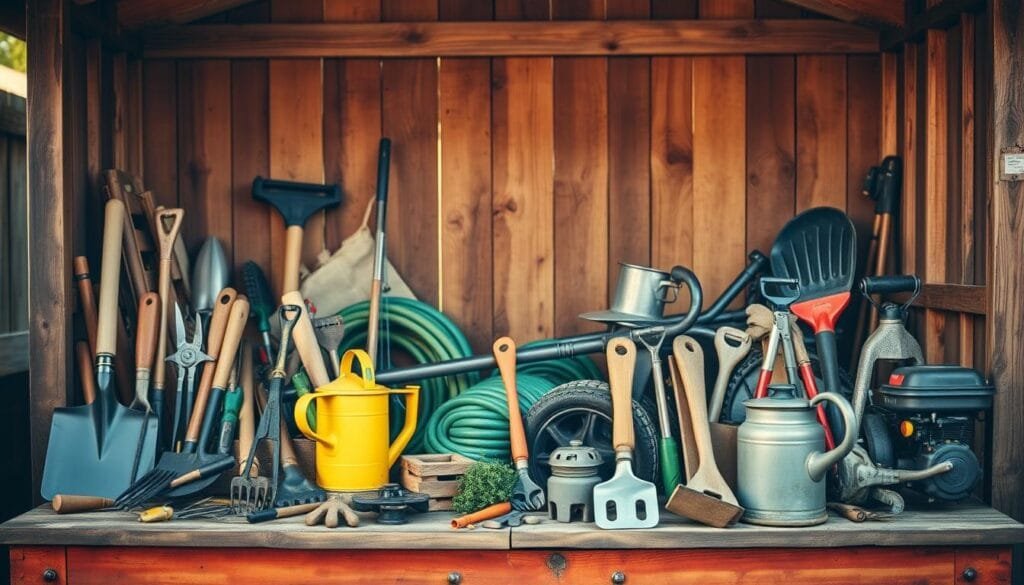
Start with fundamental hand tools for basic land work. A pointed digging shovel handles everything from trenching to earth moving. A heavy-duty bow rake levels ground and breaks up soil efficiently.
For tougher jobs, a pick or mattock tackles hard clay and uproots stumps. Choose models with replaceable handles for longevity. A brush axe serves multiple purposes from trail blazing to firewood preparation.
Watering equipment needs durability in remote areas. A 100-foot all-weather hose with brass fittings withstands harsh conditions. A simple twist nozzle with few moving parts offers reliable performance.
Proper storage protects your investment from the elements. Weather-resistant sheds keep tools organized and accessible. Deck boxes provide convenient storage for firewood and gardening supplies.
This approach to tool selection and organization saves time and effort. You’ll maintain your outdoor area in a systematic way. The right setup makes land management much more enjoyable.
High-End Tools and Advanced Equipment
When you’re ready to upgrade from basic necessities, high-end equipment opens up new possibilities for property management. These investments can transform your daily routine and make large projects manageable.
An ATV or UTV becomes your most valuable tool for land maintenance. Models like the Yamaha Grizzly 550 handle multiple tasks efficiently. They haul building supplies, clear snow with Warn ProVantage plows, and pull stumps using built-in winches.
Utility trailers with custom-built boxes make material transport simple. Storage solutions like the 11×11 foot Lifetime Garage protect your investment. This space houses vehicles, generators, and gardening equipment securely.
Solar System Components and Energy Management
Professional solar setups like Canadian Solar CS6K-270P panels provide reliable power. Complete kits from suppliers arrive pre-wired for easy installation. This saves hours of troubleshooting and ensures proper function.
The battery bank stores electricity for evening use when the sun sets. Proper racks organize multiple batteries for optimal performance. Inverters convert stored energy to usable household current.
Monitoring systems track your energy production and consumption patterns. This helps maximize efficiency throughout the years. Strategic panel positioning captures maximum sunlight daily.
These advanced systems work independently from the main utility grid. They represent long-term investments that pay dividends in convenience and self-sufficiency.
Efficient Heating, Insulation, and Energy Use
Efficient temperature control forms the foundation of comfortable living in any self-sufficient structure. Your heating choices directly impact daily comfort and long-term sustainability. Proper planning ensures warmth during cold seasons without excessive resource consumption.
Wood Stove and Propane Heating Options
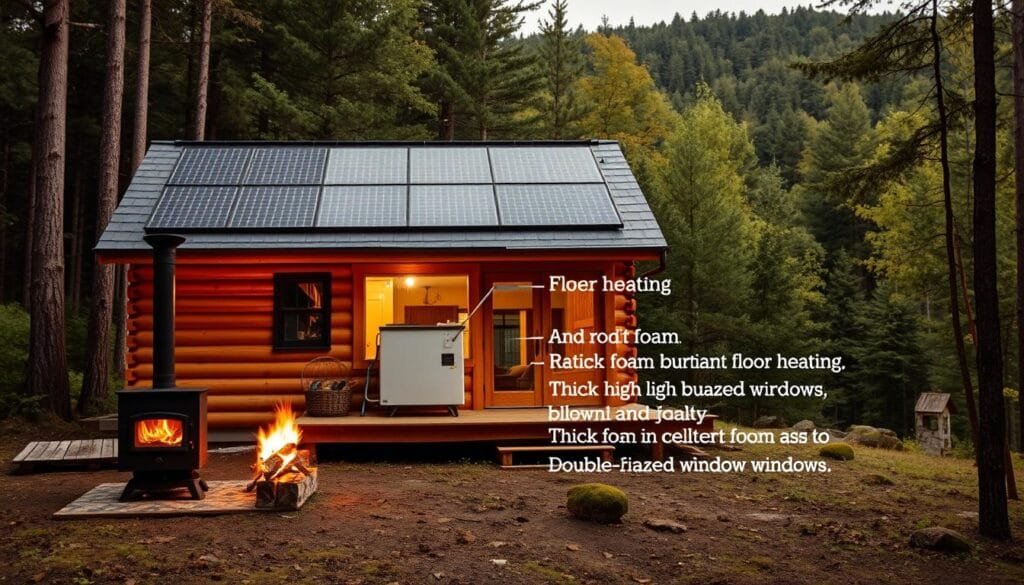
Wood stoves provide reliable warmth and create a cozy atmosphere. Experts recommend choosing the right size for your building to ensure efficient operation. Proper installation with correct venting is essential for safety.
Propane systems offer convenient, instant heating with thermostat control. This gas option works well for smaller spaces or occasional use. Many people appreciate not needing daily fire maintenance.
Excellent insulation makes any heating system more effective. Spray foam provides superior sealing while adding structural strength. Fiberglass batts allow easier future modifications to your space.
Strategic window placement and thermal curtains reduce energy loss over time. These simple choices make a big difference in your comfort each day. The right combination keeps your retreat warm without wasting resources.
Innovative Storage and Multi-Purpose Design
The secret to comfortable small-space living lies in maximizing every inch through thoughtful design and multi-purpose solutions. According to 5-Star Buildings, smart planning makes a huge difference in how your space feels and functions.
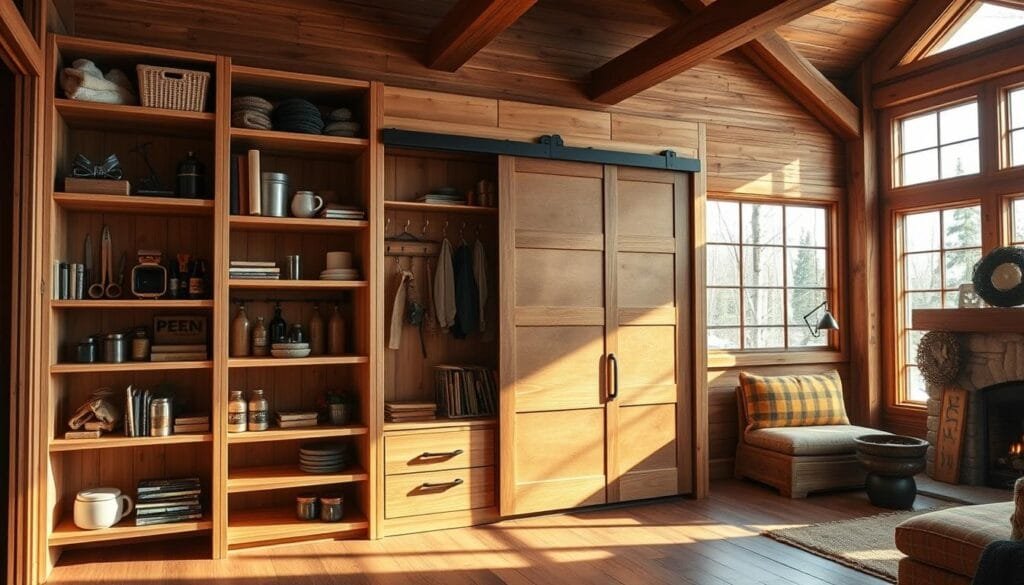
Start by looking up instead of around. Vertical space offers incredible potential for storage without cluttering your floor area. Wall-mounted hooks, pegs, and open shelving keep things organized and accessible.
Maximizing Space with Smart Furniture
Multi-purpose furniture transforms how you use your limited square footage. A sofa bed provides seating by day and sleeping quarters at night. Tables can serve as kitchen islands, dining areas, and workspaces all in one.
Loft areas create additional storage or sleeping space without increasing your cabin’s footprint. This clever use of vertical space makes even the smallest lot feel spacious.
Keep your layout flexible rather than fixed. Movable kitchen islands and tables allow you to reconfigure the space as needs change. Avoid permanently fastened furniture unless it’s off to the side.
Stackable containers and under-bed storage solutions help organize your belongings efficiently. The goal isn’t to cram more things in, but to ensure everything has its proper place. This approach creates a functional, organized environment that feels comfortable for extended stays.
Water Supply, Waste Management, and Resource Storage
Securing reliable water and managing waste are fundamental considerations for any remote property. These systems transform basic shelter into comfortable living space. Proper planning ensures your daily routines flow smoothly.
According to 5-Star Buildings, the average person uses 80-100 gallons of water each day. Finding this supply requires careful planning. Wells with electric or hand pumps offer the most reliable source.
Collecting, Purifying, and Storing Water
Rainwater collection systems mounted on roofs provide another excellent option. Nearby streams can work if water quality permits. Each source requires different purification approaches.
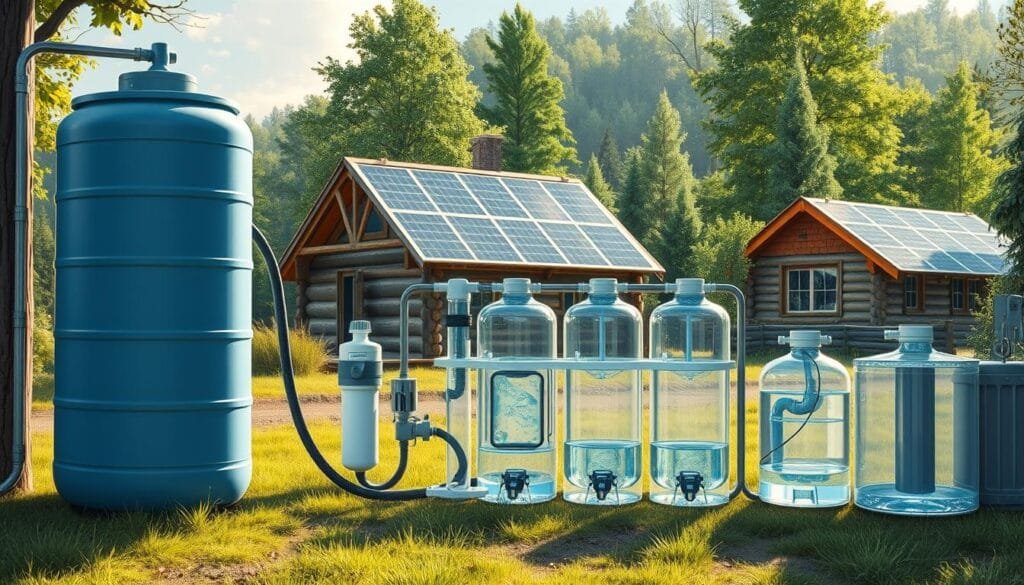
Water storage strategies include elevated tanks that use gravity for pressure. This creates normal water flow without electricity. Remember to research local regulations for your specific area.
Purification is critical for safe drinking water. Systems like Lifestraw or hand pump filters make natural sources safe. Always keep purified water on hand for emergencies.
Waste management begins with checking local requirements. Septic systems offer the most convenient solution. Composting toilets work well where traditional systems aren’t feasible.
Resource storage extends beyond water to propane tanks and firewood. Proper placement protects supplies from weather and wildlife. Food-grade buckets help transport items safely around your property.
Smart Interior Layout and Flexible Cabin Design
Smart spatial planning turns limited square footage into a functional living environment that feels open and inviting. According to 5-Star Buildings, the right layout can mean the difference between cramped frustration and organized efficiency.
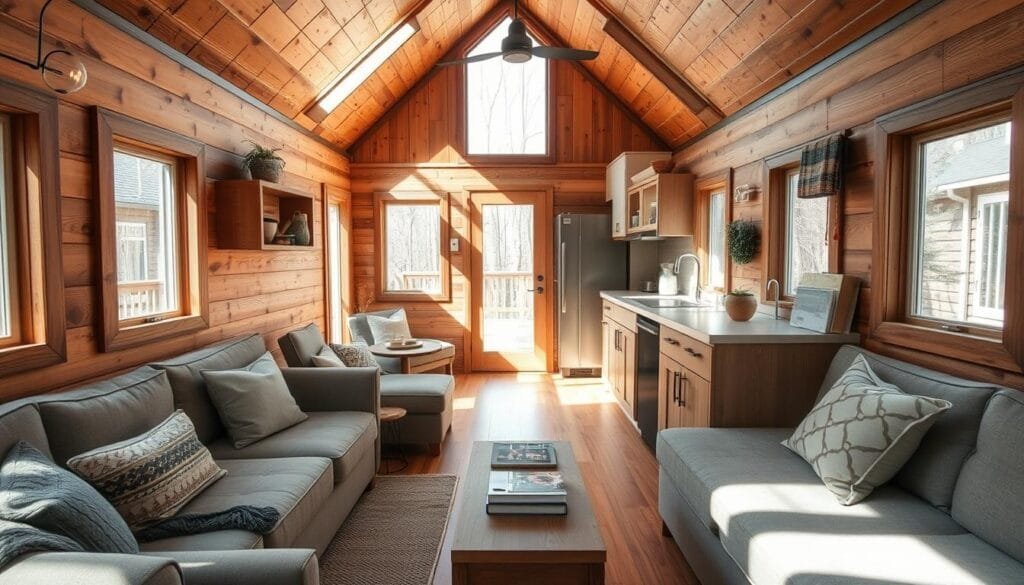
Grouping plumbing areas like kitchen and bathroom saves on construction costs. This smart design approach keeps utility lines compact. Open areas remain versatile for multiple uses.
Maximizing Limited Space with Clever Layouts
Every inch counts in a compact building. Place doors and windows strategically to enhance natural light. This makes the interior feel larger than its actual size.
Movable furniture creates adaptable living spaces. A table that slides against the wall clears floor area when not needed. This flexible approach supports changing daily routines.
Customizing Features for Comfort and Efficiency
Choose from different completion levels when planning your space. Basic shells allow complete customization of wall placement and room division. Finished interiors offer immediate move-in readiness.
Consider pine board or sheetrock for wall finishes based on your style preferences. Each material offers distinct advantages for durability and appearance. The right choices enhance both comfort and efficiency in your retreat.
Final Thoughts on a Comfortable Off-Grid Experience
Embracing a self-reliant lifestyle requires balancing realistic expectations with thoughtful preparation. As 5-Star Buildings notes, this way of life involves trade-offs like increased maintenance time and distance from stores.
Yet the rewards are substantial. Your property becomes a personal sanctuary where you control your resources. Ozark Premier Buildings emphasizes that a well-planned setup can be more comfortable than your typical home.
Success comes from building systems gradually over years, not having every thing at once. Do thorough research on your specific land before investing.
With the right approach, your retreat offers the perfect blend of rustic charm and modern convenience. This opens the door to a simpler, more intentional way of life.