
Building a cabin is all about making smart choices from the start. One key decision is picking the right foundation. This choice impacts your budget and how well your cabin lasts.
A pier and beam foundation lifts your cabin off the ground with vertical supports. It’s like an elevated deck for your whole building. This system transfers weight to stable soil below through columns.
This method is popular in coastal areas and places with tough terrain. Homeowners in flood-prone regions like it because it keeps living spaces dry. It’s also good for uneven ground or if you’re watching your budget.
Knowing the pros and cons helps you choose wisely. This guide covers costs, installation, maintenance, and compares it to concrete slabs and basements. You’ll learn if pier foundations are right for your project.
What Are Pier Foundations and How Do They Work?
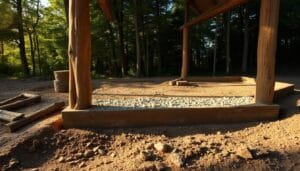
A pier foundation system uses vertical supports to carry your cabin’s weight down to solid ground. It’s different from a slab because it uses pillars instead of a continuous surface. Think of it like a table with legs, where each leg bears a part of the load.
This design is simple and efficient. Your cabin sits on posts, creating space underneath. This method has been used for centuries, from ancient stilt houses to modern cabins.
The weight transfer is straightforward. Your cabin’s floor joists rest on beams, which connect across the tops of vertical piers. These piers extend down to firm, load-bearing ground that won’t shift or settle.
Basic Pier Foundation Components
Every pier foundation system has three essential elements. Understanding these components helps you see how the system provides stability for your cabin.
The vertical piers themselves form the foundation. They stand upright at regular intervals, spaced 6 to 8 feet apart. This spacing ensures proper weight distribution without using too much material.
Each pier needs to extend deep enough to reach stable soil. This is usually 3 to 4 feet below grade, depending on your local frost line and soil conditions. In areas with deeper frost penetration, piers must go deeper to prevent heaving during freeze-thaw cycles.
Horizontal beams or girders connect the pier tops, creating a grid pattern. These beams run parallel to your cabin’s length and width. They distribute weight evenly across all the piers, preventing instability.
The beams must be substantial enough to span between piers without sagging. Common dimensions include 6×8 or 8×8 timber beams, or steel I-beams for heavier structures.
Floor joists complete the platform by resting perpendicular to the beams. These smaller pieces of lumber create the actual floor surface. They’re spaced 16 or 24 inches apart, depending on load requirements and local building codes.
This three-tier system creates a stable, elevated platform ready for your cabin’s construction. The open space underneath provides natural ventilation and access for utilities.
Types of Pier Materials Used for Cabins
Choosing the right foundation materials impacts your cabin’s longevity, cost, and performance. Several foundation types are available, each with specific advantages for different situations.
Concrete piers represent the most common and durable option for permanent cabin structures. There are two primary concrete foundation types within this category:
- Masonry or poured concrete piers: These solid pillars are built using concrete blocks or formed and poured concrete. They’re extremely strong and weather-resistant, making them ideal for heavy cabins or areas with challenging soil conditions. The concrete mixture cures to create a monolithic structure that can support substantial weight.
- Drilled caissons: These cylindrical piers involve drilling deep holes into the ground, then filling them with concrete and steel reinforcement. This method works exceptionally well when you need to reach bedrock or very stable soil layers far below the surface. Caissons handle both vertical loads and lateral forces from wind or seismic activity.
Concrete piers typically last 50 years or more with minimal maintenance. They resist moisture, insects, and rot—critical factors in cabin longevity.
Pressure-treated wood piers offer a lighter-weight, more economical alternative for smaller cabins. These work best in dry climates where ground moisture stays low. The chemical treatment protects against rot and termites, though they don’t last as long as concrete—usually 20 to 30 years depending on conditions.
Wood piers install quickly and require less specialized equipment than concrete. They’re popular for hunting cabins, seasonal structures, or situations where you need a temporary foundation.
Metal posts and screw piles provide modern alternatives that combine strength with fast installation. Galvanized steel posts resist corrosion and can be driven or set quickly. Screw piles twist into the ground like giant screws, requiring no excavation or concrete.
These metal foundation materials excel in rocky terrain where digging is difficult, or in remote locations where transporting concrete isn’t practical. They also work well for additions or when you need to install piers around existing structures.
The choice between these foundation types depends on your cabin’s weight, your local climate, soil conditions, budget, and how permanent you want the structure to be. Many builders combine materials—using concrete piers for main supports and wood or metal for secondary points.
Understanding the Full Picture: Pier Foundation Pros and Cons
Choosing the right foundation isn’t just about picking the best option. It’s about knowing which trade-offs are right for your situation. Pier foundations are popular among cabin builders, but they’re not for everyone. Each foundation type has its own benefits and challenges.
Deciding on pier foundations means weighing many factors against your project’s needs. What works for a weekend cabin might not be right for a year-round home. Knowing these building considerations helps you make a smart choice, not just follow trends.
Pier foundations have some big foundation advantages. They cost less upfront than traditional foundations. They also work well on uneven ground, making them great for challenging sites.
They’re also good for the environment. Pier foundations disturb the site less, protecting trees and plants. They’re quick to install and offer natural protection against moisture.
But pier foundations have some downsides too. They can’t handle all building types, like multi-story designs. You need to carefully plan how to distribute weight.
Insulation can be tough, leading to heat loss and higher energy bills. They need more maintenance than traditional foundations. Some lenders might not approve mortgages for pier foundations, affecting property value.
| Consideration Category | Favors Pier Foundations | Favors Traditional Foundations |
|---|---|---|
| Budget Priority | Minimal upfront investment needed | Long-term energy efficiency valued |
| Site Characteristics | Sloped, rocky, or wooded terrain | Flat, easily excavated lots |
| Climate Conditions | Moderate to warm regions | Cold climates with harsh winters |
| Building Type | Single-story cabins, seasonal use | Multi-story, year-round residences |
Your priorities will guide your choice. Some value saving money and protecting the environment. Others prefer energy efficiency and durability. Both are valid, depending on your needs.
Future sections will dive deeper into the pros and cons of pier foundations. Sections 4-9 will cover the benefits, like cost savings and moisture protection. Sections 11-14 will address the challenges, like structural issues and financing hurdles.
As you read, note what matters most for your project. Consider your budget and the site’s characteristics. Think about the climate and your plans for the property.
No foundation is perfect for every project. Pier foundations are popular for tiny homes and off-grid living. But they’re not as common in regular homes. The right choice depends on your building considerations, not just following advice.
Cost Savings and Budget Benefits
Pier foundations save a lot of money, making them great for cabin builders on a budget. These savings are seen in every part of construction, from materials to labor. Knowing these savings helps you decide if pier foundations fit your project and budget.
For many builders, saving money means starting their project sooner. Pier foundations offer real savings without compromising structural integrity when done right. Let’s look at where these savings come from and what they mean for your project.
Lower Material Costs Compared to Full Foundations
Pier foundations cost less because they use less material than traditional foundations. Instead of covering your entire cabin with concrete, they use isolated support points. This big difference means big savings on building costs.
Concrete slab foundations need to cover your entire cabin. For a 2,000-square-foot cabin, this means many concrete trucks and lots of material. Pier foundations avoid this huge concrete need.
The numbers show how pier foundations save money. A pier and beam foundation for a 2,000-square-foot cabin costs about $21,000 on average. This is more than a basic slab but offers benefits on tough terrain.
Here’s a detailed comparison of foundation costs:
| Foundation Type | Material Requirements | Average Cost (2,000 sq ft) | Concrete Needed |
|---|---|---|---|
| Pier Foundation | Individual pier columns, beams, minimal concrete | $21,000 | 2-4 cubic yards |
| Concrete Slab | Continuous concrete pour, rebar, vapor barrier | $10,000 | 25-30 cubic yards |
| Crawl Space | Perimeter walls, footings, support piers | $12,000-$16,000 | 12-18 cubic yards |
| Full Basement | Concrete walls, floor, waterproofing, extensive excavation | $14,000+ | 35-45 cubic yards |
Pier foundations need less material than other foundations. You won’t need a lot of formwork, reinforcement, or waterproofing. This means your foundation budget is easier to manage.
Reduced Labor and Equipment Expenses
Labor costs are lower with pier foundations. The installation process is simpler and faster than other foundations. This saves a lot of money.
One builder finished their pier foundation in just one day. They worked with one helper and basic tools. Their total cost, including the foundation, was $20,000.
Traditional foundations need special equipment, which increases costs. Concrete pours and basement excavations require expensive tools and skilled workers. Pier foundations avoid these costs.
The tools needed for pier foundation installation include:
- Post hole digger or auger for creating pier holes
- Level and measuring tools for proper alignment
- Basic hand tools for beam installation
- Concrete mixing equipment (if using concrete piers)
- Standard safety equipment
Many DIY builders can do pier foundations themselves, saving on labor costs. Even if you hire pros, the job is faster and cheaper. This means lower bills and quicker completion.
Eliminating Extensive Excavation Costs
Excavation costs are much lower with pier foundations. You only dig holes for each pier, saving time and money.
Full basements need to remove a lot of soil. Crawl spaces also require digging across the entire cabin. These projects are expensive and take a lot of time.
Pier foundations are different. You dig holes at strategic points, saving a lot of earth. This means less excavation and lower costs.
The financial impact of reduced excavation costs is huge in tough locations. Rocky terrain and sloped lots are easier to work with. This saves money and time.
Remote sites save even more. Bringing heavy equipment is expensive. Pier foundations need only what fits in a pickup truck.
Site restoration costs are also lower. Less excavation means less disturbed earth and less landscaping. Your site stays natural, and you save money.
Weather delays cost less too. Rain can stop a full foundation pour for days. Pier foundations can start again quickly, saving money.
Terrain Flexibility and Slope Adaptability
Building a cabin on sloping land is easier with pier foundations. They work well with uneven terrain, rocky areas, and hills. Unlike concrete foundations, pier foundations don’t need a lot of site preparation.
This flexibility is great for builders who want to use challenging properties. It makes building on mountainous or hilly areas possible. Pier foundations adapt to the land, making it easier to build.
Adjustable Height Solutions for Natural Grade Variations
Building on uneven ground is simple with pier foundations. Each pier can be adjusted to different heights. This makes sure your cabin is level, even on sloping land.
This means you don’t need to move a lot of earth. Traditional foundations require a lot of work to level the land. Pier foundations save money by reducing site preparation costs by 40-60%.
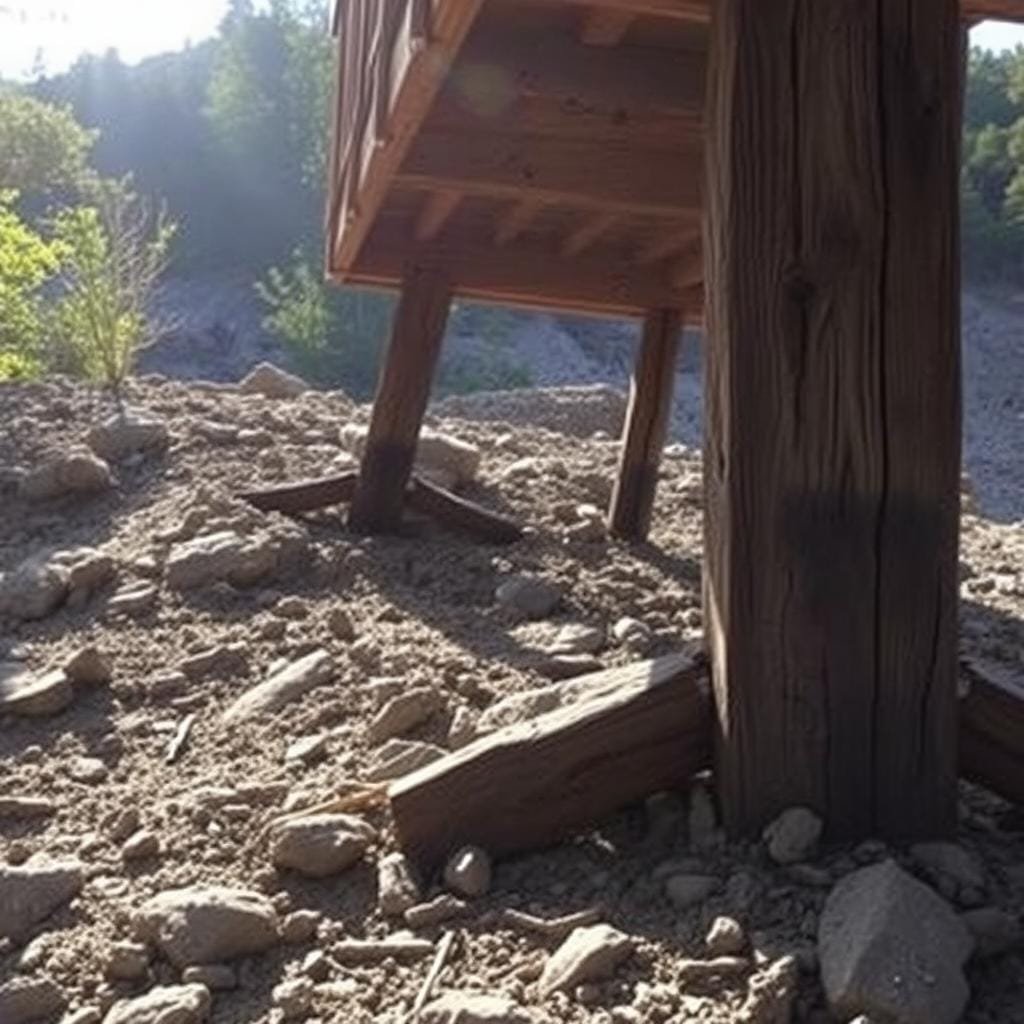
Pier foundations also help preserve natural features. They can be placed around trees without harming them. This keeps the natural beauty of your property.
Stepping Down Slopes and Hillside Construction Methods
Hillside building is easier with pier foundations. They follow the natural slope of the land. This approach is more stable and works with gravity.
This method allows for creative cabin designs. You can have walk-out lower levels and multi-level decks. It also means your cabin can have different levels, not just one.
Pier foundations also help with drainage. Water flows downhill, away from the foundation. This reduces erosion and hydrostatic pressure.
Developers and builders often choose pier foundations for sloped properties. It gives more freedom to place cabins for the best views and privacy.
Working with Bedrock and Boulder-Strewn Sites
Pier foundations are great for rocky terrain. They can be drilled around boulders and anchored to bedrock. This avoids the high cost of removing rock.
Drilling equipment can go through rocky conditions. This makes it possible to build on land that’s hard to excavate. Piers anchored to rock provide great stability.
In areas with shallow bedrock, piers can reach solid ground. This is not possible with slab foundations. Pier foundations are flexible and can handle different soil conditions.
| Terrain Challenge | Pier Foundation Solution | Traditional Foundation Issue | Cost Impact |
|---|---|---|---|
| 10-15% slope | Variable pier heights create level platform | Extensive cut/fill grading required | 40-50% savings on site prep |
| Shallow bedrock | Anchor piers directly to rock | Expensive blasting or rock removal | 60-70% reduction in excavation costs |
| Mature tree roots | Position piers between root systems | Tree removal or foundation damage | Preserves property value and character |
| Boulder-strewn ground | Drill between or around obstacles | Major excavation and boulder removal | 50-60% lower earth-moving expenses |
Pier foundations change what’s possible for cabin building. They make challenging properties buildable. This approach is cost-effective and respects the environment.
Minimal Site Disturbance and Environmental Impact
Building a cabin in nature means you don’t want to harm the land. Pier foundations are a way to build without messing up the site. They don’t need a lot of digging, keeping the area around your cabin natural.
Pier foundations have a lower environmental impact than other methods. They only need small spots for each pier, not the whole area. This means less harm to the soil, plants, and animals.
Many choose remote spots for their beauty. Pier foundations help keep this beauty by not touching much of the land. This way, your cabin stays in harmony with nature.
Preserving Natural Landscapes and Vegetation
Traditional foundations clear a lot of land. Pier foundations only need small spots for piers. This lets plants and ground cover stay where they are.
This method keeps natural drainage patterns intact. Rainwater flows as it should, avoiding problems like pooling. This is better than reshaping the land too much.
Your cabin can blend into the forest. Plants like wildflowers and ferns can grow right up to it. This makes your cabin feel more like part of the wilderness.
Keeping plants around helps the ecosystem. They prevent erosion, support pollinators, and keep wildlife habitats connected. Your project will disturb the ecosystem less.
Tree Root Protection
Building near trees is tricky with traditional foundations. Cutting through roots can harm or kill trees. Tree preservation is easier with pier foundations.
Piers can be placed to avoid big roots. This lets you work around trees without removing them. Experts can plan pier placement to protect trees without weakening the foundation.
Building codes say to keep excavation away from trees. Pier foundations let you do this while designing your cabin. Some piers can go through roots without harming the tree.
Saving trees has many benefits. They provide shade, block wind, and add beauty. They also represent years of growth that’s hard to replace.
Reducing Erosion Risks
Soil erosion is a big worry when you dig up a lot of land. Traditional foundations remove plants and roots that hold soil. Erosion protection is a key benefit of pier foundations.
Leaving most of the ground untouched helps keep soil stable. Plants and roots do a better job than temporary fixes. This avoids muddy areas during rain and dust problems in dry weather.
The table below compares site disturbance levels between different foundation approaches:
| Foundation Type | Soil Disturbance Area | Vegetation Removal | Erosion Risk Level | Recovery Time |
|---|---|---|---|---|
| Pier Foundation | 5-10% of footprint | Minimal (pier spots only) | Low | 1-2 months |
| Concrete Slab | 100% of footprint plus margins | Complete clearing required | High | 12-24 months |
| Crawl Space | 80-90% of footprint | Extensive clearing needed | Moderate to High | 6-18 months |
| Full Basement | 100% of footprint plus excavation staging | Complete clearing plus buffer zone | Very High | 18-36 months |
Long-term erosion problems can last years after construction. Pier foundations avoid these issues. They don’t create the need for expensive fixes.
Properties near water benefit a lot from pier foundations. They reduce sediment runoff that can pollute waterways. This helps keep water quality high, making waterfront cabins more desirable.
Faster Installation and Construction Timeline
Building a cabin in a remote spot means every day counts. The construction timeline for pier foundations is a big plus. They are faster than traditional concrete foundations, which take days or weeks.
Concrete foundations need excavation, forming, pouring, curing, and removing forms. Each step has waiting times. This makes the foundation installation process slow, often taking a week or more before framing can start.
Pier foundations change the game. Many builders can set up pier foundations in a day with a small team. One builder finished their pier foundation basics in under eight hours with just two people. This quick installation speed changes how you plan your project.
Weather, equipment, and crew schedules also affect timing. Pier foundations cut down on these delays a lot.
Immediate Construction Capability
The biggest time-saver with pier foundations is no curing time needed. Concrete slabs need at least 24 hours before you can walk on them, and seven days to be strong enough for construction. Full curing takes 28 days, but builders usually start framing after the first week.
Pier foundations skip this waiting period. Once your piers are set, you can start installing beams and floor joists right away. No waiting for concrete to dry.
This is great for builders with limited time. If you have a long weekend, you can set piers on Saturday and frame your floor by Sunday evening. Concrete slabs make you wait a lot longer.
Remote site builders love this too. They can make the most of each trip. With pier foundations, you can move to the next step quickly, saving trips and money.
Working Around Weather Conditions
Weather affects foundation work, but pier foundations are more flexible. Concrete pours need specific temperatures and dry conditions for curing. Rain can ruin concrete, forcing costly redoing.
Pier foundations are less weather-sensitive. You can set piers in short windows between storms. Rain won’t ruin your work. Just wait for better weather.
This flexibility is key in unpredictable weather or short building seasons. Mountain, northern, and coastal areas face weather that complicates concrete work. Pier foundations let you work around the weather, not against it.
Extreme temperatures affect concrete curing a lot. Cold needs blankets and heaters, and hot needs special care to avoid cracking. Pier installation avoids these issues.
| Foundation Type | Installation Time | Curing Period | Weather Sensitivity | Time to Frame |
|---|---|---|---|---|
| Pier Foundation | 1-2 days | None required | Low – flexible windows | Immediate start |
| Concrete Slab | 3-5 days | 7-28 days minimum | High – specific conditions | 7+ days delay |
| Crawl Space | 4-7 days | 7-14 days minimum | Moderate – drainage needs | 7+ days delay |
| Full Basement | 7-14 days | 14-28 days minimum | Very high – complex requirements | 14+ days delay |
Time savings aren’t just in the foundation phase. Moving quickly from foundation to framing means your cabin is enclosed faster. This protects your investment from weather damage and theft while reducing the project timeline.
Weekend warriors and part-time builders benefit a lot. Limited work windows are more productive without curing times. You can make progress on each trip, keeping momentum and motivation up.
Moisture and Flood Protection Benefits
Pier foundations offer great moisture protection by creating a barrier against ground water. This design is perfect for areas where water is a big threat. People living near coastlines, rivers, lakes, or in rainy places really benefit from this.
The elevated design acts as a buffer against many water issues. It protects against flooding, heavy rain, and rising water tables. This makes pier foundations great for coastlines and areas near big bodies of water.
Lifting Your Cabin Above Water Threats
An elevated foundation raises your cabin 18 to 24 inches above the ground. Sometimes, it needs to be even higher. This helps protect your cabin from water during storms and floods.
Water flows under your cabin during heavy rains. This prevents water damage that ground-level cabins often face. It’s a smart way to avoid costly repairs.
People in FEMA flood zones often choose pier foundations for insurance reasons. The elevated foundation can lower your flood insurance costs. In coastal areas prone to hurricanes, builders may raise cabins even higher. This creates storage space and adds extra protection.
Airflow That Fights Moisture Problems
The space under a pier foundation creates a natural ventilation system. It works all the time, without electricity. This airflow carries away moisture, preventing mold and mildew.
Pier foundations allow for cross-breezes, unlike slab foundations or crawl spaces. This natural ventilation removes humidity from the ground. It keeps your cabin dry, protecting your floors and foundation from rot.
In humid climates, this moisture management system is a big plus. You don’t need fans or dehumidifiers to keep your cabin dry. The natural airflow handles moisture control, saving you time and money.
Creating Distance From Ground Dampness
Moisture from the ground is a big challenge for cabins in wooded areas or near water. Morning dew, fog, and damp soil can seep into your floors. Pier foundations solve this by separating your cabin from these moisture sources.
The elevation provides moisture protection that’s key during seasonal changes. Spring snowmelt and autumn rains can keep the soil wet for weeks. With a pier foundation, this moisture stays below your cabin, keeping it dry inside.
| Moisture Source | Ground-Level Risk | Pier Foundation Protection |
|---|---|---|
| Heavy Rainfall Runoff | Water pools against walls and foundation | Water flows beneath elevated structure |
| High Water Table | Moisture wicks into floor system | 18-24 inch buffer prevents contact |
| Ground Fog and Dew | Continuous dampness causes mold growth | Air circulation dries moisture quickly |
| Seasonal Flooding | Interior water damage and contamination | Living space remains above flood levels |
Cabins near streams, ponds, or in low-lying areas face high moisture levels. The pier design keeps your floors dry, reducing the risk of wood rot, insects, and structural damage. It’s a smart way to protect your cabin.
Accessibility for Utilities and Future Repairs
The crawl space under a pier foundation makes maintenance easy. This utility access advantage is key as your cabin gets older and needs repairs. Unlike concrete slabs, pier foundations let you easily reach plumbing and electrical systems.
Years later, owners find this benefit when something needs fixing. Accessing utilities without tearing up floors saves money and hassle.
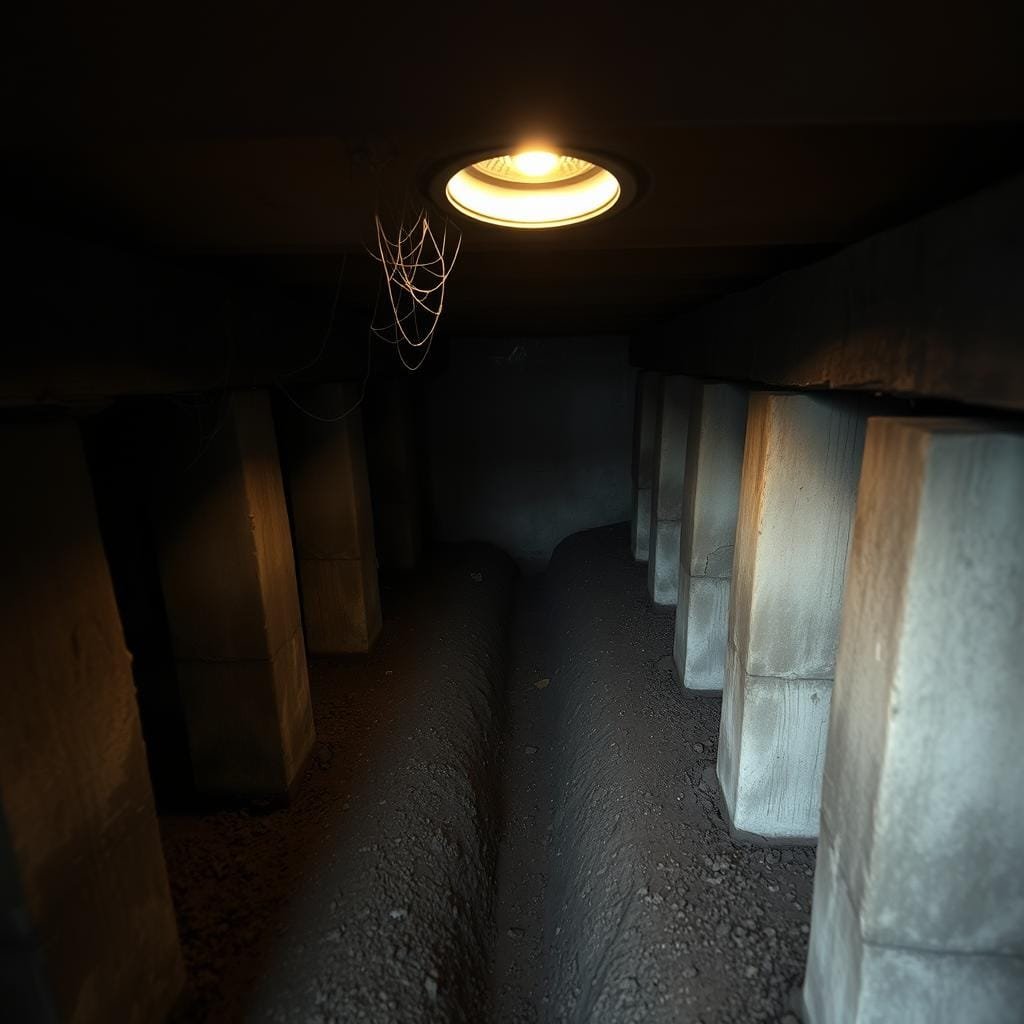
Working With Plumbing and Electrical Systems
Working on water lines and wiring is easier with a crawl space. Workers can run pipes and wiring without concrete. This makes initial construction and future changes flexible.
The plumbing access benefits go beyond building. Adding a bathroom, moving a sink, or installing an outdoor shower is easy. These projects are simple, not major renovations.
Electrical upgrades are also easier. Adding new circuits, outlets, or upgrading your panel doesn’t mean cutting through concrete. Electricians can work in the crawl space.
This is great for remote cabins where help is expensive or hard to get. DIY owners can do many tasks with basic tools and knowledge.
Making Repairs and Modifications Simple
Home ownership means dealing with unexpected problems. Plumbing leaks and electrical issues will happen. Your foundation type affects how you fix these problems.
Concrete slab foundations make leaks a big problem. You’ll have to cut through flooring and jackhammer concrete to fix it. After repairs, you’ll face the cost of patching concrete and replacing flooring.
Pier foundations make repairs much simpler. Most fixes involve accessing the crawl space and making changes without disturbing the living space. This saves time and money over your cabin’s life.
Maintenance access considerations include several practical factors:
- Minimum crawl space height of 18-24 inches allows basic access for emergency repairs
- Heights of 36 inches or more make routine maintenance much more comfortable and efficient
- Strategic placement of access hatches reduces the distance workers need to crawl
- Proper lighting and clear pathways improve safety during inspection and repair work
- Adequate ventilation keeps the space dry and prevents mold growth that could complicate access
Easy access can save a lot of money over time. A major plumbing repair in a slab foundation might cost $2,000-$5,000 or more. The same repair in a pier foundation could cost $300-$800.
Regular inspections are easier with good utility access. You or a professional can check for early signs of problems. This prevents expensive emergencies.
For cabins in areas with hard water or corrosive soil, inspecting and replacing plumbing is key. You can monitor pipe condition and plan replacements before failures happen.
Modern technology upgrades are also easier. Installing smart home systems, adding radiant floor heating, or running network cables is straightforward. This flexibility helps your cabin adapt to changing needs and technologies over decades.
The Drawbacks: Key Disadvantages to Consider
Knowing what can go wrong is as important as knowing what works well. We’ve talked about the benefits of pier foundations before. But, it’s also key to look at the challenges they bring.
The foundation challenges of pier systems aren’t always deal-breakers. But, ignoring them can lead to expensive problems later. Knowing about these issues helps you plan better and set realistic expectations for your cabin project.
Four main concerns emerge when looking at pier foundation disadvantages. These include structural limitations, insulation difficulties, ongoing maintenance needs, and financing complications. Each area needs careful thought before choosing this foundation type.
Context is key when evaluating these drawbacks. A summer-only retreat in a mild climate faces different challenges than a year-round home in harsh winters. Your specific situation determines which disadvantages matter most to your project.
Many of these building limitations can be addressed with proper planning. Using quality materials, professional installation, and smart design choices can help. The key is knowing about these issues before construction starts.
Some cabin owners find that certain disadvantages barely affect their projects. Others find that specific challenges create big obstacles. The table below shows how various factors influence the severity of common pier foundation concerns:
| Disadvantage Type | High Impact Scenarios | Low Impact Scenarios | Mitigation Difficulty |
|---|---|---|---|
| Structural Limitations | Multi-story cabins, heavy materials, high wind areas | Single-story, lightweight construction, sheltered locations | Moderate to High |
| Insulation Challenges | Cold climates, year-round use, exposed locations | Mild climates, seasonal use, protected sites | Low to Moderate |
| Maintenance Needs | Wood piers, high moisture areas, pest-prone regions | Concrete piers, dry climates, minimal vegetation | Low |
| Financing Issues | Permanent homes, conventional mortgages, strict lenders | Recreational cabins, cash purchases, flexible financing | High |
Every building decision involves trade-offs. There’s no perfect foundation for everyone. What works well for one cabin owner might not work for another, based on climate, usage, and budget.
The next sections will dive into each disadvantage category in detail. You’ll learn about weight distribution, insulation solutions, maintenance schedules, and financing alternatives. This info helps you decide if the foundation disadvantages are manageable or serious roadblocks for your project.
Approach these next sections with an analytical mindset. Don’t feel discouraged. Use this knowledge to make informed choices. Many successful cabin owners choose pier foundations despite challenges because the benefits outweigh the drawbacks for their specific situations.
Working with experienced professionals is key when dealing with building limitations. Engineers, contractors, and architects who understand pier foundations can help you navigate these challenges. They offer solutions you might not find on your own and prevent costly mistakes during construction.
Remember, being aware of possible problems is the first step to preventing them. The following sections provide the complete picture you need to decide if pier foundations are right for your cabin.
Structural Limitations and Load Restrictions
Not every cabin project is right for a pier foundation. You need to know the structural demands and load capacity. This knowledge helps you decide if a pier foundation fits your building goals.
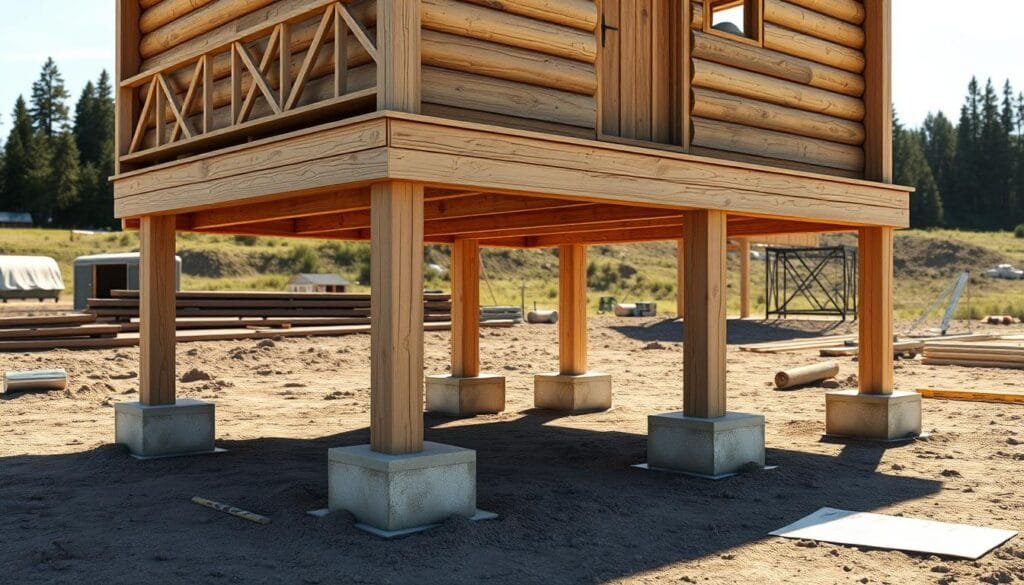
Pier foundations support your cabin at specific points, unlike solid slabs or walls. This unique way of supporting weight creates engineering challenges. These challenges affect what you can safely build.
How Piers Handle Weight Differently
When you build on piers, each support point carries a concentrated portion of your cabin’s total weight. The floor joists transfer loads to beams, which then channel everything down through individual piers into the ground. If any single pier settles or fails, the entire structure feels the impact.
Poor weight distribution causes noticeable problems quickly. Floors can sag between support points when pier spacing is too wide. Beams may shift or crack when they’re undersized for the load they’re carrying.
Concentrated loads create special concerns. A heavy masonry fireplace or large water tank puts enormous pressure on just a few piers. These situations require additional engineering to prevent foundation failure and structural damage over time.
Here are common weight distribution issues that affect pier foundations:
- Inadequate pier spacing leading to bouncy or sagging floors
- Undersized beams that deflect under normal loads
- Uneven settling when soil conditions vary across the building site
- Concentrated point loads from heavy fixtures or equipment
- Cascading failures where one damaged pier affects adjacent supports
Building Size and Material Constraints
Pier foundations work beautifully for single-story cabins and modest two-story structures with lightweight siding. But, weight restrictions become significant factors as buildings grow larger or incorporate heavier materials. You’ll face real limitations when planning multi-story designs or using stone and brick exteriors.
The total load capacity depends on multiple factors working together. Pier size, spacing, depth, and soil bearing capacity all contribute to how much weight your foundation can safely support. Standard pier foundations typically handle residential loads effectively, but they’re not unlimited.
| Structure Type | Pier Foundation Suitability | Typical Considerations |
|---|---|---|
| Single-Story Cabin | Excellent | Standard spacing and sizing work well |
| Two-Story Wood Frame | Good with Proper Design | Requires closer spacing and larger piers |
| Heavy Masonry Exterior | Challenging | May need alternative foundation or reinforcement |
| Three-Story Structure | Generally Not Recommended | Better served by continuous foundation walls |
Material choices directly impact your foundation requirements. Wood siding weighs considerably less than stone veneer or brick facades. A cabin with heavy exterior materials needs more piers placed closer together, which reduces the cost advantage pier foundations typically offer.
Sideways Forces and Stability Concerns
Pier foundations excel at handling vertical loads but struggle with lateral forces pushing from the side. Wind resistance becomes a critical factor in exposed locations or areas prone to severe weather. Unlike continuous foundation walls that resist sideways movement naturally, individual piers need additional bracing and anchoring systems.
High winds create uplift forces that try to lift your cabin off its piers. They also push horizontally against walls, transferring stress to the foundation. Without proper anchoring, these forces can shift the entire structure or damage individual support points.
Seismic activity presents similar challenges. Earthquakes generate powerful lateral forces that pier foundations aren’t inherently designed to resist. Piers can crack or crumble under pressure when ground movement occurs. Some regions with high earthquake risk may not permit pier foundations without extensive reinforcement.
Protection strategies for lateral forces include:
- Steel anchor brackets securing the cabin frame to each pier
- Diagonal bracing between piers to resist sideways movement
- Reinforced concrete piers with steel rebar in high-risk areas
- Cross-bracing in the floor framing system for added rigidity
Hurricane-prone coastal areas and earthquake zones often require engineering certifications for pier foundations. Your local building department can tell you whether these structural limitations make pier foundations impractical for your specific location. In some cases, alternative foundation types simply make more sense from a safety and regulatory standpoint.
Insulation and Energy Efficiency Concerns
The space under pier-supported cabins needs special insulation requirements. Unlike slab foundations, pier foundations leave your floor open to cold air from below. This design makes keeping your cabin warm a bigger challenge.
In cold weather, the space under your cabin gets very cold. This cold air can make your floors feel chilly, even when you’re running the heater. This can make your rooms feel uncomfortable and increase your heating bills.
Cold Weather Floor Performance
Pier foundations let cold air reach your cabin’s underside. Unlike foundations that sit on stable ground, your floor is exposed to the cold. This makes keeping your cabin warm harder.
Cold air moves freely under your cabin, causing heat loss. This is known as “thermal bridging.” Walking on cold floors, even with the heater on, is common.
The cold air under your cabin makes it hard to keep warm. In cold climate building, this problem is worse. Your floors act like giant coolers, working against your heating system.
Financial Impact on Winter Operations
Bad insulation can make your heating bills go up a lot. Studies say it can cost 25% to 50% more than well-insulated homes. For cabins used all year, this adds up fast.
Different heaters face different challenges. Electric heaters run all the time. Propane furnaces use more fuel. Off-grid systems struggle to keep up with heating needs.
Bad insulation also makes your home feel cold, even when it’s not. This means you have to heat your home more, wasting energy and money.
Thermal Protection Strategies and Enclosure Options
There are good ways to fix these problems. Rigid foam insulation works well when put between floor joists. A good method uses 1-inch foam between two layers of OSB for both insulation and support.
Spray foam is another good choice. It fills in gaps and seals air leaks. It’s applied under the floor to keep it warm. Batt insulation is also effective, but it needs careful installation to work well.
Adding a subfloor on top of the foundation helps too. This is best in very cold places. It adds warmth and keeps cold air out.
Foundation skirting keeps the crawl space warm. It blocks wind and lets in air. You can choose from:
- Vinyl skirting panels – affordable, easy to install, available in various colors
- Rigid foam boards – provide both enclosure and additional insulation value
- Wood or composite materials – offer attractive appearance with good durability
- Stone or brick facades – deliver maximum durability and traditional aesthetics
Skirting needs air vents to keep it dry and warm. This keeps your cabin cozy and safe.
Maintenance Requirements and Long-Term Care
Pier foundations need regular care to keep your cabin safe and stable. They offer many benefits but require more attention than traditional foundations. Weather, moisture, and pests can damage them over time.
Foundation maintenance is key when you own a cabin with pier foundations. Being proactive helps catch small problems before they get big. Knowing what to look for and when to act is important to protect your investment.
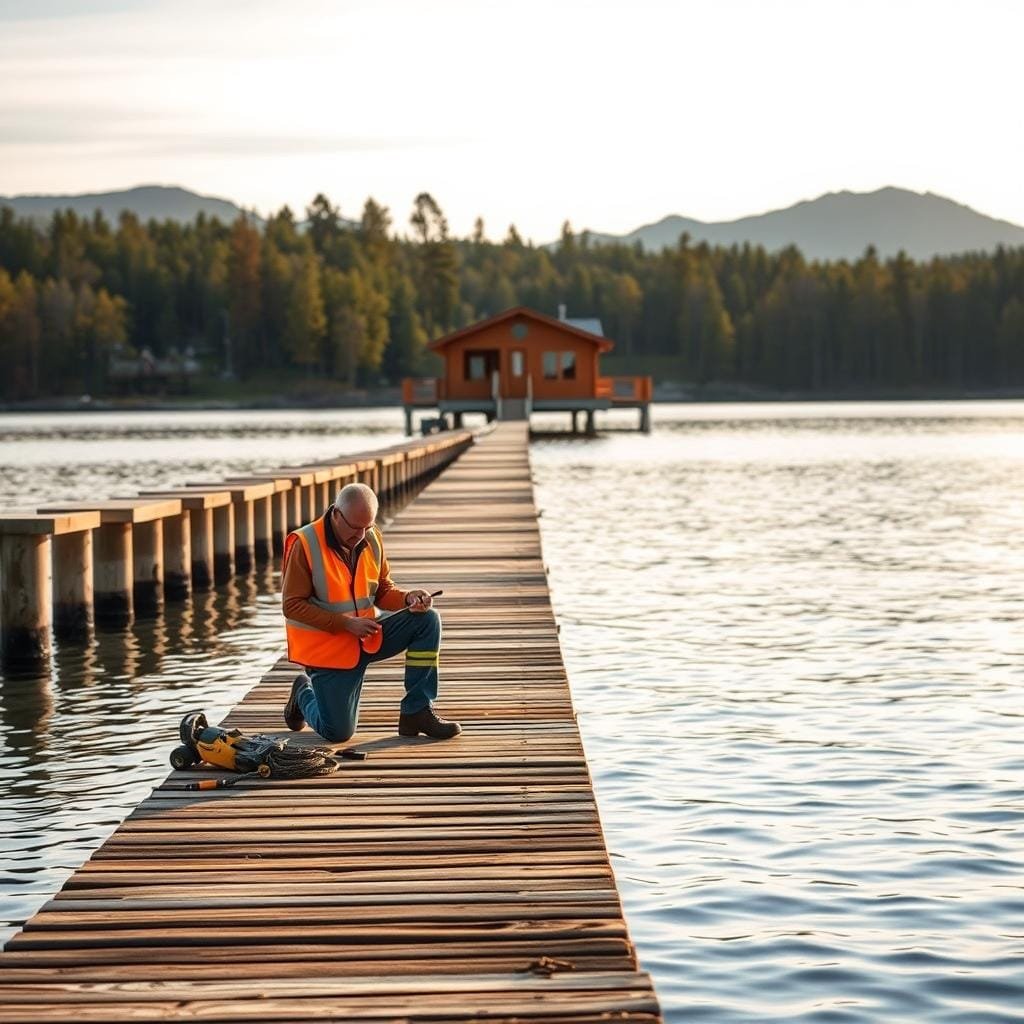
Creating an Effective Inspection Schedule
Your cabin should get a thorough pier inspection at least once or twice a year. Many owners check in spring and fall. These checks help find problems early, saving money and hassle.
Look for gaps and soft floors during inspections. These signs indicate settling or structural issues.
Examine each pier closely for visible problems:
- Concrete piers: Look for cracks, crumbling surfaces, or moisture damage that weakens structural integrity
- Wood piers: Check for signs of wood rot, insect damage, or decay at ground contact points
- Metal piers: Watch for rust, corrosion, or weakening at connection points
- Pier alignment: Use a level to verify piers remain plumb and haven’t shifted or tilted
Many owners can do basic inspections themselves. But, consider a professional every few years for a detailed check. They have the skills and tools to spot issues you might miss.
Protecting Against Moisture and Unwanted Guests
The open crawl space under pier foundations has its pros and cons. It promotes ventilation but also invites moisture and pests. Effective pest management starts with prevention.
Moisture control is key to protecting your foundation. Make sure the ground slopes away from your cabin. Use vapor barriers in the crawl space to reduce humidity. Watch for standing water after heavy rains, which can harm pier stability and promote mold.
Wood components in your foundation are vulnerable to moisture. Exposed beams and joists can develop mold and mildew. Regular ventilation helps, but you might need more vents or fans in humid climates.
The same openings that provide ventilation also attract pests. These pests can damage wooden structural members. Make your crawl space less appealing to pests:
- Remove debris, firewood, and vegetation from beneath the cabin
- Maintain at least 18 inches of clearance between ground and wood members
- Seal gaps and entry points where pests might enter
- Install hardware cloth or screening over foundation openings
- Schedule regular pest management inspections with professionals
Catching infestations early prevents extensive damage. Look for signs like mud tubes from termites, droppings from rodents, or damaged wood showing insect activity.
Understanding Settling and Making Adjustments
Some foundation settling is normal as soil adjusts to weight loads. Your cabin may shift slightly in the first year or two. The key is knowing when to worry.
Normal settling shows as small cosmetic issues. You might see small cracks in drywall, doors that stick slightly, or windows that need minor adjustment. These issues usually stabilize once the foundation settles fully.
Excessive foundation settling shows more dramatic symptoms. Floors may slope or feel soft. Doors and windows might not close properly. Gaps may appear between the cabin structure and pier supports.
When settling becomes a problem, reshimming restores proper support and level. This process involves adding material between piers and support beams to eliminate gaps and restore proper height. Professional contractors recommend reshimming every three to five years as standard maintenance.
| Maintenance Task | Frequency | Typical Cost Range | DIY or Professional |
|---|---|---|---|
| Visual pier inspection | Twice yearly | $0 (DIY) or $200-400 | DIY capable |
| Professional structural assessment | Every 3-5 years | $400-800 | Professional required |
| Reshimming services | Every 3-5 years | $1,200-1,800 | Professional recommended |
| Pest control treatment | Annually or as needed | $300-600 | Professional recommended |
Some settling situations require more extensive intervention. Severely compromised piers may need replacement. Adding supplemental piers becomes necessary if existing supports prove inadequate for loads. These larger projects cost significantly more than routine reshimming but prevent catastrophic failures.
Keep detailed records of maintenance activities, inspection findings, and repairs performed. This documentation helps you track patterns, plan budgets, and provides valuable information for future owners if you sell your cabin.
Financing and Resale Value Considerations
Pier foundations have many benefits but also bring financial challenges. They might save you money upfront but can cause problems later when getting loans or selling your home. It’s important to understand these financing challenges to make smart decisions for now and the future.
Many builders focus only on construction costs and ignore how foundation choice affects funding. They also don’t know that property value can change a lot based on the foundation type, which is important for loans.
Getting Past Lender Requirements
Getting a mortgage approval for a cabin with pier foundations can be tough. Lenders often prefer traditional foundations over pier foundations. This can limit your loan options.
Some lenders see pier-supported homes as temporary. This can lead to:
- Loan denials from lenders who want permanent foundations
- Larger down payment requirements, sometimes 20-30% instead of 10-15%
- Higher interest rates because of the perceived risk
- Restrictions on loan amounts or shorter repayment terms
- Limited construction loan availability for building projects
Your experience with financing depends on your situation. Cash buyers have no restrictions. But, if you need a loan, check if your foundation meets lender requirements before designing.
Working with lenders who know about alternative construction methods can help. Local banks and credit unions often understand pier foundations better than big lenders. They might offer more flexible terms.
How Appraisers View Different Foundations
The home appraisal process looks at foundation type among other things to determine property value. Appraisers check the foundation’s quality, permanence, and if it fits the location. In some areas, pier foundations might get lower valuations than traditional ones.
But, the context is key. Some places, like waterfront areas or cabin communities, might not penalize pier foundations as much.
- Waterfront and flood-prone areas where elevated foundations are standard practice
- Cabin communities where pier foundations predominate
- Recreational properties where seasonal use is expected
- Rural locations with challenging terrain where pier foundations are common solutions
The value of a property is more than just the foundation. Appraisers also look at the land, building quality, location, recent sales, and market conditions. A well-built cabin on good land with a proper pier foundation might appraise higher than a poorly built one on a concrete slab.
For those planning to own their cabin long-term, appraisal worries might be less important. Your foundation should meet your needs, like site adaptation and budget, more than resale value.
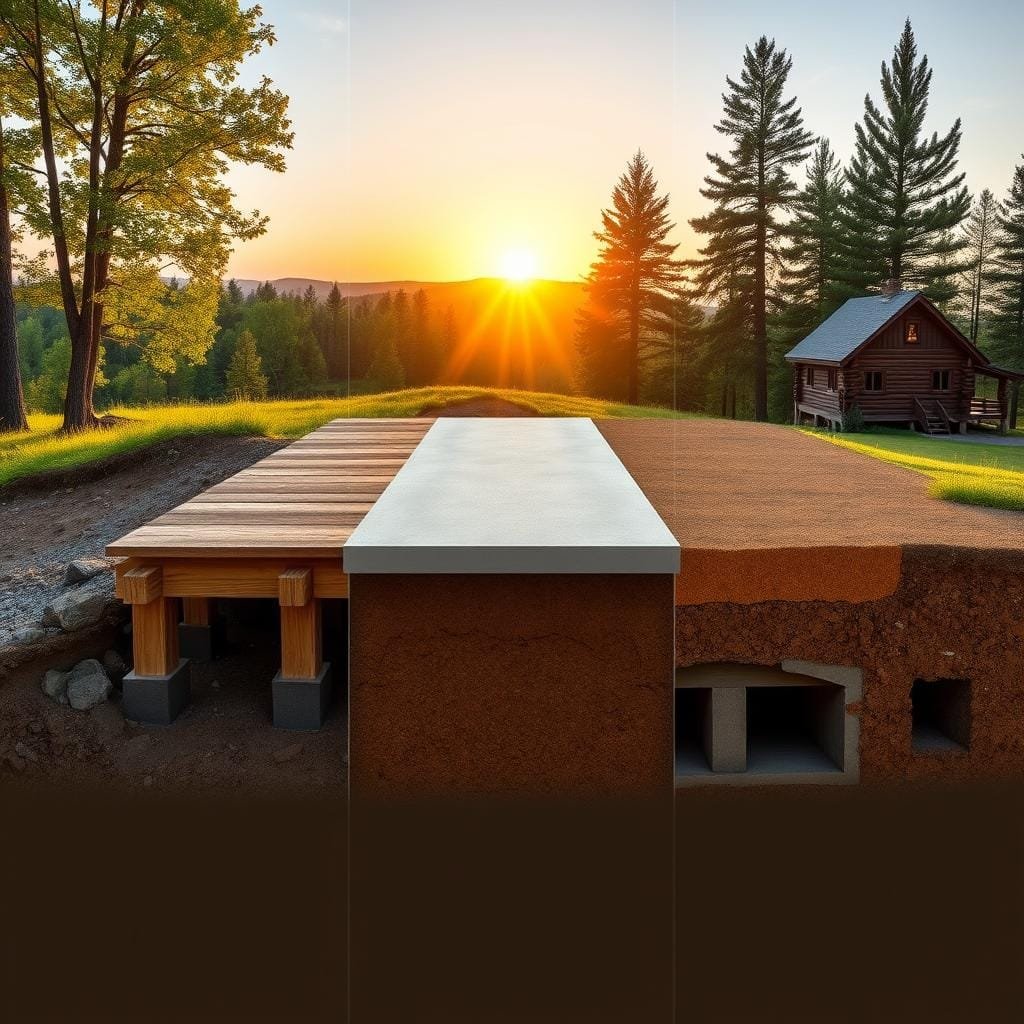
Comparing Pier Foundations to Other Foundation Types
Every foundation type has its own pros and cons. It’s key to compare pier foundations to others to find the best fit for your project. This helps cabin builders pick the right foundation based on their budget, terrain, and maintenance needs.
Understanding these differences helps you make informed decisions. Each foundation type has its own strengths and works best in certain conditions.
Pier vs. Concrete Slab Foundations
Pier and slab foundations differ a lot in cost and use. A concrete slab foundation costs about $10,000 for a standard home. This is much cheaper than pier foundations, which cost around $21,000 for a 2,000-square-foot house.
Concrete slabs are flat and poured on the ground. They’re quick to install and don’t need a long construction time. But, they can be hard to fix when plumbing or electrical issues arise.
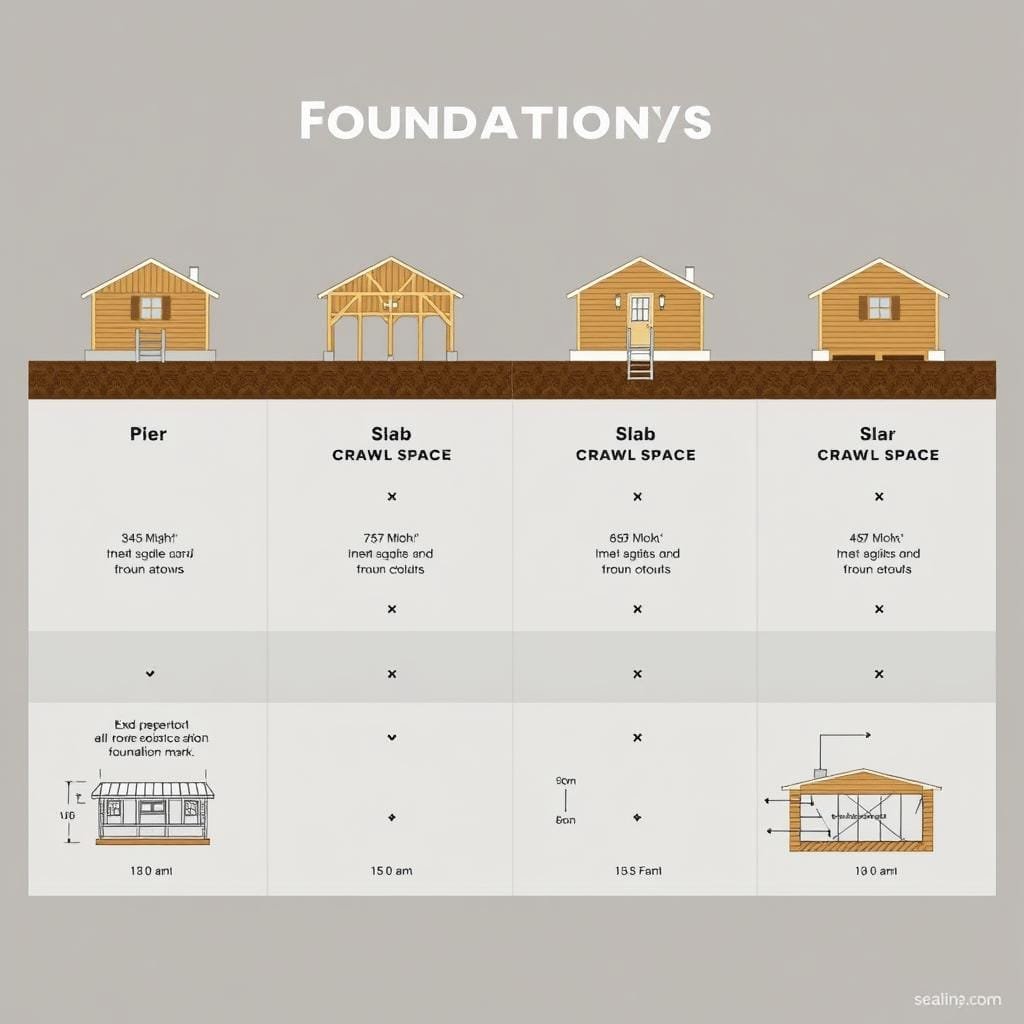
Fixing these issues can be very expensive. Pier foundations make it easy to access utilities under the floor.
Climate is also a big factor. Slab foundations crack in cold climates because of ground freezing and thawing. Pier foundations are better in cold weather because they go below the frost line.
Pier foundations are also better for uneven terrain. Slabs need a level site and a lot of excavation. Pier foundations can handle slopes and uneven ground easily.
Choose a slab foundation for homes on level lots in mild climates. Go with pier foundations for tough terrain, flood zones, or where digging is hard.
Pier vs. Crawl Space Foundations
Crawl space foundations are similar to pier systems. They elevate the home and have space under it. Crawlspace stem wall foundations cost about $21,000, similar to pier foundations.
Crawl spaces have walls that create a closed area under the home. They offer better wind resistance than open pier systems. This is because the walls add extra support.
Insulating crawl spaces is easier because the walls can be sealed and insulated well. But, this space can also trap moisture.
Crawl space foundations can get moldy like pier foundations. They need careful moisture control and ventilation. The closed space can trap moisture more than open pier systems.
Crawl spaces need more digging and grading than pier foundations. This makes them less good for steep slopes or uneven terrain. Pier foundations are better for tough sites.
Crawl spaces are popular in earthquake areas because they’re strong and flexible. They offer protection from floods and easy access to utilities like pier foundations.
| Foundation Type | Average Cost (2,000 sq ft) | Best Application | Key Advantage |
|---|---|---|---|
| Pier Foundation | $21,000 | Sloped or uneven terrain | Terrain adaptability and utility access |
| Concrete Slab | $10,000 | Level lots in moderate climates | Lower cost and faster installation |
| Crawl Space | $21,000 | Flood zones and earthquake areas | Wind resistance and structural strength |
| Full Basement | $14,000 | Areas with low water tables | Additional living space |
Pier vs. Full Basement Foundations
Basement foundations are the most different. They’re built at least eight feet below ground and add a lot of space. Basement foundations cost about $14,000 on average, but this can vary a lot.
Basements add a lot of space that can be used for storage, recreation, or even renting. They also support multi-story homes well. But, building a basement costs a lot in labor and equipment, mainly in rocky soil or where water is high.
Basement foundations aren’t good for flooding areas or where water is always high. Pier foundations are better in these places because they keep the home above water.
This comparison shows basements are best in stable, dry soil where water is low. Rocky terrain makes basement digging too expensive. Pier foundations are simpler to install in such areas.
Building a basement makes sense if you need extra space and the site drains well. Choose pier foundations when digging is too expensive, or if you’re on a tight budget.
Climate also matters. Basements keep a steady temperature, while pier foundations need extra insulation in cold weather.
Best Practices for Pier Foundation Installation
Before digging your cabin’s pier foundation, knowing the key steps can save you thousands. It’s not just about placing posts in the ground. You need to evaluate the site, measure precisely, and follow local rules.
Most pier foundation failures happen because builders skip important steps or ignore local rules. Whether you’re doing it yourself or hiring pros, knowing these best practices ensures your cabin lasts for decades.
Understanding Your Ground Through Testing and Evaluation
The foundation of a successful pier starts with soil testing below the surface. Your soil’s type determines how deep and far apart your piers should be. Without this knowledge, you’re building on guesses.
Professional soil testing shows how much weight your soil can handle. Clay soils can support 1,500 to 3,000 pounds per square foot. Sandy soils handle 2,000 to 3,000 pounds. Rocky terrain can support over 10,000 pounds per square foot.
The type of soil is as important as its strength. Expansive clay swells when wet and shrinks when dry, causing piers to move. High water tables indicate drainage issues that need extra planning. Organic-rich topsoil lacks the stability needed for bearing weight.
For larger cabins or permanent structures, professional soil testing is a must. A geotechnical engineer collects soil samples and analyzes them in a lab. This testing costs between $500 and $2,000 but prevents costly repairs.
Smaller cabin projects on stable ground might not need lab analysis. Experienced builders can assess soil through visual inspection and simple field tests. Digging test holes shows soil layers and composition. The ribbon test—rolling moist soil between your fingers—indicates clay content. If soil crumbles easily, it contains more sand.
But some situations demand professional evaluation, no matter the project size. If you notice existing structures nearby with foundation problems, that’s a warning sign. Signs of poor drainage, standing water, or ground that feels spongy indicate issues. When in doubt, invest in testing to avoid risking your cabin’s stability.
Getting Spacing and Depth Right
Pier spacing and depth follow engineering principles for balanced load distribution and practical construction. The standard spacing of 6 to 8 feet works for most cabins, but your specific needs depend on several factors.
Heavier cabins need closer pier spacing to distribute weight properly. A small timber-frame cabin might work fine with 8-foot spacing, while a larger structure with stone facing requires piers every 6 feet or less. Weak soils also demand closer spacing because each pier can support less weight.
The load calculation is straightforward: estimate your cabin’s total weight, divide by the number of piers, then verify that each pier’s bearing area can handle its share. Most residential pier foundations use 10-inch to 12-inch diameter footings, providing bearing areas of 78 to 113 square inches.
Depth requirements ensure piers reach stable bearing soil and extend below the frost line. The general rule calls for footings placed at least 12 inches below the surface soil and 12 inches below the frost line. Surface soil contains organic matter and experiences seasonal movement, making it unsuitable for bearing weight.
In areas with shallow frost penetration, minimum depth might be 18 to 24 inches. Cold climate regions require much deeper installation. Some northern locations need piers extending 48 inches or more below grade to prevent frost heaving.
| Climate Region | Typical Frost Line Depth | Minimum Pier Depth | Recommended Spacing |
|---|---|---|---|
| Southern States (Zone 7-9) | 0-12 inches | 18-24 inches | 8 feet maximum |
| Mid-Atlantic/Midwest (Zone 5-6) | 24-36 inches | 36-48 inches | 6-8 feet |
| Northern States (Zone 3-4) | 42-60 inches | 54-72 inches | 6 feet maximum |
| Mountain/Extreme Cold (Zone 1-2) | 60+ inches | 72+ inches | 5-6 feet |
Pier layout should be symmetrical and evenly distributed. Place piers at all corners, then space intermediate piers to support floor joists and beams. Extra piers under heavy fixtures like wood stoves or bathtubs prevent sagging over time.
Navigating Regulations and Getting Proper Approvals
Local building codes and permit requirements vary a lot depending on where you’re building your cabin. Some places have detailed specs for pier foundations, while others have minimal rules for small structures. Knowing these requirements before you start construction prevents costly mistakes and legal problems.
Most areas require building permits for permanent structures, even small cabins. The permit process involves submitting plans, paying fees, and scheduling inspections at various construction stages. Permit costs range from $100 to several thousand dollars, depending on project size and location.
Building codes address safety concerns like structural integrity, fire resistance, and occupant protection. Code requirements for pier foundations often specify minimum footing sizes, pier spacing limits, connection methods, and bracing requirements. These standards prevent failures that could cause injuries or property damage.
Working without required permits creates serious problems. Insurance companies may refuse to cover unpermitted structures. When you sell your property, unpermitted buildings can complicate or kill the sale. Some buyers walk away entirely when they discover code violations. Others demand price reductions or require you to bring the structure into compliance before closing.
The permitting process also provides valuable oversight. Building inspectors catch mistakes before they become expensive problems. They verify that your foundation meets minimum standards and that your construction follows approved plans. This professional review adds a safety net that protects your investment.
State-Specific Regulations
Foundation requirements differ significantly from state to state based on climate, soil conditions, and local building traditions. Some states permit pier foundations for cabins up to a certain size without restrictions. Others require engineered designs and professional installation for all permanent structures.
States with active seismic zones like California have additional requirements for lateral bracing and pier connections. Coastal states include wind resistance specifications. Areas with expansive soils may prohibit certain foundation types or require special engineering.
Contact your local building department early in the planning process. Ask about pier foundation requirements, size limitations, and special approvals needed. Many departments provide handouts or online resources explaining their requirements. This upfront research prevents surprises after you’ve already invested time and money.
Frost Line Considerations
The frost line is the maximum depth that ground freezes during winter in your area. When soil freezes, it expands and creates upward pressure called frost heaving. Piers that don’t extend below the frost line can shift, crack, or lift completely out of the ground during freeze-thaw cycles.
Frost depth depends on local climate patterns and typical winter temperatures. Southern locations might have no frost penetration, while northern regions experience frost depths exceeding five feet. Historical weather data determines frost line maps used in building codes.
Installing piers below the frost line prevents heaving because the pier base rests in soil that never freezes. The surrounding soil above the frost line can freeze and expand, but it can’t lift the pier when the base is anchored in stable ground below.
Some builders try to save money by installing shallow piers in cold climates. This always ends badly. Frost heaving creates uneven lifting that cracks floor systems, misaligns doors and windows, and can even topple lightweight structures. Repairing frost damage often requires excavating and reinstalling piers at proper depth—much more expensive than doing it right initially.
When planning your DIY foundation project, verify frost line depth for your specific location. Building departments provide this information, and frost line maps are available online. Always add at least 6 to 12 inches below the official frost line as a safety margin, even if your site is exposed to wind or shaded by trees where frost might penetrate deeper.
Making the Right Foundation Choice for Your Cabin
You now know how pier foundations help with your cabin planning. Foundations keep your home stable and protect it from moisture. They also provide insulation and ensure level floors.
Your choice depends on several factors. These include location, climate, soil conditions, humidity levels, and your budget.
Pier foundations are great for certain situations. They work well on sloped terrain, in flood-prone areas, and remote locations. They’re also good for environmentally sensitive sites.
If you need fast installation or easy access to utilities, piers are a good choice. They can also save you money.
But, other situations require different foundations. For example, cold climates might need full basements. Heavy structures require stronger support.
Traditional mortgage financing often prefers conventional foundations. Start by checking your building site. Look at the terrain, soil quality, climate, and accessibility.
Consider your budget, timeline, and the expertise of your contractor. Think about what’s most important to you. Do you value initial savings or long-term energy costs? Or do you care more about environmental impact or structural capacity?
Consult local builders who specialize in cabin construction. Make sure you meet local building codes. For complex projects, get advice from a structural engineer.
The right foundation choice varies. It depends on your unique situation, needs, and goals.
With this knowledge, you can plan your cabin confidently. Whether you choose pier foundations or another option, you know what’s best for your project.