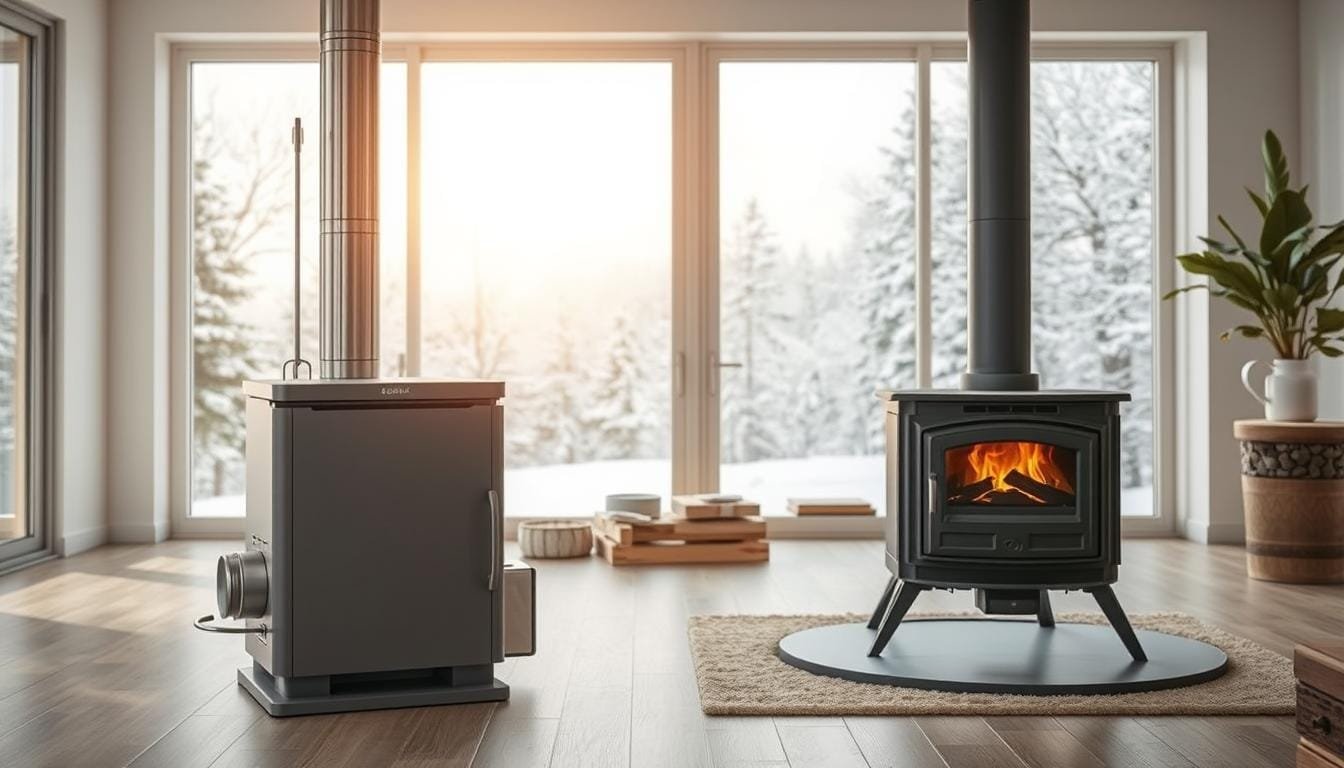

Choosing the right fuel for your home can be tough. Over 50 million American homes use propane for warmth. Many others prefer traditional firewood. How do you pick what’s best for you?
There’s no single answer to this heating system comparison. Both options have their own benefits. They depend on your budget, lifestyle, and location.
Maybe you like the ease of a thermostat-controlled system. Or maybe you prefer the cozy sound of burning logs. When comparing these options, think about several things.
This guide will tell you all you need to know. We’ll look at efficiency, costs, maintenance, and the environment. You’ll learn about things that affect your comfort and home heating efficiency.
By the end, you’ll know how to choose the best option for you.
Understanding Your Home Heating Options
Before we dive into propane and wood stoves, let’s look at all residential heating systems out there. Most homes use one of five main heating fuels to stay warm.
These fuels are natural gas, electricity, heating oil, propane, and wood. Each has its own pros and cons, like cost, efficiency, and ease of use.
Natural gas is popular in cities and suburbs with gas lines. It’s cheap and easy to use once set up.
Electric heat is common in new homes and apartments. It’s clean and quiet but can be expensive in cold weather.
Heating oil is good for rural areas, like the Northeast. It needs a tank but heats well even in very cold weather.
Now, let’s talk about propane and wood stoves. They’re great choices when you can’t use natural gas or electricity.
Propane or wood stoves are good for areas without gas lines. They’re practical for rural homes.
They’re also great during power outages. Wood stoves and some propane systems work without electricity.
Some people like the look of a wood stove. It adds a cozy feel to your home.
What heating system is best for you depends on:
- Geographic location and climate
- Existing infrastructure like gas lines
- Home size and layout for heat distribution
- Insulation quality for heat needs
- Personal priorities like renewable fuel or convenience
There’s no one “best” heating choice for everyone. Your ideal system depends on practical factors and your lifestyle.
Some want easy, automated heating. Others like the freedom of heating with wood. Cost is also a big factor for many.
Understanding all heating options helps see why propane and wood stoves are important. They offer alternatives to common heating fuels.
Next, we’ll dive into how each system works, efficiency, and costs. This info helps you choose based on your needs, not just general ideas.
How Propane Heating Systems Work
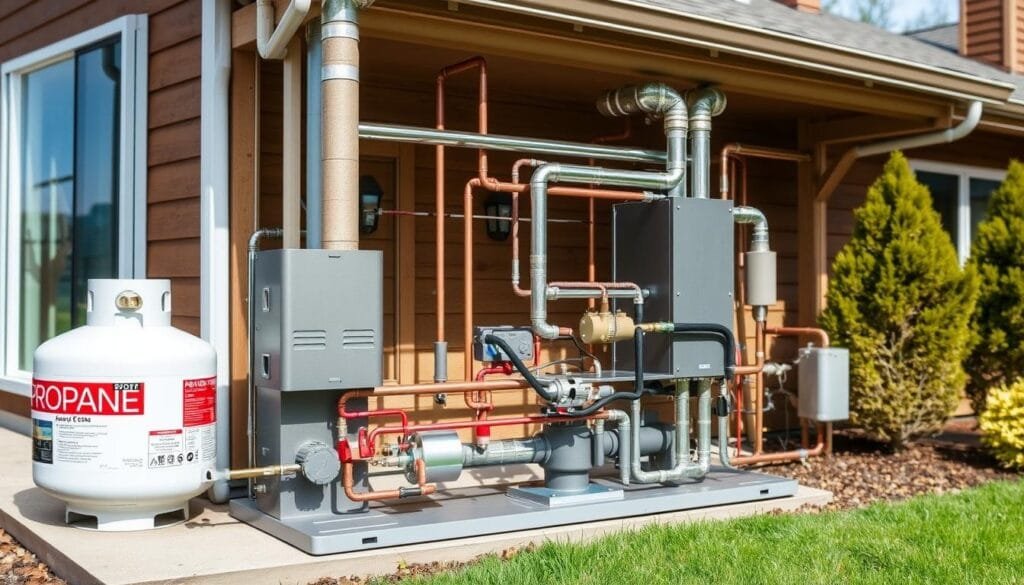
A propane heating system turns liquefied petroleum gas into warmth. Propane, or LPG heating fuel, comes from natural gas and crude oil. It’s a gas at normal temperatures but turns liquid under pressure.
Propane is naturally odorless, colorless, and non-toxic. Suppliers add a smell like rotten eggs to help find leaks. This makes propane safe for homes.
Propane is very powerful because it has 2,500 BTUs per cubic foot. This is more than natural gas. So, you get more heat from less fuel, making it efficient for heating homes.
Types of Propane Heaters Available
There are many propane heating systems for homes. Each has its own benefits. Knowing these helps choose the right one for you.
Propane heaters come in three main types. Some heat just one room, while others warm the whole house.
Direct Vent Propane Heaters
A direct vent heater uses a sealed system. It draws air from outside and vents exhaust gases outside. This makes it safe for indoor use.
Many direct vent models look like fireplaces. They offer warmth and a cozy feel. The Dickinson Marine Newport is great for small spaces like cabins. These heaters are quiet and use little electricity.
Installing a direct vent heater means cutting a wall for the venting system. A pro should do it for safety. If you’re looking at heating options for small, direct vent heaters are efficient and safe.
Ventless Propane Heaters
A ventless propane heater doesn’t need a vent. It’s very efficient because it keeps most of the heat inside. They’re portable and easy to install.
But, ventless heaters release byproducts into your home. This can raise humidity levels. Some like the extra moisture, while others worry about condensation on windows and walls.
These heaters have safety sensors to stop if oxygen levels get too low. But, some places ban them because of air quality concerns. Always check local laws before buying.
Propane Furnaces
A propane furnace heats your whole home through ducts. It uses a blower to spread warm air everywhere. They’re perfect for homes without natural gas lines.
Modern propane furnaces are very efficient, using 90% to 98% of the fuel. They heat fast and can be controlled with thermostats. They need electricity for the blower and controls.
Installing a propane furnace costs more than standalone heaters. But, they heat larger homes well and are good for cold climates.
| Heater Type | Venting Required | Best Application | Electricity Needed | Efficiency Range |
|---|---|---|---|---|
| Direct Vent Heater | Yes (sealed system) | Single rooms, small spaces | Minimal or none | 80-85% |
| Ventless Propane Heater | No | Supplemental heat, portable use | None | 99% |
| Propane Furnace | Yes (exhaust vent) | Whole-home heating | Yes (blower motor) | 90-98% |
Components of a Propane Heating System
Every propane heating system has key parts for safe and efficient warmth. Knowing these helps keep your system running well and fix problems early.
The propane storage tank is the system’s core. Tanks hold 250 to 1,000 gallons of propane. They can be above ground or buried, depending on your property and local rules.
The pressure regulator lowers the tank’s high pressure to a safe level for your appliances. It ensures fuel flow is consistent, no matter the tank’s fullness or outdoor temperature. Regulators also have safety features to stop gas flow if pressure gets too high.
Delivery lines carry propane from the tank to your appliances. These lines must be the right size for your system’s needs. A pro installs them to ensure they’re leak-free and safe.
The heating appliance itself has the burner, heat exchanger, and controls. It ignites the propane, converts it to heat, and controls the temperature. Quality appliances have safety sensors to stop automatically if needed.
Your thermostat or control system tells the appliance when to turn on and off. Modern thermostats help save fuel while keeping you comfortable. Some systems work with remote controls or apps for extra convenience.
Propane systems are great because they work during power outages. Many direct vent heaters and some furnaces have battery backup or standing pilot lights. This makes propane reliable for rural areas or places with winter storms.
How Wood Stove Heating Works
Modern wood stoves are much better than old ones. They burn cleaner and produce more heat. This makes them safer and more efficient.
Burning wood turns stored solar energy into heat. A good wood stove can make about 21 million BTUs per cord of wood. This makes it a strong choice for heating your home.
These stoves control airflow and temperature to be efficient. The wood burns in a firebox. Heat is extracted before gases go up the chimney.
Different Categories for Every Need
There are many types of wood stoves. Each one is good for different homes. You can find small stoves for tiny houses or big ones for big homes.
Catalytic Wood Stoves
Catalytic stoves use a special element to burn wood at lower temperatures. This element captures smoke and particles. They burn longer and more efficiently, up to 80%.
These stoves can heat for 8-12 hours. But, they cost more upfront, $500-1,000. The element also needs to be replaced every 5-7 years.
Non-Catalytic Wood Stoves
Non-catalytic stoves are the most popular. They use baffles and air tubes for secondary combustion. This captures more heat.
They are easy to use and need little maintenance. They can be 60-75% efficient. This makes them great for most homes.
Pellet Stoves
Pellet stoves burn wood pellets. They have automated hoppers and fans for heat distribution. They can adjust heat like a thermostat.
They need electricity for the auger and fans. They also need pellets, which you have to buy and store. But, they burn very cleanly and produce little ash.
| Stove Type | Efficiency Range | Burn Time per Load | Maintenance Level | Best For |
|---|---|---|---|---|
| Catalytic Stove | 75-80% | 8-12 hours | Moderate to High | Consistent overnight heating, maximum efficiency |
| Non-Catalytic Stove | 60-75% | 4-8 hours | Low to Moderate | General home heating, ease of use |
| Pellet Stove | 70-85% | 12-24 hours (hopper capacity) | Moderate | Automated heating, consistent temperature |
Key Components of Wood Stove Systems
Knowing the parts of a wood stove helps you understand how it works. Each part is important for safe and efficient use. This knowledge is useful for installation or understanding your stove.
The firebox is the heart of the stove. It’s made of materials that can handle high heat. The size of the firebox affects how much wood you can burn and for how long.
The baffle system directs smoke and gases through a longer path. This allows more heat to stay in your home. Good baffles can make your stove more efficient.
Air intake controls manage how much oxygen the fire gets. More air means a hotter burn, while less air makes the burn last longer. Learning to use these controls is key.
The flue pipe and chimney system vents combustion byproducts outside. Proper draft is important. Most installations need at least 15 feet of vertical pipe for good draft.
Safety features include the hearth pad and clearances to walls and furniture. These are not optional. They prevent fires. Building codes set minimum distances, usually 36 inches from walls.
Professional installation is important. It ensures everything works right. While some people install stoves themselves, it’s safer and better to hire a pro. Wood heating can be a good choice for your home if done right.
Measuring Heating Efficiency: What You Need to Know
When you compare heating options, the efficiency numbers are key. But you need to understand what they mean. Shopping for a heating system can be confusing with all the technical specs. Knowing about heating efficiency ratings helps you choose wisely for your home.
These numbers affect how much you’ll spend on heating and how cozy your home will be in winter.
What BTU Output Really Means
BTU output is like the horsepower of your heating system. It shows how much energy it uses to heat water. For your home, a higher BTU number means more heat.
Propane has 2,500 BTUs per cubic foot, which is a lot of heat in a small package. Wood gives off about 21 million BTUs per cord, but this can change based on the wood and its moisture. Natural gas has about 1,030 BTUs per cubic foot.
Let’s look at some examples. The Dickinson Marine fireplace uses about one pound of propane every five hours on high, giving off a 7,500 BTU output. A small propane heater might make 7,500 to 30,000 BTUs per hour. A big wood stove can make 40,000 to 80,000 BTUs at its peak.
Your home’s heating needs depend on several things. The size of your home is important, but so is how well it’s insulated and where you live. A poorly insulated 1,500 square foot home in Minnesota needs more BTUs than a well-insulated home of the same size in Tennessee.
Most experts say you need about 30-60 BTUs per square foot, depending on your climate. A 2,000 square foot home in a moderate climate might need 60,000-100,000 BTUs to stay warm.
Decoding AFUE and Other Efficiency Ratings
The AFUE rating (Annual Fuel Utilization Efficiency) shows how much fuel actually heats your home versus what escapes. This number is important because it affects your wallet. An AFUE of 90% means 90 cents of every fuel dollar goes to heat, while 10 cents is wasted.
Modern propane furnaces usually have AFUE ratings between 90-98%, with newer models getting closer to 100%. These systems use advanced technology to get the most heat from every gallon of propane. Wood stoves are generally less efficient, ranging from 60-80%, but newer EPA-certified models are better than older ones.
The AFUE rating isn’t everything, though. Real-world efficiency also depends on how well the system is installed, maintained, and used. A 95% efficient propane furnace with dirty filters and leaky ducts might not perform as well as an 85% efficient unit that’s well-kept.
Wood stove efficiency changes a lot based on how you use it. Burning wet wood, not letting enough air in, or not keeping the right temperatures can lower efficiency a lot. To get accurate efficiency numbers, you need to burn seasoned wood correctly.
How Heat Spreads Through Your Home
Heat distribution is key to keeping your whole home warm, not just the room with the heater. Different heating systems spread heat in different ways, affecting comfort in your home.
Forced-air propane furnaces use ductwork to heat every room. This makes temperatures even throughout the house, if your ducts are right and sealed. You can warm a bedroom on the other side of the house just as well as the room above the furnace.
Wood stoves and standalone propane heaters work differently. They use radiant and convective heat to warm the space around them. The room with the stove might get to 75°F, while bedrooms down the hall might only get to 65°F. Open floor plans help, as heat can move more easily between spaces.
Coverage area specs from manufacturers assume ideal conditions—open spaces, proper ceiling heights, and good insulation. A wood stove rated for 2,000 square feet might struggle in a home with lots of walls, closed doors, or poor insulation. Where you place the heater is very important for localized heating.
Some people use fans or circulation systems to move heat from wood stoves to other areas. This improves heat distribution but adds complexity and costs. Knowing how heat spreads helps set realistic comfort expectations in different parts of your home.
Propane vs Wood Stove Heating: Efficiency Comparison
Which heating system is better for your home? We look at more than just specs. Real efficiency depends on quality, installation, and daily use.
Let’s dive into the numbers and factors that really count. We compare propane and wood stove efficiency.
Propane Heating Efficiency Numbers
Modern propane systems are very efficient. Most propane furnaces and heaters have 90-95% Annual Fuel Utilization Efficiency (AFUE). Some high-efficiency models even reach 98%.
Propane burns clean and converts most of its energy into heat. It has 2,500 BTUs per cubic foot, giving you lots of heat from a little fuel.
Propane’s biggest plus is its control. It only burns fuel when needed, then stops. This means no wasted energy.
This control means you use less fuel. Unlike wood stoves, propane heaters adjust heat fast and keep it steady.
Wood Stove Efficiency Numbers
Modern wood stoves are much better than old fireplaces. They have 60-80% efficiency ratings. This is a big jump from old fireplaces that only use 10-30% of wood’s energy.
But, wood stoves have their own challenges. You can’t just turn down the heat when it gets warm. Once you start a fire, it will burn until it’s gone.
To get the most out of a wood stove, you need:
- Seasoned firewood with moisture content below 20%
- Hot, complete combustion, not smoldering
- Correct air intake settings
- The right amount of wood for your needs
When you do these things right, wood stoves heat well. But, keeping them at peak performance takes constant effort and skill.
Real-World Efficiency Factors
Lab tests only tell part of the story. Real-world factors like your home’s quality, insulation, and air sealing matter a lot.
Good insulation is key for both systems. A poorly insulated home wastes heat, no matter the heating system.
Heat Loss Considerations
Wood stoves lose heat even when not burning. The chimney can pull warm air out unless sealed well.
This heat loss reduces efficiency all season. Propane systems avoid this by sealing off when not in use.
Both systems benefit from good insulation. A well-insulated home keeps heat longer, needing less fuel.
Climate Impact on Performance
Very cold temperatures affect propane and wood differently. Propane struggles below -44°F, but proper placement helps.
Wood stoves actually perform better in frigid conditions. Cold air makes the chimney draft stronger, improving efficiency.
Wood stoves distribute heat better in cold. This makes them reliable when it’s very cold.
Local climate affects fuel availability and cost. Wood stoves are cheaper in areas with plenty of firewood. Propane is more common elsewhere.
| Efficiency Factor | Propane Systems | Wood Stoves |
|---|---|---|
| Peak Efficiency Rating | 90-98% AFUE | 60-80% EPA-certified |
| Temperature Control | Automatic thermostatic regulation | Manual fuel loading and air adjustment |
| Standby Heat Loss | Minimal when system is off | Continuous through chimney |
| Extreme Cold Performance | Slightly reduced below -20°F | Improved with better draft |
The choice between propane and wood stoves depends on your situation. Ratings are important, but so are your daily habits, fire-tending skills, and local fuel prices.
Propane is convenient and efficient. Wood stoves need more effort but can heat well if used right.
Upfront Costs: Installation and Equipment
Understanding the costs of installation helps you plan your heating budget. The cost of a heating system is more than just the equipment. You need to consider installation labor, venting, fuel storage, and safety components.
Knowing these costs upfront can prevent surprises. Both propane and wood-burning systems need professional installation. Let’s look at what you’ll spend to get each system working.
Propane System Installation Costs
The cost of installing a propane system varies. It depends on the heater type and your home’s setup. Propane equipment is often lighter and more compact, making installation easier.
Propane systems can fit in tight spaces, unlike wood stoves. They also offer flexible venting options. Direct vent technology lets these heaters vent horizontally, avoiding the need for vertical chimneys.
Propane heater prices vary. They depend on size, features, and heating capacity. Here’s what you might pay for different propane heaters:
- Basic propane wall heaters: $500-$1,500 for simple ventless or direct-vent models suitable for single rooms
- Propane fireplace inserts: $2,000-$4,000 for units that provide ambiance along with supplemental heating
- Whole-home propane furnaces: $3,500-$6,000 or more depending on BTU capacity, efficiency ratings, and advanced features like variable-speed blowers
- Propane boilers: $4,000-$8,000 for systems that provide both space heating and hot water
High-efficiency models cost more but save fuel in the long run. Some manufacturers offer kits for propane venting in existing chimneys. These kits can simplify installation when replacing an old system.
Tank Installation and Setup
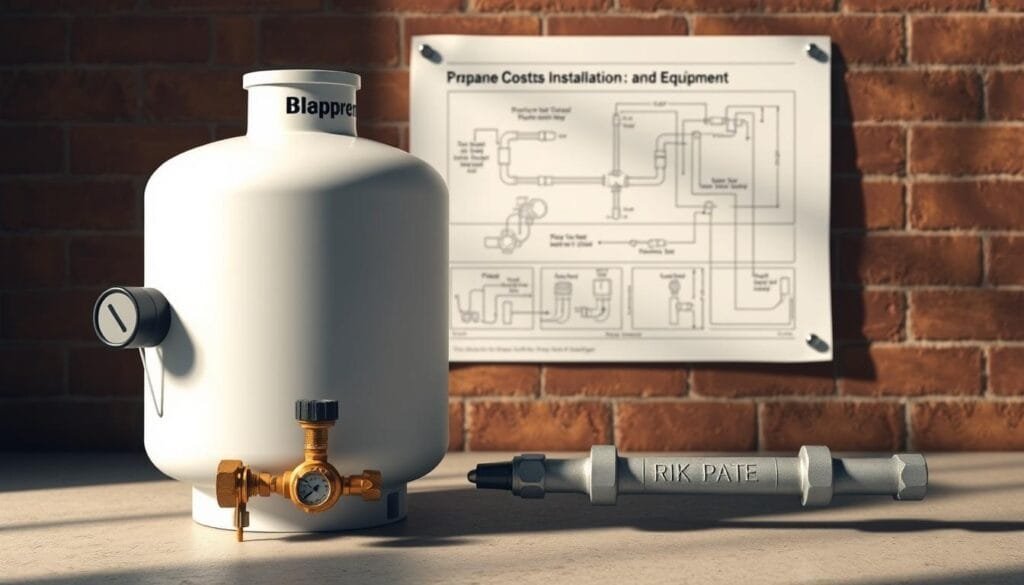
If you don’t have propane service, you’ll need a tank. The cost of the tank and installation method affects your initial investment. You can buy a tank outright or lease one from your supplier.
Purchased tanks cost $1,500-$3,000 for standard sizes. You own the tank and can shop for fuel prices. This can save money in the long run.
Leased tanks have little or no upfront cost. But, you must buy all your fuel from that supplier. This limits your ability to find better prices.
Professional installation services are needed. This includes tank placement, gas line running, and system hookup. Costs range from $500-$2,000, depending on the distance and local codes.
Residential propane comes in portable cylinders or bulk delivery to large tanks. Most homes need the larger tanks for heating.
Wood Stove Installation Costs
Wood stove installation costs can surprise you. The stove itself might seem affordable, but venting and safety installations add up. Professional installation is essential for safety and insurance.
Many underestimate the complexity of wood stove installation. Local codes and fire safety standards require professional knowledge. Budget for the whole system, not just the stove.
Stove Purchase Price
Wood stove prices vary. They depend on size, efficiency, materials, and features. Here’s what different stoves cost:
| Stove Type | Price Range | Key Features |
|---|---|---|
| Basic Models | $800-$1,500 | Simple steel construction, manual air control, lower efficiency |
| EPA-Certified Mid-Range | $2,000-$3,500 | Cleaner burning, better efficiency, modern combustion systems |
| High-End Catalytic/Soapstone | $4,000-$8,000+ | Maximum efficiency, extended burn times, superior heat retention |
| Pellet Stoves | $2,000-$5,000 | Automated fuel feeding, precise temperature control, electrical components |
EPA-certified stoves burn cleaner and more efficiently. They meet strict emissions standards and save fuel. The higher cost pays off over time.
Soapstone and cast iron stoves cost more but retain heat better. They absorb heat during burning and keep radiating warmth.
Chimney and Venting Expenses
Chimney installation is a big cost for wood stove buyers. If your home lacks a chimney, you’ll need a new one. Costs can be $2,000-$5,000 or more, depending on the height and complexity.
Existing chimneys can be adapted with stainless steel liner kits. These cost $500-$1,500 plus installation. This works if the chimney is structurally sound and in the right place.
Additional components add to the cost:
- Hearth pad: $200-$600 for non-combustible floor protection meeting code clearance requirements
- Wall protection shields: $150-$400 for heat shields that allow reduced clearances to combustible walls
- Professional installation labor: $1,000-$2,500 depending on project complexity and regional labor rates
- Chimney caps and spark arrestors: $100-$300 for exterior protection and safety devices
The cost to professionally install different types of varies. Get multiple quotes for competitive pricing.
While a basic wood stove might seem cheaper, the total cost is often similar to propane. Venting and safety installations are essential and add to the cost.
Be realistic when budgeting for wood heat. The total system investment ensures safety and efficiency for years.
Operating Costs: Fuel and Ongoing Expenses
The upfront cost is just the start. What you pay for fuel each winter matters most. Knowing the propane fuel cost versus firewood cost helps you budget. This way, you can choose the heating method that fits your budget.
Fuel costs hit your budget every month during heating season. These costs change a lot based on your home size, local climate, and how much you use your heating system. The real-world numbers might surprise you.
Propane Fuel Costs Breakdown
Propane is a convenient heating fuel. But, the propane prices you pay depend on where you live and when you buy. Regional differences can add hundreds of dollars to your annual heating expense. Let’s look at what you can expect to pay.
Current Propane Prices Per Gallon
Right now, propane costs range from $2.00 to $3.75 per gallon across most of the United States. Some rural areas with limited suppliers see prices climb even higher during peak demand. Urban areas with more competition generally offer better rates.
The way you buy propane affects your price a lot. Large tank refills usually cost less per gallon than exchanging small 20-pound cylinders at convenience stores. A standard 20-pound tank holds about 5 gallons and costs between $15 and $20 to refill or exchange.
For practical context, a small propane heater running at 7,500 BTU burns approximately 1 pound of propane every 5 hours on high. That means a 20-pound tank gives you about 100 hours of heating—roughly 4 days of continuous use. Your actual usage depends on how often you run your heater and at what temperature setting.
Seasonal Price Fluctuations
Timing your propane purchase can save you serious money. Propane prices aren’t static—they fluctuate with demand throughout the year. Understanding these patterns helps you plan ahead and avoid paying premium rates.
Winter brings peak prices when everyone needs heating fuel at once. Demand surges, and prices rise. You might pay 20-30% more for propane in January compared to July. Suppliers know you need fuel when it’s cold, and market forces reflect that reality.
Smart homeowners fill their tanks during summer months when demand drops and prices follow. Pre-buying your winter fuel in August or September can significantly reduce your propane fuel cost. Some suppliers offer fixed-rate contracts that lock in prices for the entire season.
Wood Fuel Costs and Sourcing
Wood offers more flexibility in how you source your fuel, which directly impacts your firewood cost. You have three main options, each with different price points and effort requirements. Your choice depends on your property, time availability, and physical capability.
Purchasing Firewood
Buying firewood is the most straightforward option if you don’t have wooded property. A cord of seasoned hardwood—measuring 4 feet high by 4 feet wide by 8 feet long—typically costs between $200 and $400 depending on your region and the wood species. Hardwoods like oak and maple cost more but burn longer and hotter than softwoods.
One cord might last 4 to 8 weeks of steady burning, depending on your stove’s efficiency, your home’s insulation, and how cold the weather gets. For an entire winter, you might need 3 to 6 cords. That puts your seasonal firewood cost somewhere between $600 and $2,400 if you’re buying all your fuel.
Convenience stores and gas stations sell small bundles of kiln-dried firewood, usually for $5 to $8 per bundle. This option works for occasional use but becomes expensive fast. You’d need dozens of bundles to heat your home through winter—making it impractical for primary heating.
When purchasing firewood, verify it’s properly seasoned with less than 20% moisture content. Wet or green wood burns inefficiently, creates excessive creosote, and delivers far less heat. Ask sellers about seasoning time and consider buying a moisture meter to check wood quality yourself.
Cutting Your Own Wood
If you have access to wooded property and the right equipment, cutting your own wood can reduce your heating costs to nearly nothing. Your main expenses become equipment maintenance, gasoline for your chainsaw, and your own labor time. Many rural homeowners consider this the most economical heating option available.
You’ll need several tools to harvest your own firewood effectively:
- Chainsaw for felling trees and cutting logs to length
- Log splitter (hydraulic or manual) to split rounds into burnable pieces
- Truck or trailer to transport wood from forest to home
- Safety equipment including chaps, gloves, and eye protection
- Storage area with good airflow for seasoning wood
The catch? Freshly cut wood needs 6 to 12 months to season properly before burning. Plan ahead by cutting next year’s wood this year. Stack it in a sunny location with good air circulation, covering only the top to protect from rain while allowing sides to breathe.
Cutting your own wood requires significant physical effort and time investment. Many people enjoy this aspect—it’s outdoor exercise that directly heats your home. Others find the labor exhausting or simply don’t have the time. Be honest about your capabilities and schedule before committing to this option.
Annual Cost Comparison by Home Size
Now let’s put everything together with a realistic heating costs comparison based on typical home sizes. These numbers give you a practical starting point, though your actual annual heating expense will vary based on climate, insulation quality, and personal comfort preferences.
For supplemental zone heating with propane in one or two rooms, expect to use 10 to 20 gallons per month during winter months. At current propane prices, that translates to roughly $25 to $75 monthly, or $150 to $450 for a six-month heating season.
Here’s how annual costs typically break down for whole-home heating:
| Home Size | Propane Cost (Purchased) | Firewood Cost (Purchased) | Wood Cost (Self-Cut) |
|---|---|---|---|
| 1,000 sq ft | $800 – $1,200 | $400 – $700 | $100 – $200 |
| 1,500 sq ft | $1,200 – $2,000 | $600 – $1,000 | $150 – $300 |
| 2,000 sq ft | $1,800 – $3,000 | $900 – $1,500 | $200 – $400 |
| 2,500 sq ft | $2,400 – $4,000 | $1,200 – $2,000 | $250 – $500 |
A moderate-sized home around 1,500 square feet typically uses 500 to 1,200 gallons of propane annually for whole-home heating. In regions with average propane prices, that creates an annual heating expense between $1,200 and $2,000. Colder climates with longer winters push these numbers higher.
Wood heating shows lower fuel costs when purchasing firewood—typically $600 to $1,000 for the same 1,500-square-foot home. Self-cut wood reduces expenses dramatically to perhaps $150 to $300 for equipment and supplies. But, these wood cost figures don’t account for your time and physical labor.
Climate makes a huge difference in these calculations. A home in Minnesota will use far more fuel than an identical home in Tennessee. Also, a well-insulated newer home needs less fuel than a drafty older house. Use these numbers as guidelines, but adjust based on your specific situation.
Remember that propane offers consistent, predictable costs with minimal effort. Wood heating provides lower fuel expenses but demands regular physical work. The “cheapest” option depends on how you value your time and whether you enjoy the hands-on aspects of wood heating.
Many homeowners find that the heating costs comparison shifts when they factor in convenience. Propane’s higher fuel cost might be worth it if you work long hours or have physical limitations. On the other hand, if you love working outdoors and have access to free wood, the savings become substantial over time.
Maintenance Requirements for Each System
Before picking a heating system, think about how much time and effort you can give. Propane and wood stoves have different upkeep needs. One is easy, the other is more work.
This section explains what upkeep each system needs. Knowing this now can help you avoid regret later.
Low-Maintenance Propane Systems
Propane heaters are easy to maintain. They burn clean, so you don’t get ash or soot. You just need to check the tank and refill it when it’s low.
Most people like how simple it is. Just set the thermostat and let the system work.
Annual Inspections
Get a professional to check your propane heater once a year. This is before the heating season starts. They’ll look for gas leaks, check combustion, and more. These checks cost $100 to $200.
Technicians also check safety controls and connections. They test the ignition and make sure carbon monoxide levels are safe.
Some propane suppliers offer yearly checks as part of their service. This can save you money compared to separate visits.
Component Replacement
Propane systems rarely need part replacements. You might need to replace thermocouples or thermopiles every few years. These cost $100 to $200. They turn off gas if the pilot light goes out.
Direct vent systems might need glass cleaning and vent checks. But quick looks can prevent problems.
Replacing parts in propane systems is cheap. Their design and fuel type help parts last longer.
Hands-On Wood Stove Care
Wood stoves need a lot of time and effort. Anyone thinking about wood heat should know the daily work. Some people enjoy it, others find it too much.
Wood heating means you can’t just set it and forget it. It needs your active care.
Daily and Weekly Tasks
Removing ash is a daily job during heavy use. It’s important for airflow and efficiency. You’ll need a metal bucket and a safe place to throw away the ash.
Cleaning the glass door is weekly. Creosote and soot cloud the glass fast. Special cleaners can remove these stains.
Bringing in wood from outside is part of the job. Most keep enough wood for 24 to 48 hours. In cold weather, you’ll need to add wood every 4 to 8 hours.
Starting fires takes skill. You need to arrange kindling right, understand draft, and adjust air controls. Someone must be home to keep the fire going.
Chimney Cleaning and Inspection
Chimney cleaning is key for wood stoves. Creosote buildup can cause chimney fires. It’s a must for safety.
Chimney cleaning is needed one to two times per heating season. It depends on how much you burn and the wood quality. Wet or unseasoned wood makes more creosote.
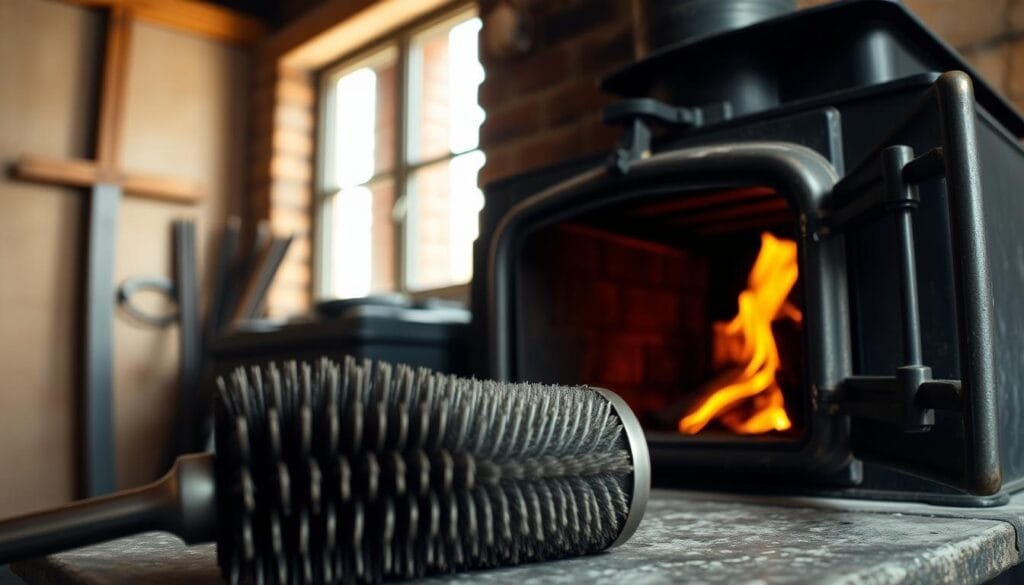
Professional cleaning costs $150 to $300 per visit. Some clean their own chimneys. This requires climbing the roof and using special brushes.
Annual inspections check for damage, blockages, and draft. Certified sweeps can spot problems before they’re a danger.
Wood stoves also need gasket replacement every few years. Catalytic models need catalyst replacement every 5 to 10 years. These cost $200 to $400. They keep the stove efficient and safe.
| Maintenance Task | Propane System | Wood Stove | Typical Cost |
|---|---|---|---|
| Daily attention | None required | Ash removal, fire tending | Time investment |
| Weekly tasks | Check tank gauge | Glass cleaning, wood stocking | Time investment |
| Annual professional service | System inspection | Chimney sweeping (1-2x) | $100-$200 vs $150-$300 per cleaning |
| Component replacement | Every 3-5 years | Gaskets, catalysts (5-10 years) | $100-$200 vs $200-$400 |
The maintenance needs show why they matter in choosing a heating system. Propane is easy, wood stoves require more effort. Your lifestyle and time should guide your choice.
Both systems can heat well if maintained. But the upkeep time is very different.
Environmental Impact and Sustainability
Your home’s heating choice affects the planet more than ever. As climate worries grow, many want to know how their heating choices impact the environment. Both propane and wood stoves have unique environmental profiles.
Let’s look at each heating method’s carbon footprint and environmental impact. The answer isn’t always simple. But understanding these factors helps you make an informed choice that matches your environmental values.
Carbon Footprint of Propane Heating
Propane is a fossil fuel that releases carbon dioxide when burned. It’s one of the cleanest-burning fossil fuels available. Burning one gallon of propane produces about 12.7 pounds of CO2.
This is less than heating oil but slightly more than natural gas. The good news? Propane doesn’t produce sulfur dioxide, particulates, or pollutants that harm smog and acid rain.
Propane also releases about 1.6 pounds of water vapor for every pound burned. This makes it relatively clean energy compared to coal or oil heating systems. The combustion is efficient and complete when systems are properly maintained.
The truth is, propane is not renewable. It comes from petroleum processing and natural gas extraction. If you’re looking for a truly “green” heating option, propane isn’t it, though it’s greener than many alternatives.
Environmental Considerations for Wood Burning
Wood burning presents a complex environmental picture. The sustainability of wood heating depends on fuel sourcing and stove type. Modern technology has significantly changed the game.
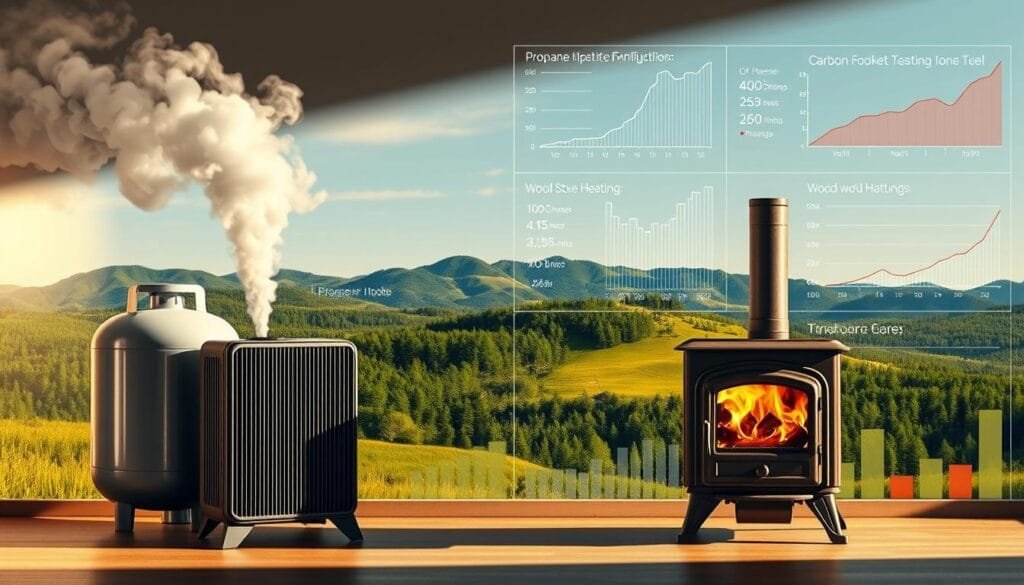
Old-style wood burning can be very polluting. These older systems release harmful pollutants into the air. That’s why some cities have burn bans or restrictions on wood burning during certain weather conditions.
Modern EPA-certified wood stoves tell a different story. These units, mandatory for new stoves sold after 2020, produce 70-90% fewer emissions than old stoves. High-efficiency models burn very cleanly when operated properly with dry, seasoned wood.
Here’s a helpful tip: visible smoke from your chimney usually indicates poor combustion. This happens with wet wood, fires starved of air, or smoldering fires. A properly burning modern wood stove should produce minimal visible smoke once it reaches operating temperature.
For a deeper comparison of wood burning stoves versus other heating, you can explore how emissions stack up across different systems and what factors influence air quality most.
Sustainable Wood Sourcing
Wood can be a carbon-neutral or even carbon-negative fuel when sourced responsibly. Trees absorb CO2 as they grow through photosynthesis. When burned, they release roughly the same amount they absorbed, completing a natural cycle.
The key phrase here is “when sourced responsibly.” This means choosing the right wood sources:
- Dead or downed trees from your property
- Forest thinning waste and brush clearing
- Lumber scraps and woodworking waste
- Sustainably managed woodlots with replanting programs
Cutting live, mature trees solely for firewood undermines the environmental benefits. Responsible sourcing makes all the difference in whether wood qualifies as sustainable heating.
Renewable Energy Aspects
When comparing renewable heating fuel options, wood holds a clear advantage. Wood is technically renewable because trees regrow within human timescales. A well-managed forest can provide firewood indefinitely without depletion.
Propane, on the other hand, is not renewable. Fossil fuels take millions of years to form. Once extracted and burned, they’re gone. This fundamental difference matters to environmentally-conscious homeowners thinking long-term.
That said, “renewable” doesn’t automatically mean “better for the environment.” The complete picture includes emissions, air quality impacts, and how each fuel is harvested or extracted. For example, renewable heating fuel like wood does produce emissions during combustion.
The carbon footprint comparison gets interesting here. Propane’s emissions go straight into the atmosphere as new carbon. Wood’s carbon was recently captured from the atmosphere, making it part of the active carbon cycle.
For environmentally-conscious homeowners, sustainably-sourced wood heating has appeal. But you must weigh this against air quality impacts, which can affect community health. Local regulations often reflect these concerns.
The “greener” choice ultimately depends on your priorities. Do you value renewable resources above all? Then wood wins. Concerned mainly about air quality and convenience? Propane might be your answer. Both heating methods have environmental tradeoffs worth considering carefully.
Safety Considerations for Both Heating Methods
Keeping your family safe is more important than saving money on heating. Both propane and wood stoves can be safe if installed and maintained right. But, each has its own safety rules you need to know.
Heating safety isn’t hard once you know what to watch for. Today’s heating systems have safety features that older ones didn’t. But, as a homeowner, you must follow guidelines, schedule maintenance, and watch out for dangers.
Propane Safety Measures
Propane is safe for heating homes, but you must treat it with care. It’s a flammable gas stored under pressure. Most propane problems come from neglect, bad installation, or ignoring warning signs, not system failures.
Modern propane safety tech includes automatic shut-off valves. If your pilot light goes out or the flame goes off, these valves stop gas flow. This stops gas buildup that could be dangerous.
Propane smells like rotten eggs or sulfur because of a special smell added for leak detection. If you smell this, leave right away. Don’t use any electrical switches or open flames. Call your propane supplier or emergency services from outside your home.
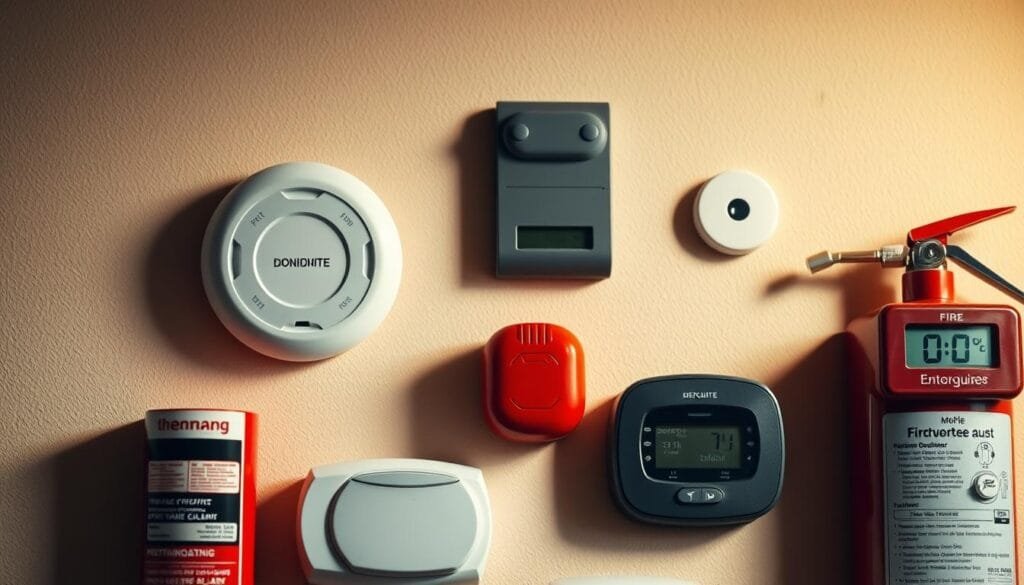
Having a carbon monoxide detector is a must with any fuel-burning heater. CO is a silent, odorless gas from incomplete burning. You can’t smell it, and it’s deadly.
Put carbon monoxide detectors on every floor, near where people sleep. Test them monthly and change batteries twice a year. Most detectors need to be replaced every 5-7 years, so check the maker’s advice.
Properly working propane systems make little CO, but detectors are a safety net. They warn you of problems before they’re dangerous, giving you time to fix the issue.
Proper Ventilation Requirements
Direct vent propane systems are safest because they’re sealed. They pull air from outside for burning fuel and send exhaust gases outside. Your indoor air stays clean, and there’s no oxygen loss.
If you’re thinking about ventless or unvented propane heaters, know the rules. These need good room ventilation—usually by opening a window. Never use ventless heaters while sleeping, and make sure your space meets the maker’s size needs.
More propane safety tips include:
- Get professional checks every year for leaks, worn parts, and right working
- Never use outdoor propane gear (grills, portable heaters) inside
- Know where your propane shut-off valve is and how to use it in emergencies
- Think about getting propane leak detectors (separate from CO detectors) for extra safety
- Keep propane tanks in well-ventilated spots, away from things that can start fires
Wood Stove Safety Requirements
Wood stoves have their own safety challenges, like fire risk and bad installation. The numbers are scary—chimney and structure fires from wood stoves cause a lot of damage every year. But, following the rules makes wood stove safety doable.
The key to safe wood stove use is treating fire with respect. Unlike propane systems with automatic controls, wood stoves need your constant attention and proper use every time you light a fire.
Fire Prevention Guidelines
Good fire prevention starts with what you burn. Only use dry, seasoned wood with moisture under 20%. Wet or green wood makes too much creosote—a flammable tar that builds up in your chimney. Creosote buildup is the main cause of chimney fires.
Never burn trash, cardboard, treated lumber, or painted wood in your stove. These release toxic chemicals and make dangerous deposits in your chimney. They also break most warranties and go against local laws in many places.
Keep fires hot and active, not smoldering. Complete burning makes less smoke and creosote while getting more heat from your fuel. If your chimney makes thick, dark smoke, your fire isn’t burning right.
Key fire prevention steps include:
- Throw away ashes in a metal container with a tight lid, kept outside on a non-flammable surface
- Keep ashes outside for at least 7 days before throwing them away (hidden embers can stay)
- Have a 3-foot safety zone around your stove—keep furniture, curtains, and flammable things outside this area
- Put smoke detectors on every floor and near bedrooms, testing them every month
- Have an ABC-rated fire extinguisher nearby and know how to use it
- Get professional chimney checks and cleanings at least once a year
- Make and practice a family fire escape plan
Clearance and Installation Standards
Safe heating installation for wood stoves means following strict clearance rules. These rules are because wood stoves give off a lot of heat that can start fires nearby, even without touching.
Clearance rules need 36 inches between your stove and anything that can burn. You can get closer with heat shields on walls (usually 12-18 inches), but shields must meet certain standards with air gaps.
Floor safety is also key. Use a non-flammable hearth pad that goes at least 18 inches beyond the stove door (to catch rolling embers) and 8 inches on other sides. Your hearth must handle the weight and thermal protection needs—check your stove’s specs.
Chimney installation needs a pro unless you’re very experienced. Requirements include:
- Chimney must be at least 3 feet above roof penetration and 2 feet higher than anything within 10 feet
- Use listed, tested chimney systems for solid fuel burning
- Proper support, bracing, and flashing to stop leaks and keep stable
- Correct connector pipe installation with good draft and minimal horizontal runs
- Keep clearances throughout the whole chimney system
Heating installation safety is not something to cut corners on. Bad installation is the main cause of wood stove fires. Unless you know a lot about building codes and wood stove installation, hire a certified pro. The cost of proper installation is worth it for peace of mind and to meet insurance rules.
Many insurance companies want proof of proper installation and regular upkeep. Some might raise your premiums or deny coverage if your wood stoves aren’t installed right. Check with your insurer before you install.
| Safety Aspect | Propane Systems | Wood Stoves |
|---|---|---|
| Primary Hazard | Gas leaks, carbon monoxide exposure | Fire risk, creosote buildup |
| Required Detectors | CO detectors on every level, optional propane detectors | CO detectors and smoke detectors on every level |
| Maintenance Frequency | Annual professional inspection | Annual chimney inspection, frequent cleaning during heating season |
| Installation Complexity | Must be professionally installed, sealed combustion systems preferred | Requires professional installation with strict clearance standards |
Both heating methods need your focus on safety, but they have different rules. Propane safety is about preventing leaks, proper ventilation, and CO detection. Wood stove safety is about preventing fires, following clearance rules, and keeping your chimney clean. Knowing these rules helps you make a smart choice and use your system safely for years.
Convenience and Ease of Use
Heating systems differ in how easy they are to use. This affects how happy you’ll be with your choice. Some systems need more work than others.
Choosing a heating system is about more than just cost. It’s about how it fits into your daily life. Some people like to control their heating, while others prefer it to be automatic.
Daily Operation of Propane Systems
Propane systems are easy to use. You just set the temperature and forget about it. Modern propane systems have programmable thermostats for extra convenience.
Propane heats up fast. You won’t have to wait long for warmth. It’s quick and efficient.
Some propane systems can be controlled from your phone. This means you can change the temperature from anywhere. They even learn your habits to save energy.
Propane systems are quiet. You might hear a slight sound when they start, but that’s it. They work without making a lot of noise.
With propane, you just need to check the tank now and then. Suppliers can even refill it for you. You don’t have to load fuel or clean the system every day.
Daily Operation of Wood Stoves
Wood stoves need more work. You have to tend to the fire all day. It’s a big commitment.
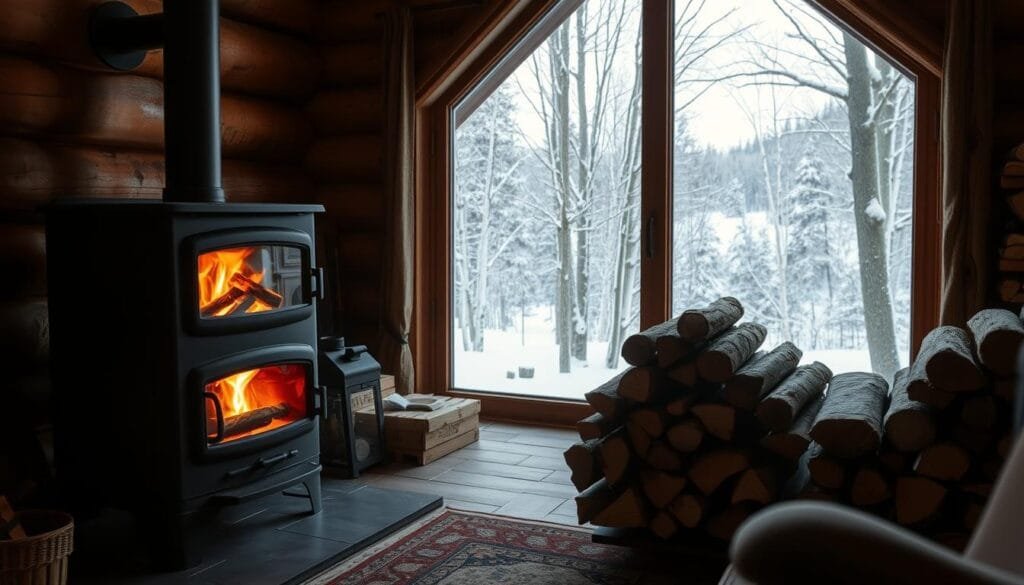
Starting a fire in a wood stove is a big job. You have to prepare everything and wait for it to get hot. It takes time.
Getting good at starting fires takes practice. Sometimes, it’s hard to get the fire going. Weather and wood moisture can make it tough.
Wood stoves need wood added often. You have to be home to do this. Adjusting the air controls at night is also important.
Ash Removal and Cleanup
Wood stoves make ash fast. You have to clean it out often. This keeps the stove working well.
Removing ash is messy. You have to handle it carefully. It’s hard to keep it from getting everywhere.
Wood stoves also need regular sweeping. Debris from the wood gets everywhere. You’ll need special cleaning tools for this.
Fuel Storage Requirements
Propane tanks are outside. They need no daily care. They take up space, but you don’t have to think about them.
Wood needs a lot of space. You need a place to store it that’s dry. It’s important to keep it accessible in winter.
You also need a place for wood inside. This means trips to get more wood. It’s a big job during the heating season.
The table below compares daily tasks and time investment for each system:
| Task Category | Propane System | Wood Stove |
|---|---|---|
| Morning routine | No action needed – adjust thermostat if desired | Remove ash, start new fire, wait 15-30 minutes for heat |
| Daytime maintenance | None – system operates automatically | Add wood every 4-8 hours, adjust air controls as needed |
| Evening tasks | No action needed unless changing temperature setting | Load stove for overnight burn, adjust dampers, possible night refueling |
| Weekly time investment | 5 minutes (checking tank gauge) | 7-14 hours (fire tending, ash removal, bringing in wood, cleanup) |
Choosing between wood and propane depends on what you want. Wood stoves offer a hands-on experience. Propane systems are more convenient.
If you like to travel or work a lot, propane might be better. It’s easy to use and doesn’t need much attention. Think about what you prefer for your home.
Climate and Regional Considerations
Where you live greatly affects your heating system choice. Your local climate, fuel availability, and regional regulations play big roles. Knowing these helps avoid a heating system mismatch.
Temperature extremes, seasonal patterns, and location impact heating method performance. What works in rural Montana might not in suburban California. Let’s look at how climate and location affect your heating choice.
Propane Performance in Different Climates
Propane heating works well in all climate zones in the U.S. It stays stable in hot and cold temperatures. This makes propane a reliable heating option.
Extremely cold temperatures below -20°F can slow propane vaporization. In such cold, your tank might struggle to convert liquid propane into gas. Homeowners in very cold areas might need larger tanks or underground installation.
Propane is great in several situations:
- Rural areas without natural gas service where propane delivery is established
- Moderate climates needing reliable but not constant heating
- Regions with dependable delivery services for automatic refills and good prices
- Areas with temperature fluctuations where on-demand heating is better
Propane prices vary across the country. It’s often cheaper in the South and Midwest. Northeast and Western states have higher prices due to transportation costs.
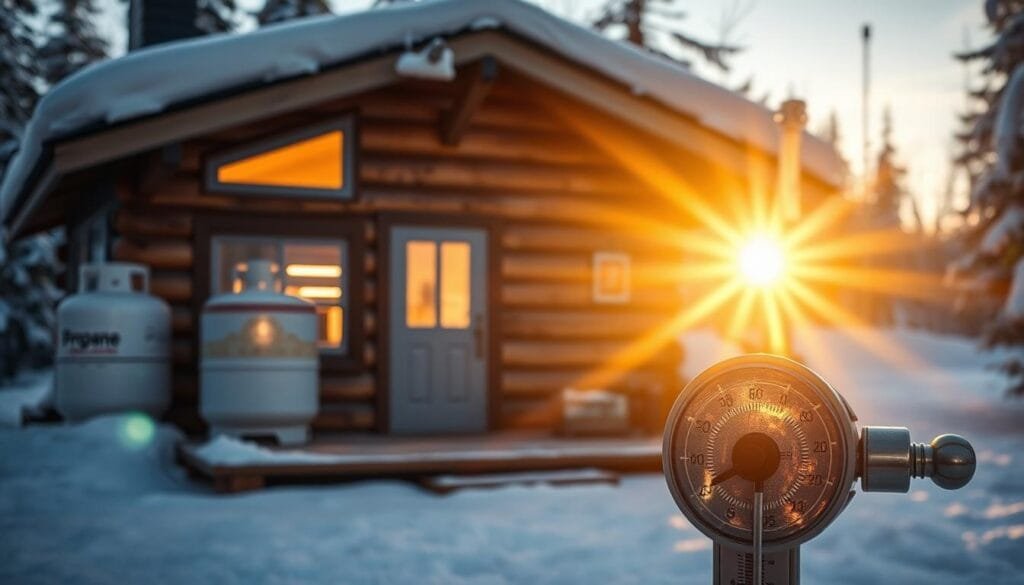
Where Wood Stoves Excel
Wood stoves are best in cold climates with long winters. Northern New England, the upper Midwest, mountain regions, and Alaska are ideal. These areas need consistent heating for months, making wood stoves worth it.
Wood heat is less practical in mild climates where heating needs are minimal. In warmer areas, maintaining a wood fire feels unnecessary. The effort doesn’t match the heating needs.
Wood stoves are great in specific environments:
- Rural or forested areas where firewood is easy to find and cheap
- Regions with lower humidity where wood burning feels comfortable
- Properties with woodland acreage for sustainable firewood
- Communities with wood-heating traditions for support and knowledge
Knowing your heating climate needs helps choose between wood and propane. If you live where it’s very cold for months, wood heat can save money and provide warmth.
Local Regulations and Restrictions
Local heating rules can decide your choice. Many places have rules against wood burning, mainly on bad air days. These rules help keep the air clean and protect health.
Some places only allow EPA-certified stoves. Others ban wood heat as a main source. Always check local rules before choosing a heating system.
Environmental concerns have led to stricter wood burning rules. Questions about whether wood stoves are green have prompted many to rethink older heating methods. Air quality districts often update policies based on pollution and health studies.
Important regulatory considerations include:
- Air quality district restrictions that may ban wood burning on high-pollution days
- Homeowners insurance requirements with higher rates for wood stove installations
- Building permits and inspections required for both propane and wood stove systems
- HOA restrictions in planned communities that may limit heating equipment choices
- Setback requirements for propane tank placement from property lines and structures
Regional heating options vary based on local rules. Always check with your building department, air quality management district, and homeowners association before deciding. What’s allowed in one county might be banned just miles away.
Propane installations need permits and professional inspections for safety. Tank placement must follow specific rules to protect you and your neighbors.
Understanding local regulations prevents surprises after investing in equipment. Even if you prefer one heating method, local rules might dictate your choice.
Making the Right Choice for Your Home
Choosing between propane and wood stoves depends on your lifestyle. Both are good, but the best choice is based on what you value most.
Propane is great for those who want ease. Just set your thermostat and forget about it. It’s perfect for busy people or those who need to heat the whole house easily. Plus, it’s good for places with strict air quality rules.
Wood stoves are best if you’re home a lot and have cheap firewood. They save money and offer a cozy feel. You’ll need space for wood and the right setup, but many like the freedom from fossil fuels.
Some families choose both systems. A propane furnace heats the house, while a wood stove warms the living areas. This mix gives you ease, savings, and a cozy feel.
Think carefully about your daily life, budget, and space when deciding. Consider how much you want to do yourself. Both systems can keep your home warm for years if installed and cared for right.
FAQ
Which heating method is actually cheaper to operate—propane or wood?
FAQ
Which heating method is actually cheaper to operate—propane or wood?
It depends on your wood situation. Seasoned firewood costs 0-0 a year for a 1,500 square foot home. Propane costs 0-
FAQ
Which heating method is actually cheaper to operate—propane or wood?
It depends on your wood situation. Seasoned firewood costs $400-$800 a year for a 1,500 square foot home. Propane costs $800-$1,500 a year. But, free or cheap wood makes wood heating cheaper.
Propane costs are more predictable but higher. It ranges from $2.00-$3.75 per gallon. Wood heating requires a lot of time and effort.
Can I heat my entire home with either a propane heater or wood stove?
A propane furnace can heat your whole home evenly. But, standalone propane heaters and wood stoves are zone heaters. They warm the area around them but not distant rooms.
If you want to heat your whole home, a propane furnace is best. Wood stoves are great for main areas but leave bedrooms cooler.
How often do I need to refill a propane tank versus restocking firewood?
Propane tank refill frequency depends on tank size and use. A 500-gallon tank lasts 2-6 months. You call your supplier when the gauge drops.
Wood restocking is more frequent. You need to bring in wood every few days. Keep at least a cord or two outside for the season.
Will a wood stove or propane heater work during a power outage?
Most propane systems work without electricity. They have thermocouples or thermopiles for gas flow. But, propane furnaces with electric blowers need power.
Wood stoves work well during outages. They’re chosen for energy independence. Pellet stoves need electricity for their systems.
Which system requires less maintenance—propane or wood stove?
Propane systems need less maintenance. You just need an annual check and occasional thermocouple replacement. Wood stoves require daily ash removal and weekly glass cleaning.
Wood stoves also need chimney sweeping and gasket replacement. They require constant fire tending. Propane is much easier to maintain.
Are modern wood stoves really more efficient than older models?
Yes, modern wood stoves are much more efficient. Old stoves only achieve 10-30% efficiency. Modern stoves have 60-80% efficiency and lower emissions.
They use advanced combustion technology. Make sure to compare modern, EPA-certified stoves to older models.
Can I install a propane heater or wood stove myself, or do I need a professional?
You can DIY if you’re skilled and follow codes. But, professional installation is recommended for safety and code compliance. Propane systems involve flammable gas and proper venting.
Wood stoves need precise clearances and chimney installation. Professional installation is worth the $1,000-$2,500 for safety and peace of mind.
What’s the lifespan of propane heating equipment versus wood stoves?
Both systems can last a long time with care. Propane systems last 15-25 years. Wood stoves can last 20-40 years or more.
Propane tanks last 30-40 years but need recertification. Both are long-term investments for decades of use.
Which heating method provides better temperature control?
Propane systems offer better temperature control. You can set your thermostat and the system maintains it. Modern thermostats are programmable or smartphone-controlled.
Wood stoves give rough control. You can adjust air intake but can’t dial in a specific temperature. Pellet stoves offer better control than traditional wood stoves.
Are there tax credits or rebates available for either system?
Tax incentives change, so check current IRS guidelines and local utility programs. High-efficiency propane furnaces may qualify for federal tax credits. Some states offer rebates for upgrading to high-efficiency equipment.
Wood stoves with 75% or higher efficiency may qualify for federal tax credits. Some air quality districts offer incentives for replacing old stoves with EPA-certified models. Availability and amounts vary by location and year.
Can I burn any type of wood in a wood stove?
No, burning the right wood is important for efficiency and safety. Burn dry, seasoned hardwood like oak, maple, ash, and birch. Never burn wet or green wood.
Never burn treated lumber, painted wood, plywood, particleboard, or trash. These release toxic chemicals. Softwoods like pine burn faster but are not ideal for sustained heating. Use a moisture meter to test your wood before burning.
How do propane prices fluctuate throughout the year?
Propane prices follow seasonal patterns. Prices are lowest in late spring and summer. They climb in fall and peak in winter.
Prices also spike during extreme cold snaps. Filling a large tank in summer can save money. Geographic factors also affect prices.
What are the signs that my wood stove or propane heater isn’t operating efficiently?
Warning signs for propane systems include yellow or orange flames, sooting, and a rotten-egg smell. Uneven heating and frequent cycling on and off are also signs. Your carbon monoxide detector alarming is an emergency.
For wood stoves, signs include excessive smoke, difficulty starting fires, and blackened glass. Smoke entering your home and burning through wood faster than expected are also signs. Both systems benefit from annual professional inspections.
Is it safe to leave a wood stove burning overnight or when I’m away?
Leaving a wood stove burning overnight is generally safe if your stove is properly installed and maintained. Load the firebox well and close down the air intake. Make sure you have working smoke and carbon monoxide detectors.
But, leaving a wood stove burning when you’re away is not recommended. Fires should be actively monitored. If you’ll be gone for extended periods, let the fire burn out completely. Propane systems are safer to leave running unattended.
Which system adds more value to a home when it’s time to sell?
The impact on home value depends on the market and buyer preferences. In rural areas, a quality wood stove can be a selling point. But, in suburban or urban markets, propane heating is more familiar and convenient.
Some buyers seek homes with wood stoves, while others see them as a negative. Propane heating is generally neutral. Proper installation and maintenance documentation are key for either system.
Can I convert from one system to the other later if I change my mind?
Yes, but it’s expensive. Converting from wood to propane or vice versa requires installing new infrastructure. It’s not cost-effective compared to choosing the right system initially.
If unsure, start with propane and add a wood stove later for zone heating if desired.
Do wood stoves or propane heaters provide better heat quality or comfort?
Wood stove heat is radiant, warming objects and people directly. It creates a cozy feeling. But, wood heat can have hot spots and fluctuate as the fire burns down.
Propane heating provides even, consistent warmth. Propane furnaces use forced air, which can feel drier. Propane fireplaces and direct vent heaters offer radiant heat like wood. Neither system dries the air more than the other.
,500 a year. But, free or cheap wood makes wood heating cheaper.
Propane costs are more predictable but higher. It ranges from .00-.75 per gallon. Wood heating requires a lot of time and effort.
Can I heat my entire home with either a propane heater or wood stove?
A propane furnace can heat your whole home evenly. But, standalone propane heaters and wood stoves are zone heaters. They warm the area around them but not distant rooms.
If you want to heat your whole home, a propane furnace is best. Wood stoves are great for main areas but leave bedrooms cooler.
How often do I need to refill a propane tank versus restocking firewood?
Propane tank refill frequency depends on tank size and use. A 500-gallon tank lasts 2-6 months. You call your supplier when the gauge drops.
Wood restocking is more frequent. You need to bring in wood every few days. Keep at least a cord or two outside for the season.
Will a wood stove or propane heater work during a power outage?
Most propane systems work without electricity. They have thermocouples or thermopiles for gas flow. But, propane furnaces with electric blowers need power.
Wood stoves work well during outages. They’re chosen for energy independence. Pellet stoves need electricity for their systems.
Which system requires less maintenance—propane or wood stove?
Propane systems need less maintenance. You just need an annual check and occasional thermocouple replacement. Wood stoves require daily ash removal and weekly glass cleaning.
Wood stoves also need chimney sweeping and gasket replacement. They require constant fire tending. Propane is much easier to maintain.
Are modern wood stoves really more efficient than older models?
Yes, modern wood stoves are much more efficient. Old stoves only achieve 10-30% efficiency. Modern stoves have 60-80% efficiency and lower emissions.
They use advanced combustion technology. Make sure to compare modern, EPA-certified stoves to older models.
Can I install a propane heater or wood stove myself, or do I need a professional?
You can DIY if you’re skilled and follow codes. But, professional installation is recommended for safety and code compliance. Propane systems involve flammable gas and proper venting.
Wood stoves need precise clearances and chimney installation. Professional installation is worth the
FAQ
Which heating method is actually cheaper to operate—propane or wood?
It depends on your wood situation. Seasoned firewood costs $400-$800 a year for a 1,500 square foot home. Propane costs $800-$1,500 a year. But, free or cheap wood makes wood heating cheaper.
Propane costs are more predictable but higher. It ranges from $2.00-$3.75 per gallon. Wood heating requires a lot of time and effort.
Can I heat my entire home with either a propane heater or wood stove?
A propane furnace can heat your whole home evenly. But, standalone propane heaters and wood stoves are zone heaters. They warm the area around them but not distant rooms.
If you want to heat your whole home, a propane furnace is best. Wood stoves are great for main areas but leave bedrooms cooler.
How often do I need to refill a propane tank versus restocking firewood?
Propane tank refill frequency depends on tank size and use. A 500-gallon tank lasts 2-6 months. You call your supplier when the gauge drops.
Wood restocking is more frequent. You need to bring in wood every few days. Keep at least a cord or two outside for the season.
Will a wood stove or propane heater work during a power outage?
Most propane systems work without electricity. They have thermocouples or thermopiles for gas flow. But, propane furnaces with electric blowers need power.
Wood stoves work well during outages. They’re chosen for energy independence. Pellet stoves need electricity for their systems.
Which system requires less maintenance—propane or wood stove?
Propane systems need less maintenance. You just need an annual check and occasional thermocouple replacement. Wood stoves require daily ash removal and weekly glass cleaning.
Wood stoves also need chimney sweeping and gasket replacement. They require constant fire tending. Propane is much easier to maintain.
Are modern wood stoves really more efficient than older models?
Yes, modern wood stoves are much more efficient. Old stoves only achieve 10-30% efficiency. Modern stoves have 60-80% efficiency and lower emissions.
They use advanced combustion technology. Make sure to compare modern, EPA-certified stoves to older models.
Can I install a propane heater or wood stove myself, or do I need a professional?
You can DIY if you’re skilled and follow codes. But, professional installation is recommended for safety and code compliance. Propane systems involve flammable gas and proper venting.
Wood stoves need precise clearances and chimney installation. Professional installation is worth the $1,000-$2,500 for safety and peace of mind.
What’s the lifespan of propane heating equipment versus wood stoves?
Both systems can last a long time with care. Propane systems last 15-25 years. Wood stoves can last 20-40 years or more.
Propane tanks last 30-40 years but need recertification. Both are long-term investments for decades of use.
Which heating method provides better temperature control?
Propane systems offer better temperature control. You can set your thermostat and the system maintains it. Modern thermostats are programmable or smartphone-controlled.
Wood stoves give rough control. You can adjust air intake but can’t dial in a specific temperature. Pellet stoves offer better control than traditional wood stoves.
Are there tax credits or rebates available for either system?
Tax incentives change, so check current IRS guidelines and local utility programs. High-efficiency propane furnaces may qualify for federal tax credits. Some states offer rebates for upgrading to high-efficiency equipment.
Wood stoves with 75% or higher efficiency may qualify for federal tax credits. Some air quality districts offer incentives for replacing old stoves with EPA-certified models. Availability and amounts vary by location and year.
Can I burn any type of wood in a wood stove?
No, burning the right wood is important for efficiency and safety. Burn dry, seasoned hardwood like oak, maple, ash, and birch. Never burn wet or green wood.
Never burn treated lumber, painted wood, plywood, particleboard, or trash. These release toxic chemicals. Softwoods like pine burn faster but are not ideal for sustained heating. Use a moisture meter to test your wood before burning.
How do propane prices fluctuate throughout the year?
Propane prices follow seasonal patterns. Prices are lowest in late spring and summer. They climb in fall and peak in winter.
Prices also spike during extreme cold snaps. Filling a large tank in summer can save money. Geographic factors also affect prices.
What are the signs that my wood stove or propane heater isn’t operating efficiently?
Warning signs for propane systems include yellow or orange flames, sooting, and a rotten-egg smell. Uneven heating and frequent cycling on and off are also signs. Your carbon monoxide detector alarming is an emergency.
For wood stoves, signs include excessive smoke, difficulty starting fires, and blackened glass. Smoke entering your home and burning through wood faster than expected are also signs. Both systems benefit from annual professional inspections.
Is it safe to leave a wood stove burning overnight or when I’m away?
Leaving a wood stove burning overnight is generally safe if your stove is properly installed and maintained. Load the firebox well and close down the air intake. Make sure you have working smoke and carbon monoxide detectors.
But, leaving a wood stove burning when you’re away is not recommended. Fires should be actively monitored. If you’ll be gone for extended periods, let the fire burn out completely. Propane systems are safer to leave running unattended.
Which system adds more value to a home when it’s time to sell?
The impact on home value depends on the market and buyer preferences. In rural areas, a quality wood stove can be a selling point. But, in suburban or urban markets, propane heating is more familiar and convenient.
Some buyers seek homes with wood stoves, while others see them as a negative. Propane heating is generally neutral. Proper installation and maintenance documentation are key for either system.
Can I convert from one system to the other later if I change my mind?
Yes, but it’s expensive. Converting from wood to propane or vice versa requires installing new infrastructure. It’s not cost-effective compared to choosing the right system initially.
If unsure, start with propane and add a wood stove later for zone heating if desired.
Do wood stoves or propane heaters provide better heat quality or comfort?
Wood stove heat is radiant, warming objects and people directly. It creates a cozy feeling. But, wood heat can have hot spots and fluctuate as the fire burns down.
Propane heating provides even, consistent warmth. Propane furnaces use forced air, which can feel drier. Propane fireplaces and direct vent heaters offer radiant heat like wood. Neither system dries the air more than the other.
,000-,500 for safety and peace of mind.
What’s the lifespan of propane heating equipment versus wood stoves?
Both systems can last a long time with care. Propane systems last 15-25 years. Wood stoves can last 20-40 years or more.
Propane tanks last 30-40 years but need recertification. Both are long-term investments for decades of use.
Which heating method provides better temperature control?
Propane systems offer better temperature control. You can set your thermostat and the system maintains it. Modern thermostats are programmable or smartphone-controlled.
Wood stoves give rough control. You can adjust air intake but can’t dial in a specific temperature. Pellet stoves offer better control than traditional wood stoves.
Are there tax credits or rebates available for either system?
Tax incentives change, so check current IRS guidelines and local utility programs. High-efficiency propane furnaces may qualify for federal tax credits. Some states offer rebates for upgrading to high-efficiency equipment.
Wood stoves with 75% or higher efficiency may qualify for federal tax credits. Some air quality districts offer incentives for replacing old stoves with EPA-certified models. Availability and amounts vary by location and year.
Can I burn any type of wood in a wood stove?
No, burning the right wood is important for efficiency and safety. Burn dry, seasoned hardwood like oak, maple, ash, and birch. Never burn wet or green wood.
Never burn treated lumber, painted wood, plywood, particleboard, or trash. These release toxic chemicals. Softwoods like pine burn faster but are not ideal for sustained heating. Use a moisture meter to test your wood before burning.
How do propane prices fluctuate throughout the year?
Propane prices follow seasonal patterns. Prices are lowest in late spring and summer. They climb in fall and peak in winter.
Prices also spike during extreme cold snaps. Filling a large tank in summer can save money. Geographic factors also affect prices.
What are the signs that my wood stove or propane heater isn’t operating efficiently?
Warning signs for propane systems include yellow or orange flames, sooting, and a rotten-egg smell. Uneven heating and frequent cycling on and off are also signs. Your carbon monoxide detector alarming is an emergency.
For wood stoves, signs include excessive smoke, difficulty starting fires, and blackened glass. Smoke entering your home and burning through wood faster than expected are also signs. Both systems benefit from annual professional inspections.
Is it safe to leave a wood stove burning overnight or when I’m away?
Leaving a wood stove burning overnight is generally safe if your stove is properly installed and maintained. Load the firebox well and close down the air intake. Make sure you have working smoke and carbon monoxide detectors.
But, leaving a wood stove burning when you’re away is not recommended. Fires should be actively monitored. If you’ll be gone for extended periods, let the fire burn out completely. Propane systems are safer to leave running unattended.
Which system adds more value to a home when it’s time to sell?
The impact on home value depends on the market and buyer preferences. In rural areas, a quality wood stove can be a selling point. But, in suburban or urban markets, propane heating is more familiar and convenient.
Some buyers seek homes with wood stoves, while others see them as a negative. Propane heating is generally neutral. Proper installation and maintenance documentation are key for either system.
Can I convert from one system to the other later if I change my mind?
Yes, but it’s expensive. Converting from wood to propane or vice versa requires installing new infrastructure. It’s not cost-effective compared to choosing the right system initially.
If unsure, start with propane and add a wood stove later for zone heating if desired.
Do wood stoves or propane heaters provide better heat quality or comfort?
Wood stove heat is radiant, warming objects and people directly. It creates a cozy feeling. But, wood heat can have hot spots and fluctuate as the fire burns down.
Propane heating provides even, consistent warmth. Propane furnaces use forced air, which can feel drier. Propane fireplaces and direct vent heaters offer radiant heat like wood. Neither system dries the air more than the other.
FAQ
Which heating method is actually cheaper to operate—propane or wood?
It depends on your wood situation. Seasoned firewood costs 0-0 a year for a 1,500 square foot home. Propane costs 0-
FAQ
Which heating method is actually cheaper to operate—propane or wood?
It depends on your wood situation. Seasoned firewood costs $400-$800 a year for a 1,500 square foot home. Propane costs $800-$1,500 a year. But, free or cheap wood makes wood heating cheaper.
Propane costs are more predictable but higher. It ranges from $2.00-$3.75 per gallon. Wood heating requires a lot of time and effort.
Can I heat my entire home with either a propane heater or wood stove?
A propane furnace can heat your whole home evenly. But, standalone propane heaters and wood stoves are zone heaters. They warm the area around them but not distant rooms.
If you want to heat your whole home, a propane furnace is best. Wood stoves are great for main areas but leave bedrooms cooler.
How often do I need to refill a propane tank versus restocking firewood?
Propane tank refill frequency depends on tank size and use. A 500-gallon tank lasts 2-6 months. You call your supplier when the gauge drops.
Wood restocking is more frequent. You need to bring in wood every few days. Keep at least a cord or two outside for the season.
Will a wood stove or propane heater work during a power outage?
Most propane systems work without electricity. They have thermocouples or thermopiles for gas flow. But, propane furnaces with electric blowers need power.
Wood stoves work well during outages. They’re chosen for energy independence. Pellet stoves need electricity for their systems.
Which system requires less maintenance—propane or wood stove?
Propane systems need less maintenance. You just need an annual check and occasional thermocouple replacement. Wood stoves require daily ash removal and weekly glass cleaning.
Wood stoves also need chimney sweeping and gasket replacement. They require constant fire tending. Propane is much easier to maintain.
Are modern wood stoves really more efficient than older models?
Yes, modern wood stoves are much more efficient. Old stoves only achieve 10-30% efficiency. Modern stoves have 60-80% efficiency and lower emissions.
They use advanced combustion technology. Make sure to compare modern, EPA-certified stoves to older models.
Can I install a propane heater or wood stove myself, or do I need a professional?
You can DIY if you’re skilled and follow codes. But, professional installation is recommended for safety and code compliance. Propane systems involve flammable gas and proper venting.
Wood stoves need precise clearances and chimney installation. Professional installation is worth the $1,000-$2,500 for safety and peace of mind.
What’s the lifespan of propane heating equipment versus wood stoves?
Both systems can last a long time with care. Propane systems last 15-25 years. Wood stoves can last 20-40 years or more.
Propane tanks last 30-40 years but need recertification. Both are long-term investments for decades of use.
Which heating method provides better temperature control?
Propane systems offer better temperature control. You can set your thermostat and the system maintains it. Modern thermostats are programmable or smartphone-controlled.
Wood stoves give rough control. You can adjust air intake but can’t dial in a specific temperature. Pellet stoves offer better control than traditional wood stoves.
Are there tax credits or rebates available for either system?
Tax incentives change, so check current IRS guidelines and local utility programs. High-efficiency propane furnaces may qualify for federal tax credits. Some states offer rebates for upgrading to high-efficiency equipment.
Wood stoves with 75% or higher efficiency may qualify for federal tax credits. Some air quality districts offer incentives for replacing old stoves with EPA-certified models. Availability and amounts vary by location and year.
Can I burn any type of wood in a wood stove?
No, burning the right wood is important for efficiency and safety. Burn dry, seasoned hardwood like oak, maple, ash, and birch. Never burn wet or green wood.
Never burn treated lumber, painted wood, plywood, particleboard, or trash. These release toxic chemicals. Softwoods like pine burn faster but are not ideal for sustained heating. Use a moisture meter to test your wood before burning.
How do propane prices fluctuate throughout the year?
Propane prices follow seasonal patterns. Prices are lowest in late spring and summer. They climb in fall and peak in winter.
Prices also spike during extreme cold snaps. Filling a large tank in summer can save money. Geographic factors also affect prices.
What are the signs that my wood stove or propane heater isn’t operating efficiently?
Warning signs for propane systems include yellow or orange flames, sooting, and a rotten-egg smell. Uneven heating and frequent cycling on and off are also signs. Your carbon monoxide detector alarming is an emergency.
For wood stoves, signs include excessive smoke, difficulty starting fires, and blackened glass. Smoke entering your home and burning through wood faster than expected are also signs. Both systems benefit from annual professional inspections.
Is it safe to leave a wood stove burning overnight or when I’m away?
Leaving a wood stove burning overnight is generally safe if your stove is properly installed and maintained. Load the firebox well and close down the air intake. Make sure you have working smoke and carbon monoxide detectors.
But, leaving a wood stove burning when you’re away is not recommended. Fires should be actively monitored. If you’ll be gone for extended periods, let the fire burn out completely. Propane systems are safer to leave running unattended.
Which system adds more value to a home when it’s time to sell?
The impact on home value depends on the market and buyer preferences. In rural areas, a quality wood stove can be a selling point. But, in suburban or urban markets, propane heating is more familiar and convenient.
Some buyers seek homes with wood stoves, while others see them as a negative. Propane heating is generally neutral. Proper installation and maintenance documentation are key for either system.
Can I convert from one system to the other later if I change my mind?
Yes, but it’s expensive. Converting from wood to propane or vice versa requires installing new infrastructure. It’s not cost-effective compared to choosing the right system initially.
If unsure, start with propane and add a wood stove later for zone heating if desired.
Do wood stoves or propane heaters provide better heat quality or comfort?
Wood stove heat is radiant, warming objects and people directly. It creates a cozy feeling. But, wood heat can have hot spots and fluctuate as the fire burns down.
Propane heating provides even, consistent warmth. Propane furnaces use forced air, which can feel drier. Propane fireplaces and direct vent heaters offer radiant heat like wood. Neither system dries the air more than the other.
,500 a year. But, free or cheap wood makes wood heating cheaper.
Propane costs are more predictable but higher. It ranges from .00-.75 per gallon. Wood heating requires a lot of time and effort.
Can I heat my entire home with either a propane heater or wood stove?
A propane furnace can heat your whole home evenly. But, standalone propane heaters and wood stoves are zone heaters. They warm the area around them but not distant rooms.
If you want to heat your whole home, a propane furnace is best. Wood stoves are great for main areas but leave bedrooms cooler.
How often do I need to refill a propane tank versus restocking firewood?
Propane tank refill frequency depends on tank size and use. A 500-gallon tank lasts 2-6 months. You call your supplier when the gauge drops.
Wood restocking is more frequent. You need to bring in wood every few days. Keep at least a cord or two outside for the season.
Will a wood stove or propane heater work during a power outage?
Most propane systems work without electricity. They have thermocouples or thermopiles for gas flow. But, propane furnaces with electric blowers need power.
Wood stoves work well during outages. They’re chosen for energy independence. Pellet stoves need electricity for their systems.
Which system requires less maintenance—propane or wood stove?
Propane systems need less maintenance. You just need an annual check and occasional thermocouple replacement. Wood stoves require daily ash removal and weekly glass cleaning.
Wood stoves also need chimney sweeping and gasket replacement. They require constant fire tending. Propane is much easier to maintain.
Are modern wood stoves really more efficient than older models?
Yes, modern wood stoves are much more efficient. Old stoves only achieve 10-30% efficiency. Modern stoves have 60-80% efficiency and lower emissions.
They use advanced combustion technology. Make sure to compare modern, EPA-certified stoves to older models.
Can I install a propane heater or wood stove myself, or do I need a professional?
You can DIY if you’re skilled and follow codes. But, professional installation is recommended for safety and code compliance. Propane systems involve flammable gas and proper venting.
Wood stoves need precise clearances and chimney installation. Professional installation is worth the
FAQ
Which heating method is actually cheaper to operate—propane or wood?
It depends on your wood situation. Seasoned firewood costs $400-$800 a year for a 1,500 square foot home. Propane costs $800-$1,500 a year. But, free or cheap wood makes wood heating cheaper.
Propane costs are more predictable but higher. It ranges from $2.00-$3.75 per gallon. Wood heating requires a lot of time and effort.
Can I heat my entire home with either a propane heater or wood stove?
A propane furnace can heat your whole home evenly. But, standalone propane heaters and wood stoves are zone heaters. They warm the area around them but not distant rooms.
If you want to heat your whole home, a propane furnace is best. Wood stoves are great for main areas but leave bedrooms cooler.
How often do I need to refill a propane tank versus restocking firewood?
Propane tank refill frequency depends on tank size and use. A 500-gallon tank lasts 2-6 months. You call your supplier when the gauge drops.
Wood restocking is more frequent. You need to bring in wood every few days. Keep at least a cord or two outside for the season.
Will a wood stove or propane heater work during a power outage?
Most propane systems work without electricity. They have thermocouples or thermopiles for gas flow. But, propane furnaces with electric blowers need power.
Wood stoves work well during outages. They’re chosen for energy independence. Pellet stoves need electricity for their systems.
Which system requires less maintenance—propane or wood stove?
Propane systems need less maintenance. You just need an annual check and occasional thermocouple replacement. Wood stoves require daily ash removal and weekly glass cleaning.
Wood stoves also need chimney sweeping and gasket replacement. They require constant fire tending. Propane is much easier to maintain.
Are modern wood stoves really more efficient than older models?
Yes, modern wood stoves are much more efficient. Old stoves only achieve 10-30% efficiency. Modern stoves have 60-80% efficiency and lower emissions.
They use advanced combustion technology. Make sure to compare modern, EPA-certified stoves to older models.
Can I install a propane heater or wood stove myself, or do I need a professional?
You can DIY if you’re skilled and follow codes. But, professional installation is recommended for safety and code compliance. Propane systems involve flammable gas and proper venting.
Wood stoves need precise clearances and chimney installation. Professional installation is worth the $1,000-$2,500 for safety and peace of mind.
What’s the lifespan of propane heating equipment versus wood stoves?
Both systems can last a long time with care. Propane systems last 15-25 years. Wood stoves can last 20-40 years or more.
Propane tanks last 30-40 years but need recertification. Both are long-term investments for decades of use.
Which heating method provides better temperature control?
Propane systems offer better temperature control. You can set your thermostat and the system maintains it. Modern thermostats are programmable or smartphone-controlled.
Wood stoves give rough control. You can adjust air intake but can’t dial in a specific temperature. Pellet stoves offer better control than traditional wood stoves.
Are there tax credits or rebates available for either system?
Tax incentives change, so check current IRS guidelines and local utility programs. High-efficiency propane furnaces may qualify for federal tax credits. Some states offer rebates for upgrading to high-efficiency equipment.
Wood stoves with 75% or higher efficiency may qualify for federal tax credits. Some air quality districts offer incentives for replacing old stoves with EPA-certified models. Availability and amounts vary by location and year.
Can I burn any type of wood in a wood stove?
No, burning the right wood is important for efficiency and safety. Burn dry, seasoned hardwood like oak, maple, ash, and birch. Never burn wet or green wood.
Never burn treated lumber, painted wood, plywood, particleboard, or trash. These release toxic chemicals. Softwoods like pine burn faster but are not ideal for sustained heating. Use a moisture meter to test your wood before burning.
How do propane prices fluctuate throughout the year?
Propane prices follow seasonal patterns. Prices are lowest in late spring and summer. They climb in fall and peak in winter.
Prices also spike during extreme cold snaps. Filling a large tank in summer can save money. Geographic factors also affect prices.
What are the signs that my wood stove or propane heater isn’t operating efficiently?
Warning signs for propane systems include yellow or orange flames, sooting, and a rotten-egg smell. Uneven heating and frequent cycling on and off are also signs. Your carbon monoxide detector alarming is an emergency.
For wood stoves, signs include excessive smoke, difficulty starting fires, and blackened glass. Smoke entering your home and burning through wood faster than expected are also signs. Both systems benefit from annual professional inspections.
Is it safe to leave a wood stove burning overnight or when I’m away?
Leaving a wood stove burning overnight is generally safe if your stove is properly installed and maintained. Load the firebox well and close down the air intake. Make sure you have working smoke and carbon monoxide detectors.
But, leaving a wood stove burning when you’re away is not recommended. Fires should be actively monitored. If you’ll be gone for extended periods, let the fire burn out completely. Propane systems are safer to leave running unattended.
Which system adds more value to a home when it’s time to sell?
The impact on home value depends on the market and buyer preferences. In rural areas, a quality wood stove can be a selling point. But, in suburban or urban markets, propane heating is more familiar and convenient.
Some buyers seek homes with wood stoves, while others see them as a negative. Propane heating is generally neutral. Proper installation and maintenance documentation are key for either system.
Can I convert from one system to the other later if I change my mind?
Yes, but it’s expensive. Converting from wood to propane or vice versa requires installing new infrastructure. It’s not cost-effective compared to choosing the right system initially.
If unsure, start with propane and add a wood stove later for zone heating if desired.
Do wood stoves or propane heaters provide better heat quality or comfort?
Wood stove heat is radiant, warming objects and people directly. It creates a cozy feeling. But, wood heat can have hot spots and fluctuate as the fire burns down.
Propane heating provides even, consistent warmth. Propane furnaces use forced air, which can feel drier. Propane fireplaces and direct vent heaters offer radiant heat like wood. Neither system dries the air more than the other.
,000-,500 for safety and peace of mind.
What’s the lifespan of propane heating equipment versus wood stoves?
Both systems can last a long time with care. Propane systems last 15-25 years. Wood stoves can last 20-40 years or more.
Propane tanks last 30-40 years but need recertification. Both are long-term investments for decades of use.
Which heating method provides better temperature control?
Propane systems offer better temperature control. You can set your thermostat and the system maintains it. Modern thermostats are programmable or smartphone-controlled.
Wood stoves give rough control. You can adjust air intake but can’t dial in a specific temperature. Pellet stoves offer better control than traditional wood stoves.
Are there tax credits or rebates available for either system?
Tax incentives change, so check current IRS guidelines and local utility programs. High-efficiency propane furnaces may qualify for federal tax credits. Some states offer rebates for upgrading to high-efficiency equipment.
Wood stoves with 75% or higher efficiency may qualify for federal tax credits. Some air quality districts offer incentives for replacing old stoves with EPA-certified models. Availability and amounts vary by location and year.
Can I burn any type of wood in a wood stove?
No, burning the right wood is important for efficiency and safety. Burn dry, seasoned hardwood like oak, maple, ash, and birch. Never burn wet or green wood.
Never burn treated lumber, painted wood, plywood, particleboard, or trash. These release toxic chemicals. Softwoods like pine burn faster but are not ideal for sustained heating. Use a moisture meter to test your wood before burning.
How do propane prices fluctuate throughout the year?
Propane prices follow seasonal patterns. Prices are lowest in late spring and summer. They climb in fall and peak in winter.
Prices also spike during extreme cold snaps. Filling a large tank in summer can save money. Geographic factors also affect prices.
What are the signs that my wood stove or propane heater isn’t operating efficiently?
Warning signs for propane systems include yellow or orange flames, sooting, and a rotten-egg smell. Uneven heating and frequent cycling on and off are also signs. Your carbon monoxide detector alarming is an emergency.
For wood stoves, signs include excessive smoke, difficulty starting fires, and blackened glass. Smoke entering your home and burning through wood faster than expected are also signs. Both systems benefit from annual professional inspections.
Is it safe to leave a wood stove burning overnight or when I’m away?
Leaving a wood stove burning overnight is generally safe if your stove is properly installed and maintained. Load the firebox well and close down the air intake. Make sure you have working smoke and carbon monoxide detectors.
But, leaving a wood stove burning when you’re away is not recommended. Fires should be actively monitored. If you’ll be gone for extended periods, let the fire burn out completely. Propane systems are safer to leave running unattended.
Which system adds more value to a home when it’s time to sell?
The impact on home value depends on the market and buyer preferences. In rural areas, a quality wood stove can be a selling point. But, in suburban or urban markets, propane heating is more familiar and convenient.
Some buyers seek homes with wood stoves, while others see them as a negative. Propane heating is generally neutral. Proper installation and maintenance documentation are key for either system.
Can I convert from one system to the other later if I change my mind?
Yes, but it’s expensive. Converting from wood to propane or vice versa requires installing new infrastructure. It’s not cost-effective compared to choosing the right system initially.
If unsure, start with propane and add a wood stove later for zone heating if desired.
Do wood stoves or propane heaters provide better heat quality or comfort?
Wood stove heat is radiant, warming objects and people directly. It creates a cozy feeling. But, wood heat can have hot spots and fluctuate as the fire burns down.
Propane heating provides even, consistent warmth. Propane furnaces use forced air, which can feel drier. Propane fireplaces and direct vent heaters offer radiant heat like wood. Neither system dries the air more than the other.
Can I heat my entire home with either a propane heater or wood stove?
How often do I need to refill a propane tank versus restocking firewood?
Will a wood stove or propane heater work during a power outage?
Which system requires less maintenance—propane or wood stove?
Are modern wood stoves really more efficient than older models?
Can I install a propane heater or wood stove myself, or do I need a professional?
FAQ
Which heating method is actually cheaper to operate—propane or wood?
It depends on your wood situation. Seasoned firewood costs 0-0 a year for a 1,500 square foot home. Propane costs 0-
FAQ
Which heating method is actually cheaper to operate—propane or wood?
It depends on your wood situation. Seasoned firewood costs $400-$800 a year for a 1,500 square foot home. Propane costs $800-$1,500 a year. But, free or cheap wood makes wood heating cheaper.
Propane costs are more predictable but higher. It ranges from $2.00-$3.75 per gallon. Wood heating requires a lot of time and effort.
Can I heat my entire home with either a propane heater or wood stove?
A propane furnace can heat your whole home evenly. But, standalone propane heaters and wood stoves are zone heaters. They warm the area around them but not distant rooms.
If you want to heat your whole home, a propane furnace is best. Wood stoves are great for main areas but leave bedrooms cooler.
How often do I need to refill a propane tank versus restocking firewood?
Propane tank refill frequency depends on tank size and use. A 500-gallon tank lasts 2-6 months. You call your supplier when the gauge drops.
Wood restocking is more frequent. You need to bring in wood every few days. Keep at least a cord or two outside for the season.
Will a wood stove or propane heater work during a power outage?
Most propane systems work without electricity. They have thermocouples or thermopiles for gas flow. But, propane furnaces with electric blowers need power.
Wood stoves work well during outages. They’re chosen for energy independence. Pellet stoves need electricity for their systems.
Which system requires less maintenance—propane or wood stove?
Propane systems need less maintenance. You just need an annual check and occasional thermocouple replacement. Wood stoves require daily ash removal and weekly glass cleaning.
Wood stoves also need chimney sweeping and gasket replacement. They require constant fire tending. Propane is much easier to maintain.
Are modern wood stoves really more efficient than older models?
Yes, modern wood stoves are much more efficient. Old stoves only achieve 10-30% efficiency. Modern stoves have 60-80% efficiency and lower emissions.
They use advanced combustion technology. Make sure to compare modern, EPA-certified stoves to older models.
Can I install a propane heater or wood stove myself, or do I need a professional?
You can DIY if you’re skilled and follow codes. But, professional installation is recommended for safety and code compliance. Propane systems involve flammable gas and proper venting.
Wood stoves need precise clearances and chimney installation. Professional installation is worth the $1,000-$2,500 for safety and peace of mind.
What’s the lifespan of propane heating equipment versus wood stoves?
Both systems can last a long time with care. Propane systems last 15-25 years. Wood stoves can last 20-40 years or more.
Propane tanks last 30-40 years but need recertification. Both are long-term investments for decades of use.
Which heating method provides better temperature control?
Propane systems offer better temperature control. You can set your thermostat and the system maintains it. Modern thermostats are programmable or smartphone-controlled.
Wood stoves give rough control. You can adjust air intake but can’t dial in a specific temperature. Pellet stoves offer better control than traditional wood stoves.
Are there tax credits or rebates available for either system?
Tax incentives change, so check current IRS guidelines and local utility programs. High-efficiency propane furnaces may qualify for federal tax credits. Some states offer rebates for upgrading to high-efficiency equipment.
Wood stoves with 75% or higher efficiency may qualify for federal tax credits. Some air quality districts offer incentives for replacing old stoves with EPA-certified models. Availability and amounts vary by location and year.
Can I burn any type of wood in a wood stove?
No, burning the right wood is important for efficiency and safety. Burn dry, seasoned hardwood like oak, maple, ash, and birch. Never burn wet or green wood.
Never burn treated lumber, painted wood, plywood, particleboard, or trash. These release toxic chemicals. Softwoods like pine burn faster but are not ideal for sustained heating. Use a moisture meter to test your wood before burning.
How do propane prices fluctuate throughout the year?
Propane prices follow seasonal patterns. Prices are lowest in late spring and summer. They climb in fall and peak in winter.
Prices also spike during extreme cold snaps. Filling a large tank in summer can save money. Geographic factors also affect prices.
What are the signs that my wood stove or propane heater isn’t operating efficiently?
Warning signs for propane systems include yellow or orange flames, sooting, and a rotten-egg smell. Uneven heating and frequent cycling on and off are also signs. Your carbon monoxide detector alarming is an emergency.
For wood stoves, signs include excessive smoke, difficulty starting fires, and blackened glass. Smoke entering your home and burning through wood faster than expected are also signs. Both systems benefit from annual professional inspections.
Is it safe to leave a wood stove burning overnight or when I’m away?
Leaving a wood stove burning overnight is generally safe if your stove is properly installed and maintained. Load the firebox well and close down the air intake. Make sure you have working smoke and carbon monoxide detectors.
But, leaving a wood stove burning when you’re away is not recommended. Fires should be actively monitored. If you’ll be gone for extended periods, let the fire burn out completely. Propane systems are safer to leave running unattended.
Which system adds more value to a home when it’s time to sell?
The impact on home value depends on the market and buyer preferences. In rural areas, a quality wood stove can be a selling point. But, in suburban or urban markets, propane heating is more familiar and convenient.
Some buyers seek homes with wood stoves, while others see them as a negative. Propane heating is generally neutral. Proper installation and maintenance documentation are key for either system.
Can I convert from one system to the other later if I change my mind?
Yes, but it’s expensive. Converting from wood to propane or vice versa requires installing new infrastructure. It’s not cost-effective compared to choosing the right system initially.
If unsure, start with propane and add a wood stove later for zone heating if desired.
Do wood stoves or propane heaters provide better heat quality or comfort?
Wood stove heat is radiant, warming objects and people directly. It creates a cozy feeling. But, wood heat can have hot spots and fluctuate as the fire burns down.
Propane heating provides even, consistent warmth. Propane furnaces use forced air, which can feel drier. Propane fireplaces and direct vent heaters offer radiant heat like wood. Neither system dries the air more than the other.
,500 a year. But, free or cheap wood makes wood heating cheaper.
Propane costs are more predictable but higher. It ranges from .00-.75 per gallon. Wood heating requires a lot of time and effort.
Can I heat my entire home with either a propane heater or wood stove?
A propane furnace can heat your whole home evenly. But, standalone propane heaters and wood stoves are zone heaters. They warm the area around them but not distant rooms.
If you want to heat your whole home, a propane furnace is best. Wood stoves are great for main areas but leave bedrooms cooler.
How often do I need to refill a propane tank versus restocking firewood?
Propane tank refill frequency depends on tank size and use. A 500-gallon tank lasts 2-6 months. You call your supplier when the gauge drops.
Wood restocking is more frequent. You need to bring in wood every few days. Keep at least a cord or two outside for the season.
Will a wood stove or propane heater work during a power outage?
Most propane systems work without electricity. They have thermocouples or thermopiles for gas flow. But, propane furnaces with electric blowers need power.
Wood stoves work well during outages. They’re chosen for energy independence. Pellet stoves need electricity for their systems.
Which system requires less maintenance—propane or wood stove?
Propane systems need less maintenance. You just need an annual check and occasional thermocouple replacement. Wood stoves require daily ash removal and weekly glass cleaning.
Wood stoves also need chimney sweeping and gasket replacement. They require constant fire tending. Propane is much easier to maintain.
Are modern wood stoves really more efficient than older models?
Yes, modern wood stoves are much more efficient. Old stoves only achieve 10-30% efficiency. Modern stoves have 60-80% efficiency and lower emissions.
They use advanced combustion technology. Make sure to compare modern, EPA-certified stoves to older models.
Can I install a propane heater or wood stove myself, or do I need a professional?
You can DIY if you’re skilled and follow codes. But, professional installation is recommended for safety and code compliance. Propane systems involve flammable gas and proper venting.
Wood stoves need precise clearances and chimney installation. Professional installation is worth the
FAQ
Which heating method is actually cheaper to operate—propane or wood?
It depends on your wood situation. Seasoned firewood costs $400-$800 a year for a 1,500 square foot home. Propane costs $800-$1,500 a year. But, free or cheap wood makes wood heating cheaper.
Propane costs are more predictable but higher. It ranges from $2.00-$3.75 per gallon. Wood heating requires a lot of time and effort.
Can I heat my entire home with either a propane heater or wood stove?
A propane furnace can heat your whole home evenly. But, standalone propane heaters and wood stoves are zone heaters. They warm the area around them but not distant rooms.
If you want to heat your whole home, a propane furnace is best. Wood stoves are great for main areas but leave bedrooms cooler.
How often do I need to refill a propane tank versus restocking firewood?
Propane tank refill frequency depends on tank size and use. A 500-gallon tank lasts 2-6 months. You call your supplier when the gauge drops.
Wood restocking is more frequent. You need to bring in wood every few days. Keep at least a cord or two outside for the season.
Will a wood stove or propane heater work during a power outage?
Most propane systems work without electricity. They have thermocouples or thermopiles for gas flow. But, propane furnaces with electric blowers need power.
Wood stoves work well during outages. They’re chosen for energy independence. Pellet stoves need electricity for their systems.
Which system requires less maintenance—propane or wood stove?
Propane systems need less maintenance. You just need an annual check and occasional thermocouple replacement. Wood stoves require daily ash removal and weekly glass cleaning.
Wood stoves also need chimney sweeping and gasket replacement. They require constant fire tending. Propane is much easier to maintain.
Are modern wood stoves really more efficient than older models?
Yes, modern wood stoves are much more efficient. Old stoves only achieve 10-30% efficiency. Modern stoves have 60-80% efficiency and lower emissions.
They use advanced combustion technology. Make sure to compare modern, EPA-certified stoves to older models.
Can I install a propane heater or wood stove myself, or do I need a professional?
You can DIY if you’re skilled and follow codes. But, professional installation is recommended for safety and code compliance. Propane systems involve flammable gas and proper venting.
Wood stoves need precise clearances and chimney installation. Professional installation is worth the $1,000-$2,500 for safety and peace of mind.
What’s the lifespan of propane heating equipment versus wood stoves?
Both systems can last a long time with care. Propane systems last 15-25 years. Wood stoves can last 20-40 years or more.
Propane tanks last 30-40 years but need recertification. Both are long-term investments for decades of use.
Which heating method provides better temperature control?
Propane systems offer better temperature control. You can set your thermostat and the system maintains it. Modern thermostats are programmable or smartphone-controlled.
Wood stoves give rough control. You can adjust air intake but can’t dial in a specific temperature. Pellet stoves offer better control than traditional wood stoves.
Are there tax credits or rebates available for either system?
Tax incentives change, so check current IRS guidelines and local utility programs. High-efficiency propane furnaces may qualify for federal tax credits. Some states offer rebates for upgrading to high-efficiency equipment.
Wood stoves with 75% or higher efficiency may qualify for federal tax credits. Some air quality districts offer incentives for replacing old stoves with EPA-certified models. Availability and amounts vary by location and year.
Can I burn any type of wood in a wood stove?
No, burning the right wood is important for efficiency and safety. Burn dry, seasoned hardwood like oak, maple, ash, and birch. Never burn wet or green wood.
Never burn treated lumber, painted wood, plywood, particleboard, or trash. These release toxic chemicals. Softwoods like pine burn faster but are not ideal for sustained heating. Use a moisture meter to test your wood before burning.
How do propane prices fluctuate throughout the year?
Propane prices follow seasonal patterns. Prices are lowest in late spring and summer. They climb in fall and peak in winter.
Prices also spike during extreme cold snaps. Filling a large tank in summer can save money. Geographic factors also affect prices.
What are the signs that my wood stove or propane heater isn’t operating efficiently?
Warning signs for propane systems include yellow or orange flames, sooting, and a rotten-egg smell. Uneven heating and frequent cycling on and off are also signs. Your carbon monoxide detector alarming is an emergency.
For wood stoves, signs include excessive smoke, difficulty starting fires, and blackened glass. Smoke entering your home and burning through wood faster than expected are also signs. Both systems benefit from annual professional inspections.
Is it safe to leave a wood stove burning overnight or when I’m away?
Leaving a wood stove burning overnight is generally safe if your stove is properly installed and maintained. Load the firebox well and close down the air intake. Make sure you have working smoke and carbon monoxide detectors.
But, leaving a wood stove burning when you’re away is not recommended. Fires should be actively monitored. If you’ll be gone for extended periods, let the fire burn out completely. Propane systems are safer to leave running unattended.
Which system adds more value to a home when it’s time to sell?
The impact on home value depends on the market and buyer preferences. In rural areas, a quality wood stove can be a selling point. But, in suburban or urban markets, propane heating is more familiar and convenient.
Some buyers seek homes with wood stoves, while others see them as a negative. Propane heating is generally neutral. Proper installation and maintenance documentation are key for either system.
Can I convert from one system to the other later if I change my mind?
Yes, but it’s expensive. Converting from wood to propane or vice versa requires installing new infrastructure. It’s not cost-effective compared to choosing the right system initially.
If unsure, start with propane and add a wood stove later for zone heating if desired.
Do wood stoves or propane heaters provide better heat quality or comfort?
Wood stove heat is radiant, warming objects and people directly. It creates a cozy feeling. But, wood heat can have hot spots and fluctuate as the fire burns down.
Propane heating provides even, consistent warmth. Propane furnaces use forced air, which can feel drier. Propane fireplaces and direct vent heaters offer radiant heat like wood. Neither system dries the air more than the other.
,000-,500 for safety and peace of mind.
What’s the lifespan of propane heating equipment versus wood stoves?
Both systems can last a long time with care. Propane systems last 15-25 years. Wood stoves can last 20-40 years or more.
Propane tanks last 30-40 years but need recertification. Both are long-term investments for decades of use.
Which heating method provides better temperature control?
Propane systems offer better temperature control. You can set your thermostat and the system maintains it. Modern thermostats are programmable or smartphone-controlled.
Wood stoves give rough control. You can adjust air intake but can’t dial in a specific temperature. Pellet stoves offer better control than traditional wood stoves.
Are there tax credits or rebates available for either system?
Tax incentives change, so check current IRS guidelines and local utility programs. High-efficiency propane furnaces may qualify for federal tax credits. Some states offer rebates for upgrading to high-efficiency equipment.
Wood stoves with 75% or higher efficiency may qualify for federal tax credits. Some air quality districts offer incentives for replacing old stoves with EPA-certified models. Availability and amounts vary by location and year.
Can I burn any type of wood in a wood stove?
No, burning the right wood is important for efficiency and safety. Burn dry, seasoned hardwood like oak, maple, ash, and birch. Never burn wet or green wood.
Never burn treated lumber, painted wood, plywood, particleboard, or trash. These release toxic chemicals. Softwoods like pine burn faster but are not ideal for sustained heating. Use a moisture meter to test your wood before burning.
How do propane prices fluctuate throughout the year?
Propane prices follow seasonal patterns. Prices are lowest in late spring and summer. They climb in fall and peak in winter.
Prices also spike during extreme cold snaps. Filling a large tank in summer can save money. Geographic factors also affect prices.
What are the signs that my wood stove or propane heater isn’t operating efficiently?
Warning signs for propane systems include yellow or orange flames, sooting, and a rotten-egg smell. Uneven heating and frequent cycling on and off are also signs. Your carbon monoxide detector alarming is an emergency.
For wood stoves, signs include excessive smoke, difficulty starting fires, and blackened glass. Smoke entering your home and burning through wood faster than expected are also signs. Both systems benefit from annual professional inspections.
Is it safe to leave a wood stove burning overnight or when I’m away?
Leaving a wood stove burning overnight is generally safe if your stove is properly installed and maintained. Load the firebox well and close down the air intake. Make sure you have working smoke and carbon monoxide detectors.
But, leaving a wood stove burning when you’re away is not recommended. Fires should be actively monitored. If you’ll be gone for extended periods, let the fire burn out completely. Propane systems are safer to leave running unattended.
Which system adds more value to a home when it’s time to sell?
The impact on home value depends on the market and buyer preferences. In rural areas, a quality wood stove can be a selling point. But, in suburban or urban markets, propane heating is more familiar and convenient.
Some buyers seek homes with wood stoves, while others see them as a negative. Propane heating is generally neutral. Proper installation and maintenance documentation are key for either system.
Can I convert from one system to the other later if I change my mind?
Yes, but it’s expensive. Converting from wood to propane or vice versa requires installing new infrastructure. It’s not cost-effective compared to choosing the right system initially.
If unsure, start with propane and add a wood stove later for zone heating if desired.
Do wood stoves or propane heaters provide better heat quality or comfort?
Wood stove heat is radiant, warming objects and people directly. It creates a cozy feeling. But, wood heat can have hot spots and fluctuate as the fire burns down.
Propane heating provides even, consistent warmth. Propane furnaces use forced air, which can feel drier. Propane fireplaces and direct vent heaters offer radiant heat like wood. Neither system dries the air more than the other.
FAQ
Which heating method is actually cheaper to operate—propane or wood?
It depends on your wood situation. Seasoned firewood costs 0-0 a year for a 1,500 square foot home. Propane costs 0-
FAQ
Which heating method is actually cheaper to operate—propane or wood?
It depends on your wood situation. Seasoned firewood costs $400-$800 a year for a 1,500 square foot home. Propane costs $800-$1,500 a year. But, free or cheap wood makes wood heating cheaper.
Propane costs are more predictable but higher. It ranges from $2.00-$3.75 per gallon. Wood heating requires a lot of time and effort.
Can I heat my entire home with either a propane heater or wood stove?
A propane furnace can heat your whole home evenly. But, standalone propane heaters and wood stoves are zone heaters. They warm the area around them but not distant rooms.
If you want to heat your whole home, a propane furnace is best. Wood stoves are great for main areas but leave bedrooms cooler.
How often do I need to refill a propane tank versus restocking firewood?
Propane tank refill frequency depends on tank size and use. A 500-gallon tank lasts 2-6 months. You call your supplier when the gauge drops.
Wood restocking is more frequent. You need to bring in wood every few days. Keep at least a cord or two outside for the season.
Will a wood stove or propane heater work during a power outage?
Most propane systems work without electricity. They have thermocouples or thermopiles for gas flow. But, propane furnaces with electric blowers need power.
Wood stoves work well during outages. They’re chosen for energy independence. Pellet stoves need electricity for their systems.
Which system requires less maintenance—propane or wood stove?
Propane systems need less maintenance. You just need an annual check and occasional thermocouple replacement. Wood stoves require daily ash removal and weekly glass cleaning.
Wood stoves also need chimney sweeping and gasket replacement. They require constant fire tending. Propane is much easier to maintain.
Are modern wood stoves really more efficient than older models?
Yes, modern wood stoves are much more efficient. Old stoves only achieve 10-30% efficiency. Modern stoves have 60-80% efficiency and lower emissions.
They use advanced combustion technology. Make sure to compare modern, EPA-certified stoves to older models.
Can I install a propane heater or wood stove myself, or do I need a professional?
You can DIY if you’re skilled and follow codes. But, professional installation is recommended for safety and code compliance. Propane systems involve flammable gas and proper venting.
Wood stoves need precise clearances and chimney installation. Professional installation is worth the $1,000-$2,500 for safety and peace of mind.
What’s the lifespan of propane heating equipment versus wood stoves?
Both systems can last a long time with care. Propane systems last 15-25 years. Wood stoves can last 20-40 years or more.
Propane tanks last 30-40 years but need recertification. Both are long-term investments for decades of use.
Which heating method provides better temperature control?
Propane systems offer better temperature control. You can set your thermostat and the system maintains it. Modern thermostats are programmable or smartphone-controlled.
Wood stoves give rough control. You can adjust air intake but can’t dial in a specific temperature. Pellet stoves offer better control than traditional wood stoves.
Are there tax credits or rebates available for either system?
Tax incentives change, so check current IRS guidelines and local utility programs. High-efficiency propane furnaces may qualify for federal tax credits. Some states offer rebates for upgrading to high-efficiency equipment.
Wood stoves with 75% or higher efficiency may qualify for federal tax credits. Some air quality districts offer incentives for replacing old stoves with EPA-certified models. Availability and amounts vary by location and year.
Can I burn any type of wood in a wood stove?
No, burning the right wood is important for efficiency and safety. Burn dry, seasoned hardwood like oak, maple, ash, and birch. Never burn wet or green wood.
Never burn treated lumber, painted wood, plywood, particleboard, or trash. These release toxic chemicals. Softwoods like pine burn faster but are not ideal for sustained heating. Use a moisture meter to test your wood before burning.
How do propane prices fluctuate throughout the year?
Propane prices follow seasonal patterns. Prices are lowest in late spring and summer. They climb in fall and peak in winter.
Prices also spike during extreme cold snaps. Filling a large tank in summer can save money. Geographic factors also affect prices.
What are the signs that my wood stove or propane heater isn’t operating efficiently?
Warning signs for propane systems include yellow or orange flames, sooting, and a rotten-egg smell. Uneven heating and frequent cycling on and off are also signs. Your carbon monoxide detector alarming is an emergency.
For wood stoves, signs include excessive smoke, difficulty starting fires, and blackened glass. Smoke entering your home and burning through wood faster than expected are also signs. Both systems benefit from annual professional inspections.
Is it safe to leave a wood stove burning overnight or when I’m away?
Leaving a wood stove burning overnight is generally safe if your stove is properly installed and maintained. Load the firebox well and close down the air intake. Make sure you have working smoke and carbon monoxide detectors.
But, leaving a wood stove burning when you’re away is not recommended. Fires should be actively monitored. If you’ll be gone for extended periods, let the fire burn out completely. Propane systems are safer to leave running unattended.
Which system adds more value to a home when it’s time to sell?
The impact on home value depends on the market and buyer preferences. In rural areas, a quality wood stove can be a selling point. But, in suburban or urban markets, propane heating is more familiar and convenient.
Some buyers seek homes with wood stoves, while others see them as a negative. Propane heating is generally neutral. Proper installation and maintenance documentation are key for either system.
Can I convert from one system to the other later if I change my mind?
Yes, but it’s expensive. Converting from wood to propane or vice versa requires installing new infrastructure. It’s not cost-effective compared to choosing the right system initially.
If unsure, start with propane and add a wood stove later for zone heating if desired.
Do wood stoves or propane heaters provide better heat quality or comfort?
Wood stove heat is radiant, warming objects and people directly. It creates a cozy feeling. But, wood heat can have hot spots and fluctuate as the fire burns down.
Propane heating provides even, consistent warmth. Propane furnaces use forced air, which can feel drier. Propane fireplaces and direct vent heaters offer radiant heat like wood. Neither system dries the air more than the other.
,500 a year. But, free or cheap wood makes wood heating cheaper.
Propane costs are more predictable but higher. It ranges from .00-.75 per gallon. Wood heating requires a lot of time and effort.
Can I heat my entire home with either a propane heater or wood stove?
A propane furnace can heat your whole home evenly. But, standalone propane heaters and wood stoves are zone heaters. They warm the area around them but not distant rooms.
If you want to heat your whole home, a propane furnace is best. Wood stoves are great for main areas but leave bedrooms cooler.
How often do I need to refill a propane tank versus restocking firewood?
Propane tank refill frequency depends on tank size and use. A 500-gallon tank lasts 2-6 months. You call your supplier when the gauge drops.
Wood restocking is more frequent. You need to bring in wood every few days. Keep at least a cord or two outside for the season.
Will a wood stove or propane heater work during a power outage?
Most propane systems work without electricity. They have thermocouples or thermopiles for gas flow. But, propane furnaces with electric blowers need power.
Wood stoves work well during outages. They’re chosen for energy independence. Pellet stoves need electricity for their systems.
Which system requires less maintenance—propane or wood stove?
Propane systems need less maintenance. You just need an annual check and occasional thermocouple replacement. Wood stoves require daily ash removal and weekly glass cleaning.
Wood stoves also need chimney sweeping and gasket replacement. They require constant fire tending. Propane is much easier to maintain.
Are modern wood stoves really more efficient than older models?
Yes, modern wood stoves are much more efficient. Old stoves only achieve 10-30% efficiency. Modern stoves have 60-80% efficiency and lower emissions.
They use advanced combustion technology. Make sure to compare modern, EPA-certified stoves to older models.
Can I install a propane heater or wood stove myself, or do I need a professional?
You can DIY if you’re skilled and follow codes. But, professional installation is recommended for safety and code compliance. Propane systems involve flammable gas and proper venting.
Wood stoves need precise clearances and chimney installation. Professional installation is worth the
FAQ
Which heating method is actually cheaper to operate—propane or wood?
It depends on your wood situation. Seasoned firewood costs $400-$800 a year for a 1,500 square foot home. Propane costs $800-$1,500 a year. But, free or cheap wood makes wood heating cheaper.
Propane costs are more predictable but higher. It ranges from $2.00-$3.75 per gallon. Wood heating requires a lot of time and effort.
Can I heat my entire home with either a propane heater or wood stove?
A propane furnace can heat your whole home evenly. But, standalone propane heaters and wood stoves are zone heaters. They warm the area around them but not distant rooms.
If you want to heat your whole home, a propane furnace is best. Wood stoves are great for main areas but leave bedrooms cooler.
How often do I need to refill a propane tank versus restocking firewood?
Propane tank refill frequency depends on tank size and use. A 500-gallon tank lasts 2-6 months. You call your supplier when the gauge drops.
Wood restocking is more frequent. You need to bring in wood every few days. Keep at least a cord or two outside for the season.
Will a wood stove or propane heater work during a power outage?
Most propane systems work without electricity. They have thermocouples or thermopiles for gas flow. But, propane furnaces with electric blowers need power.
Wood stoves work well during outages. They’re chosen for energy independence. Pellet stoves need electricity for their systems.
Which system requires less maintenance—propane or wood stove?
Propane systems need less maintenance. You just need an annual check and occasional thermocouple replacement. Wood stoves require daily ash removal and weekly glass cleaning.
Wood stoves also need chimney sweeping and gasket replacement. They require constant fire tending. Propane is much easier to maintain.
Are modern wood stoves really more efficient than older models?
Yes, modern wood stoves are much more efficient. Old stoves only achieve 10-30% efficiency. Modern stoves have 60-80% efficiency and lower emissions.
They use advanced combustion technology. Make sure to compare modern, EPA-certified stoves to older models.
Can I install a propane heater or wood stove myself, or do I need a professional?
You can DIY if you’re skilled and follow codes. But, professional installation is recommended for safety and code compliance. Propane systems involve flammable gas and proper venting.
Wood stoves need precise clearances and chimney installation. Professional installation is worth the $1,000-$2,500 for safety and peace of mind.
What’s the lifespan of propane heating equipment versus wood stoves?
Both systems can last a long time with care. Propane systems last 15-25 years. Wood stoves can last 20-40 years or more.
Propane tanks last 30-40 years but need recertification. Both are long-term investments for decades of use.
Which heating method provides better temperature control?
Propane systems offer better temperature control. You can set your thermostat and the system maintains it. Modern thermostats are programmable or smartphone-controlled.
Wood stoves give rough control. You can adjust air intake but can’t dial in a specific temperature. Pellet stoves offer better control than traditional wood stoves.
Are there tax credits or rebates available for either system?
Tax incentives change, so check current IRS guidelines and local utility programs. High-efficiency propane furnaces may qualify for federal tax credits. Some states offer rebates for upgrading to high-efficiency equipment.
Wood stoves with 75% or higher efficiency may qualify for federal tax credits. Some air quality districts offer incentives for replacing old stoves with EPA-certified models. Availability and amounts vary by location and year.
Can I burn any type of wood in a wood stove?
No, burning the right wood is important for efficiency and safety. Burn dry, seasoned hardwood like oak, maple, ash, and birch. Never burn wet or green wood.
Never burn treated lumber, painted wood, plywood, particleboard, or trash. These release toxic chemicals. Softwoods like pine burn faster but are not ideal for sustained heating. Use a moisture meter to test your wood before burning.
How do propane prices fluctuate throughout the year?
Propane prices follow seasonal patterns. Prices are lowest in late spring and summer. They climb in fall and peak in winter.
Prices also spike during extreme cold snaps. Filling a large tank in summer can save money. Geographic factors also affect prices.
What are the signs that my wood stove or propane heater isn’t operating efficiently?
Warning signs for propane systems include yellow or orange flames, sooting, and a rotten-egg smell. Uneven heating and frequent cycling on and off are also signs. Your carbon monoxide detector alarming is an emergency.
For wood stoves, signs include excessive smoke, difficulty starting fires, and blackened glass. Smoke entering your home and burning through wood faster than expected are also signs. Both systems benefit from annual professional inspections.
Is it safe to leave a wood stove burning overnight or when I’m away?
Leaving a wood stove burning overnight is generally safe if your stove is properly installed and maintained. Load the firebox well and close down the air intake. Make sure you have working smoke and carbon monoxide detectors.
But, leaving a wood stove burning when you’re away is not recommended. Fires should be actively monitored. If you’ll be gone for extended periods, let the fire burn out completely. Propane systems are safer to leave running unattended.
Which system adds more value to a home when it’s time to sell?
The impact on home value depends on the market and buyer preferences. In rural areas, a quality wood stove can be a selling point. But, in suburban or urban markets, propane heating is more familiar and convenient.
Some buyers seek homes with wood stoves, while others see them as a negative. Propane heating is generally neutral. Proper installation and maintenance documentation are key for either system.
Can I convert from one system to the other later if I change my mind?
Yes, but it’s expensive. Converting from wood to propane or vice versa requires installing new infrastructure. It’s not cost-effective compared to choosing the right system initially.
If unsure, start with propane and add a wood stove later for zone heating if desired.
Do wood stoves or propane heaters provide better heat quality or comfort?
Wood stove heat is radiant, warming objects and people directly. It creates a cozy feeling. But, wood heat can have hot spots and fluctuate as the fire burns down.
Propane heating provides even, consistent warmth. Propane furnaces use forced air, which can feel drier. Propane fireplaces and direct vent heaters offer radiant heat like wood. Neither system dries the air more than the other.
,000-,500 for safety and peace of mind.
What’s the lifespan of propane heating equipment versus wood stoves?
Both systems can last a long time with care. Propane systems last 15-25 years. Wood stoves can last 20-40 years or more.
Propane tanks last 30-40 years but need recertification. Both are long-term investments for decades of use.
Which heating method provides better temperature control?
Propane systems offer better temperature control. You can set your thermostat and the system maintains it. Modern thermostats are programmable or smartphone-controlled.
Wood stoves give rough control. You can adjust air intake but can’t dial in a specific temperature. Pellet stoves offer better control than traditional wood stoves.
Are there tax credits or rebates available for either system?
Tax incentives change, so check current IRS guidelines and local utility programs. High-efficiency propane furnaces may qualify for federal tax credits. Some states offer rebates for upgrading to high-efficiency equipment.
Wood stoves with 75% or higher efficiency may qualify for federal tax credits. Some air quality districts offer incentives for replacing old stoves with EPA-certified models. Availability and amounts vary by location and year.
Can I burn any type of wood in a wood stove?
No, burning the right wood is important for efficiency and safety. Burn dry, seasoned hardwood like oak, maple, ash, and birch. Never burn wet or green wood.
Never burn treated lumber, painted wood, plywood, particleboard, or trash. These release toxic chemicals. Softwoods like pine burn faster but are not ideal for sustained heating. Use a moisture meter to test your wood before burning.
How do propane prices fluctuate throughout the year?
Propane prices follow seasonal patterns. Prices are lowest in late spring and summer. They climb in fall and peak in winter.
Prices also spike during extreme cold snaps. Filling a large tank in summer can save money. Geographic factors also affect prices.
What are the signs that my wood stove or propane heater isn’t operating efficiently?
Warning signs for propane systems include yellow or orange flames, sooting, and a rotten-egg smell. Uneven heating and frequent cycling on and off are also signs. Your carbon monoxide detector alarming is an emergency.
For wood stoves, signs include excessive smoke, difficulty starting fires, and blackened glass. Smoke entering your home and burning through wood faster than expected are also signs. Both systems benefit from annual professional inspections.
Is it safe to leave a wood stove burning overnight or when I’m away?
Leaving a wood stove burning overnight is generally safe if your stove is properly installed and maintained. Load the firebox well and close down the air intake. Make sure you have working smoke and carbon monoxide detectors.
But, leaving a wood stove burning when you’re away is not recommended. Fires should be actively monitored. If you’ll be gone for extended periods, let the fire burn out completely. Propane systems are safer to leave running unattended.
Which system adds more value to a home when it’s time to sell?
The impact on home value depends on the market and buyer preferences. In rural areas, a quality wood stove can be a selling point. But, in suburban or urban markets, propane heating is more familiar and convenient.
Some buyers seek homes with wood stoves, while others see them as a negative. Propane heating is generally neutral. Proper installation and maintenance documentation are key for either system.
Can I convert from one system to the other later if I change my mind?
Yes, but it’s expensive. Converting from wood to propane or vice versa requires installing new infrastructure. It’s not cost-effective compared to choosing the right system initially.
If unsure, start with propane and add a wood stove later for zone heating if desired.
Do wood stoves or propane heaters provide better heat quality or comfort?
Wood stove heat is radiant, warming objects and people directly. It creates a cozy feeling. But, wood heat can have hot spots and fluctuate as the fire burns down.
Propane heating provides even, consistent warmth. Propane furnaces use forced air, which can feel drier. Propane fireplaces and direct vent heaters offer radiant heat like wood. Neither system dries the air more than the other.