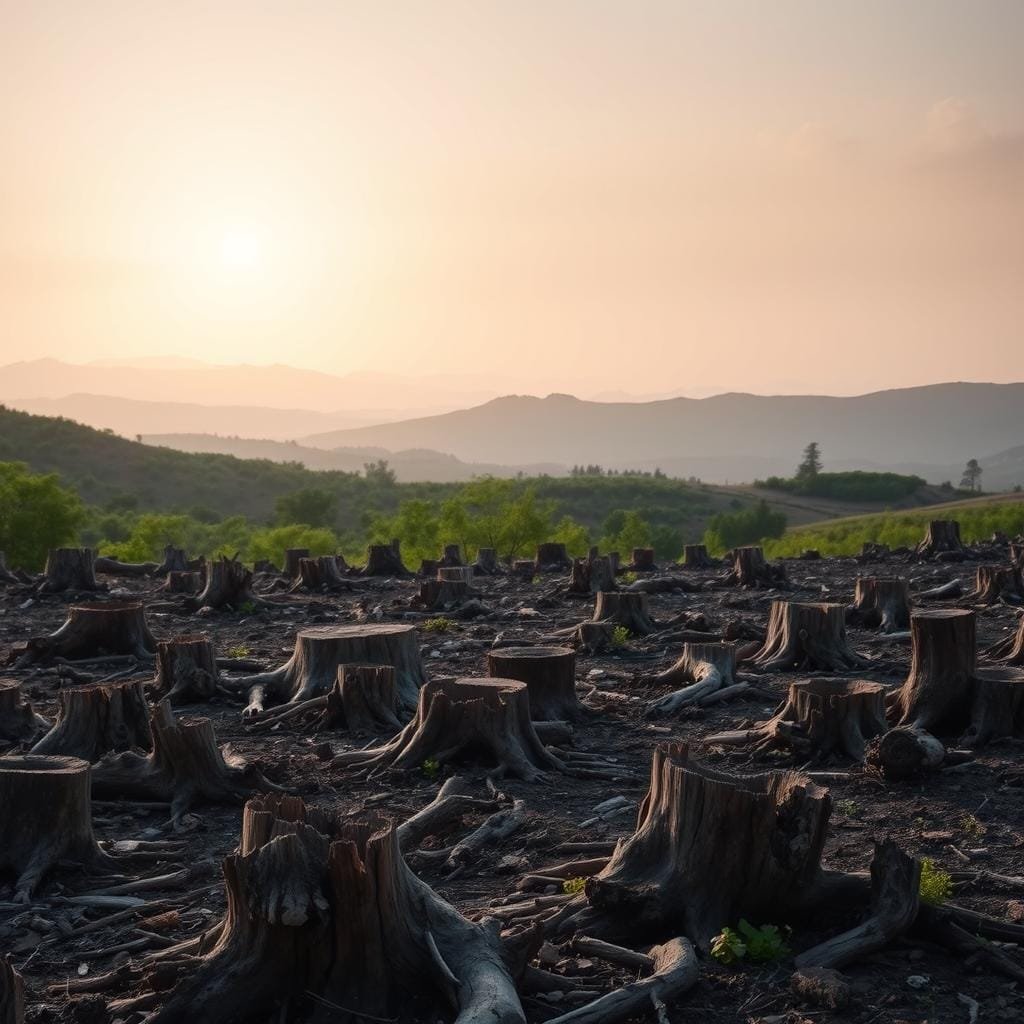

Congratulations on finishing your land clearing project! Now you’re probably looking at your property and wondering about the next step. Those leftover tree stump remnants can be a real eyesore. You’ve put in the hard work, and it’s time to reclaim your outdoor space.
This guide is for anyone who has had to cut down an old tree. Maybe it was due to storm damage, disease, or a new landscaping plan. We understand that dealing with these leftover stumps is a common challenge for homeowners and DIYers alike.
The good news is you have several options. You don’t need to resort to back-breaking labor or expensive equipment rentals. There are practical solutions for every timeline and budget.
We’ll walk you through the entire process. Our goal is to help you feel confident about transforming your yard. You can achieve a clean, usable, and beautiful property.
Proper removal offers great benefits. It improves safety by eliminating tripping hazards. It also prevents pests from moving into decaying wood. Let’s explore how to handle that final stump effectively.
Understanding the Challenges of Tree Stump Removal
Getting rid of a stump involves more than just clearing the visible wood. The real work often lies beneath the ground. This process requires careful thought about safety, the amount of labor needed, and the impact on your local environment.
Safety Considerations and Labor Requirements
Your physical well-being is the top priority. Working with tools like chainsaws near tough roots poses risks. Proper protective gear is a must.
According to expert Bob Frazee, a stump larger than 15 inches across is often too difficult for one person to dig out. The method you choose directly affects the time and effort required. Manual digging is hard work, while professional tree removal services use powerful grinders for a faster solution. It’s wise to understand these common challenges before you begin.
Environmental Impacts of Leftover Stumps
Leaving a stump in your yard isn’t always a bad thing. It can become a home for birds and beneficial insects, supporting the local ecosystem.
However, there’s a downside. Old stumps can attract pests or disease that might spread to healthy plants. The underground roots from the original tree can also decay slowly, potentially causing the ground to become uneven over time. Weighing these factors helps you make the best choice for your property.
Effective Ways for Removing Tree Stumps
For many property owners, the final step after clearing is addressing the wood base. You have several methods to choose from, each with its own timeline and requirements. The best way depends on your budget and how quickly you need the space clear.
Natural Decomposition and Soil Cover Techniques
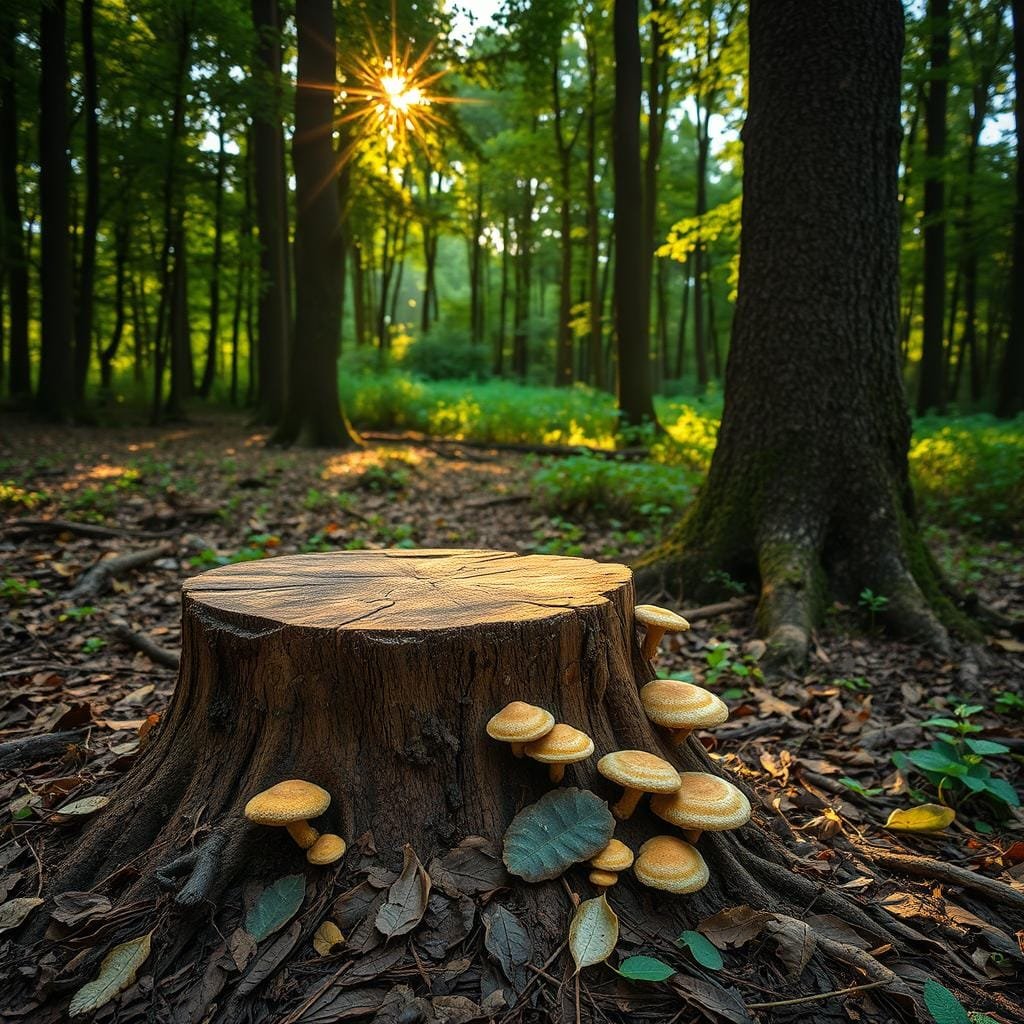
This is the cheapest and easiest removal method. It works with nature’s timeline. Cut the wood as low to the ground as possible.
Then, cover it completely with soil. Keeping the soil moist encourages organisms to break down the wood. You can even plant grass on top for a seamless yard look.
This process requires patience, often taking a year or more. It’s an excellent way for patient homeowners to handle an old tree base without cost or heavy labor.
Chemical Treatments and Drilling Methods
If you want faster results, consider chemical assistance. Commercial products speed up decomposition. They introduce nitrogen, which feeds decay organisms.
For the best effect, drill vertical holes into the wood first. This creates pathways for the chemicals and water to penetrate deeply. This method significantly accelerates the natural breakdown.
Choosing the right approach is key. The table below compares these two primary ways to help you decide.
| Method | Best For | Estimated Timeframe | Relative Cost |
|---|---|---|---|
| Natural Decomposition | Budget-conscious, patient homeowners | 1-3 years | Very Low |
| Chemical Treatment | Those wanting faster results without heavy machinery | 4-12 months | Low to Moderate |
Both methods are effective. Your choice balances cost, effort, and how soon you need the area usable.
Step-by-Step Guide for Safe Land Clearing and Stump Removal
Getting your workspace ready is the first critical step in handling that wood base. Proper preparation ensures everything goes smoothly and safely. Let’s break down the process into manageable stages.
Preparing Your Workspace
Start by clearing the area around the wood base. Remove any debris, rocks, or vegetation. Create a clean work zone extending several feet in all directions.
Inspect the surrounding yard for potential hazards. Look for underground utilities or overhead obstacles. Make sure children and pets stay away from the project area.
Establish clear boundaries to prevent accidents. This simple preparation prevents frustrating interruptions later.
Tools and Materials Needed
Gather these essential items before starting. You’ll need a corded drill with a long extension cord. A 12-inch bit extension helps create deep holes.
Safety glasses protect your eyes from wood chips. An ax handles any exposed roots. Optional stump remover product accelerates decomposition.
This project costs less than $20 and suits beginners. Having the right tools ready makes the entire process efficient.
Exploring Natural vs. Mechanical Stump Removal Methods
When tackling the final obstacle after land clearing, you face a choice between natural patience and mechanical power. Each method offers a different balance of effort, cost, and speed.
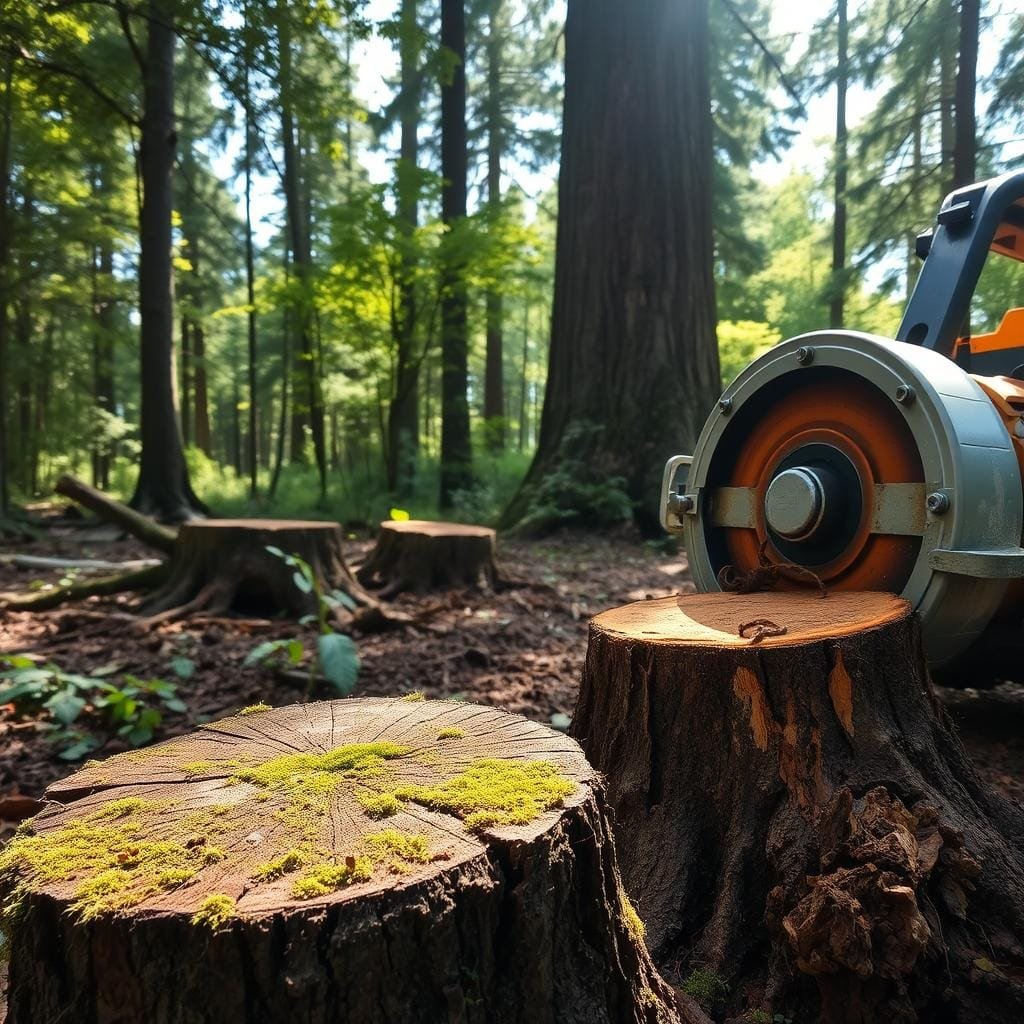
Some approaches work with nature’s timeline. Others use powerful tools for immediate results. Understanding these options helps you pick the best way for your yard.
Burning Out Stumps Safely
Burning offers a middle-ground method. It’s faster than waiting but avoids expensive gear. Your first step is critical: check local ordinances. Many areas prohibit open burning.
If it’s allowed, create a simple “stove.” Use an empty 5-gallon metal container. Remove the bottom and top. Punch 4-5 one-inch holes near the base.
Place this stove on top stump. Build a hot fire inside using charcoal or coal. Kerosene fuel oil can help ignite it. Stumps burn like green wood, so a intense fire is needed.
This works best in dry seasons. Always monitor the fire closely to prevent spreading.
Using a Stump Grinder or Chainsaw
For the fastest removal, a stump grinder is your best bet. This powerful machine can grind stump down 8-12 inches below ground in minutes.
You can often rent a grinder from landscaping firms or tree services. It’s the most satisfactory way to remove tree remnants completely.
Before grinding, use a chainsaw to cut the wood as low as possible. This makes the tree stump removal process smoother. Always prioritize safety when operating a chainsaw.
Tips for Speeding Up the Removal Process
If you’re looking for a faster solution for that leftover wood base, chemical treatments offer an excellent middle ground. These specialized products work by supercharging nature’s decomposition process, turning months of waiting into just weeks.
Enhancing Decay with Drill Holes and Chemicals
Stump removal chemicals introduce high nitrogen concentrations that feed decay organisms. The process begins with creating multiple drill holes across the surface. Space these openings evenly for maximum coverage.
Most products require holes about 8-12 inches deep. Pour the measured product into each opening, then add water to activate the mixture. This method significantly reduces the time needed to remove old wood bases.
For an eco-friendly alternative, consider epsom salt. While commercial chemicals feed microorganisms, epsom salt draws moisture from the wood. The application way is similar – fill drill holes with crystals, add water, and cover with a tarp.
Most treatments show results within four to six weeks. Larger specimens may need repeat applications. Always follow your specific product instructions for the best outcome.
Wrapping Up Your Tree Stump Project
Your journey to reclaim your outdoor space is nearly complete. You’ve explored everything from natural decomposition to mechanical grinding. Now you can choose the best approach for your situation.
Remember that creative alternatives exist if you prefer not to eliminate the wood entirely. You might transform it into a unique garden feature. Consider creative ways to repurpose an old tree instead of complete removal.
For challenging situations, don’t hesitate to contact a professional tree service. This is especially wise for large specimens or when roots interfere with structures. They have the right equipment for efficient stump removal.
Whatever method you select, you’re now prepared to successfully handle this final landscape challenge. Your yard will soon be clear, safe, and ready for new possibilities.