
Building your own retreat is an exciting DIY adventure. Before you start, you face a big choice for your projects. Should you get your gear through a rental service or make a purchase?
This guide helps you make a smart financial decision. We break down the key factors like upfront costs and long-term value. You will learn what makes sense for your specific situation and budget.
Knowing which pieces of equipment to acquire temporarily is key to project success. This is true whether you are a weekend warrior or a seasoned pro. For example, when crafting a sturdy log bench for your cabin, you might only need a specialty tool once.
We will provide real-world rates and expert insights. Our goal is to help you maximize efficiency and minimize unnecessary expenses. You will finish with a clear plan for your construction timeline and goals.
Getting to Know the Rental and Purchase Options
Embarking on a DIY construction project for your personal retreat presents a fundamental choice regarding your gear. Understanding the core differences between temporary access and full ownership is the first step toward a budget-smart plan.
Overview of Tool Rental Benefits
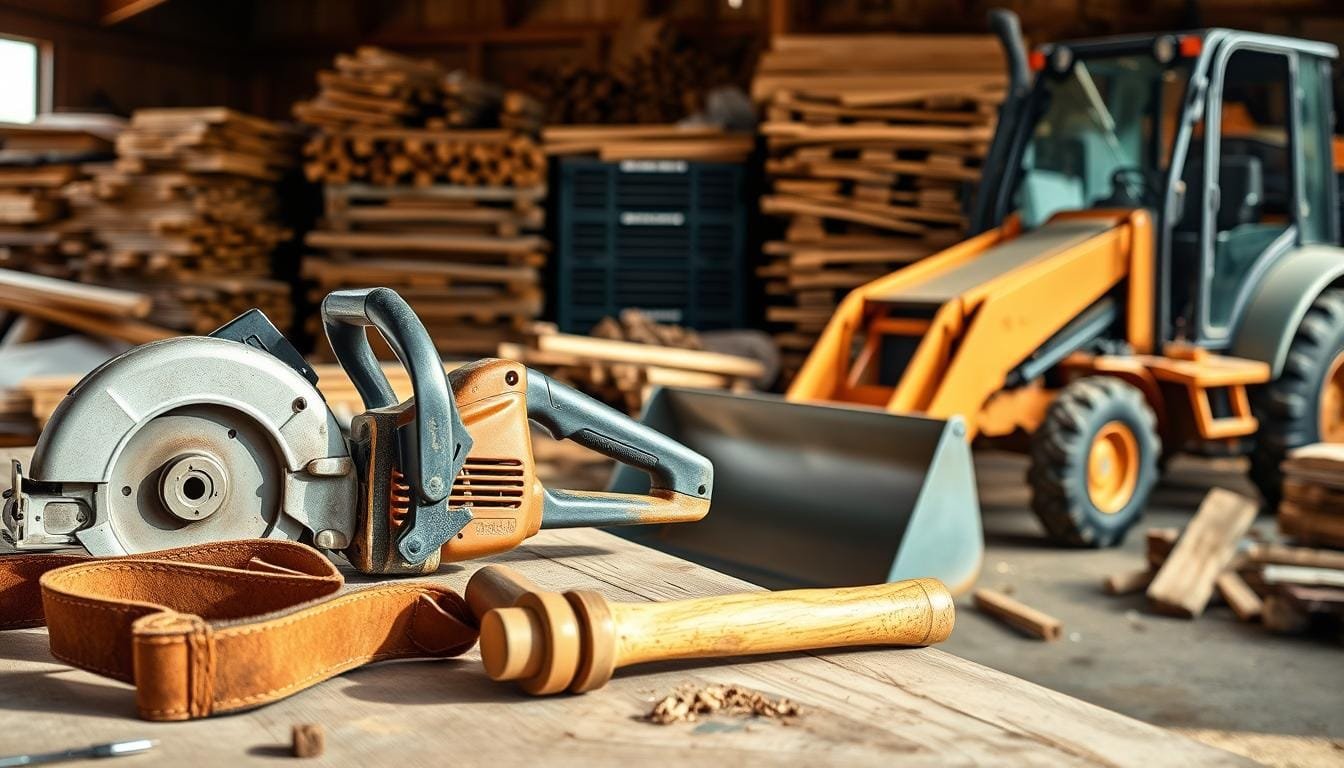
Choosing to acquire equipment through a rental service offers significant advantages. You gain immediate access to professional-grade machinery without a massive initial investment.
This approach is ideal for one-time or infrequent projects. A major benefit is avoiding the ongoing maintenance burden. The rental company handles all repairs, servicing, and part replacements.
Storage is another key factor. Large items like floor sanders or concrete mixers take up considerable space. Renting eliminates the need for long-term storage solutions in your garage.
Comparing Upfront Costs and Long-Term Investment
The financial comparison is often the deciding factor. The purchase price for specialized gear can be steep, ranging from hundreds to thousands of dollars.
In contrast, rental rates are a small fraction of that cost. For equipment you’ll use sparingly, the math strongly favors temporary acquisition.
Consider this real-world example for your project’s flooring phase:
| Equipment Set | Purchase Price | Daily Rental Rate | Weekly Rental Rate |
|---|---|---|---|
| Floor Sanding Equipment | Several Thousand Dollars | $140 | $550 |
This clear cost difference shows that for short-term needs, renting is typically the more logical and economical option. It provides flexibility without the commitment of ownership.
Deciding to Rent or Buy Cabin Tools for Your Build
The approach you take to obtaining construction equipment can significantly affect your project’s efficiency and cost-effectiveness. Your specific situation will determine which path makes sense for your needs.
Project Frequency and Specific Needs
How often you’ll use each piece of equipment is the most important factor. For one-time jobs, temporary acquisition typically makes sense financially.
If you’re planning multiple structures, the calculation changes. Owning frequently-used gear becomes more economical over time. Specialized equipment needed for brief phases favors short-term solutions.
Storage and Maintenance Considerations
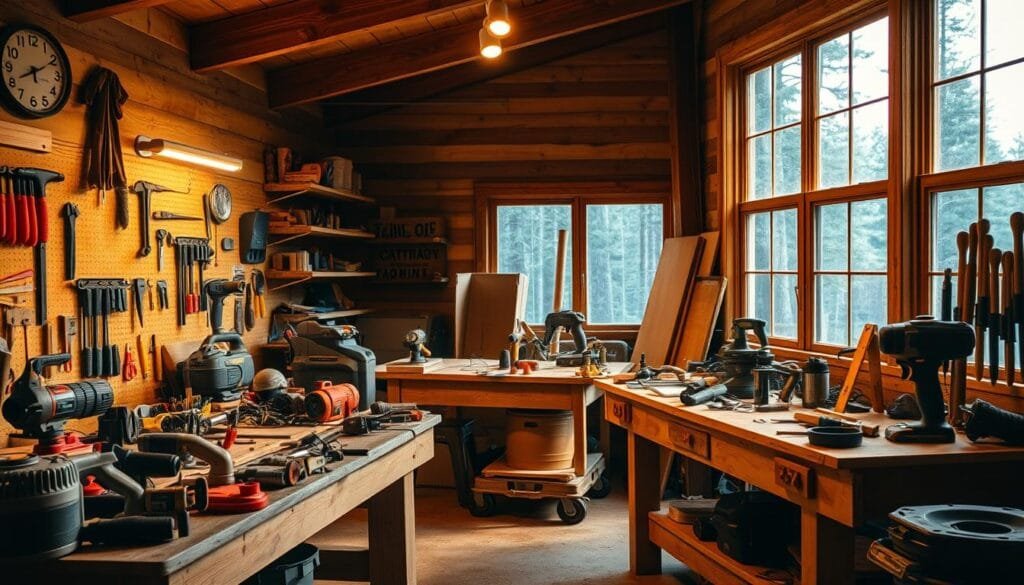
Physical space is a critical factor many builders overlook. Large items require secure, covered storage to prevent deterioration.
Maintenance responsibilities add another layer. Ownership means handling repairs, sharpening, and part replacements. This requires both time and mechanical knowledge.
The table below shows how different usage scenarios affect the decision:
| Usage Scenario | Project Duration | Recommended Approach | Key Consideration |
|---|---|---|---|
| Single weekend project | 1-2 days | Temporary acquisition | Cost-effective for brief use |
| Multiple structures planned | Ongoing | Purchase core equipment | Long-term savings |
| Specialized phase work | Specific phase | Short-term solution | Single-use efficiency |
| Limited storage space | Any duration | Temporary access | Space constraints |
A flooring professional’s experience illustrates this well. They started with rental equipment but eventually purchased their own. The owned equipment provided better quality and control for repeated use.
Key Factors Influencing Your Rental Decision
Before selecting equipment through a rental service, smart builders evaluate multiple aspects beyond just the sticker price. A thorough analysis ensures your project stays on track and within budget.
Cost Efficiency and Budget Analysis
Understanding the complete financial picture is crucial. Ask about rate structures—whether charges are hourly, daily, or weekly. Clarify what constitutes a “day” since definitions vary between companies.
Transportation expenses can significantly impact your total cost. Large equipment often requires professional delivery services. Factor these additional fees into your budget calculations from the start.
Accessory availability is another financial consideration. Verify if the rental company sells compatible consumables like sandpaper or nails. Sourcing these separately can add unexpected expenses.
Quality, Reliability, and Safety Protocols
Equipment condition directly affects project safety and timeline. Confirm that machinery receives regular maintenance and comes with proper operating manuals. Well-maintained equipment prevents costly delays.
For extended rental periods, clarify maintenance responsibilities upfront. Understand response times for repairs and whether you’re charged for equipment downtime. This planning makes good financial sense.
Insurance coverage is a critical safety net. Most rental companies include basic protection in their agreements. Review what’s covered and consider additional coverage for expensive machinery.
Highlighting Essential Rental Equipment for Cabin Projects
Certain construction tasks demand specialized gear that is often too costly to own outright. Temporary acquisition becomes the smartest financial move for these specific jobs. This approach gives you access to professional-grade machinery without the long-term commitment.
Focusing on equipment you’ll need only once or twice maximizes your budget. It also solves storage and maintenance headaches. Let’s look at the most common and cost-effective items to acquire for a short period.
Floor Sanding Equipment and Concrete Tools
Finishing wood floors is a classic project. A complete floor sanding setup is a perfect example of ideal temporary gear. This set includes a drum sander and a specialized edger for corners.
Owning this equipment can cost several thousand dollars. However, you can access it for about $140 per day. Choosing a heavy drum sander with a clutch ensures smooth, professional results on your wood surfaces.
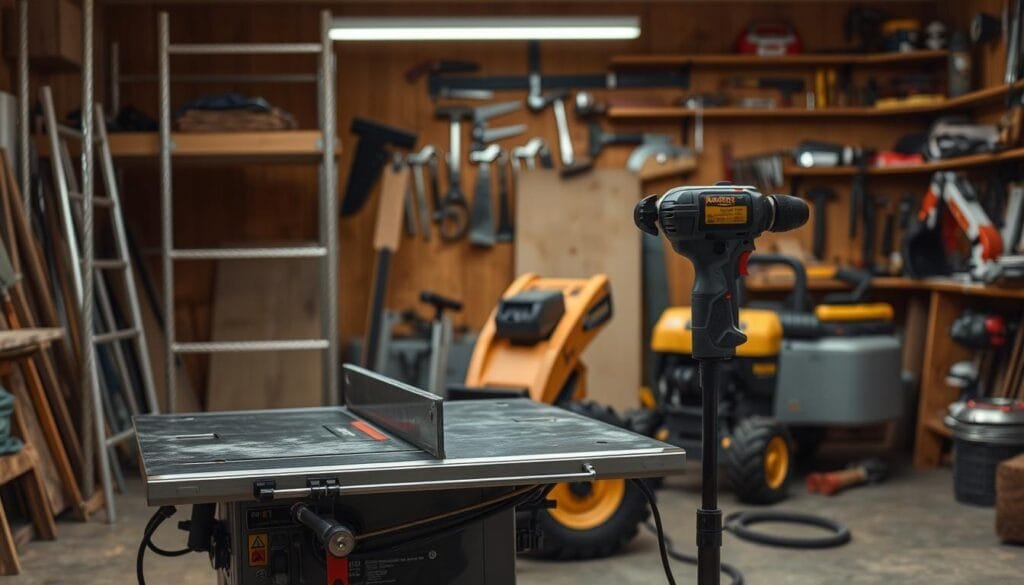
Concrete work is another area where temporary acquisition shines. From foundations to patios, having the right tools is crucial. Key items for concrete projects include:
- Concrete Mixers: Towable gas models run about $100 daily, while portable electric units are around $46.
- Concrete Saws: Quality handheld or walk-behind models are available for approximately $89 per day.
- Plate Compactors: Essential for preparing a stable base, these cost about $89 for a full day’s use.
Specialized Machines Like Hole Augers and Mixers
Some tasks require very specific machines. Building a perimeter fence around your yard is a good example. A gas-powered hole auger can dig post holes over 28 inches deep.
Purchasing this drill might cost $250 or more. Acquiring it for a weekend project costs around $80. This makes perfect sense for a one-time job.
For working at height, scaffolding is invaluable. It’s necessary for exterior painting or siding installation. Renting a full setup for about $100 a week is far more practical than finding storage for purchased sections.
A drywall lift is another awkward piece of gear. It holds sheets against the ceiling during installation. While you could buy one, storing it afterward makes temporary acquisition the logical choice.
Evaluating Rental Equipment Costs and Scheduling
Navigating the cost structure of temporary equipment access is key to staying on budget. Providers use different rate tiers, so understanding them prevents surprises.
You’ll need to ask about hourly, daily, and weekly options. A longer rental period often gives you a better value per day.
Daily, Weekly, and Hourly Rental Rates
Clarify what a “day” means with the rental company. Some count eight working hours, while others mean a full 24-hour period.
This detail significantly impacts your schedule and final price. Weekly rates are fantastic if your project lasts four days or more.
For a very quick job, an hourly rate might be perfect. Some companies offer special deals, like an evening rental at a four-hour price.
Additional Fees and Transportation Considerations
The base rate is just the start. Budget for extra costs like security deposits or damage protection fees.
Transportation is a major factor for large machinery. Ask the rental company about delivery fees upfront to avoid sticker shock.
Many rental companies offer discounts for bundling gear or for loyal customers. Always ask about promotions to get the best deal.
Expert Insights and Experiences from the DIY Community
The DIY community offers a wealth of practical knowledge about equipment acquisition strategies. Learning from others’ experiences can help you avoid common pitfalls.
Seasoned builders provide valuable lessons that apply directly to home improvement projects. Their stories highlight when temporary access makes sense versus long-term investment.
Real-World Case Studies on Tool Rentals
One flooring professional’s journey illustrates this progression perfectly. He initially acquired sanders from A Tool Shed for every job.
After forming a company with a partner, they invested in their own equipment. The quality difference was immediately apparent.
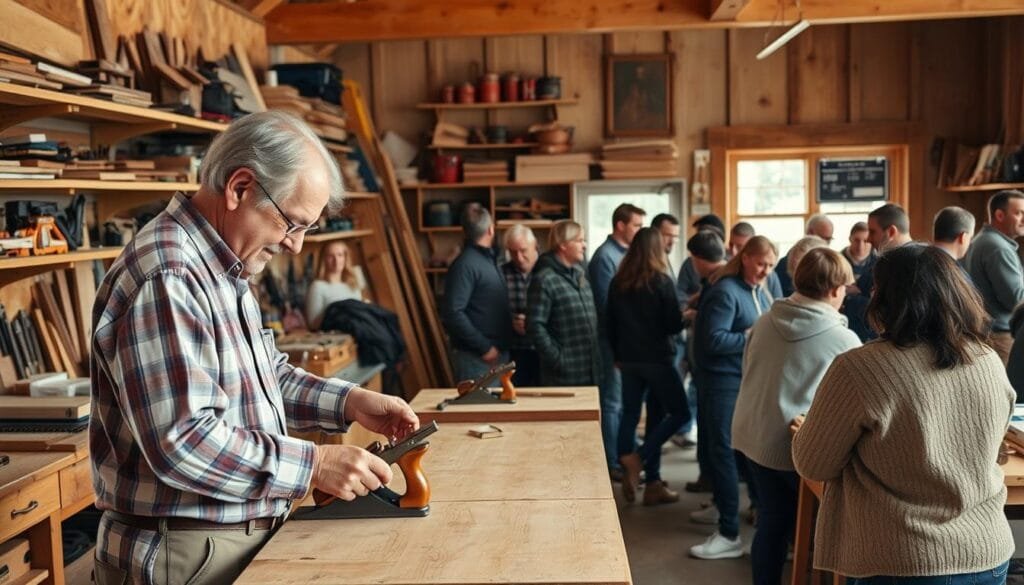
The rental company’s drum sanders were lightweight and created chatter marks. Their purchased German sander had a clutch system for superior control.
| Scenario | Project Type | Recommended Approach | Key Benefit |
|---|---|---|---|
| Occasional Use | One-time home improvement | Temporary acquisition | Cost-effective for single use |
| Frequent Needs | Professional company work | Equipment ownership | Quality control and long-term savings |
| Specialized Tasks | Unique project requirements | Short-term solution | Access to professional-grade gear |
Tips from Professional Rental Companies
Tony English from The Home Depot Rental emphasizes financial calculations. You must use purchased equipment many times to recoup costs.
Rental rates are just a fraction of purchase prices for single-use scenarios. This makes temporary access ideal for specific projects.
Rental company staff provide expert guidance for your DIY needs. They help select the right equipment and recommend accessories.
Building relationships with local providers offers additional benefits. Repeat customers often receive scheduling preferences and promotion alerts.
Local and National Options for Tool Equipment Rental
The United States offers diverse options for accessing temporary equipment. You can choose from national chains, specialized providers, or local outlets. Each type of company serves different needs for your project.
Exploring Companies That Offer Rental Services
National hardware stores provide consistent service across locations. The Home Depot rental department is a popular choice for many builders. They stock everything from basic items to heavy machinery.
Specialized equipment rental companies focus exclusively on this service. Sunbelt Rentals offers professional-grade gear that contractors use. These companies often provide delivery for large items.
Local independent outlets can be hidden gems in your community. They frequently offer personalized advice and flexible terms. Their knowledge of regional building conditions is invaluable.
| Company Type | Equipment Selection | Pricing Structure | Best For |
|---|---|---|---|
| National Chains | Standardized inventory | Consistent rates | Convenience and reliability |
| Specialized Providers | Professional-grade gear | Competitive pricing | Heavy-duty projects |
| Local Outlets | Region-specific items | Flexible terms | Personalized service |
Finding the Best Deals in the United States
The American Rental Association’s RentalHQ service helps locate providers. Their directory connects you with reputable companies in your area. This resource is especially useful in smaller communities.
The equipment rental industry is growing rapidly worldwide. The market value reached $50 billion in 2023. Projections show it doubling to $98 billion by 2033.
Building relationships with preferred providers yields benefits. You might receive priority reservations during busy seasons. Loyal customers often get discounts and insider advice.
Advanced Equipment and Innovative Tool Solutions
The evolution of building equipment now offers precision capabilities once reserved for commercial contractors. Modern machinery brings professional results within reach of DIY enthusiasts.
Access to cutting-edge technology transforms complex projects into manageable tasks. These innovations level the playing field for amateur builders.
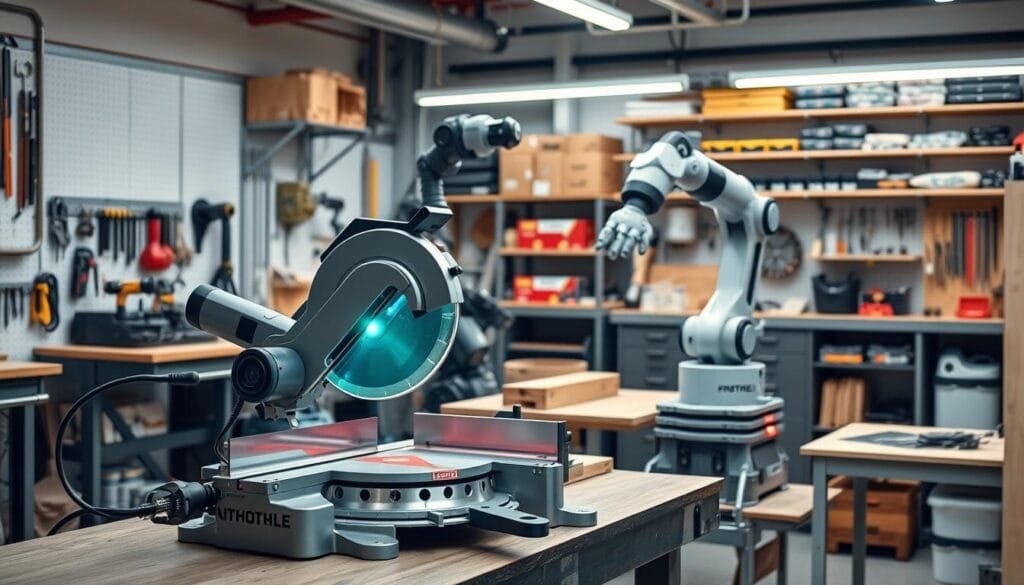
Today’s market provides sophisticated solutions for every construction challenge. Builders can achieve results that rival professional work.
High-Performance Machines for Precision Work
Advanced machinery delivers exceptional accuracy for demanding projects. Laser-guided systems ensure perfect alignment and measurements.
Digital controls on modern equipment eliminate guesswork. They provide consistent results across entire projects.
Professional-grade power tools handle heavy-duty tasks with ease. They maintain performance through extended use.
Sustainable and Eco-Friendly Rental Practices
The equipment sharing model promotes environmental responsibility. Multiple users access the same high-quality machinery.
This approach reduces manufacturing demands and resource consumption. It extends the lifespan of valuable equipment.
Modern rental companies prioritize energy-efficient options. Electric alternatives to gas-powered machines reduce emissions.
This sustainable approach benefits both builders and the environment. It represents smart resource management for construction projects.
Final Thoughts on Maximizing Your Cabin Build Efficiency
Your cabin construction journey culminates in strategic decisions about equipment acquisition that can make or break your budget. The smartest approach combines ownership of essential items with temporary access to specialized machinery.
You’ll need basic hand tools repeatedly, making purchase sensible. For one-time tasks, equipment rental provides professional-grade gear without long-term commitment. This hybrid strategy makes perfect financial sense.
Plan your rental timing carefully to avoid paying for idle equipment. Coordinate tasks to complete during each rental period. Expert advice from rental companies can save you time and prevent costly mistakes on your specific job.
Remember that temporary access isn’t a compromise—it’s a strategic choice. This approach gives you better equipment while reducing financial risk. Your dream project becomes more affordable and efficient through smart resource allocation.