
Welcome to the world of cozy living, where innovation and smart design prove that comfort isn’t measured in square feet. The philosophy of ‘less is more’ is at the heart of creating a retreat that feels both spacious and intimate.
Tiny living has been completely transformed. It’s now a sustainable and fulfilling choice that doesn’t ask you to give up functionality. Whether it’s a weekend escape or a full-time home, the goal is the same: to make every single inch count.
Strategic planning is the key. It turns a modest footprint into a comfortable and inviting sanctuary. This approach is about crafting thoughtful, multi-functional areas that improve your daily life.
We’ll explore fifteen ingenious strategies to help you achieve this. From clever storage to blending indoor and outdoor areas, these concepts will show you how to get the most out of your compact dwelling. You can create a beautiful and practical home, no matter your experience or budget.
Embracing the Small Cabin Lifestyle
Before sketching any floor plans, take time to consider what truly matters for your daily comfort. The perfect retreat reflects your unique way of life rather than following generic designs.
Understanding Your Cabin Needs
Start by asking honest questions about how you’ll use the space. Will this be a weekend escape, remote work sanctuary, or permanent home? Each purpose demands different considerations.
Think about who will occupy the retreat. Consider children, pets, elderly family members, or occasional guests. Their requirements will shape your design choices.
Seasonal patterns matter too. Do you need storage for recreational equipment? Will you host visitors during holidays? These factors influence your cabin needs significantly.
Defining Your Space Priorities
Create a clear hierarchy of must-have features versus nice-to-have amenities. This ensures your most important elements receive proper attention in the limited square footage.
Document your requirements through a simple checklist. How many bedrooms are essential? Do you need a dedicated work area or reading nook? Should the design support aging in place?
Thoughtful planning at this stage prevents costly changes later. It guarantees your final living space truly supports your intended lifestyle for years to come.
Small Cabin Layout Optimization Strategies
A great floor plan makes every area work hard, eliminating wasted space and awkward corners. The goal is to create a home that feels open and fluid, not cramped.
Thoughtful design is all about flow. It connects different activity zones seamlessly.
Maximizing Functional Living Areas
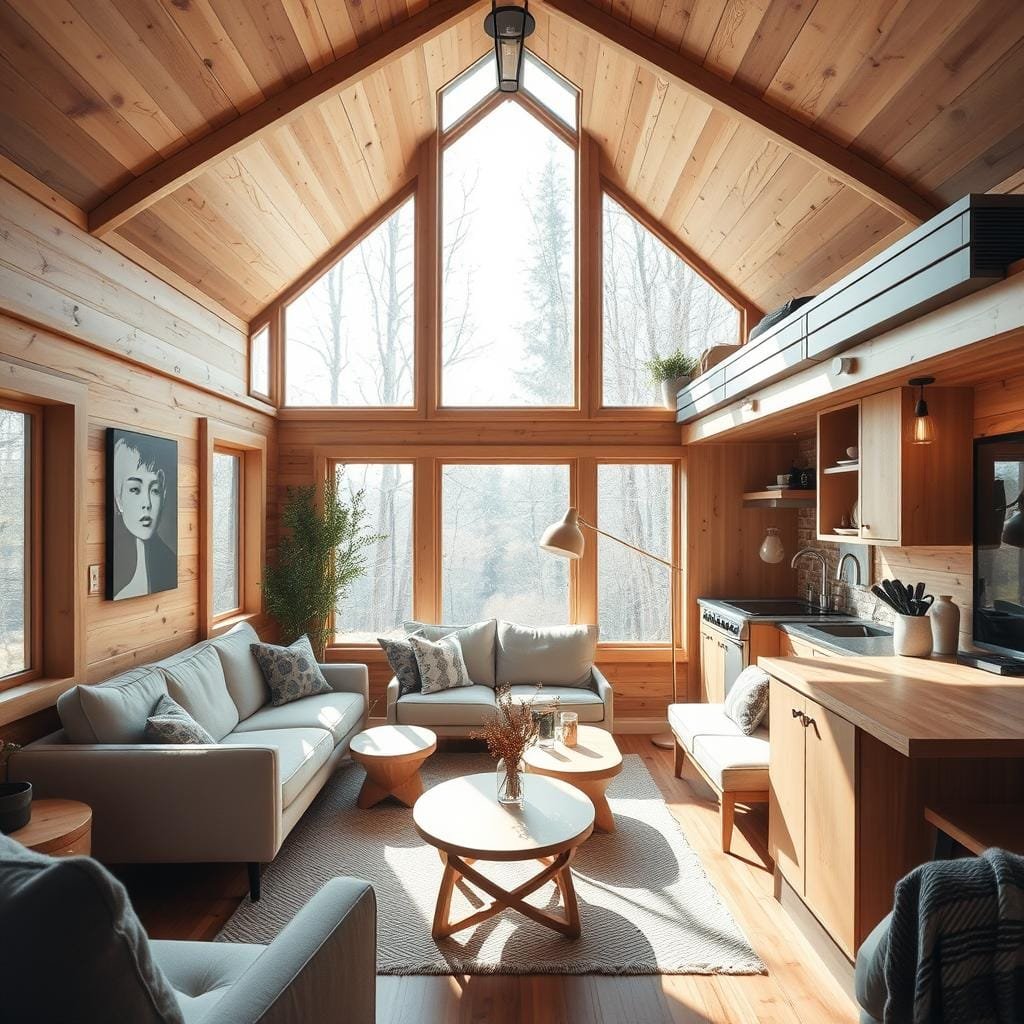
Open concepts are a game-changer. They remove walls to create visual continuity, making the entire retreat feel larger.
Multi-purpose zones are key. A dining nook can become a workspace by day. A living area might offer a pull-out bed for guests. This versatility is crucial for maximize space.
Pay close attention to traffic patterns. Furniture placement should allow for easy movement. This careful planning ensures your living areas are both comfortable and practical.
Doors and windows should be placed strategically. They define usable wall space for storage and furniture. This approach optimizes your cabin‘s arrangement.
You can also create a sense of “borrowed space.” Visual connections between rooms, like an open sightline to a cabin loft ideas, make the space feel more expansive. Even a compact small cabin can achieve this airy feel.
Innovative Floor Plan Concepts
Imagine a living space that adapts to your changing needs rather than forcing you to adapt to it. Modern approaches break from traditional rectangular footprints, offering creative solutions that dramatically improve how you experience compact living.
These forward-thinking concepts prioritize flexibility and personalization from the ground up.
Customizable and Modular Design Elements
Companies like Westwood Cabins offer fully customizable floor plan options that align with your unique requirements. Whether you prefer open-concept living or segmented rooms for privacy, tailored design makes it possible.
Modular construction brings precision to the build process. Each component is crafted in controlled environments, ensuring snug fits that maximize usable area. This method eliminates wasted gaps common in traditional building.
Adapting Plans to Your Lifestyle
The best plans incorporate adaptable spaces that serve multiple functions. A living area might transform into a guest room, or a dining nook could become a workspace. This versatility is key for compact dwellings.
Many providers now offer 3D walkthroughs, letting you experience the spatial relationships before construction begins. You can explore innovative living room layout ideas to visualize how different configurations work.
When evaluating plan options, prioritize features that support your daily routines. Look for flexible room configurations and consider how needs might evolve over seasons or years.
Open Living Areas for a Spacious Feel
Opening up your living space can completely transform how you experience your retreat. Removing interior walls creates a seamless flow that makes the entire area feel larger and more connected. This approach is perfect for creating an inviting atmosphere where every activity feels part of a cohesive whole.
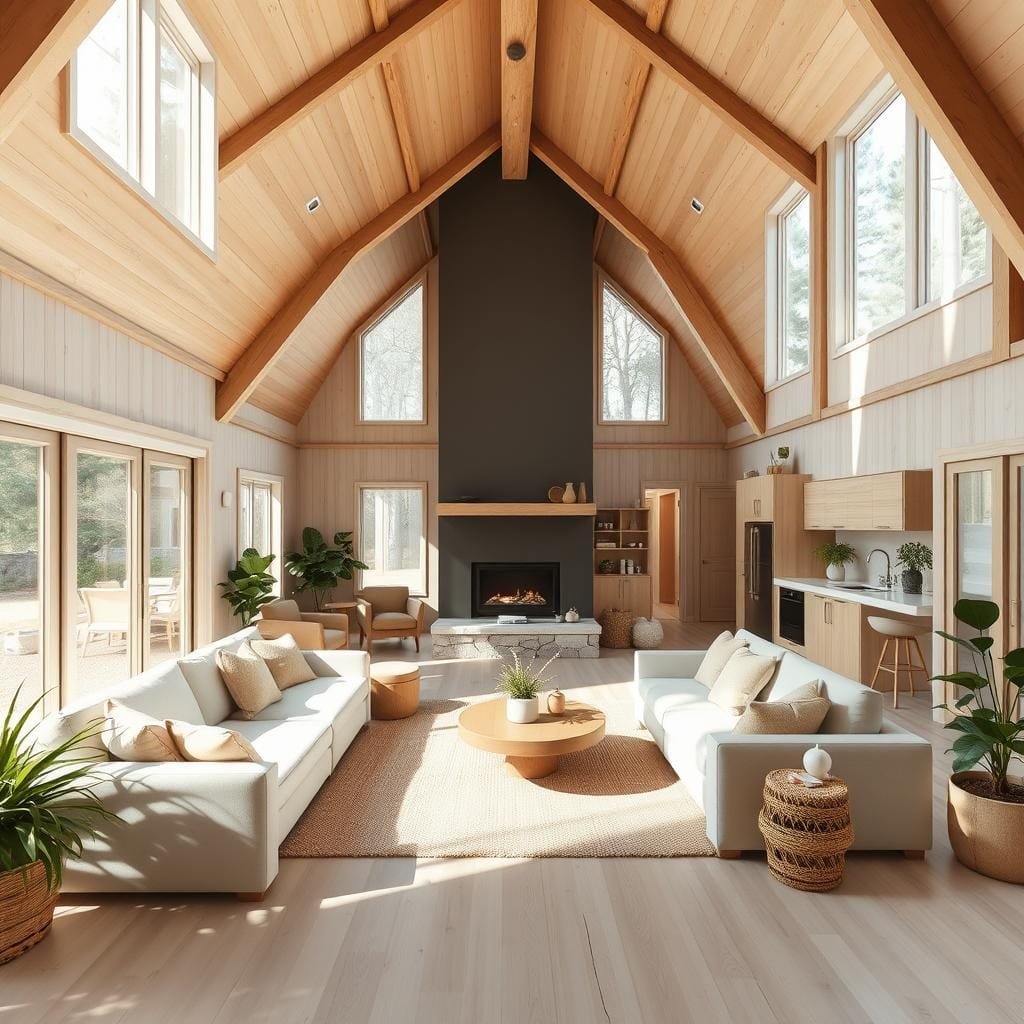
Natural light plays a huge role in this spacious feel. Without walls blocking its path, sunlight can flood deep into your home. This bright, airy environment makes even compact dwellings feel wonderfully open.
Integrating Multi-Functional Spaces
Defining different zones without walls is both an art and a science. You can use area rugs, strategic lighting, or even changes in ceiling height to mark separate areas. Furniture placement becomes your primary tool for creating distinct living areas within one open room.
The real power comes from multi-functional design. A kitchen island can serve as a prep space, dining table, and home office all in one day. This versatility means a single area supports multiple activities without feeling cramped.
Social benefits are another major advantage. Open plans allow for easy conversation flow and better visibility throughout the home. You’ll love how connected everyone feels, whether you’re entertaining guests or keeping an eye on family activities.
Concerns about noise or privacy have simple solutions. Strategic furniture placement, room dividers, and smart storage keep the space organized and comfortable. The result is a home that feels both spacious and perfectly tailored to your lifestyle.
Clever Storage Solutions for Clutter-Free Living
Clutter-free living begins with intelligent design that conceals everyday necessities. The right storage solutions can transform your retreat into an organized haven where everything has its place.
Thoughtful planning prevents accumulation of items that make compact dwellings feel cramped. Each piece should serve multiple functions while keeping visual clutter minimal.
Smart Storage and Hidden Cabinetry
Smart storage integrates seamlessly into your cabin’s architecture. Built-in cabinets utilize wall cavities and awkward corners effectively.
Floor-to-ceiling shelving maximizes vertical space. Pull-out pantries and toe-kick drawers beneath cabinets offer surprising capacity. These solutions keep belongings accessible yet out of sight.
Custom cabinetry designed for specific needs ensures optimal organization. Every item finds its dedicated spot, maintaining a clean aesthetic throughout your living space.
Under-Bed and Multi-Purpose Furniture
Platform beds with integrated drawer systems provide substantial storage without sacrificing comfort. This approach utilizes often-wasted space beneath sleeping areas.
Multi-functional pieces are game-changers. Ottomans that open for storage, benches with lift-up seats, and foldable tables serve dual purposes. These creative storage ideas multiply usable area significantly.
Investing in convertible furniture saves precious square footage. Murphy beds fold away to free entire rooms during daytime hours. This versatility is crucial for comfortable living in compact dwellings.
| Storage Type | Best Use | Space Saved | Installation Complexity |
|---|---|---|---|
| Built-in Cabinets | Wall spaces, corners | High | Medium |
| Under-Bed Drawers | Bedroom areas | Medium | Low |
| Multi-Purpose Furniture | Living areas | High | Low |
| Vertical Shelving | Any room | Medium | Low |
These storage solutions ensure your retreat remains organized and spacious. Proper planning creates a sanctuary where every item has its home.
Designing Inviting Kitchen and Dining Spaces
The heart of any home beats strongest in the kitchen, where meals and memories come together. Even in compact dwellings, this area deserves thoughtful attention to create a welcoming atmosphere.
Strategic planning ensures your cooking and eating zones feel spacious and functional. The right approach makes entertaining guests a pleasure rather than a challenge.
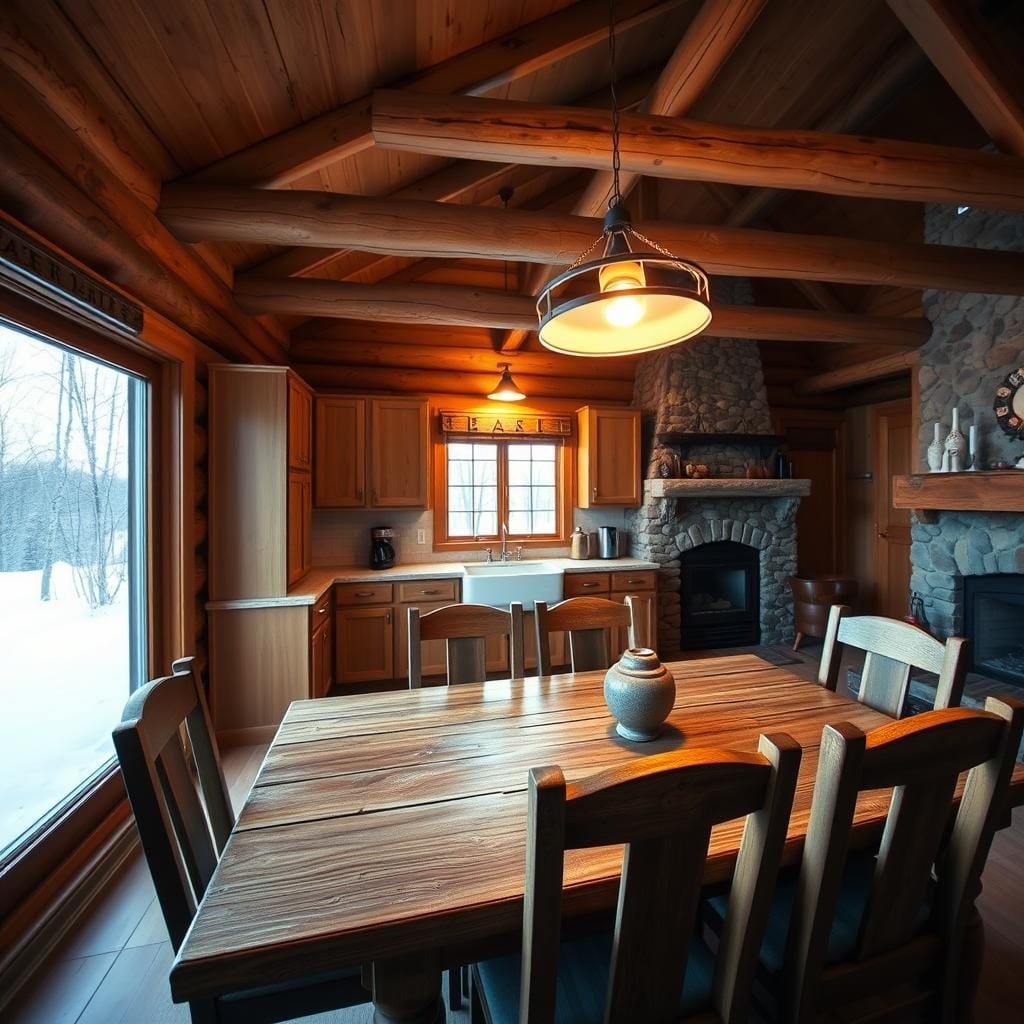
Smart Kitchen Layouts and Compact Appliances
Efficient kitchen arrangements maximize every inch of available area. Galley styles, L-shaped designs, and single-wall configurations work beautifully in limited footprints.
Compact appliances deliver full functionality without consuming excessive room. Apartment-size refrigerators and two-burner cooktops provide everything needed for daily meals.
Creative storage solutions keep your kitchen organized and clutter-free. Vertical spice racks and pull-out pantries make ingredients easily accessible.
| Kitchen Configuration | Best For | Space Efficiency | Entertaining Potential |
|---|---|---|---|
| Galley Style | Narrow areas | High | Medium |
| L-Shaped Design | Corner spaces | Medium | High |
| Single Wall | Studio layouts | Highest | Low |
| U-Shaped | Larger footprints | Medium | Highest |
Dining areas integrate seamlessly through fold-down tables and built-in breakfast nooks. Kitchen islands often double as casual eating spots, saving precious square footage.
Proper lighting and finishes make these spaces feel bright and inviting. The result is a kitchen and dining area that enhances your entire living experience.
Enhancing Light and Views with Strategic Windows
Strategic window placement serves as the ultimate tool for expanding visual space while connecting you with nature. The right approach transforms your entire living experience by bridging indoor comfort with outdoor beauty.
Maximizing Natural Light
Generous windows and skylights invite abundant sunlight, making living areas feel substantially larger. This approach reduces electricity costs while improving mood and wellbeing.
Consider solar orientation when planning your window design. South-facing glass captures maximum daylight throughout the year. Proper placement ensures light reaches deep into your home.
You can learn more about how to optimize natural light for specific techniques. Light-colored walls and reflective surfaces further enhance the feeling of openness.
Optimizing Window Placement for Scenic Views
Large picture windows frame beautiful landscapes, creating visual extensions of your interior space. The right placement makes nature part of your daily living experience.
Position key windows to capture your best views from primary living areas. A dining nook beside a scenic window turns meals into special moments. Thoughtful arrangement eliminates psychological boundaries.
Balance window quantity with privacy and energy efficiency needs. Different window types serve various purposes—casement windows for ventilation, clerestory windows for privacy with illumination.
Innovative Cabin Loft Ideas for Extra Room
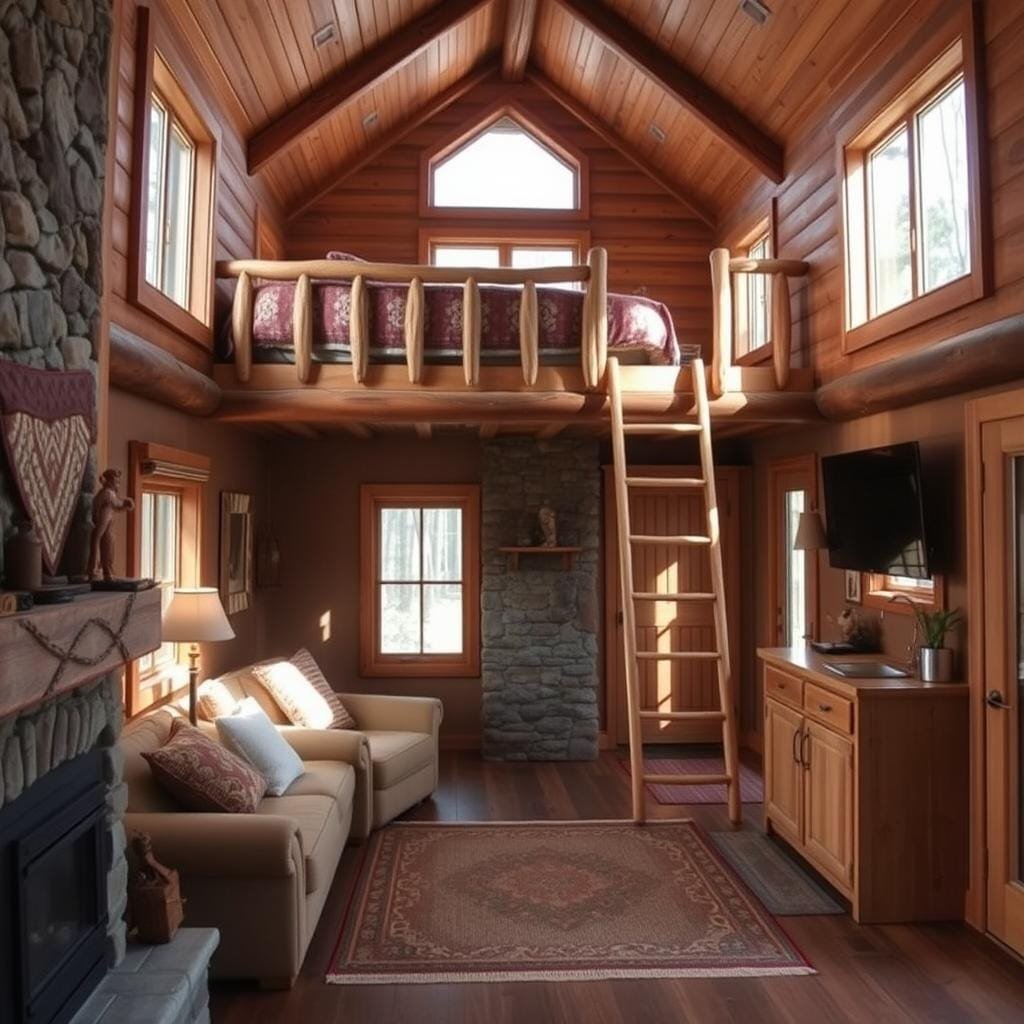
The vertical dimension offers one of the most exciting opportunities for expanding your retreat’s functionality through creative loft design. These elevated areas provide substantial additional square footage without increasing your building’s footprint.
Well-planned loft spaces can serve as bedrooms, offices, or recreation areas. They transform how you experience your compact dwelling.
Utilizing Vertical Space Effectively
Full-width lofts work beautifully in structures with higher ceilings. Partial lofts create cozy nooks while maintaining openness below. Multiple loft levels offer incredible versatility for larger cabins.
Consider ceiling height requirements carefully. Most lofts need at least 4 feet of clearance for comfortable use. Safety railings are essential for peace of mind.
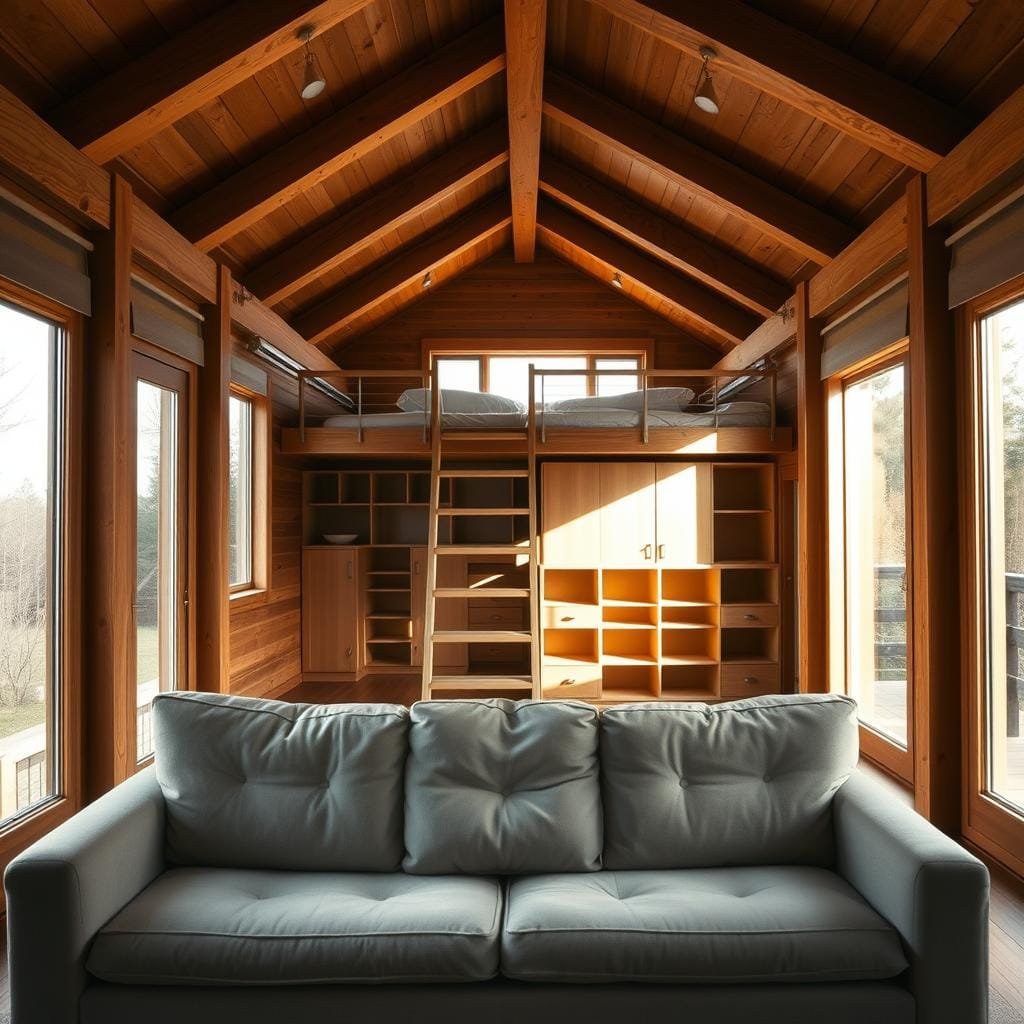
Space-Saving Loft Ladders and Storage
Traditional staircases consume valuable floor area. Modern alternatives include ship’s ladders and alternating tread designs. These options provide secure access while maximizing your available space.
Some ladder designs incorporate built-in storage compartments. Fold-away models disappear when not in use. This clever approach keeps your main living area clutter-free.
| Access Type | Space Required | Ease of Use | Storage Potential |
|---|---|---|---|
| Ship’s Ladder | Minimal | Good | Low |
| Spiral Staircase | Medium | Excellent | Medium |
| Alternating Tread | Minimal | Fair | High |
| Folding Ladder | None when stored | Fair | Low |
These innovative loft spaces truly maximize every cubic foot of your retreat. They create functional areas that enhance daily living.
Cozy Bathroom and Utility Area Designs
Even the most compact bathroom areas can become spa-like sanctuaries with thoughtful design. The right approach transforms tight spaces into comfortable, functional retreats.
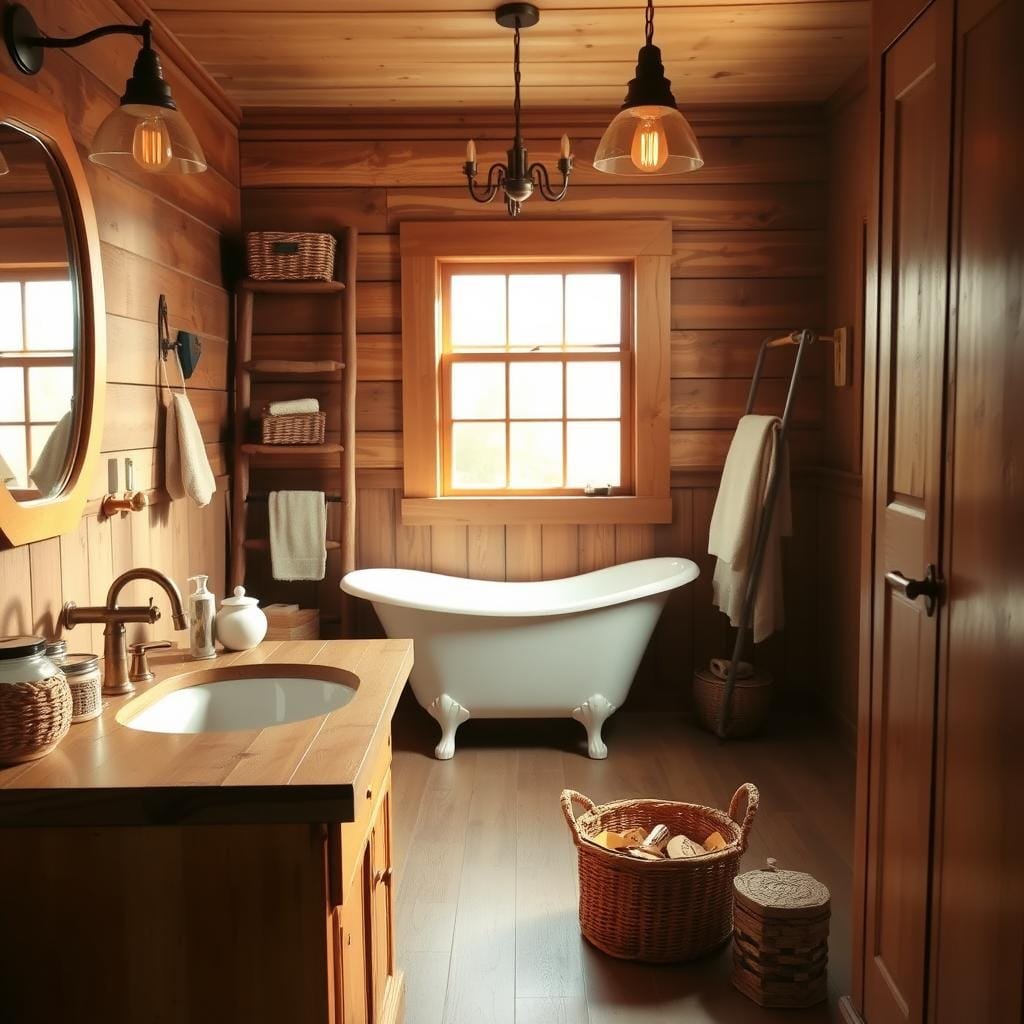
Smart planning ensures every inch serves a purpose. Your bathroom should feel open and inviting, not cramped.
Compact Fixtures and Clever Plumbing Solutions
Corner sinks and wall-mounted toilets save valuable floor area. Narrow vanities provide essential storage without overwhelming the room.
Tankless water heaters free up wall space while delivering endless hot water. Combination shower-tubs offer flexibility in limited footprints.
Strategic plumbing placement reduces complexity and costs. Positioning fixtures along one wall conceals pipes efficiently. Wet-wall construction keeps everything hidden within standard thickness.
Pocket doors eliminate swing clearance issues. Recessed medicine cabinets and over-toilet storage units utilize vertical space effectively.
| Fixture Type | Space Saved | Best For | Installation |
|---|---|---|---|
| Corner Sink | High | Tiny bathrooms | Medium |
| Wall-Mounted Toilet | Medium | Modern designs | Complex |
| Tankless Heater | High | All cabin sizes | Professional |
| Pocket Door | High | Narrow areas | Medium |
Utility areas accommodate laundry and mechanical systems efficiently. Stackable washer-dryer units fit neatly in closets. Proper ventilation and lighting complete your cozy retreat.
Efficient Heating, Cooling, and Energy Features
Energy-efficient features ensure your dwelling remains comfortable while keeping utility costs manageable. The right climate control system makes your retreat enjoyable year-round.
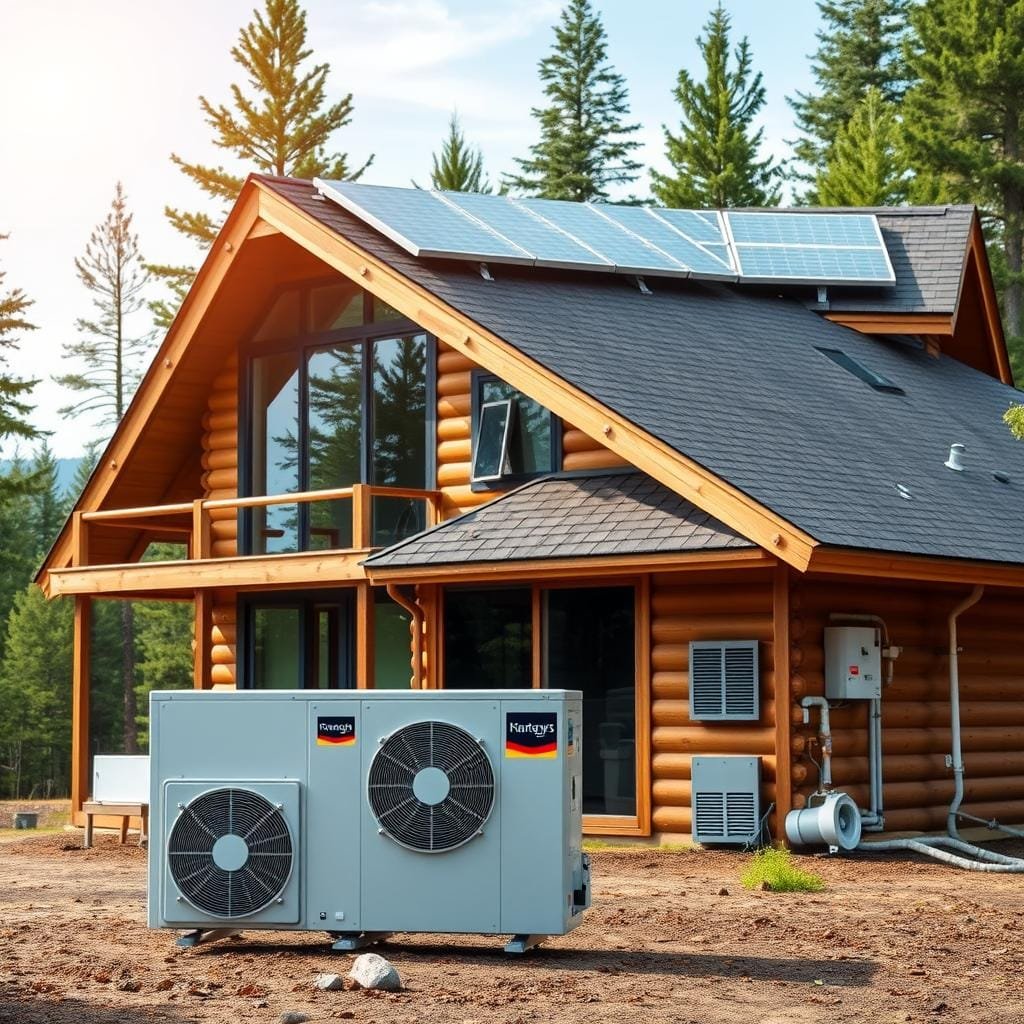
Mini-Split HVAC and Insulation Benefits
Mini-split systems offer excellent climate control without bulky ductwork. These compact units allow zone-based temperature settings for personalized comfort.
Proper insulation is crucial for maintaining consistent temperatures. Spray foam seals gaps effectively while fiberglass batts provide budget-friendly options. Rigid foam boards work well in tight spaces.
Consider wood stoves for traditional warmth or radiant floor heating for cold climates. Electric baseboard heaters serve as cost-effective supplemental options.
Energy-Saving Tips for All Seasons
Simple adjustments can significantly reduce energy consumption. Use ceiling fans to circulate air and install roof vents to regulate heat buildup.
Operable windows enable natural cross-ventilation during milder months. Programmable thermostats help maintain optimal climate settings automatically.
For comprehensive guidance, explore energy-efficient floor plan strategies. These features enhance your home’s comfort while minimizing environmental impact.
Seamless Indoor-Outdoor Living Integration
The true magic happens when your home’s boundaries extend gracefully into the landscape around it. This approach creates a fluid connection that makes your entire dwelling feel more expansive and connected to nature.
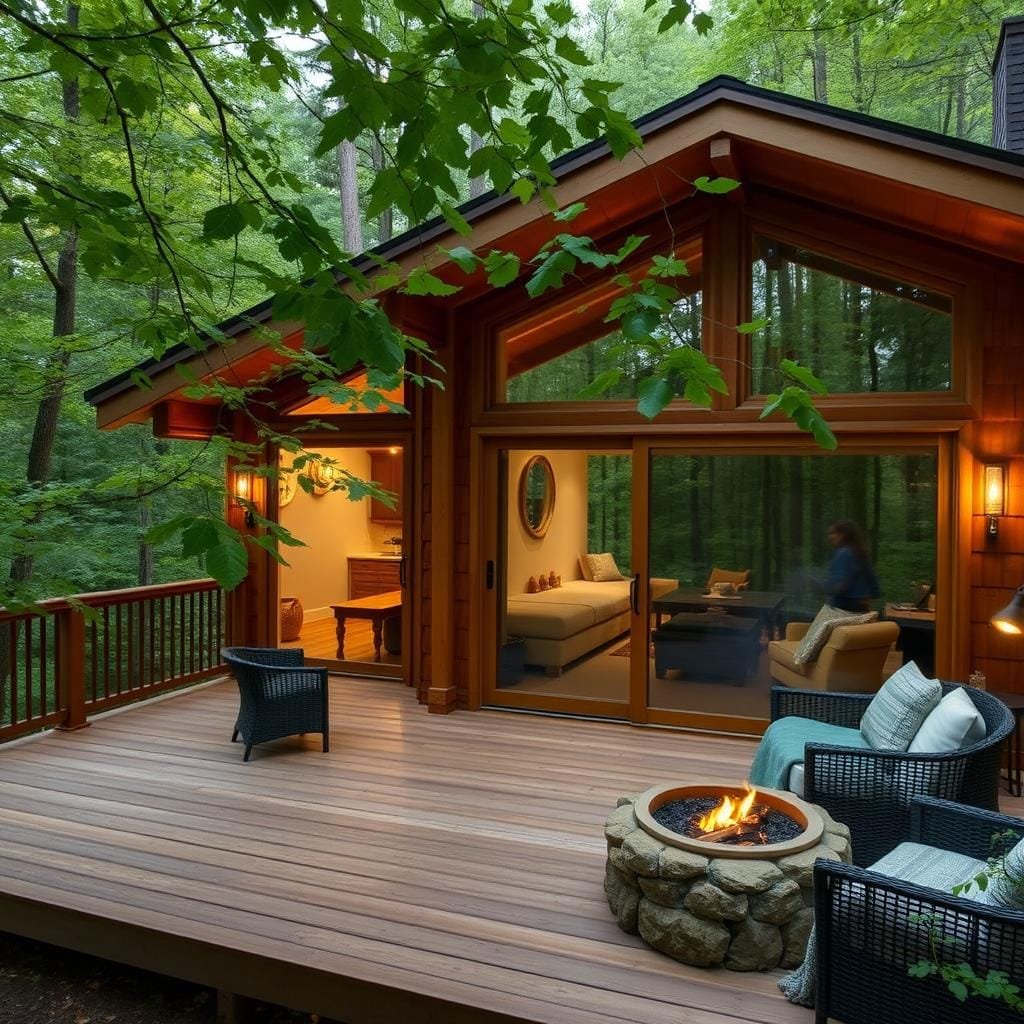
Thoughtful design bridges the gap between interior comfort and outdoor beauty. Large glass doors play a crucial role in achieving this seamless flow.
Expanding Spaces with Porches and Outdoor Storage
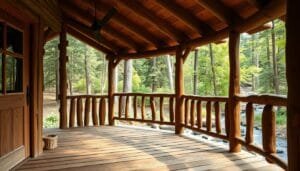
Covered porches serve as wonderful transitional areas that effectively increase your usable square footage. They create additional living zones for relaxation and entertainment.
Sliding glass doors open entire walls to merge indoor and outdoor space. This design strategy makes compact cabins feel remarkably spacious.
Outdoor storage solutions keep seasonal items protected while freeing up interior room. Weatherproof containers and built-in benches provide practical organization.
These integrated areas enhance ventilation and natural light throughout your cabin. The psychological benefit of feeling connected to the outdoors cannot be overstated.
Properly designed outdoor living zones become natural extensions of your home’s interior. They transform how you experience daily life in your retreat.
Final Thoughts on Crafting Your Dream Cabin
Creating your perfect retreat is an exciting journey that combines smart planning with personal vision. The strategies we’ve explored show how thoughtful design can transform any space into a comfortable home. Your dream cabin is absolutely achievable with the right approach.
Remember that great cabin plans prioritize your specific needs and lifestyle. Multi-functional areas, clever storage, and strategic window placement work together to maximize comfort. These elements create a living environment that feels both spacious and intimate.
As you move forward, consult experienced professionals who understand small cabin construction. They can guide you through local building requirements and permit processes. The result will be a personalized retreat that brings lasting joy and comfort for years to come.