
Thinking about building your dream retreat? Choosing the right materials is a big decision. This guide will help you weigh the pros and cons of a popular choice: salvaged timber for your project.
This material brings an authentic, rustic charm that new lumber simply can’t match. Each piece has a unique history and character, giving your space a one-of-a-kind feel.
There are also significant environmental perks. Opting for salvaged materials can reduce your carbon footprint and help with forest preservation. It’s a choice that feels good.
However, it’s not all straightforward. There are practical considerations, like cost and the work needed to prepare the boards. A reclaimed wood guide to design and highlights the importance of proper sourcing and handling.
We’ll explore both sides of the debate. You’ll learn about the investment versus the exceptional longevity and beauty. By the end, you’ll know if this is the right path for your vision, budget, and goals.
Understanding Reclaimed Wood
Let’s start at the very beginning and define what this material truly is. It is salvaged timber that gets a second life.
This antique lumber comes from structures that have served their original purpose. Think of old barns, factories, and even homes.
Definition and Origins
This material is simply boards and beams rescued from demolition sites. It is not freshly cut from forests.
Each piece carries a unique history. A board from a 19th-century New England barn has a different story than one from a Midwest warehouse.
The character and strength of old-growth timber are unmatched. You might find longleaf pine, dense oak, or even rare chestnut.
How It’s Sourced from Old Structures
Specialized crews carefully dismantle buildings slated for removal. They save the valuable lumber before it heads to a landfill.
Most people buy from trusted suppliers who handle the difficult work. This includes removing old nails and ensuring the boards are safe.
Sometimes, you can source materials from your own property during a renovation. This adds a deeply personal touch to your project.
| Source Type | Typical Wood Species | Key Characteristics |
|---|---|---|
| Old Barns | Pine, Oak, Chestnut | Wide planks, rich patina, nail marks |
| Industrial Buildings | Douglas Fir, Heavy Timber | Massive beams, saw marks, industrial feel |
| Historical Homes | Heart Pine, Cedar | Flooring, siding, refined aging |
Environmental Benefits and Sustainability
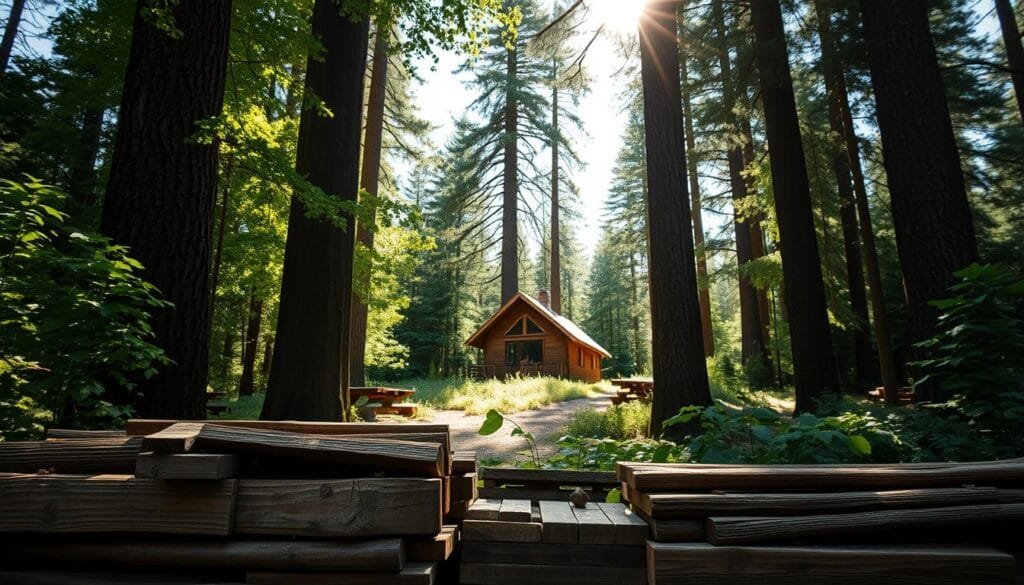
Beyond its undeniable beauty, salvaged timber offers a powerful environmental story for your project. This choice directly supports a healthier planet.
Eco-Friendly Aspects
Selecting this material is one of the greenest decisions you can make. It dramatically lowers the environmental impact compared to new lumber.
You are essentially recycling on a grand scale. This practice keeps tons of usable material out of landfills. It gives old boards a new purpose in your home.
Reducing Carbon Footprint
The process of logging, milling, and shipping new wood consumes vast energy. Using antique lumber skips these carbon-heavy steps entirely.
This sustainable way of building also helps protect forests. It safeguards natural habitats from being cleared for new construction materials. Your project leaves a much smaller ecological footprint.
The Unique Aesthetic of Antique Wood in Cabin Design
Historical materials create an immediate sense of heritage in modern cabin construction. The visual appeal goes beyond simple decoration.
This approach to cabin design brings depth that new lumber cannot match. Each piece carries its own narrative.
Rustic Charm and Vintage Appeal
The character of aged timber is impossible to duplicate artificially. Weather marks and nail holes tell stories of decades past.
This material blends casual comfort with refined elegance. It adds warmth while maintaining sophisticated style.
Antique beams create dramatic focal points in any room. They serve as both structural elements and design statements.
| Application | Visual Impact | Room Suitability |
|---|---|---|
| Accent Walls | Adds texture and depth | Living spaces, bedrooms |
| Ceiling Beams | Creates architectural interest | Great rooms, kitchens |
| Feature Pieces | Provides focal points | Entryways, dining areas |
The vintage look works with both traditional and contemporary styles. It bridges historical charm with modern sensibilities beautifully.
Functional Advantages and Practical Uses
The true strength of salvaged timber lies not just in its looks but in its remarkable versatility. It serves as a robust and adaptable option for many parts of your project.
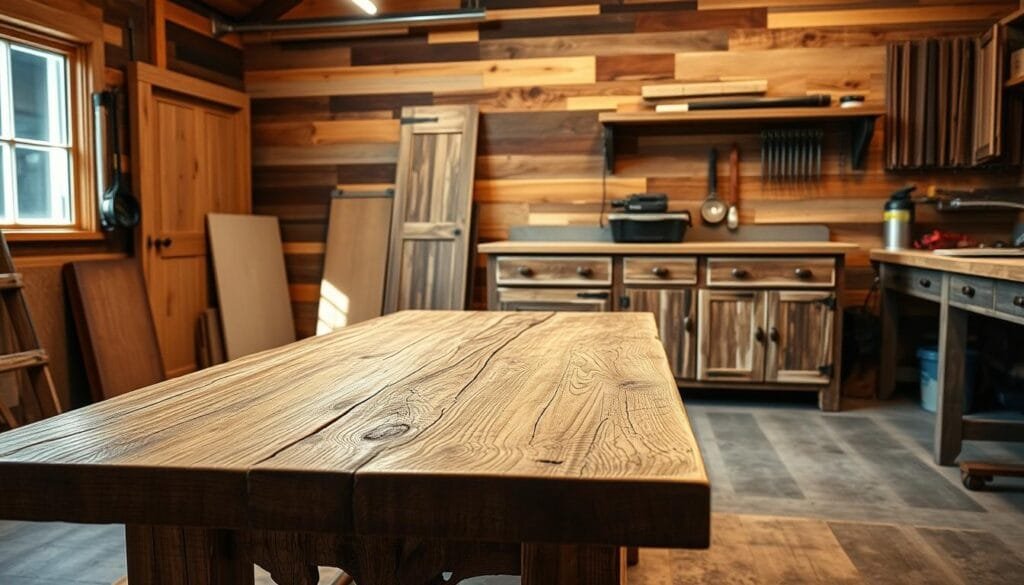
This material works beautifully for both structural and decorative jobs. You get the same proven performance as new lumber, but with unmatched character.
Versatility in Home Construction
The range of applications is truly impressive. Antique lumber is equally suited for heavy-duty beams and elegant accent walls.
It adapts to almost any need in your building plan. Think about load-bearing frames, sturdy flooring, or stylish interior details like shiplap and trim.
Builders often note that this lumber handles differently. It is typically more stable and less likely to warp because it has already seasoned fully.
Consider these popular ways to incorporate salvaged materials:
- Structural Elements: Beams, roof decking, and stair treads.
- Interior Finishes: Flooring, ceiling planks, and custom built-in shelves.
- Decorative Touches: Feature walls, furniture pieces, and kitchen islands.
The possibilities are limited only by your imagination. This approach lets you build a home that is both sustainable and highly functional.
Using Reclaimed Wood for Cabin: What to Expect
Modern rustic design achieves its best balance through careful material choice. When selecting salvaged timber, you gain both exceptional durability and seamless style integration.
Durability and Longevity
Antique lumber offers remarkable strength that often surpasses new options. These materials have already proven their resilience by surviving decades in original structures.
Properly milled and finished pieces maintain structural integrity for generations. With correct maintenance and weather protection, you can expect performance matching newly harvested timber.
The aging process provides an advantage. This lumber has completed its initial settling phase, resulting in more predictable long-term behavior.
Integrating Modern Design with Rustic Elements
Combining contemporary aesthetics with historical materials creates stunning results. The aged patina and weathered look complement clean, modern lines beautifully.
Your home can feature state-of-the-art amenities while the salvaged timber provides warmth and character. The key lies in balancing rustic elements with refined finishes.
Pair weathered beams with sleek fixtures or combine barn board accent walls with contemporary furniture. This approach creates spaces that feel both timeless and current.
Expect these materials to become conversation pieces that add authenticity. Guests will appreciate both modern comfort and historical significance in your design.
Cost Considerations: Price Point Versus Value
Budgeting for your build requires a clear-eyed look at material expenses. Many people assume salvaged materials are cheaper, but the opposite is often true.
A frame made from antique lumber can cost up to 50% more than one built with new timber. This premium reflects the intensive labor behind each board.

Investment Perspective in Reclaimed Timber
Specialized dealers charge higher rates due to the complex sourcing process. Dismantling old structures and preparing the boards is time-consuming work.
Despite the initial cost, many view this as a long-term investment. The unique character and environmental benefits add significant value.
You can find opportunities to save. Securing materials directly from a demolition site can lower costs dramatically.
DIY installation for non-structural elements like accent walls also helps manage the budget. For critical supports, always hire a professional.
| Cost Factor | Salvaged Timber | New Lumber |
|---|---|---|
| Material Price | Higher (up to 50% more) | Lower, standard market rate |
| Labor & Preparation | Extensive (de-nailing, milling) | Minimal (standard milling) |
| Long-Term Value | High (unique aesthetic, durability) | Standard |
| Potential Savings | DIY salvage, DIY installation | Bulk purchasing |
Smart planning means choosing where this material makes the biggest impact. This balances your vision with financial reality.
Preparing, Cleaning, and Finishing Techniques
Before your salvaged materials can become part of your home, they undergo a crucial transformation. This process ensures they are safe, stable, and ready to showcase their unique character.
Proper Cleaning Methods
Thorough preparation is essential. It starts with removing every nail and metal fragment. This protects tools and makes the boards safe to handle.
Dealers use various cleaning techniques. These range from chemical solutions to manual scrubbing. Steam is particularly effective for loosening deep-set grime.
After proper cleaning methods, the planks enter a kiln. This drying step eliminates moisture and any hidden insects. It prevents future warping for a stable finish.
Expert Finishing Touches
Specialists like Lindsay Birnbaum of Beam and Board share pro tips. For a flawless look on walls, she suggests painting the surface behind the wood black first.
This clever trick hides gaps between irregular pieces. It creates depth and a professional appearance. Irregular surfaces can also be planed for a smoother fit.
Once installed, maintain your feature walls with a vacuum for dust. Use a slightly damp cloth for spot cleaning to preserve the beautiful patina.
Design Inspirations for Kitchen and Living Spaces
Transform your kitchen and living areas with inspiring design concepts featuring antique materials. These spaces become the perfect canvas for expressing rustic elegance throughout your home.
Accent Walls and Custom Cabinetry Ideas
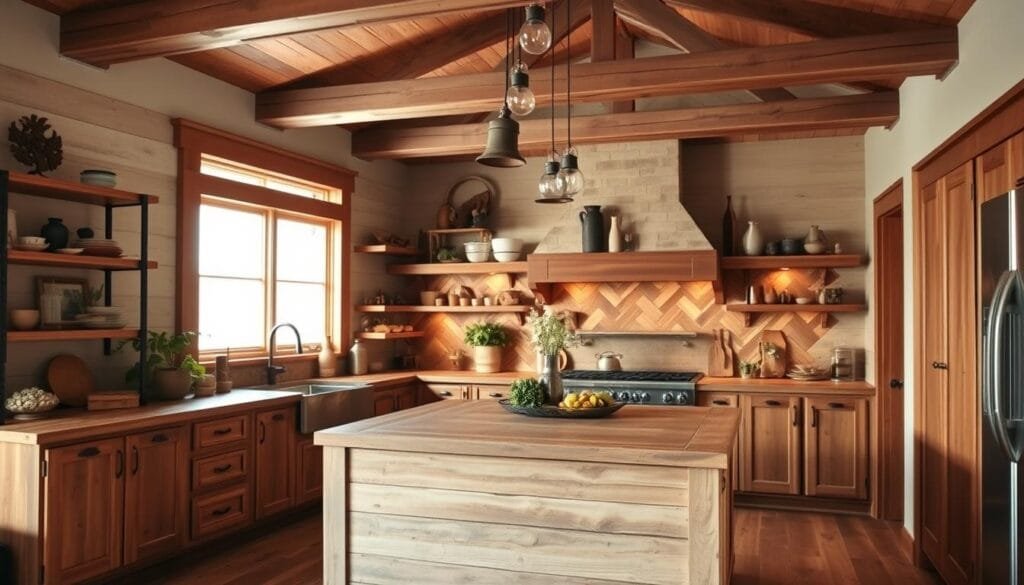
Kitchen design offers exciting opportunities for creative expression. Custom center islands made with barn wood create the ultimate farmhouse style statement. These pieces blend casual comfort with refined elegance perfectly.
Simple plank doors with iron button knobs enhance the wood’s natural character. The contrast between antique material and crisp white shiplap creates visual interest. This combination feels both fresh and timeless.
Accent wall applications transform ordinary rooms into showpieces. Vertically installed gray-toned boards create stunning backdrops in bedrooms and living spaces. They add warmth without overwhelming the room.
Creative ideas extend throughout your home. Consider entertainment centers, built-in bookcases, or walk-up bars between rooms. These elements provide both functionality and aesthetic impact.
Bedroom spaces benefit from built-in platform beds with integrated storage. Bathroom vanities with weathered doors complete the coordinating look. These design approaches work across various cabin styles.
Creative Applications Beyond Traditional Cabin Use
Ready to think outside the box with your material choices? Salvaged timber offers incredible potential for unique projects that add personality to any space.
This approach lets you infuse character into every corner of your home. It goes far beyond standard construction methods.
Custom Furniture and Decorative Pieces
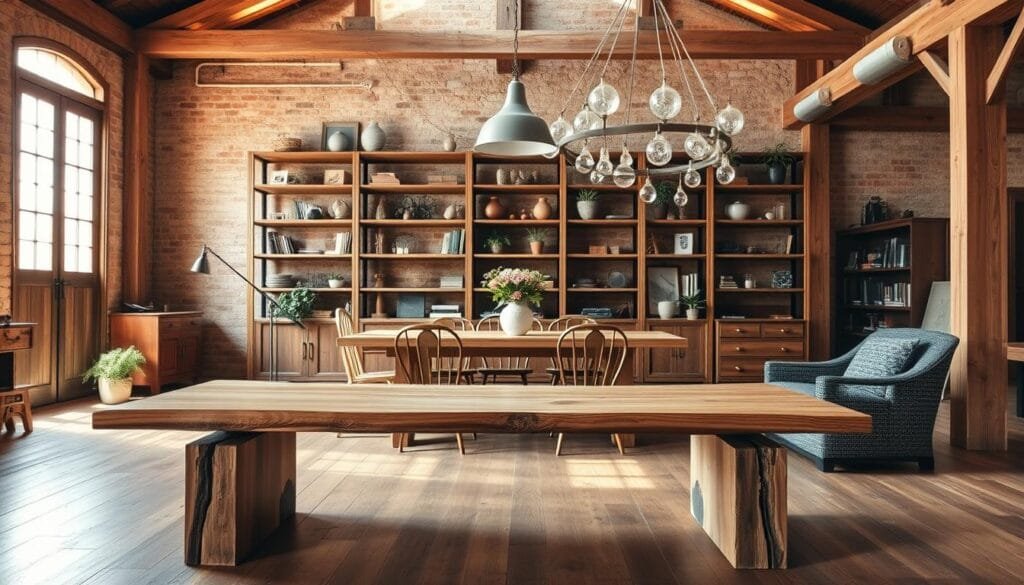
Handcrafted furniture becomes a stunning focal point. Think of sturdy tables, elegant benches, and unique bed frames.
These functional pieces showcase the beautiful imperfections of antique lumber. Shelving units and picture frames add charm throughout a room.
This is a fantastic way to incorporate character without major renovations. Even small decorative items make a significant visual impact.
Eye-Catching Beams and Accent Walls
Massive exposed beams create instant architectural drama. They add historical authenticity to vaulted ceilings in living areas.
Accent wall applications are wonderfully versatile. Vertical planks add warmth to stairwells and other stark spaces.
Mixing orientations creates dynamic visual interest. Try combining vertical barn board with horizontal shiplap for a custom look.
| Application Type | Best Room Fit | Visual Impact |
|---|---|---|
| Custom Furniture (Tables, Benches) | Living Room, Dining Space | Functional Focal Point |
| Exposed Ceiling Beams | Great Room, Kitchen | Architectural Drama |
| Mixed-Orientation Accent Wall | Stairwell, Studio | Dynamic Texture |
Smart Tips for Sourcing High-Quality Reclaimed Wood
Sourcing authentic antique timber requires careful planning and the right connections. Growing demand makes it easier to find professional outfitters specializing in character-rich materials.
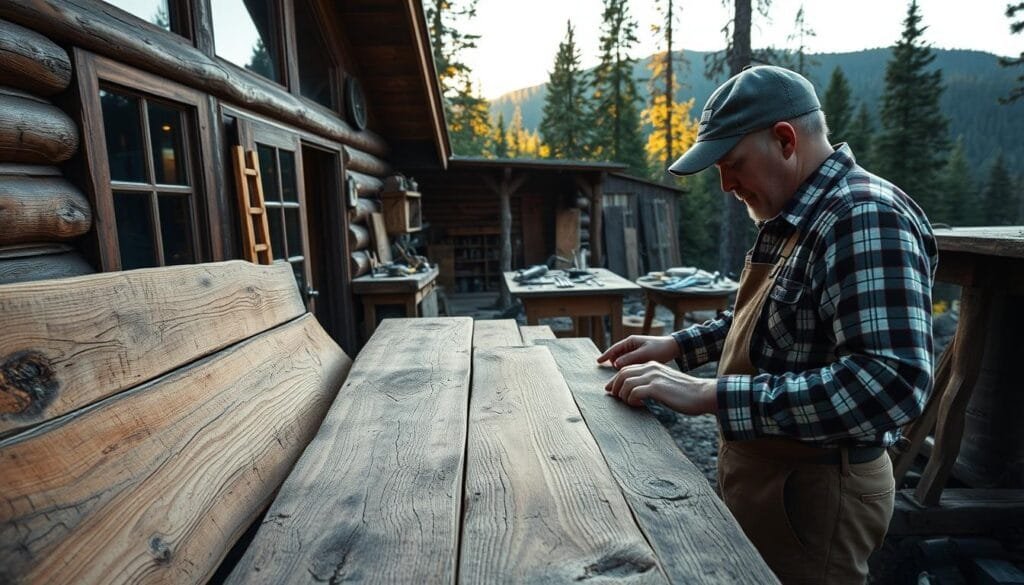
Finding quality materials starts with identifying trusted suppliers. Professional dealers offer expertly processed timber with documented origins.
Finding Trusted Suppliers and Salvage Yards
Specialized companies like Antique Beams & Boards in Ohio and Beam and Board in Wisconsin provide guaranteed preparation standards. These dealers source from historic homes, fences, and old barns.
Architectural salvage yards function as treasure troves for builders. They stock complementary vintage materials like doors and hardware.
Online marketplaces expand your options but require diligence. Always ask about rot, warping, and insect damage before purchasing.
Creative ways to source include contacting property owners with collapsing farmhouse buildings. Demolition sites offer excellent opportunities for salvaged materials.
| Source Type | Best For | Quality Level |
|---|---|---|
| Professional Dealers | Structural beams, feature walls | Premium guaranteed |
| Salvage Yards | Accent pieces, room details | High character |
| Online Marketplaces | Smaller projects, furniture | Variable quality |
| Demolition Sites | Budget-friendly building materials | Requires inspection |
Smart sourcing balances quality and budget. Mix premium timber for focal points with economical options for secondary applications. This approach maximizes impact while controlling costs.
For a comprehensive guide to buying reclaimed wood, consult expert resources before starting your project.
Safety Considerations and Expert Preparation
The unique character of historical timber comes with specific safety considerations that require expert attention. Proper handling ensures your building project is both beautiful and safe for years to come.
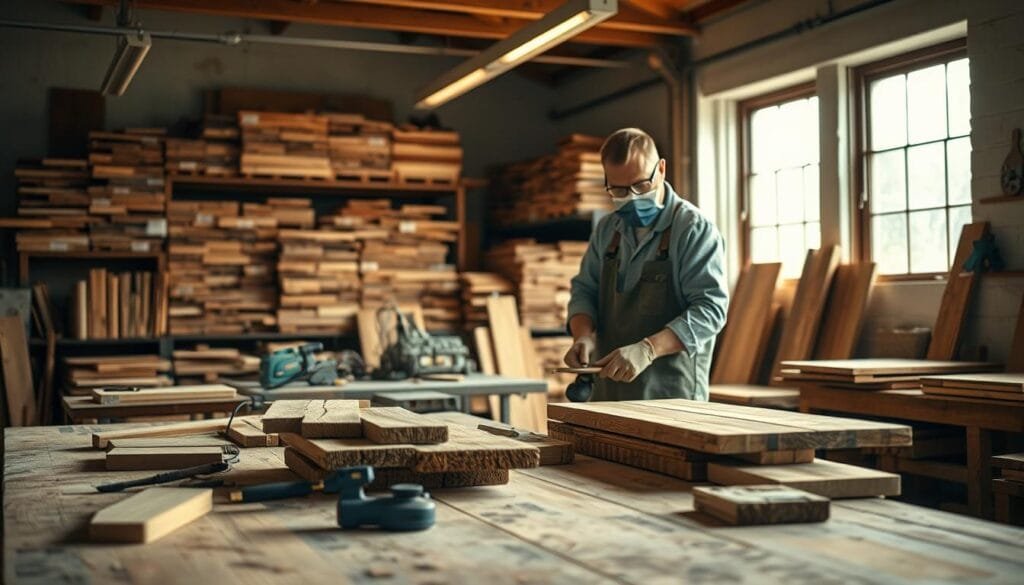
Antique lumber from old barns and houses can harbor hidden hazards. A thorough inspection is the first critical step.
Preventing Rot, Mold, and Lead Hazards
Dry rot is a common issue in these materials. As specialist Lindsay notes, some affected pieces can be sanded to blend with the texture. Others must be discarded, which is why 30-50% of salvaged wood is often considered waste.
If the timber is painted, especially from structures built before 1978, test for lead. A positive test means you should consult a hardware store expert for advice on the best encapsulating sealer for your project. Never sand lead-based paint yourself.
Mold and pests like termites also need professional treatment. Kiln drying is the most effective way to eliminate these risks before the wood enters your home.
Key hazards to address include:
- Structural Integrity: Assessing and addressing dry rot in beams and boards.
- Health Risks: Testing for and safely encapsulating lead paint.
- Contaminants: Eliminating mold and wood-boring insects through expert cleaning.
This careful preparation by experienced specialists ensures the timber is safe. It also achieves the professional look and optimal durability that makes each room featuring this material special.
Historical and Modern Perspectives on Reclaimed Timber
What began as simple resourcefulness has evolved into a sophisticated approach to architectural character. Generations ago, builders salvaged materials from abandoned structures because quality timber was too valuable to waste.
Today, this practice has transformed from economic necessity to intentional design choice. Homeowners specifically seek out antique materials for their authentic aesthetic and environmental benefits.
The Journey from Old Barns to Contemporary Cabins
This transformation represents more than physical change. It’s about preserving architectural history while giving centuries-old materials new purpose in modern living spaces.
Salvaged timber carries tangible connections to specific places and eras. Think of New England barn boards from the 1800s or massive warehouse beams from industrial buildings.
Expert designers increasingly specify antique materials for high-end projects. They recognize that weathered patina and authentic vintage character cannot be replicated with new timber.
The growing popularity has created a design movement. Successful projects inspire neighboring homes to embrace similar aesthetic approaches, as seen in the evolution of modern rustic homes.
Even communities with strict architectural standards now welcome these materials. This shift reflects broader values around sustainability and connection to heritage in contemporary building.
Final Thoughts on Embracing Rustic Charm in Your Cabin
Many homeowners discover that working with salvaged materials creates an emotional connection that new lumber cannot match. What often begins as a single accent wall or timber beam project frequently expands throughout the entire home.
The versatility of antique materials means every room can benefit from their distinctive character. From kitchen islands to living room beams and custom furniture, barn wood brings warm, vintage style to any space.
Your project becomes more than just construction—it’s a way to create environments with genuine history and personality. The farmhouse aesthetic achieves perfect expression through thoughtful use of weathered materials.
This beautiful approach combines modern comfort with timeless appeal. It transforms your cabin into a home that feels both established and uniquely yours for generations to come.