


Choosing the right office layout is a big decision for any company. It affects how your team works, collaborates, and feels every day. This guide will help you understand the key differences between modern open areas and more private, traditional setups.
For decades, many businesses favored a one-size-fits-all approach to office design. Today, we know that the best workspace depends on your unique needs. The choice isn’t just about looks. It impacts teamwork, focus, and overall productivity.
We’ll explore how each option influences your space. You’ll learn about the pros and cons of each style. This will help you create an environment that supports your company’s goals and culture.
Whether you’re planning a new build or updating an existing office, this information is crucial. A hybrid approach, blending both styles, is often the most effective solution for modern offices.
Understanding Modern Cabin Layouts
The physical environment where we work has undergone a dramatic transformation over the years. This evolution reflects a deeper change in how we think about productivity, teamwork, and well-being.
Evolution of Office and Cabin Designs
For much of the 20th century, corporate office design was rigid. Private rooms were for executives, while cubicles housed other employees. This setup created clear physical and social divisions.
The late 1990s and early 2000s saw a major shift. Tech companies and startups began championing different office layouts. They valued collaboration and transparency over hierarchy.
This movement prioritized cost-efficiency and a more dynamic workspace. It marked a significant departure from traditional arrangements.
Historical Context and Current Trends
Today, the landscape is more nuanced. Statistics show the popularity of certain arrangements; for instance, as of 2023, 49% of UK employees were based in plan offices.
Businesses now understand that one size does not fit all. Different tasks need different environments. This insight has led to the rise of hybrid spaces.
Modern planning goes beyond mere desks and chairs. It considers natural light, air quality, and ergonomic furniture. These elements were often overlooked in the past.
The goal is to create a workspace that truly supports people. For a deeper dive into creating functional and beautiful environments, explore this ultimate guide to cabin design. The best office design always depends on a company’s unique culture and needs.
Key Differences in an open vs closed cabin layout
The architectural blueprint of a workplace tells a compelling story about company culture and operational priorities. How you arrange your physical environment directly shapes how your team functions and interacts daily.
Design Structures and Spatial Arrangements
One approach eliminates barriers to create expansive shared zones. This design features flexible seating where team members occupy the same floor in various configurations.
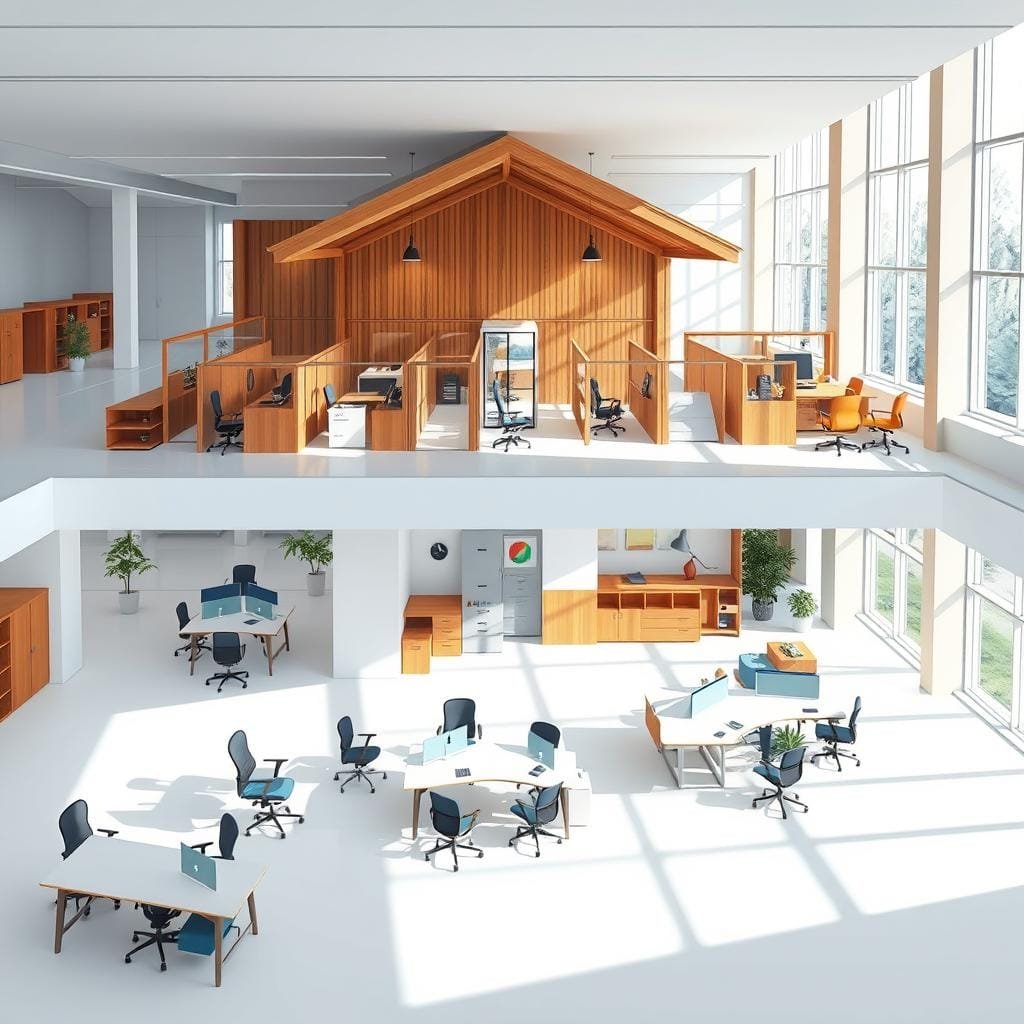
The alternative uses partitions and panels to create separate workstations. Each person gets a dedicated area enclosed by walls or cubicles for individual focus.
These structural choices determine how easily your space can adapt to changing needs. Shared desks and communal tables offer reconfiguration flexibility throughout the workday.
Impact on Privacy, Collaboration, and Functionality
Privacy considerations differ dramatically between these setups. Enclosed areas excel at providing confidential spaces for sensitive conversations and concentrated work.
Collaboration patterns are directly influenced by your chosen arrangement. Barrier-free designs naturally facilitate impromptu discussions and quick team problem-solving.
Functionality varies based on work type. Some roles benefit from frequent communication, while others require undisturbed focus. As explored in this comparison of work environments, the impact extends beyond physical comfort to psychological factors like community versus autonomy.
The right balance supports both individual productivity and team synergy. Your choice should align with your specific business needs and employee workflows.
Benefits of Open Cabin Layouts
Employee satisfaction and output often see a notable boost in thoughtfully planned, barrier-free zones. These designs offer a range of significant benefits that support modern work styles.
Enhanced Collaboration and Communication
Removing walls makes spontaneous interaction effortless. Team members can easily ask questions and share ideas.
This fluidity strengthens collaboration and speeds up communication. It helps build a strong sense of community among employees.
Flexibility, Natural Light, and Employee Well-Being
These spaces provide great flexibility. You can create different areas for focused work or group projects.
Abundant natural light and better air flow improve the environment. This directly supports employee health and boosts productivity.
| Benefit Category | Impact on Employees | Impact on Business |
|---|---|---|
| Collaboration & Communication | Faster problem-solving, stronger team bonds | Increased innovation, knowledge sharing |
| Flexibility & Seating Options | Choice of environment for different tasks | Easily adapts to changing team sizes and needs |
| Well-being & Environment | Improved mood, reduced stress, higher energy | Lower absenteeism, greater overall productivity |
For many businesses, these benefits create a more dynamic and effective workspace. The right setup empowers your team to do their best work.
Advantages and Drawbacks of Closed Cabin Designs
Partitioned workspaces offer unique benefits that cater to specific employee needs and work styles. These arrangements create distinct environments that support different types of professional activities.
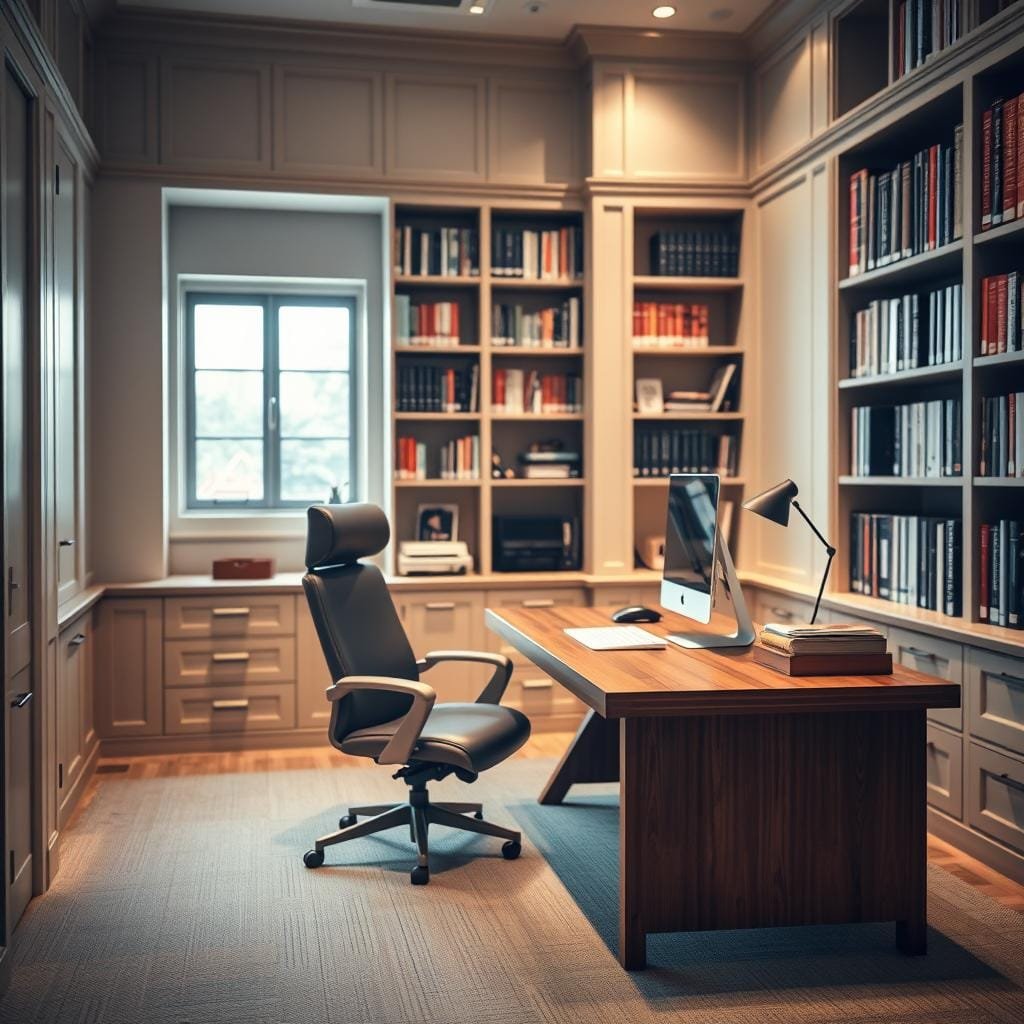
Understanding the pros and cons of these designs helps businesses make informed decisions about their office planning systems.
Greater Privacy and Focus for Employees
Separated work areas provide excellent privacy for concentrated tasks. Employees can immerse themselves in complex projects without constant interruptions.
The quiet environment supports deep focused work and enhances individual productivity. This setup minimizes noise and visual distractions that can disrupt concentration.
Many individuals thrive in these controlled settings. They appreciate the personal territory that cubicles and enclosed spaces provide.
Potential Limitations for Team Interaction
Physical barriers can hinder spontaneous collaboration among team members. The separation makes quick conversations and informal knowledge sharing more challenging.
New employees may find it difficult to integrate into company culture. The limited visibility of team activities reduces opportunities for organic learning.
These arrangements also tend to be less flexible than other office layouts. Adapting the space to changing business needs requires significant effort and expense.
Balancing Functionality with Aesthetic Appeal
A truly effective office environment goes beyond basic functionality to become a strategic asset. It supports both daily work and employee well-being through thoughtful design.
The best workspace arrangements create a positive atmosphere. They make people feel comfortable and valued while they complete their tasks.
Integrating Modern Design Trends into Office Layouts
Today’s top office layouts often use a hybrid approach. This creates distinct areas for different activities within one space.
You might have open desks for teams that collaborate often. Quiet rooms provide solitude for focused tasks. Private meeting rooms handle confidential discussions.
This zoning creates a multifunctional environment. It accommodates diverse work styles and changing business needs.
Adapting Spaces to Diverse Business Needs
Customization is key for modern offices. Your company can reflect its identity through color schemes, artwork, and furniture.
High ceilings and natural light create an airy sense of spaciousness. Premium materials like wood and glass add visual appeal.
The right design balances beauty with practical flexibility. Movable partitions and adjustable seating help spaces evolve as your business grows.
This approach ensures your office layout meets both current and future needs effectively.
Final Reflections on Choosing the Ideal Cabin Layout
The ultimate decision about your company’s physical setup should reflect your unique organizational DNA. Rather than chasing trends, focus on what truly supports your business operations and employee effectiveness. This choice impacts daily work and long-term success.
Both approaches offer distinct benefits. One promotes collaboration and spontaneous communication, while the other supports deep focus and privacy. The best solution often blends these elements to serve diverse needs.
Consider your industry requirements and how your teams actually operate. A flexible environment that accommodates different work styles typically delivers the strongest results. Your final choice should create a workspace where people can thrive individually and collectively.