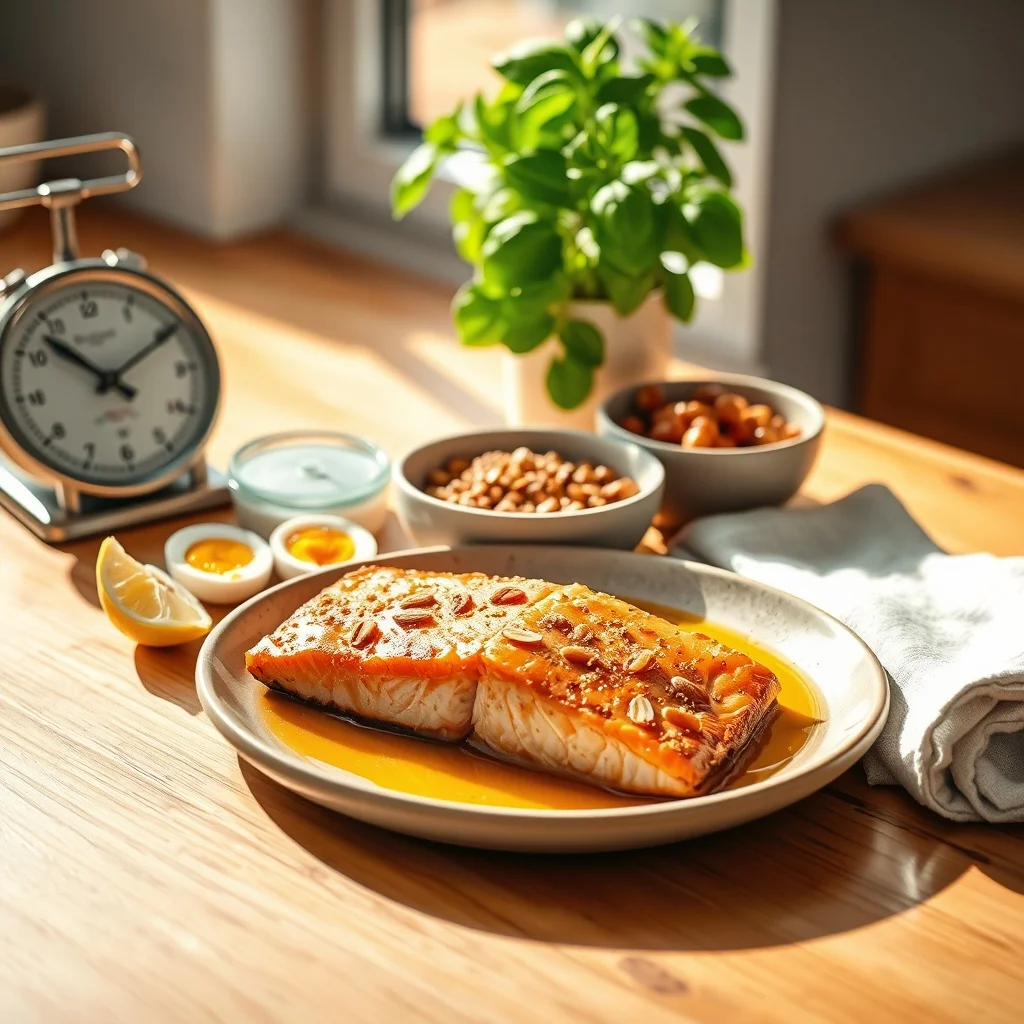
In the quest for effective weight management, the role of nutrition cannot be overstated. Among the myriad dietary strategies available, one approach that has gained significant traction is the incorporation of high protein foods for weight loss. These foods not only support muscle preservation during weight loss but also enhance feelings of fullness, making it easier to stick to a reduced-calorie diet. As more individuals seek to shed excess pounds and improve their overall health, understanding the importance of protein becomes paramount.
This guide aims to illuminate the world of high protein foods, helping you make informed choices that align with your weight loss goals. By exploring the benefits of protein, identifying top food sources, and providing actionable meal planning strategies, we will empower you to embrace a diet that promotes both satiety and satisfaction. Whether you’re a seasoned fitness enthusiast or a newcomer to healthy eating, this comprehensive resource is designed to enhance your understanding and application of high protein foods in your daily routine.
Join us as we delve into the various aspects of high protein diets, uncovering how they can be a game changer in your weight loss journey. With each section, you’ll discover not only the science behind protein but also practical tips for incorporating it seamlessly into your meals, ensuring that you can enjoy delicious and nutritious options as you work towards your health objectives.
Understanding High Protein Foods
What Are High Protein Foods?
High protein foods are those that contain a significant amount of protein per serving compared to other macronutrients such as carbohydrates and fats. Protein is a crucial macronutrient that plays an essential role in building and repairing tissues, producing enzymes and hormones, and supporting immune function. Foods that are classified as high in protein typically contain at least 20 grams of protein per serving. Common high protein foods include lean meats, poultry, fish, eggs, dairy products, legumes, nuts, and certain grains.
When you consume high protein foods, your body utilizes the protein to create and repair muscle tissue, which is particularly important during weight loss as it helps to maintain lean muscle mass. Additionally, protein has a higher thermic effect compared to fats and carbohydrates, meaning that your body burns more calories digesting and metabolizing protein. This quality makes high protein foods not only beneficial for weight management but also essential for overall health and vitality.
Benefits of High Protein Foods for Weight Loss
Incorporating high protein foods into your diet offers numerous benefits that can aid in weight loss. Firstly, protein enhances satiety, which means it helps you feel fuller for longer periods. This can lead to reduced overall calorie intake, making it easier to create the necessary caloric deficit for weight loss. A study published in the American Journal of Clinical Nutrition found that individuals who consumed higher amounts of protein reported increased feelings of fullness and reduced hunger levels.
Secondly, high protein foods can play a pivotal role in preserving lean muscle mass during weight loss. When you lose weight, it’s common to lose both fat and muscle; however, a diet rich in protein can help mitigate muscle loss, ensuring that the bulk of weight lost comes from fat stores rather than muscle tissue. This is crucial because maintaining muscle mass not only supports metabolic health but also enhances physical performance.
Moreover, high protein diets can boost your metabolism. As mentioned earlier, the thermic effect of food (TEF) is higher for protein than for other macronutrients, meaning your body expends more energy digesting and processing protein-rich meals. This can contribute to an increased overall calorie expenditure, further supporting weight loss efforts.
The benefits of high protein foods extend beyond just weight loss. They also support muscle recovery after exercise, improve body composition, and contribute to better overall health by providing essential nutrients. As such, understanding and integrating high protein options into your meals can be a significant step toward achieving your weight loss goals.
Top High Protein Foods to Incorporate
Lean Meats and Poultry
When it comes to high protein foods, lean meats and poultry are among the top choices. Chicken breast, turkey, and lean cuts of beef or pork are excellent sources of protein that are low in fat. For instance, a 3-ounce serving of skinless chicken breast contains approximately 26 grams of protein with minimal saturated fat. These meats are versatile and can be grilled, baked, or sautéed, making them easy to incorporate into various dishes.
Choosing lean cuts not only helps in reducing overall calorie intake but also provides essential nutrients like iron and B vitamins that support energy metabolism. Including a variety of lean meats in your diet can keep meals interesting while ensuring you meet your protein needs effectively.
Fish and Seafood
Fish and seafood are also outstanding sources of high protein, often rich in omega-3 fatty acids, which offer additional health benefits. Salmon, tuna, and shrimp are particularly high in protein, with a 3-ounce serving of salmon providing about 22 grams of protein along with heart-healthy fats. Incorporating fish into your diet not only helps with weight loss but also supports cardiovascular health.
Moreover, fish can be prepared in numerous ways, from grilling to baking, and can be easily added to salads, wraps, or served with vegetables for a balanced meal. Regular consumption of fish is linked to improved metabolic rates and reduced inflammation, making it a smart choice for anyone looking to enhance their diet.
Plant-Based Protein Sources
For those following a vegetarian or vegan lifestyle, there are plenty of plant-based protein sources that can contribute significantly to your daily intake. Foods such as lentils, chickpeas, quinoa, and edamame are all rich in protein, providing essential amino acids while also being high in fiber. For example, a cup of cooked lentils contains around 18 grams of protein and is also a great source of dietary fiber, which can aid in digestion and increase satiety.
Incorporating a variety of these plant-based proteins not only helps meet protein needs but also introduces diverse flavors and textures to meals. Nuts and seeds, such as almonds, chia seeds, and hemp seeds, are also great sources of protein and healthy fats, making them ideal for snacking or as toppings for meals.
By understanding and utilizing these high protein foods, you can create a balanced diet that supports weight loss while still being satisfying and enjoyable. Embracing a variety of protein sources ensures that you receive a broad spectrum of nutrients, which is essential for maintaining overall health during your weight loss journey.
How High Protein Foods Aid Weight Loss
Mechanism of Protein in Weight Management
The role of protein in weight management is multifaceted and significant. When consumed, protein undergoes a series of metabolic processes that are crucial for maintaining energy balance and managing weight. One of the primary mechanisms is the thermic effect of food (TEF), which refers to the energy expended during the digestion, absorption, and metabolism of nutrients. Protein boasts a higher thermic effect compared to carbohydrates and fats, meaning that your body burns more calories breaking down protein-rich foods. This can lead to an increase in overall daily energy expenditure.
Moreover, protein plays a vital role in preserving lean muscle mass during weight loss. When people lose weight, they often lose both fat and muscle. However, a high protein intake can help mitigate muscle loss, ensuring that most of the weight lost comes from fat. This is particularly important because muscle tissue is metabolically active, meaning it burns more calories at rest compared to fat tissue. By maintaining muscle mass through a high-protein diet, you can enhance your basal metabolic rate (BMR), which contributes to weight loss and weight maintenance over time.
Impact on Satiety and Metabolism
Another critical aspect of high protein foods is their impact on satiety. Studies have shown that protein-rich meals significantly increase feelings of fullness compared to meals high in carbohydrates or fats. This is largely due to protein’s effect on the hormones that regulate hunger, including ghrelin and peptide YY. By reducing levels of ghrelin (the hunger hormone) and increasing levels of peptide YY (which promotes feelings of fullness), protein can help control appetite and reduce overall calorie intake.
Additionally, high protein diets are associated with improved metabolic health. Protein consumption can help stabilize blood sugar levels, which aids in preventing spikes and crashes that can lead to increased hunger. This stabilization is especially beneficial for individuals trying to manage their weight, as it allows for more consistent energy levels throughout the day. As a result, incorporating high protein foods into your meals not only supports weight loss but also enhances overall health by promoting a balanced metabolism.
Creating a High Protein Meal Plan
Sample Meal Plan for a Week
Creating a high protein meal plan can be an effective strategy to ensure you meet your protein needs while also enjoying delicious meals. Below is a sample meal plan for a week that emphasizes high protein foods for weight loss:
Monday
– Breakfast: Greek yogurt with berries and a sprinkle of chia seeds
– Lunch: Grilled chicken salad with mixed greens and quinoa
– Dinner: Baked salmon with steamed broccoli and brown rice
– Snack: Hard-boiled eggs
Tuesday
– Breakfast: Scrambled eggs with spinach and whole grain toast
– Lunch: Turkey wrap with hummus and vegetables
– Dinner: Stir-fried tofu with mixed vegetables and soba noodles
– Snack: Cottage cheese with pineapple
Wednesday
– Breakfast: Protein smoothie with banana, protein powder, and almond milk
– Lunch: Lentil soup with a side of whole grain bread
– Dinner: Grilled shrimp tacos with cabbage slaw
– Snack: Edamame
Thursday
– Breakfast: Oatmeal topped with almond butter and flaxseeds
– Lunch: Quinoa salad with black beans, corn, and avocado
– Dinner: Baked chicken thighs with roasted sweet potatoes
– Snack: Greek yogurt with honey
Friday
– Breakfast: Chia pudding made with almond milk and topped with berries
– Lunch: Tuna salad with mixed greens and olive oil dressing
– Dinner: Beef stir-fry with bell peppers and brown rice
– Snack: Almonds
Saturday
– Breakfast: Omelet with mushrooms, tomatoes, and feta cheese
– Lunch: Chickpea salad with cucumbers and tahini dressing
– Dinner: Grilled swordfish with asparagus and quinoa
– Snack: Protein bar
Sunday
– Breakfast: Smoothie bowl with spinach, protein powder, and topped with nuts
– Lunch: Chicken caesar salad with a protein-rich dressing
– Dinner: Vegetable curry with lentils and brown rice
– Snack: Celery sticks with peanut butter
Tips for Meal Prep and Planning
Meal prepping is an essential component of successfully adhering to a high protein diet. Here are some tips to streamline your meal prep process:
Plan Ahead: Dedicate some time each week to plan your meals. This will help you ensure that you have all the ingredients on hand and can avoid last-minute unhealthy choices.
Batch Cooking: Prepare large batches of high protein foods, such as grilled chicken, quinoa, or beans, and store them in portion-sized containers. This makes it easy to grab and use in meals throughout the week.
Versatile Ingredients: Choose versatile ingredients that can be used in multiple dishes. For example, grilled chicken can be used in salads, wraps, or stir-fries, making it easier to mix and match meals.
Snack Preparation: Prepare healthy high protein snacks in advance, such as hard-boiled eggs, yogurt, or veggie sticks with hummus. Having snacks ready will help curb hunger and keep you on track with your protein goals.
Use Freezer-Friendly Options: Consider freezing portions of cooked proteins or meals for later use. This not only saves time but also helps reduce food waste.
By organizing your meal planning and prepping efforts, you can effortlessly incorporate high protein foods into your diet, making weight loss more achievable and enjoyable.
High Protein Snacks for Weight Loss
Quick and Easy Snack Ideas
Snacking can play a critical role in maintaining energy levels and curbing hunger between meals. Here are some quick and easy high protein snack ideas to incorporate into your diet:
Greek Yogurt: A single serving contains around 15-20 grams of protein. Add some nuts or fruit for extra flavor and nutrition.
Cottage Cheese: High in protein and versatile, cottage cheese can be enjoyed plain or mixed with fruit, seeds, or spices.
Jerky: Beef, turkey, or chicken jerky provides a convenient, high protein snack that can be easily packed for on-the-go.
Hard-Boiled Eggs: Easy to prepare in advance, hard-boiled eggs offer about 6 grams of protein each and are perfect for a quick snack.
Protein Bars: Look for bars that are low in sugar but high in protein, offering around 10-20 grams per serving.
Nut Butter on Rice Cakes: Spread almond or peanut butter on rice cakes for a crunchy snack that combines healthy fats and protein.
Edamame: These young soybeans are rich in protein and fiber, making them a satisfying and nutritious snack option.
Importance of Healthy Snacking
Healthy snacking is vital in a high protein diet for several reasons. First, it helps maintain energy levels throughout the day, preventing fatigue and irritability that can occur with long gaps between meals. Second, well-planned snacks can enhance satiety, helping to manage hunger and prevent overeating at mealtimes.
Incorporating high protein snacks can also help stabilize blood sugar levels, preventing spikes and crashes that lead to cravings for unhealthy options. This is important for weight management, as it allows you to make more mindful food choices throughout the day.
Lastly, healthy snacking can contribute to your overall protein intake, ensuring that you meet your dietary needs without feeling deprived. By integrating high protein snacks into your daily routine, you can enjoy a sustainable approach to eating that supports both your weight loss goals and overall health.
Common Myths About High Protein Diets
Debunking Misconceptions
Many people believe that high protein diets are only suitable for bodybuilders or athletes, but this is far from the truth. A balanced diet rich in protein can benefit anyone looking to improve their health and manage their weight.
There are several common myths surrounding high protein diets that can deter individuals from embracing the benefits of these foods. One prevalent misconception is that high protein diets lead to kidney damage. While it’s true that individuals with pre-existing kidney conditions should monitor their protein intake, research shows that healthy individuals can safely consume higher levels of protein without adverse effects on kidney function. In fact, a study published in the Journal of the American Society of Nephrology found no significant harm to kidney function from high protein diets in those without pre-existing kidney disease.
Another myth suggests that consuming too much protein will lead to excessive fat gain. However, weight gain occurs when there is a sustained caloric surplus, regardless of macronutrient sources. As long as you maintain a balanced diet and consume protein in moderation, it can support weight loss and muscle maintenance effectively.
Some people also think that high protein diets lack variety and are boring. On the contrary, high protein foods come from diverse sources, including lean meats, fish, dairy, legumes, nuts, and whole grains, which can create exciting and flavorful meals.
Understanding Protein Needs
Determining the right amount of protein for your needs is essential for maximizing the benefits of a high protein diet. The Recommended Dietary Allowance (RDA) for protein is approximately 0.8 grams per kilogram of body weight for the average adult. However, those engaged in regular physical activity, especially strength training, may benefit from higher protein intake, ranging from 1.2 to 2.0 grams per kilogram of body weight.
It’s crucial to distribute protein intake throughout the day to optimize muscle protein synthesis. Including a source of protein in each meal and snack can help you achieve this goal while enhancing satiety and maintaining energy levels. By understanding your individual protein requirements and debunking common myths, you can make informed dietary choices that align with your weight loss objectives.
Creative Ways to Incorporate High Protein Foods into Meals
While we’ve covered the basics of high protein snacks and debunked some myths about protein intake, let’s dive deeper into how you can creatively incorporate high protein foods into your meals. By adding protein-rich ingredients to your favorite recipes, you can enhance both the nutritional value and the satisfaction of your meals.
1. Breakfast Boosts
Start your day with a protein-packed breakfast that can set the tone for healthy eating throughout the day. Here are a few ideas:
Protein Pancakes: Use protein powder in your pancake mix. Blend oats, eggs, and your choice of protein powder to create a nutritious batter. Top with Greek yogurt and berries for added protein and flavor.
Smoothie Bowls: Blend a mix of spinach, banana, and protein powder or Greek yogurt and pour it into a bowl. Top with nuts, seeds, and granola for a delightful crunch.
Chia Seed Pudding: Mix chia seeds with almond milk and let it sit overnight. This can serve as a high-protein breakfast option when topped with nuts or fruit. Chia seeds pack about 5 grams of protein per ounce.
2. Lunch Enhancements
Make lunchtime more satisfying with high-protein options that keep you full and energized:
Quinoa Salads: Quinoa is a complete protein, containing all nine essential amino acids. Mix cooked quinoa with black beans, corn, diced peppers, and a lime vinaigrette for a hearty salad.
High-Protein Wraps: Use whole grain or high-protein wraps and fill them with turkey, hummus, spinach, and avocado. This combination provides a great balance of protein, healthy fats, and fiber.
Bean-Based Soups: Lentil and chickpea soups are not only comforting but also rich in protein. A cup of cooked lentils contains about 18 grams of protein and makes for a filling lunch option.
3. Dinner Delights
For dinner, focus on creating balanced meals that highlight protein sources:
Stir-Fries: Incorporate lean meats like chicken or shrimp with a variety of colorful vegetables and a protein-rich sauce made from soy sauce, peanut butter, or tahini. Serve it over brown rice or quinoa for an extra protein boost.
Stuffed Peppers: Fill bell peppers with a mixture of ground turkey, brown rice, black beans, and spices for a nutritious and protein-rich meal. Baking these peppers can create a deliciously satisfying dish.
Baked Fish: Fish like salmon or tilapia is high in protein and omega-3 fatty acids. Bake with lemon juice, garlic, and herbs for a simple, elegant dinner option. A 3-ounce portion of salmon contains approximately 22 grams of protein.
4. Dessert Options
Yes, you can even indulge in high-protein desserts! Here are some ideas to satisfy your sweet tooth without compromising your health goals:
Protein Brownies: Use black beans or chickpeas blended into a brownie mix for added protein and fiber. These can be a delicious treat that doesn’t feel like a sacrifice.
Greek Yogurt Parfaits: Layer Greek yogurt with granola and your choice of fruit for a satisfying dessert. With around 20 grams of protein per serving of yogurt, it’s a guilt-free way to end your day.
Peanut Butter Protein Balls: Mix natural peanut butter, oats, honey, and protein powder. Roll into bite-sized balls and refrigerate for a quick, sweet, high-protein snack.
5. Planning and Preparation Tips
To make incorporating high-protein foods into your meals easier, consider these planning and preparation strategies:
Meal Kits: Consider subscribing to a meal kit service that focuses on high-protein options. This can save you time and introduce you to new recipes.
Incorporate Protein in Every Meal: Challenge yourself to include a source of protein in every meal and snack. This could be as simple as adding a scoop of protein powder to your morning smoothie or including a hard-boiled egg in your salad.
Experiment with Plant-Based Proteins: If you’re looking to reduce meat consumption, explore plant-based protein sources like tempeh, tofu, and seitan. These can be marinated and incorporated into a variety of dishes.
Conclusion
Incorporating high-protein foods into your diet doesn’t have to be complicated or monotonous. With a bit of creativity and planning, you can enjoy a diverse array of meals that not only support your weight loss goals but also elevate your overall health. By understanding the importance of protein, debunking common myths, and exploring inventive ways to incorporate protein into your meals, you empower yourself to make lasting changes to your eating habits. Embrace these high-protein strategies and watch as they transform not just your diet, but your approach to a healthier lifestyle.
Conclusion
Incorporating high protein foods into your diet is a powerful strategy for effective weight loss and improved overall health. By understanding the benefits of protein, debunking myths, and recognizing your unique protein needs, you can make informed decisions that align with your health goals. A high protein diet not only enhances feelings of fullness and reduces cravings but also helps preserve lean muscle mass, which is critical during weight loss.
As you embark on your journey to a healthier lifestyle, remember that variety is key. With numerous high protein options available, from lean meats to plant-based sources, you can enjoy diverse and satisfying meals while reaching your weight loss goals. Embrace the power of high protein foods and watch as they transform not only your diet but your approach to health and wellness.