
Building a log home is a big dream. Your choice of materials is more than just a style decision. It shapes how comfortable, efficient, and durable your retreat will be for years to come.
Different species offer unique benefits. Durability, cost, and thermal performance all depend on the type of wood you select. Families often look for a smart balance between their budget and long-term upkeep.
At places like Tar River Log Homes, Eastern White Pine is a popular, reliable choice. It’s often kiln-dried for stability and offers great value. Understanding these options helps you build a home that stands the test of time.
This guide will walk you through the key factors. We’ll explore how your selection impacts energy efficiency and maintenance. You can learn more about specific species like pine and cedar in our detailed resource.
Understanding Cabin Insulation and Wood Options
Your material decisions will impact comfort and efficiency for decades. The right selection creates a cozy environment while managing energy costs effectively.
Why Wood Is a Popular Choice
Timber has been a favorite building material for generations. It provides natural thermal properties that help maintain consistent indoor temperatures.
This organic material offers both structural strength and aesthetic appeal. Many homeowners appreciate how it creates a warm, inviting atmosphere.
Comparing Softwoods and Hardwoods
The main division in timber types comes down to softwoods versus hardwoods. Each category brings distinct advantages to construction projects.
| Feature | Softwoods | Hardwoods |
|---|---|---|
| Common Examples | Pine, Cedar, Spruce | Oak, Hickory, Maple |
| Workability | Easier to cut and shape | More challenging to mill |
| Cost Factor | Generally more affordable | Typically higher priced |
| Durability | Good resistance to elements | Excellent longevity |
| Thermal Performance | Solid insulation qualities | Denser, slower heat transfer |
Most construction projects favor softwoods for their balance of performance and practicality. They deliver reliable thermal characteristics without complicating the building process.
Understanding these differences helps you make informed choices. You can explore detailed insulation methods for timber structures to complement your material selection.
Key Factors in Selecting Wood for a Log Cabin
The resilience of your woodland home depends heavily on how well your chosen materials handle nature’s elements. Beyond appearance, practical considerations like durability and moisture management play crucial roles in your structure’s longevity.
Durability and Weather Resistance
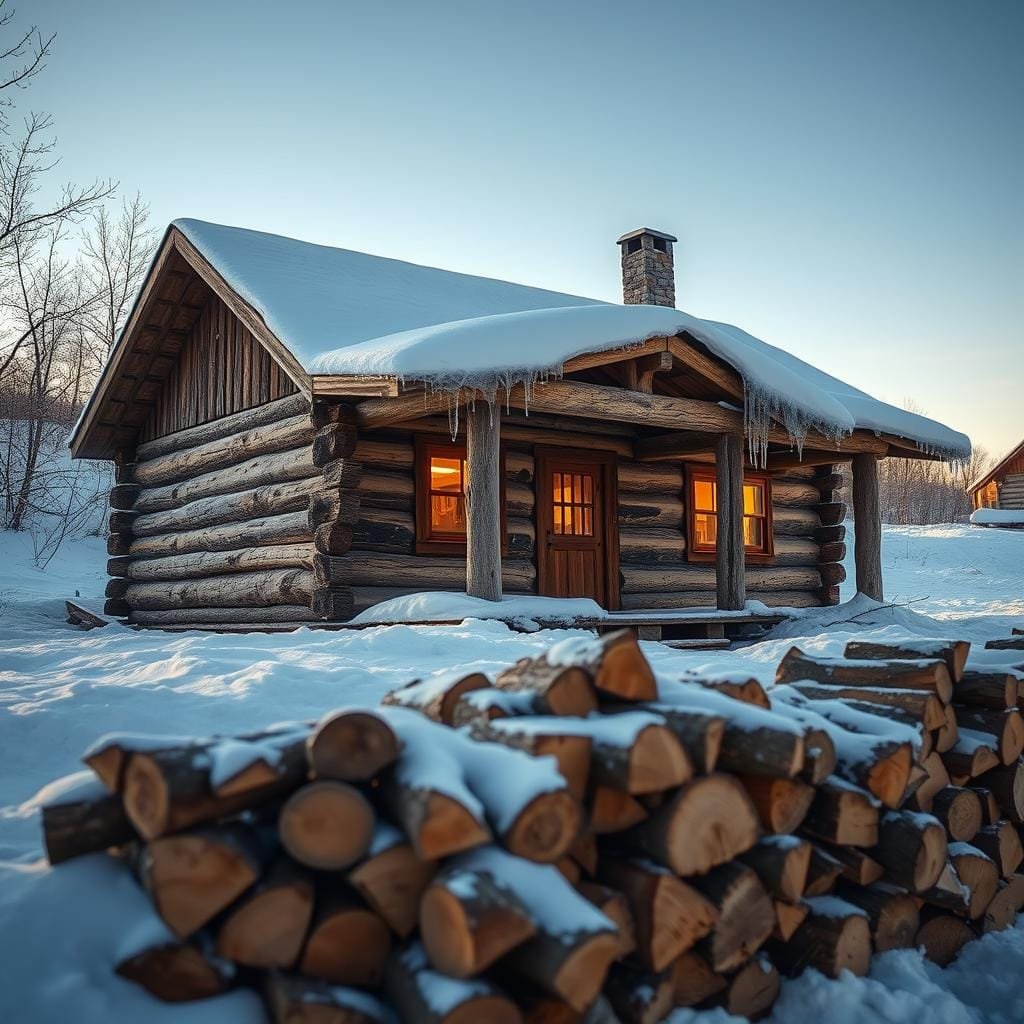
Different timber species offer varying levels of protection against environmental challenges. Some varieties naturally resist rot and decay, while others require additional treatments.
Your cabin needs to withstand rain, snow, and UV exposure year after year. Choosing weather-resistant materials ensures your retreat remains solid through seasonal shifts.
Moisture Control and Shrinkage Prevention
Moisture content significantly impacts stability. The Department of Energy notes that properly dried logs reduce energy loss compared to green alternatives.
Shrinkage becomes a major concern with high-moisture materials. As wood dries, it contracts, potentially creating gaps that compromise insulation. Kiln-dried options minimize this shrinkage, helping walls stay tight.
Green timber might seem economical initially, but it settles significantly after construction. This settling can lead to warping or leaks over time. Most professionals recommend seasoned materials for trouble-free building.
Understanding these factors helps ensure your wood log cabins remain comfortable and low-maintenance for years. Proper selection means your retreat cabin stays cozy through all seasons.
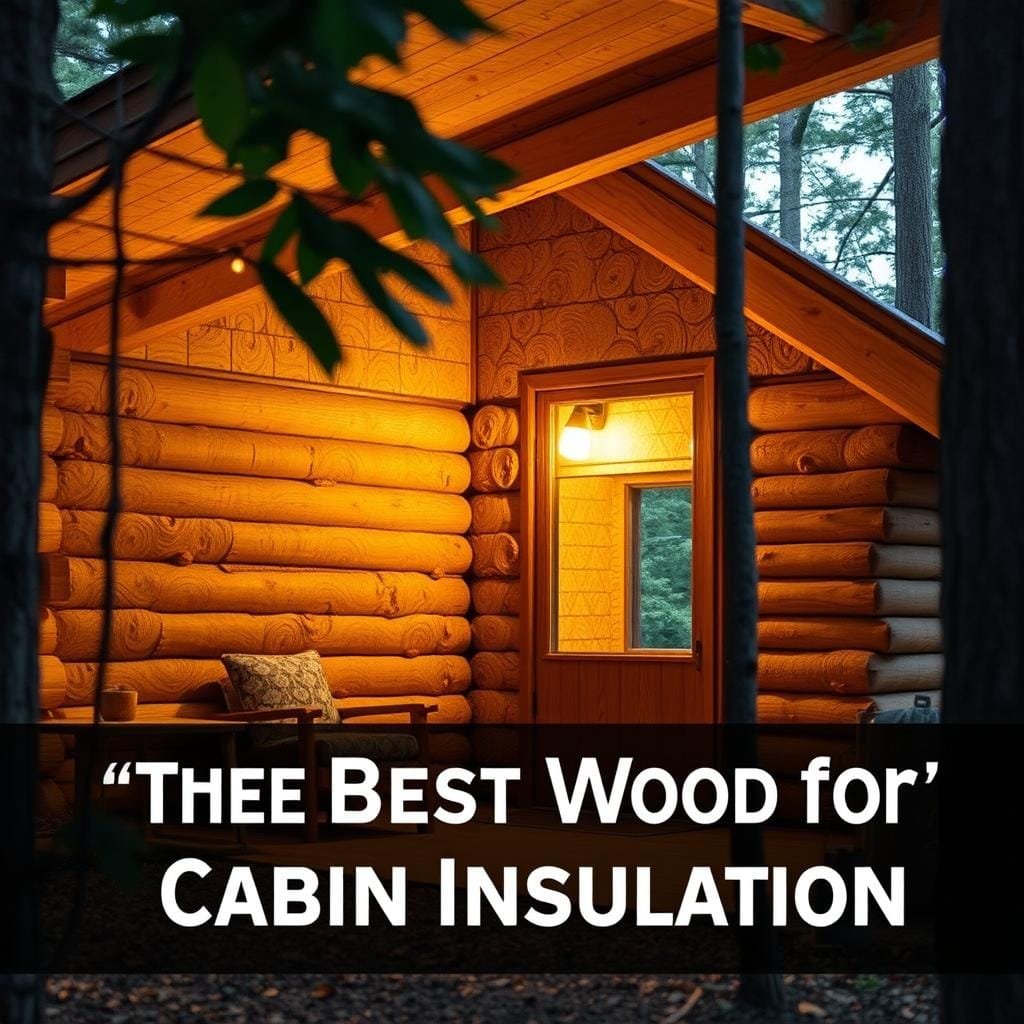
Best Wood for Cabin Insulation: Making the Right Choice
Selecting the ideal timber for your retreat involves balancing several practical considerations. Your decision impacts how cozy your space feels during winter chills and summer heat.
Several factors guide this important choice. Consider how well the material handles moisture and weather exposure. Your local climate plays a huge role in determining the right type wood for your project.
Popular options like Eastern White Pine, cedar, and Douglas fir each bring unique advantages. Some species naturally resist decay better than others. Your maintenance preferences will influence your final choice wood.
Research shows kiln-dried log materials outperform green alternatives. They offer better durability and energy savings from the start. This processing method helps prevent shrinkage issues over time.
The right selection keeps your cabin comfortable year-round. It also reduces energy costs and minimizes repair needs. Your wood selection should match both your budget and long-term vision.
Remember that proper insulation depends on more than just the log species. How the material is prepared matters just as much as which wood you choose.
Evaluating Wood Species: Pine, Cedar, Douglas Fir, and Beyond
The selection process for your retreat’s construction materials often comes down to a few key species that dominate the market. Each brings unique qualities to the table, making them suitable for different priorities and budgets.
Characteristics of Eastern White Pine
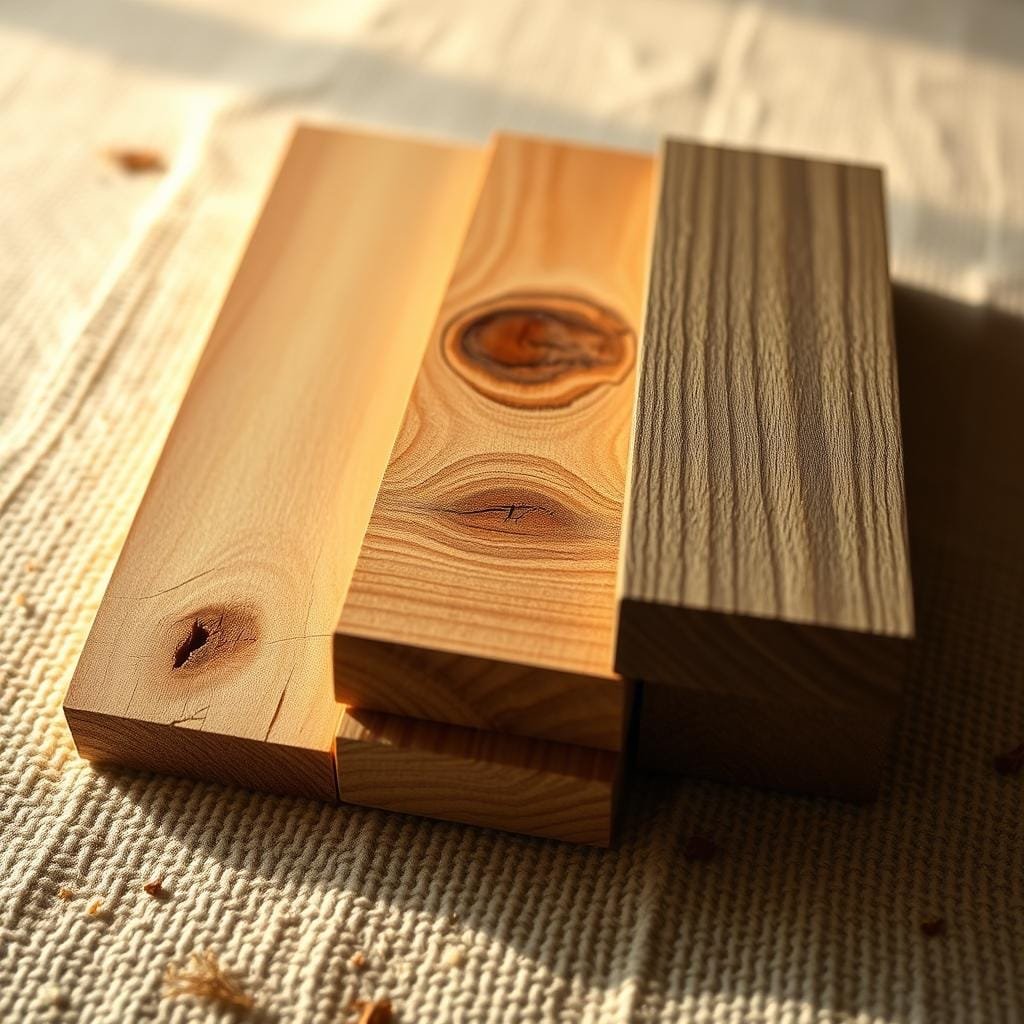
Eastern White Pine serves as the workhorse of residential construction. This species offers excellent affordability and easy workability. Its lightweight nature makes handling simpler during building.
Pine also accepts stains and finishes beautifully. This allows for custom looks that match your vision. While softer than some alternatives, proper sealing ensures good resistance to decay and insects.
Kiln-dried pine logs minimize cracking and shrinking concerns. Red pine (Norway pine) represents a particularly popular choice. Its straight grain provides structural stability at an economical price point.
The Benefits of Cedar for Moisture Resistance
Cedar stands out for its natural ability to handle moisture challenges. The wood contains oils that act as built-in preservatives. This means less chemical treatment is needed over time.
This species thrives in damp or unpredictable climates. It demonstrates minimal shrinking and swelling compared to other options. Cedar’s rich color and distinctive aroma add character to any structure.
While priced higher initially, cedar’s low maintenance requirements offer long-term value. Its natural insulation properties contribute to energy efficiency in your living space.
Insulation Performance and Energy Efficiency in Wood Construction
The true comfort of your getaway isn’t just about looks; it’s deeply connected to the thermal performance of the walls. Two key concepts, R-value and thermal mass, explain how your retreat maintains a pleasant environment.
Understanding R-Values and Thermal Mass
R-value measures how well a material resists heat flow. A higher number means better insulation. For instance, cedar offers about R-1.5 per inch, while pine is around R-1.3.
Thermal mass is different. It’s the ability of a thick log wall to absorb and slowly release heat. This helps maintain an even temperature inside, so your place stays comfortable longer.
However, these features work together. High thermal mass stabilizes the indoor climate, but a good R-value is needed to prevent that stored heat from escaping outside.
Impact on Energy Bills and Comfort
Choosing the right timber directly affects your monthly costs. Properly dried logs hold heat better, as moisture can conduct it away. This means your retreat stays warm more efficiently during cold snaps.
Key factors for efficiency include:
- Thickness: Walls 8 inches or more significantly reduce heat loss.
- Sealing: Tight seals between logs keep drafts out and heat in.
- Density: Denser species generally slow heat transfer more effectively.
When combined, these elements create a structure that stays warm in winter and cool in summer. Your cabin stays cozy without demanding a lot of energy, leading to lower bills and greater comfort year-round.
Sustainability and Environmental Considerations
The origin of your building materials matters just as much as their performance. Making an eco-friendly choice supports the long-term health of our forests.
This approach ensures your beautiful log homes come from a responsible source. It’s a positive step for your project and the planet.

Certified Wood and Responsible Sourcing
Look for certifications from groups like the FSC (Forest Stewardship Council) or SFI (Sustainable Forestry Initiative). These labels mean the wood was harvested with care for wildlife, water quality, and soil health.
Certified forests are required to replant trees after harvesting. This practice guarantees forests thrive for a long time.
Using certified materials helps avoid illegal logging. It supports forestry that balances human needs with ecosystem preservation.
For example, species like red pine are often grown on dedicated tree farms. This makes them a renewable choice that doesn’t deplete natural forests.
Sustainable harvesting also involves timing. Cutting trees at the right age and season helps forests regenerate naturally. This maintains biodiversity in the area.
By choosing certified wood, you get high-quality logs for your project. You also make a responsible choice that supports a healthy environment for future generations.
Cost and Maintenance: Balancing Budget with Long-Term Value
Planning your budget for a timber structure requires looking beyond the initial price tag. The materials you select today will influence your expenses for many years to come.
Eastern White Pine often represents the most affordable choice at the start. Its lightweight nature can reduce labor costs during construction. However, softer wood may need more frequent attention over time.
Short-Term Savings Versus Long-Term Investment
Denser options like cedar come with higher upfront costs. Yet their natural resistance to insects and weather means less maintenance spending later. This can save you a lot of time and money across decades.
Your cabin deserves materials that stand strong through the years. Quality, kiln-dried logs matched to your climate reduce constant upkeep needs. They help your structure stay beautiful without draining your wallet.
Regular maintenance checks are essential, especially in challenging climates. Choosing low-maintenance wood types makes this process easier. Proper care ensures your logs protect your investment for many years.
Regional Variations: Adapting Wood Choices for U.S. Climates
The United States features diverse climate zones that require specific material adaptations for optimal performance. Your local environment significantly influences which building materials will work best for your project.
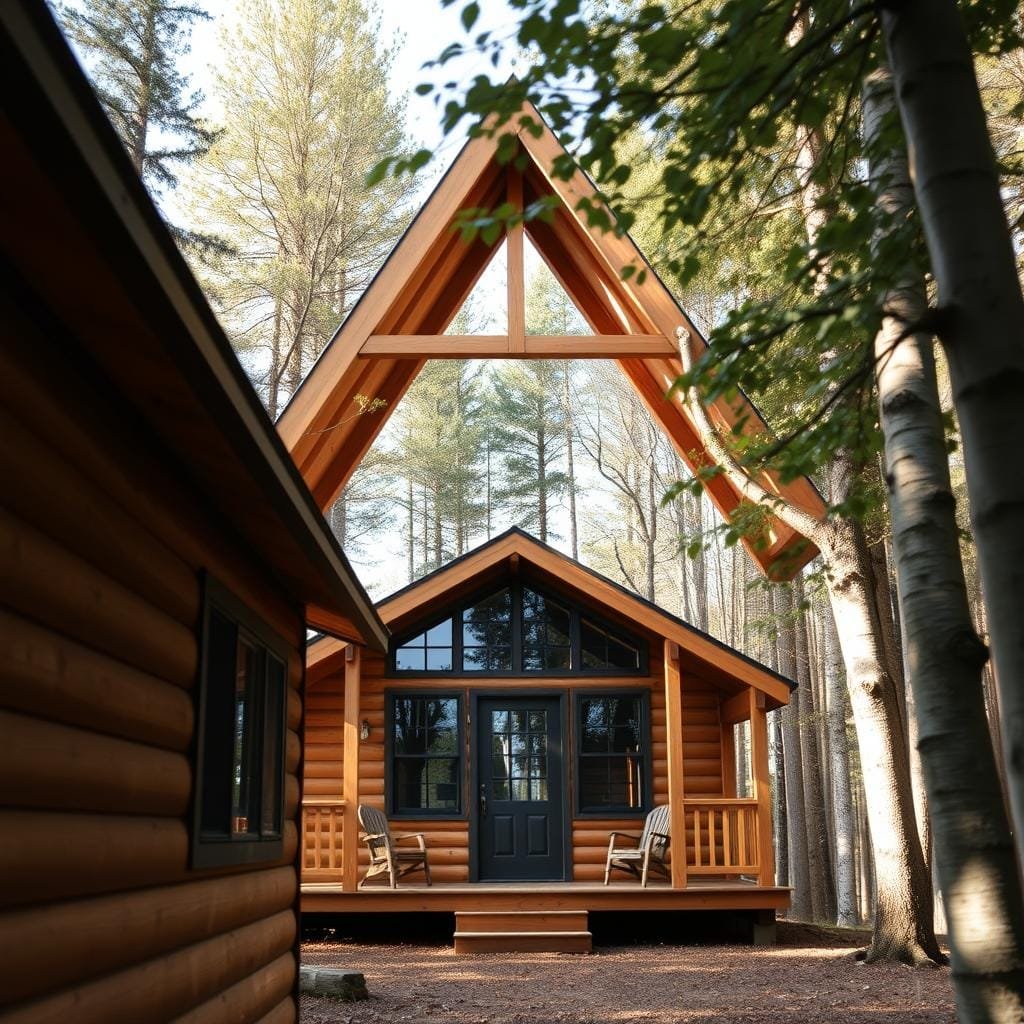
Different regions have developed preferences based on climate challenges and local availability. Understanding these regional patterns helps you make informed decisions.
Optimal Choices for the Northeast and Pacific Northwest
In the Northeast, Eastern White Pine stands out as the preferred option. This material handles cold winters effectively while remaining affordable and easy to work with. Its natural insulation properties make it ideal for this area.
The Pacific Northwest presents different challenges with heavy rainfall and moisture. Douglas Fir excels here due to its natural resistance to decay and sturdy construction. This wood species withstands the region’s demanding weather conditions.
Southern climates with rainy humid conditions benefit from different selections. Materials like Cypress and Eastern Red Cedar naturally resist insects and moisture damage. Their built-in protection makes them suitable for challenging environments.
Choosing locally appropriate materials ensures your structure remains comfortable through seasonal changes. Proper selection based on regional factors contributes to long-term satisfaction with your building project.
Technology and Techniques in Modern Cabin Insulation
The tongue and groove system represents a major leap forward in creating tight, well-insulated cabin walls. Modern methods have transformed traditional building approaches.
Tongue and Groove Log Siding Benefits
This innovative design creates joints that fit together perfectly. It reduces caulking needs by up to 80% compared to standard options.
The system allows boards to end-butt anywhere between wall framing. This flexibility makes installation faster and more efficient.
| Feature | Traditional Siding | Tongue and Groove |
|---|---|---|
| Installation Speed | Slower, more measuring | Faster, less cutting |
| Waste Generation | Higher material waste | Virtually no waste |
| Insulation Quality | More gaps, less tight | Tighter seals, better performance |
| Maintenance Needs | More frequent caulking | Reduced upkeep over time |
Available for both pine and cedar options, this siding works with various profiles. Quarter log, half log, and hand-hewn styles offer aesthetic choices.
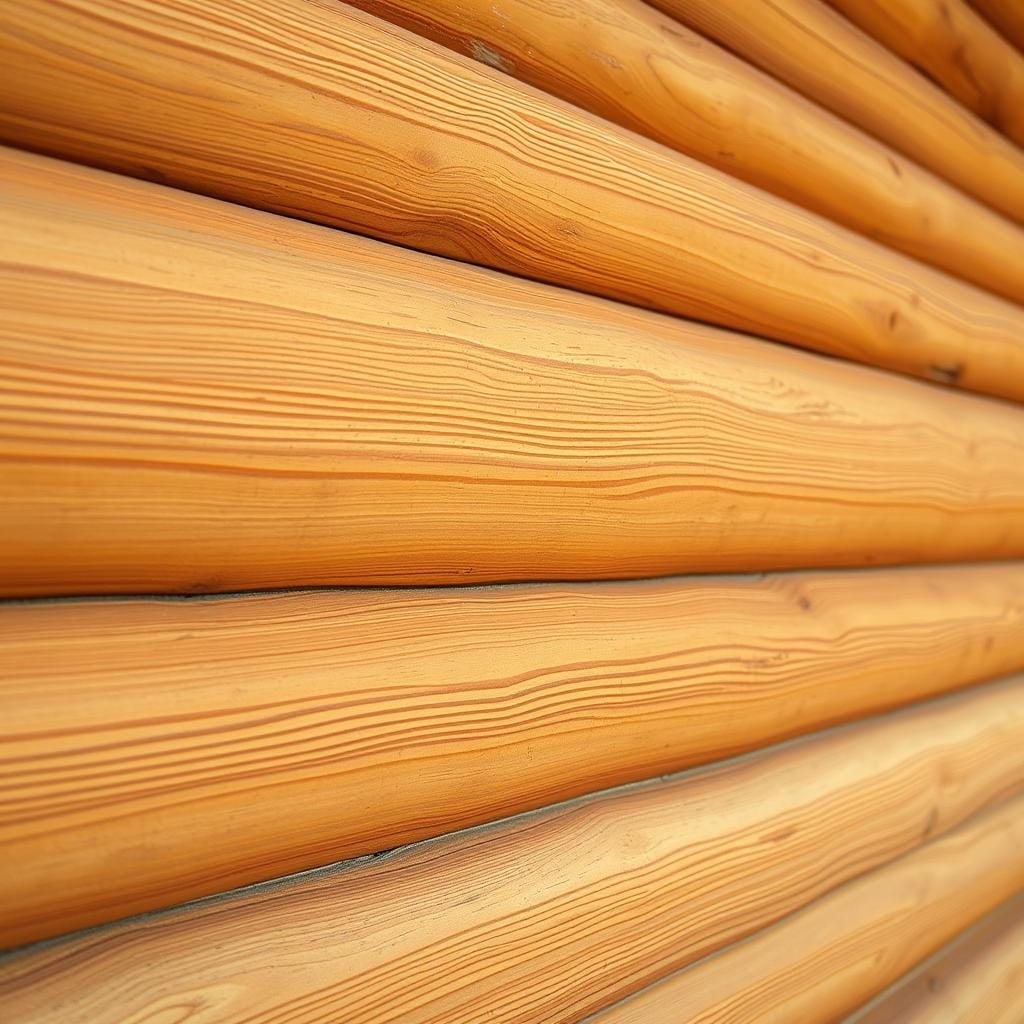
Grain quality significantly impacts performance. Straight-grain materials stack easier and create tighter seals. They help keep drafts out and maintain consistent temperatures.
These advanced techniques make cabin construction more precise. Your finished structure will feel cozy and professional from day one.
Final Thoughts on Your Wood Selection for a Cozy, Efficient Cabin
As you finalize plans for your dream structure, the timber selection becomes the cornerstone of your project’s success. Your choice influences everything from energy bills to long-term maintenance needs.
Eastern White Pine offers excellent value with easy installation and solid thermal performance. Cedar provides natural resistance to moisture and insects, ideal for challenging climates. Douglas fir delivers strength and durability for lasting structural integrity.
Kiln-dried materials consistently outperform green alternatives, reducing shrinkage and improving energy efficiency. This investment pays off from day one with tighter walls and better comfort.
Ready to build your perfect retreat? Contact Tar River Log Homes for a quote on quality kiln-dried Eastern White Pine today.