
Dreaming of a personal retreat doesn’t mean you have to spend a fortune. Many people are discovering that building their own special space is more achievable than ever. With smart planning and creative choices, you can create a beautiful and functional getaway without draining your savings.
The do-it-yourself movement has taken cabin construction by storm. Real-world examples, like Graeme Jenvey’s impressive $13,000 backyard project, prove what’s possible. His 240-square-foot space shows that high quality and a limited budget can go hand-in-hand.
This trend has captured the imagination of millions online. It demonstrates that everyday people, armed with determination and basic skills, can accomplish incredible building projects. The pandemic sparked a renewed interest in creating personal outdoor havens, leading to innovative, budget-conscious approaches.
This guide will dive into practical advice and step-by-step guidance. You’ll explore smart material alternatives and understand how to maximize your project’s value. Choosing the right options isn’t about cutting corners—it’s about making intelligent decisions for a cozy retreat you’ll love for years.
Why Build a Cabin on a Budget?
When you take control of your construction project, you gain benefits that money can’t buy. Building your own retreat lets you make every decision, from the foundation to the final touches. This hands-on approach creates a space that truly reflects your personality.
The financial advantages are significant. You can create a functional cabin for a fraction of what traditional home construction costs. Many projects stay under $13,000 while offering all the comforts you need.
Customization is another major benefit. You determine the exact size and layout that works for your lifestyle. This flexibility means you can start with a basic structure and add features later as your budget allows.
Long-term savings extend beyond the initial cost. Smaller spaces mean lower utility bills and less maintenance. You’ll also develop valuable building skills that serve you for years to come.
Perhaps the greatest reward is the connection to nature. Your personal outdoors retreat provides stress relief and mental rejuvenation. It becomes a sanctuary where you can escape daily routines and recharge.
Exploring Cheap Cabin Materials
Exploring alternative construction options opens up creative possibilities while keeping expenses manageable. Wood remains the top choice for most builders due to its natural beauty and ease of use. This versatile material offers excellent insulation and works well for various skill levels.
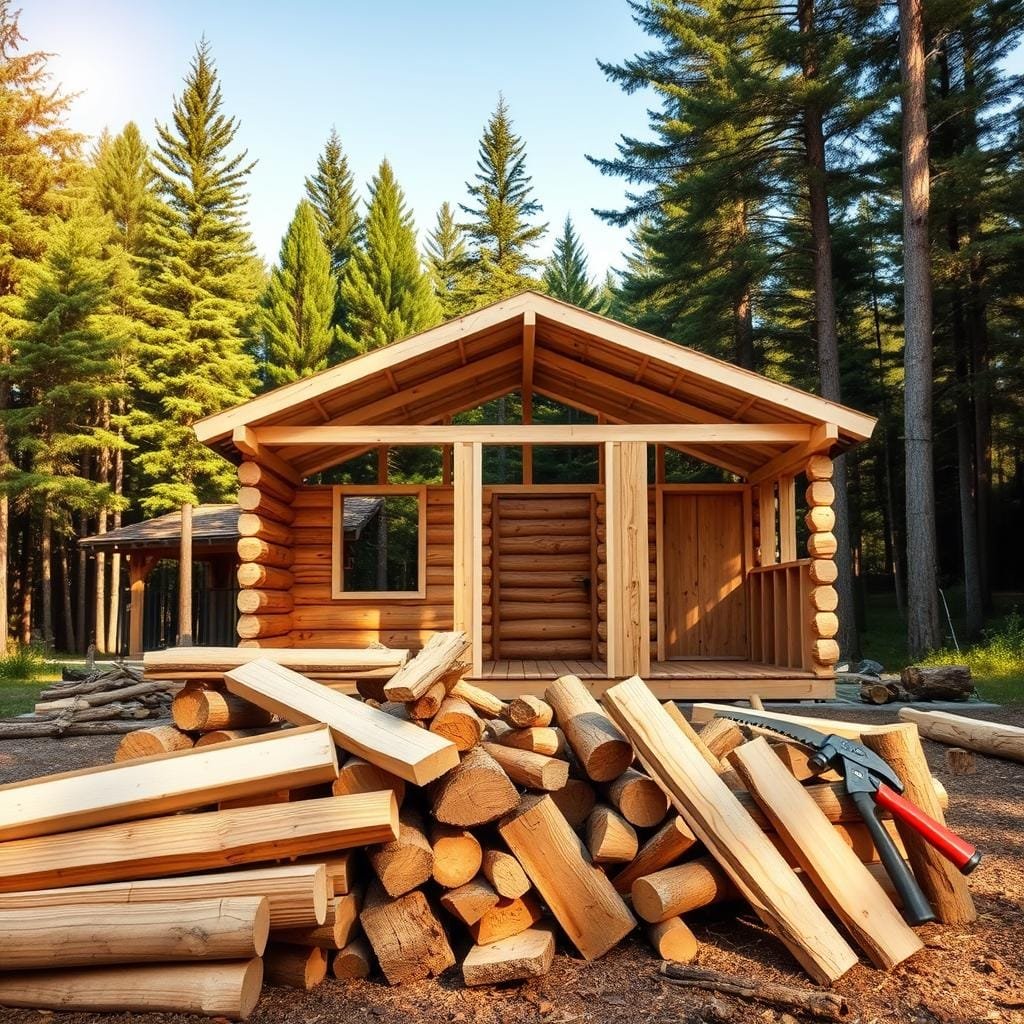
Rough-sawn lumber provides significant savings compared to finished boards. It delivers authentic rustic character perfect for traditional board and batten siding. This approach creates classic charm without premium pricing.
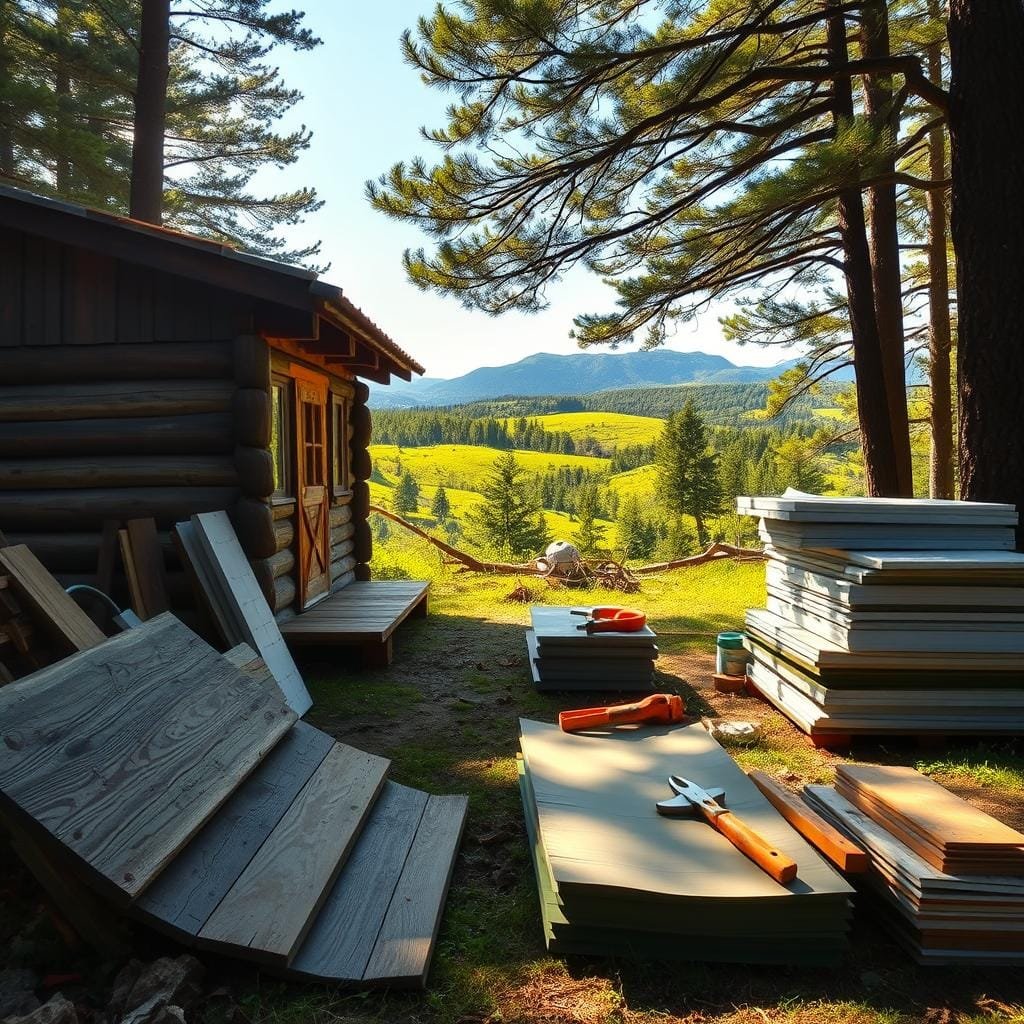
Reclaimed and salvaged supplies offer both environmental and budget benefits. Sources include old barns, demolished structures, and lumber yard surplus. These options keep your project costs in line while adding unique character.
Engineered products like OSB provide structural strength at lower prices than traditional plywood. They’re ideal for areas that won’t be visible in the finished space. Metal roofing has become increasingly budget-friendly with excellent durability.
Standard dimension lumber from big-box stores can yield substantial savings during sales. Being flexible with your timeline helps you catch the best deals. Alternative options like concrete blocks and recycled windows add distinctive touches.
Detailed DIY plans starting around $300 provide invaluable guidance. They help avoid costly mistakes and material waste throughout your log structure project.
Planning Your Dream Cabin Build
A successful build starts with a solid plan. This phase turns your vision into an actionable roadmap. Careful consideration here saves time, money, and stress later.
Think of your plan as the blueprint for your entire project. It guides every decision, from budget to the final nail.
Establishing Your Budget and Priorities
First, define your total cost. Include everything: the land if needed, supplies, tools, and a 10-20% buffer for surprises. Knowing your limits is empowering.
Next, decide your retreat’s purpose. Is it a weekend escape or a future home? This choice directly influences the size and which features are essential. Prioritize the must-haves first.
Graeme Jenvey’s 240-square-foot cabin is a great example of a manageable size. This footprint offers comfort while keeping expenses reasonable for a DIY project.
Choosing the Right Land and Location
Your property choice is crucial. Building on land you already own, like Graeme’s three-acre plot, eliminates a major expense. You might also share utilities with a main house.
If purchasing land, research prices thoroughly. Consider road access, soil quality, and local rules. These factors impact both construction and your long-term enjoyment.
| Land Consideration | Building on Owned Property | Purchasing New Land |
|---|---|---|
| Upfront Cost | Minimal to none | Significant investment |
| Utility Access | Often easier to share | May require new installations |
| Planning Flexibility | High; you know the area | Dependent on surveys and zoning |
Designing a Practical Cabin Floor Plan
Effective space planning is the secret to making compact structures feel spacious and comfortable. The right layout transforms every square foot into valuable living area.
Optimizing a 12×20 Layout
Graeme Jenvey’s 12×20 footprint demonstrates smart design principles. This 240 square foot space feels surprisingly roomy while keeping construction manageable.
The rectangular shape minimizes waste and simplifies framing. Using 14 sturdy 2x10x12 boards creates a solid foundation. Proper joist spacing ensures your floor won’t bounce or creak over time.
Maximizing Living and Multi-Purpose Space
Think about how each area serves multiple functions. A reading nook by day can become guest sleeping quarters at night. Convertible furniture like Murphy beds make this possible.
Vertical thinking doubles your usable square footage without expanding the footprint. High shelving and loft areas add storage while maintaining open sightlines.
| Space Strategy | Traditional Approach | Multi-Purpose Solution |
|---|---|---|
| Sleeping Area | Dedicated bedroom | Convertible sofa or Murphy bed |
| Storage Solutions | Closets and cabinets | Vertical shelving and loft space |
| Living Space | Separate rooms | Open plan with defined zones |
| Outdoor Connection | Windows only | 4-foot covered porch extension |
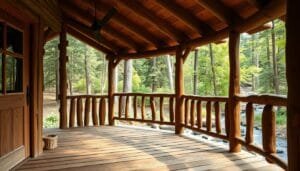
A 4-foot porch extends your living area outdoors. This creates a smooth transition between your cozy house and the natural surroundings.
Cost Breakdown: Materials, Labor, and Unexpected Expenses
A detailed cost analysis provides the roadmap for making smart financial decisions throughout your build. Graeme Jenvey’s $12,745 project demonstrates how strategic planning pays off.
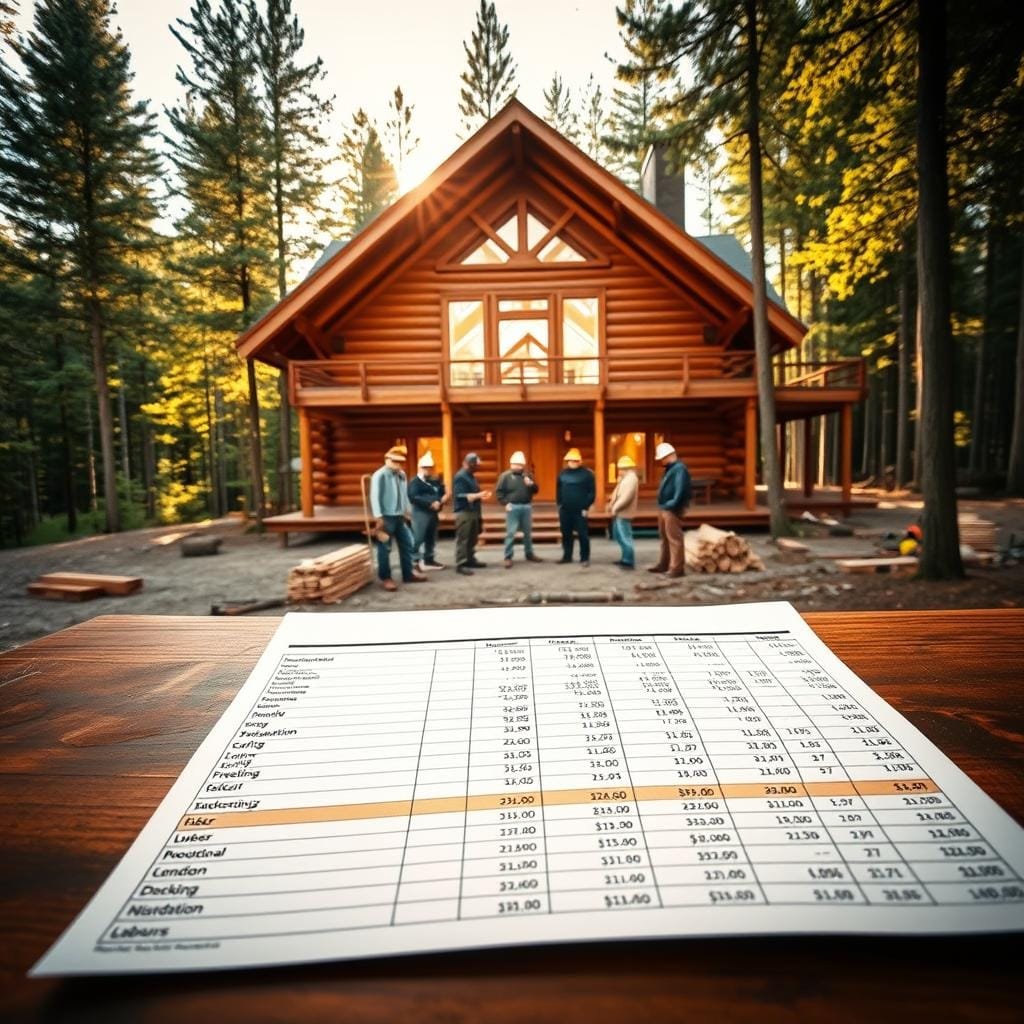
Understanding where your money goes helps set realistic expectations for any construction project.
Analyzing the Material Costs
Graeme’s exterior work consumed about $8,000 of his total cost. This covered essential structural elements like foundation, framing, and roofing. Interior finishes accounted for the remaining $4,750.
The interior price included quality flooring and a heat pump. These items represented half of his interior budget. This investment ensured comfort and safety from the start.
Labor expenses can be minimal when you invest your own time. Graeme spread his work over 55 days during evenings and weekends. This approach made the project manageable around other commitments.
Tool cost is another consideration. Graeme only bought three specialized tools for his cabin build. His existing tool collection from hobby work saved significant money.
Compared to traditional house construction, his $53 per square foot price is remarkably affordable. Planning for unexpected expenses ensures you won’t face surprises during those long days of work.
Step-by-Step DIY Cabin Construction Guide
Your construction journey begins with solid groundwork. Following a logical sequence makes your DIY project safer and more efficient. This guide walks you through the critical early stages.
Taking your time with each step prevents costly mistakes. A methodical approach ensures your structure will be sturdy for years.
From Foundation to Framing
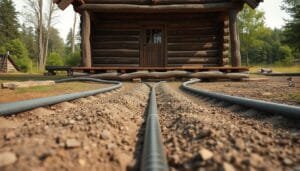
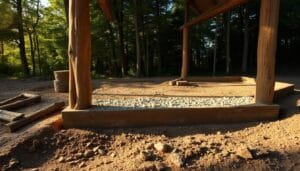
Start by drilling holes for 4×4 pressure-treated posts. Using an auger saves immense effort in tough soil. These posts form the backbone of your entire building.
Next, attach the bottom and upper 2×10 stringers. The upper ones go at 7 feet 8 inches to set the wall height. This creates a strong frame for the floor system.
Installing the 14 floor joists comes next. Careful spacing is crucial for stability. Adding 1×2 furring strips below the joist tops creates a space for insulation.
Wall framing follows, with studs at 16-inch centers. This standard spacing provides strength. It also makes installing insulation batts straightforward later.
| Foundation Type | Skill Level Required | Estimated Time | Key Advantage |
|---|---|---|---|
| Post & Pier | Beginner | 1-2 days | Adapts well to uneven terrain |
| Concrete Slab | Intermediate | 3-4 days | Excellent thermal mass |
| Full Basement | Advanced | 1-2 weeks | Maximizes usable space |
Roof Assembly and Insulation Installation
Setting the center rafter board is the next major step. Position it 6 feet from the edge for a proper pitch. Cutting rafters at the correct angles is essential for a tight fit.
Before nailing down the floor decking, place 1-inch rigid insulation board between the joists. Glue and nail the subfloor securely. This creates a thermal barrier for year-round comfort.
Having a helper for lifting heavy components is a great idea. It makes the work safer and more enjoyable. Proper bracing lets you work safely alone if needed.
Innovative Roofing Techniques on a Budget
Getting your roof right is one of the most critical steps in your entire building project. A well-designed overhead protects your investment and ensures long-term comfort. Smart techniques can deliver professional results without breaking your budget.
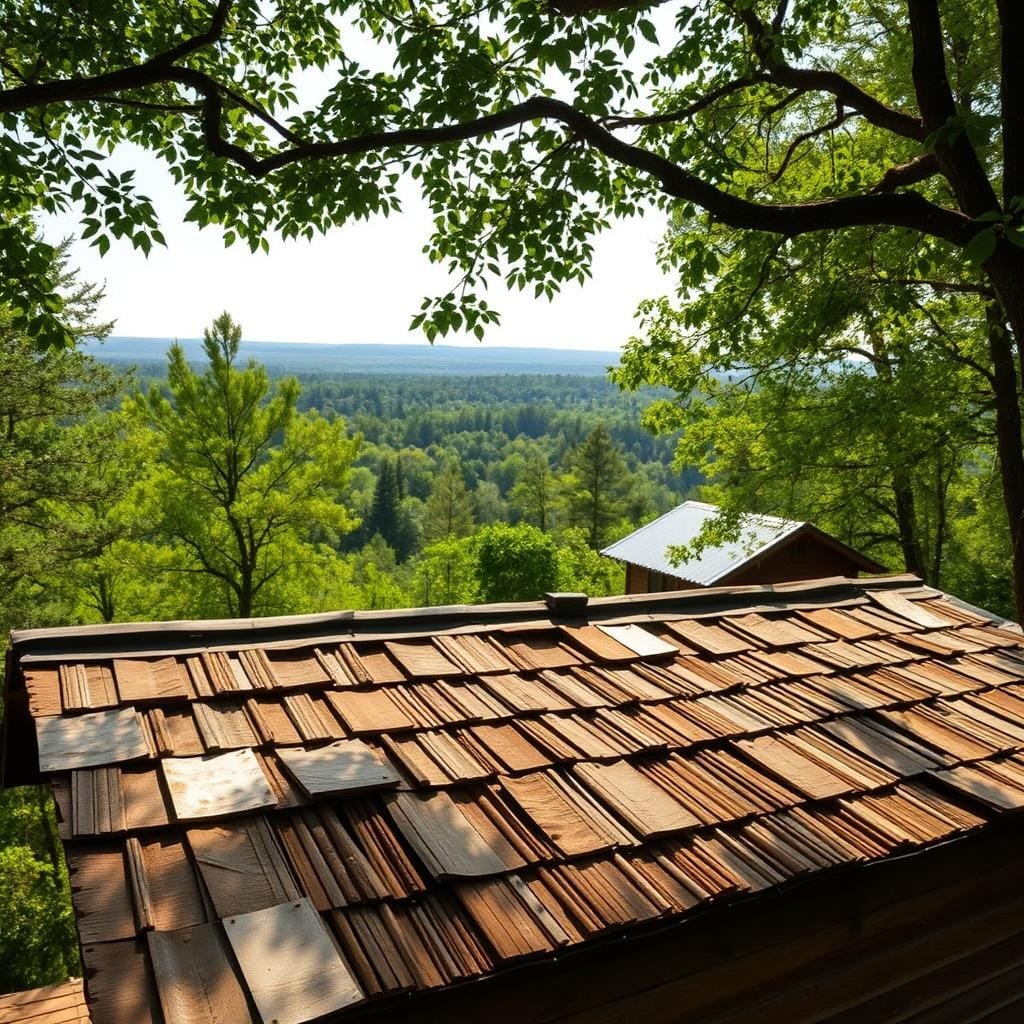
Understanding roof pitch is fundamental to successful construction. A 5/12 pitch means the roof rises 5 inches for every 12 inches of horizontal run. This angle provides excellent water drainage while remaining manageable for DIY work.
Understanding Purlins and Pitch Angles
Using a speed square makes marking rafter angles simple and accurate. Place the pivot point at the top of your board and align the 5 on the “COMMON TOP CUT” line with the board’s edge. This technique ensures consistent cuts for a clean roof line.
The seat cut creates the notch where each rafter rests on the wall plate. Measure precisely 2½ inches up from your angle mark. This attention to detail guarantees all rafters sit at identical heights.
Purlins installed perpendicular to rafters provide the attachment surface for metal roofing. This approach eliminates the need for expensive sheathing, saving both money and labor time. Metal roofing screws directly to purlins, creating a durable system that lasts decades.
Rafter tails cut to 9 inches create protective eaves when combined with a 2-inch roof overhang. This design shields siding from rain and provides mounting surfaces for fascia boards. The result is a finished, professional appearance.
Twenty hurricane studs cut at 13 inches with matching 5/12 pitch angles add crucial structural support. These components connect the roof system to walls, providing wind resistance during severe weather.
Proper ceiling height planning creates an airy interior feeling while maintaining cost-effectiveness. A 12-foot tall wall and 8-foot low wall work beautifully with the single-slope roof structure. This smart design maximizes space without complicating your build.
Smart Sourcing of Affordable Building Supplies
Choosing how to source your building supplies is a major decision. It impacts your budget, timeline, and overall building experience. You have two primary paths: buying everything yourself or opting for a prefabricated kit.
DIY Purchases vs. Pre-Fab Cabin Kits
Building a diy cabin from scratch offers maximum control. You can hunt for sales at local stores. This approach often has the lowest final price.
You also get total flexibility. You can change your design as you go. There are no package constraints to limit your creativity.
Prefab cabins kits simplify the process. A company provides pre-cut, measured parts. Detailed instructions eliminate guesswork for first-timers.
The price of a kit varies widely. Basic shell-only kit options start low. Fully-loaded models can cost over $100,000.
| Consideration | DIY Sourcing | Prefab Kit |
|---|---|---|
| Cost Control | You set the budget for each item. | Set package price from the company. |
| Flexibility | Unlimited design changes mid-project. | Follows the kit’s pre-designed plan. |
| Time & Support | More planning time, less guidance. | Faster build with technical support. |
The true value of a kit isn’t just the materials. It’s the engineering and support that prevent costly errors. This is especially helpful for your first project.
Many people find a hybrid approach works best. You might buy a structural frame kit for precision. Then, source windows and interior finishes yourself to optimize the budget for your home away from home.
Permit Requirements and Local Building Regulations
Before you hammer the first nail, understanding local regulations is essential for your project’s success. Requirements differ significantly across counties and municipalities.
You may need a permit for structures over specific sizes, typically 100-200 square feet. Buildings with electrical or plumbing systems almost always require approval.
Navigating Permit Applications and Codes
Research begins with your county building department. Check zoning ordinances online and speak directly with staff. They can clarify rules for your specific land and intended use.
Setback requirements determine distance from property lines and utilities. Violations can lead to fines or demolition. Verify these before finalizing your location.
Some rural areas offer exemptions for accessory buildings. Agricultural land might qualify for simplified processes. Classification as a hunting shelter or farm building can help.
| Permit Scenario | Likely Requirement | Key Consideration |
|---|---|---|
| Structure under 120 sq ft | Often exempt | Check for utility restrictions |
| Building with electricity | Permit required | Electrical inspection needed |
| Agricultural land use | Possible exemption | Must meet farm building criteria |
The application process typically needs site plans and elevation drawings. Simple hand-drawn sketches may work for small projects. For more complex building cabin questions, the Small Cabin Forum offers valuable community insights.
Inspections occur at foundation, framing, and final stages. These ensure safety and code compliance. Skipping permits risks insurance issues and legal liability.
If you built without a required permit, retroactive options exist. However, they often involve penalties and modification costs. It’s smarter to research upfront.
DIY Tips for Efficient Woodworking and Carpentry
Your journey with wood begins long before the first cut. Graeme Jenvey’s story shows this well. He started with a childhood treehouse and later framed houses, gaining valuable experience.
He learned the most during his own cabin project. Mistakes happened, but they were often easy to fix. The real reward was in the building process itself.
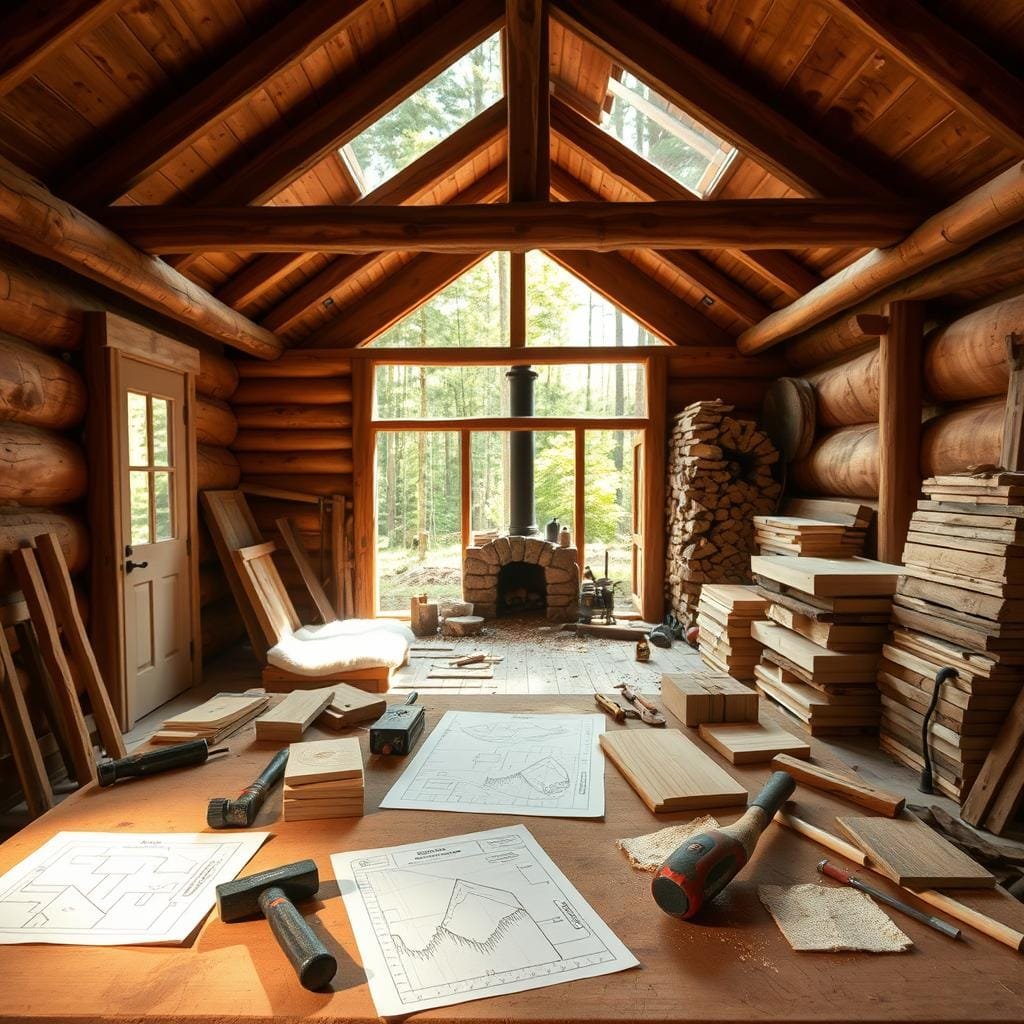
Don’t worry if you lack professional training. Skills grow with hands-on practice over time. Use online videos and forums to learn proper techniques before you start.
This investment of time saves materials and prevents frustration. Begin with simple cuts to build confidence. Your skills will improve quickly.
Remember the golden rule: measure twice, cut once. This is especially important for expensive pieces like long rafters. It saves materials and time.
Accept that mistakes are part of any diy project. Most errors are fixable. The goal is a safe, functional build, not perfection.
The experience you gain is priceless. It helps with future home repairs and projects. Keep a project journal to record measurements and lessons.
Embrace the journey of building. The satisfaction comes from creating with your own hands. This makes the diy adventure enjoyable, even with challenges.
Integrating Energy Efficiency into Cabin Design
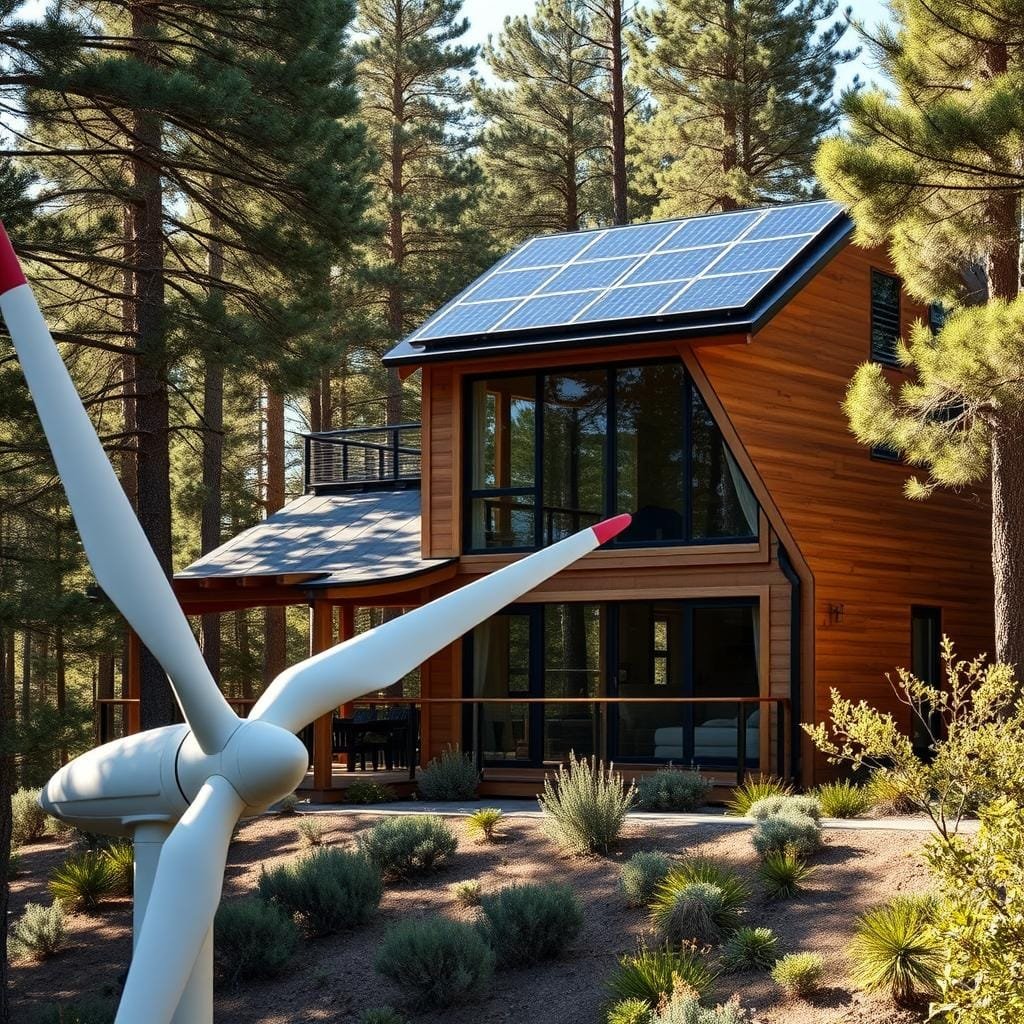
Smart energy choices during the design phase make your small retreat comfortable and affordable for years to come. Thinking about insulation and heating early on pays off with lower bills and better comfort.
This forward-thinking approach ensures your space stays cozy in winter and cool in summer. It’s a key part of creating a sustainable getaway.
Exploring Insulation Options
Graeme’s project shows how simple steps work. He placed 1-inch rigid foam board between the floor joists before laying the subfloor. This stops cold from rising up and keeps heat inside.
For the walls, standard fiberglass batts fit easily between studs. They offer great thermal performance for a reasonable price. Upgrading to spray foam provides even better air sealing if your budget allows.
The compact size of a small structure is a major advantage for efficiency. There’s less air to heat or cool. Well-insulated small spaces stay comfortable with minimal energy input.
Choosing the right heating system is crucial. Graeme selected a heat pump for safety and convenience. It provided efficient climate control without the labor of a wood stove.
This technology moves existing heat rather than creating it by burning fuel. While the initial cost is higher, the long-term savings and safety are significant. This is true for many energy-efficient log homes.
Even modest investments in insulation pay for themselves quickly. They reduce heating costs and eliminate drafts. This makes your small home a joy to use in any weather.
Balancing Rustic Charm with Modern Design
The most inviting retreats blend time-honored rustic appeal with modern functionality in seamless harmony. This approach creates spaces that feel both authentic and refreshingly contemporary.
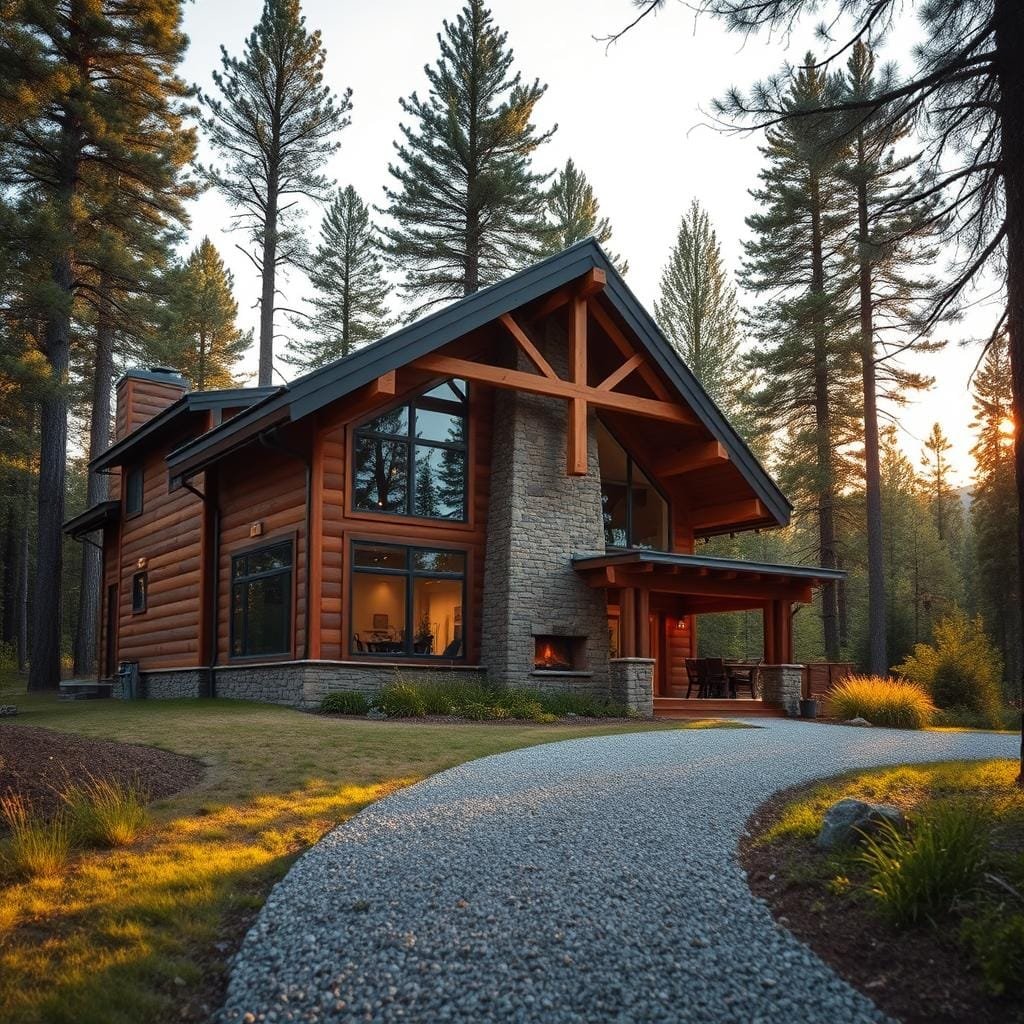
Graeme’s project demonstrates this balance beautifully. His use of rough-sawn lumber for board and batten siding delivers classic character. Yet the space serves modern needs like remote work and comfortable living.
Interior and Exterior Aesthetics
Thoughtful interior design makes compact spaces feel open and airy. Light color palettes and multi-functional furniture prevent that cramped feeling. Natural wood elements add warmth without overwhelming the area.
The exterior design should complement your natural surroundings. Darker stains blend well in wooded areas, while lighter tones stand out in open meadows. This connection to the outdoors makes small structures feel more expansive.
Modern amenities integrate smoothly into rustic log cabin aesthetics. Efficient lighting and climate control maintain comfort while preserving traditional character. The result is a space that honors heritage while meeting contemporary needs.
This balanced approach ensures your cabin serves both as a peaceful retreat and functional living space. The design celebrates craftsmanship while embracing modern convenience.
Lessons Learned from Real-Life Cabin Builds
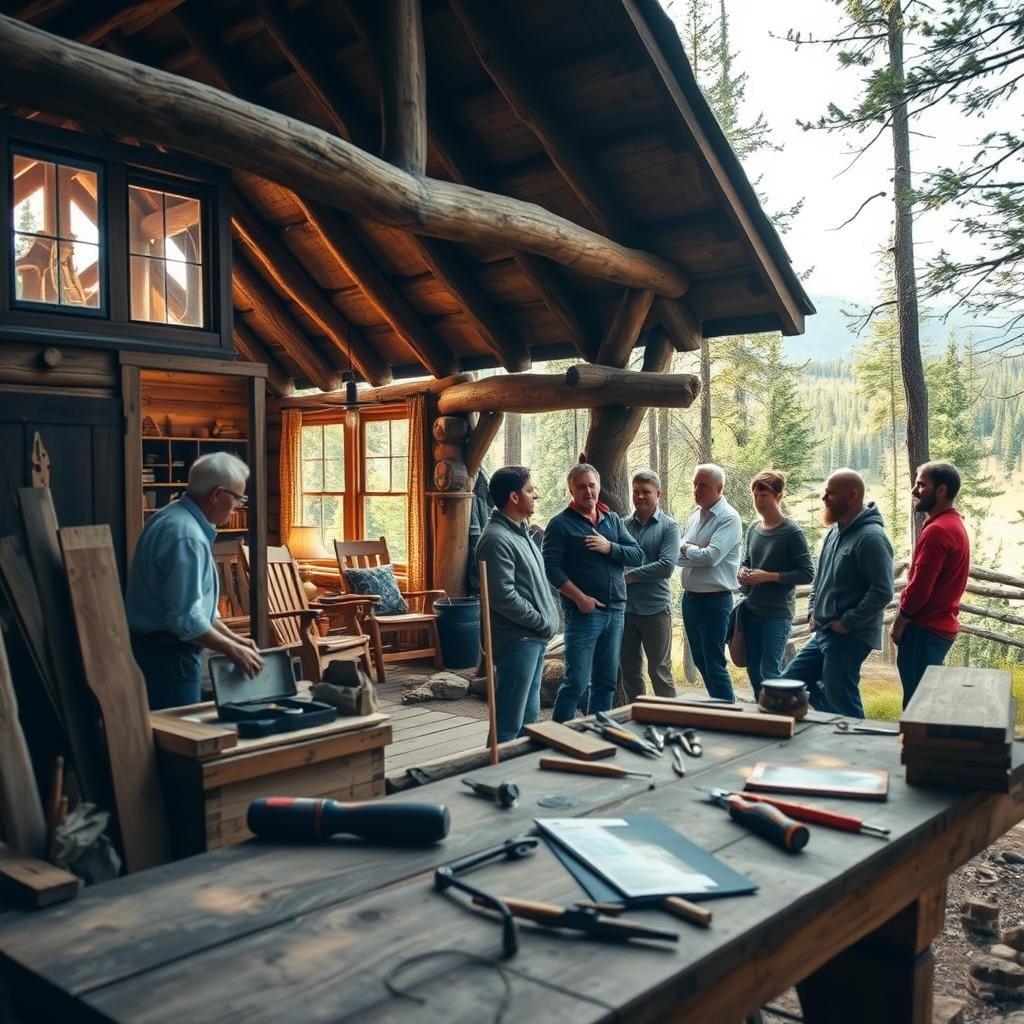
Real-world building experiences offer invaluable insights that no textbook can fully capture. The journey from planning to completion teaches lessons that transform how you approach future projects.
Advice from Seasoned Builders
Better planning prevents countless problems during any cabin build. Even simple blueprints and detailed materials lists save significant headaches. Graeme’s year-long project shows how proper sequencing reduces wasted effort.
Learning as you go works perfectly for small cabin construction. Expect the process to take longer than anticipated. Graeme’s 55 working days spread over a year reflects the reality of part-time building.
Most mistakes during your building small cabin adventure are fixable. Structural errors might need extra bracing. Aesthetic issues can be covered with trim. Even major miscalculations usually have workaround solutions.
Don’t let fear stop you from starting your cabin build. Everyone begins somewhere. The building small cabin movement proves ordinary people can complete impressive projects.
Taking your time over many days leads to better results than rushing. Short sessions allow research and correct material ordering. This avoids exhaustion-induced mistakes.
The experience of completing a small cabin provides lifelong knowledge. Every challenge overcome becomes part of your skill set. This benefits future projects and home maintenance.
Starting now means enjoying your space sooner. Land prices rise and material costs fluctuate. Beginning with what you have today moves you toward your goal.
Budget-Friendly Material Alternatives and Upcycling Ideas
Looking beyond traditional suppliers reveals a world of character-rich components waiting for new purpose. Creative reuse transforms ordinary items into distinctive building elements.
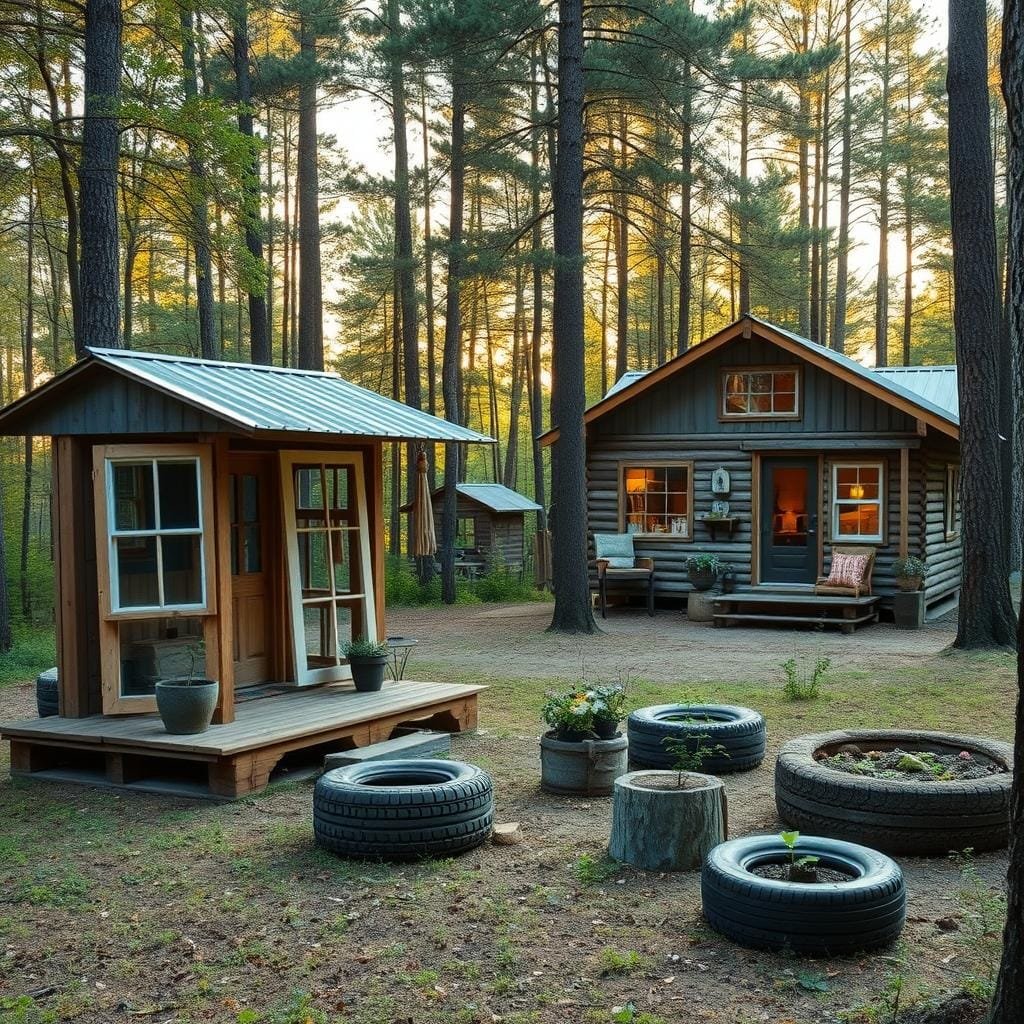
Repurposing Old Materials for New Uses
Reclaimed timber from old structures brings instant history to your project. Weathered boards and vintage trim create authentic charm that new supplies cannot match.
Salvaged windows and doors offer significant savings. Habitat for Humanity ReStores and online markets provide functional components at deep discounts. You’ll need design flexibility for non-standard sizes.
Free pallet wood works perfectly for accent walls and furniture. Individual boards require processing but deliver remarkable results for small cabins diy projects.
| Material Source | Cost Savings | Best Uses | Considerations |
|---|---|---|---|
| Reclaimed Wood | 60-80% off new | Siding, flooring, trim | May need cleaning/processing |
| Salvaged Windows | 50-90% discount | Natural light sources | Flexible design required |
| Pallet Wood | Often free | Accent walls, furniture | Labor-intensive preparation |
| Urbanite Concrete | Essentially free | Foundations, retaining walls | Transportation costs only |
Fallen trees from your property can become beautiful log elements. An Alaskan mill attachment lets you process timber on-site. This approach adds personal connection to your diy cabin.
Successful upcycling means designing around available materials. The environmental benefits extend beyond budget savings to reducing landfill waste.
Personalizing Your DIY Cabin Experience
Personal touches transform a basic structure into a space that truly reflects your personality and lifestyle. Graeme’s retreat serves as extra living space for reading, evening beverages, and a home office, with plans to eventually add a bed for guests.
Customization Tips for a Unique Space
Your small cabin should reflect your specific needs rather than generic templates. Whether you want a meditation retreat, art studio, or guest house, customization makes the structure truly yours.
Interior personalization begins with color choices and finish materials. Built-in furniture like window seats and fold-down desks maximizes space efficiency. This approach provides exactly the functionality you need.
Ceiling treatments offer personalization opportunities often overlooked. Exposing structural beams or adding tongue-and-groove paneling creates visual interest overhead. Lighting customization dramatically affects ambiance throughout your cabins.
| Personal Need | Interior Focus | Key Design Elements |
|---|---|---|
| Home Office | Task lighting, built-in desk | Minimalist design, sound insulation |
| Guest House | Convertible furniture, storage | Warm colors, comfortable seating |
| Creative Studio | Natural light, display space | High ceiling, adjustable shelving |
| Meditation Retreat | Calm colors, minimal clutter | Soft lighting, connection to nature |
Outdoor personalization extends your usable space. Future expansion planning allows enhancements as budget and needs evolve. This approach creates a home that grows with you over time.
Wrapping Up Your Budget Cabin Journey
The completion of your small home marks the beginning of a new chapter in outdoors living and self-sufficiency. Your diy project transforms from construction plans to cherished memories in your personal space.
Building small teaches valuable lessons about resourcefulness and intentional design. The skills you gain extend far beyond cabin building into everyday problem-solving.
Remember that your first project opens doors to future possibilities. Many builders create additional tiny home structures or help friends with their own dreams.
The community of fellow enthusiasts provides ongoing support and inspiration. Your journey connects you with people who share your passion for creating special spaces.
Whether on family land or new property, your accomplishment stands as proof that determined individuals can build beautiful homes. The perfect size is whatever meets your needs and brings you joy.