
Welcome to the exciting world of modular cabins. These innovative homes are a popular choice for creating affordable, efficient, and personalized living spaces. You can tailor them to fit your unique tastes and needs perfectly.
Learning to make a prefab cabin your own opens up endless possibilities. You can create a dream retreat, a permanent residence, or a cozy vacation getaway. This process reflects your personal style while keeping the cost-effectiveness and speed of prefabricated construction.
This guide walks you through every step. We cover initial planning, budgeting, selecting floor plans, and choosing materials. You will feel confident and informed throughout your building journey.
Modular construction offers major advantages over traditional site-built homes. Benefits include faster timelines, reduced costs, and greater design flexibility. These methods also use sustainable practices that minimize environmental impact.
You will discover practical steps and expert insights to get started. Transform a standard structure into a personalized home that meets your lifestyle. Whether building in the Adirondacks or the countryside, the options available today make a one-of-a-kind space possible.
Understanding the Benefits of Prefab Cabins
The appeal of modular cabins lies in their combination of efficiency, affordability, and sustainability. These factory-built homes provide distinct advantages that make them an attractive choice for modern living.
Affordability and Sustainability
Modular cabins offer significant cost savings compared to traditional building methods. You can typically save 15-20% over conventional construction. Single-story options start around $225 per square foot.
These homes use eco-friendly materials and produce less waste through precise factory manufacturing. Energy-efficient features like superior insulation and high-performance windows reduce long-term utility costs.
Quick Build Time and Efficiency
The factory-based process allows for faster construction timelines. Modules are built while site preparation occurs simultaneously. This approach dramatically reduces overall project time.
Controlled factory conditions ensure consistent quality and precise measurements. Weather delays and on-site complications have minimal impact. The result is a streamlined construction process with reliable outcomes.
Step-by-Step Guide for How to Customize a Prefab Cabin
Creating a home that is uniquely yours starts with a clear roadmap. This process transforms a standard structure into a personal sanctuary. Following a logical sequence of steps ensures a smooth journey from concept to completion.
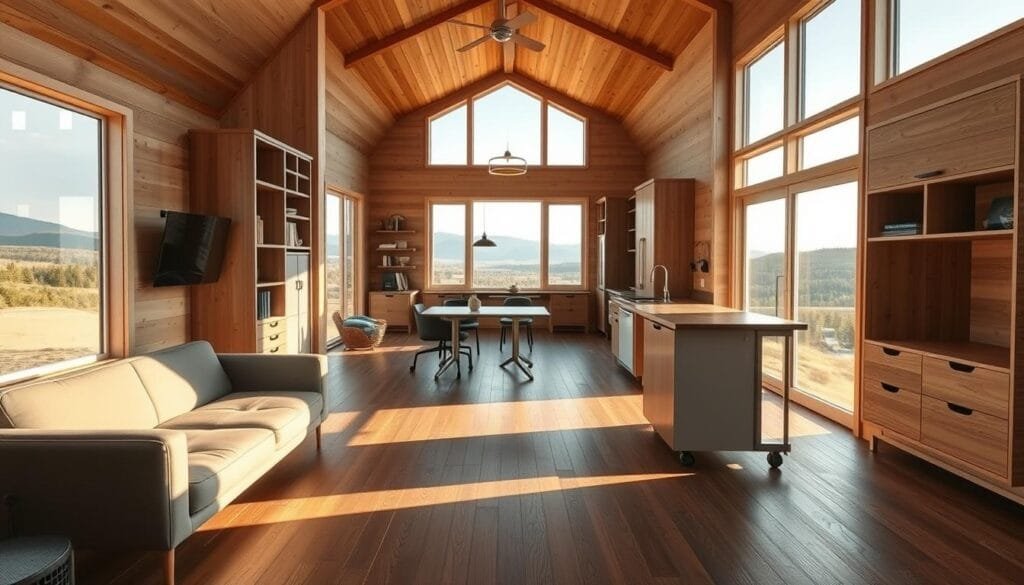
Overview of the Customization Process
The journey begins with establishing your vision and budget. This initial planning phase shapes every decision that follows. You then move to securing land, selecting a design, and navigating permits.
Factory construction happens simultaneously with site preparation. This parallel workflow is a key advantage of the modular approach. It leads to a faster, more predictable construction timeline.
Each phase builds upon the last, creating a dependable path forward. This structured way of building helps you avoid costly errors. You maintain control over your budget and final outcome.
Personalization opportunities exist throughout the entire process. You can select unique floor plans, materials, and finishes. This flexibility allows your modular cabin to truly reflect your lifestyle.
While the list of steps may seem long, experienced builders make it manageable. Understanding the overall plan sets realistic expectations. You can confidently create a space that feels entirely your own.
Planning Your Design, Budget, and Site Considerations
Before construction begins, smart planning around budget allocation and location evaluation sets the stage for success. This initial phase determines your project’s feasibility and guides all subsequent decisions.
Establishing Your Vision and Budget
Create a realistic financial plan before finalizing your design. Your budget should account for both hard and soft costs to avoid surprises.
Hard costs cover materials and construction expenses. Soft costs include land acquisition, permits, and utility connections. Always include contingency funds for unexpected issues.
| Cost Category | Examples | Typical Percentage |
|---|---|---|
| Hard Costs | Materials, labor, foundation | 60-70% of total budget |
| Soft Costs | Permits, design fees, utilities | 15-25% of total budget |
| Contingency | Unexpected issues, price changes | 10-15% of total budget |
Evaluating Site Conditions and Permitting Needs
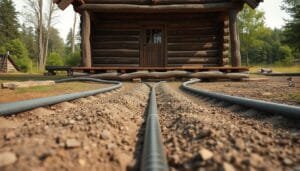
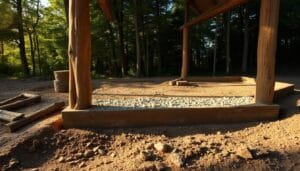
Thoroughly assess your property before finalizing plans. Check utility access, soil conditions, and drainage patterns. These factors significantly impact your timeline and expenses.
Understand local zoning regulations and permitting requirements early. Confirm that modular structures are allowed in your chosen location. Proper site evaluation prevents costly delays during the building process.
Secure your land before completing the final design. Site-specific constraints will influence your layout options and construction approach.
Selecting the Ideal Floor Plan and Architectural Features
Choosing your modular home’s layout is one of the most rewarding parts of the process. This is where your vision truly starts to take shape. You get to decide how the space will look and feel every day.
Builders typically offer a wide array of stock floor plans. These range from cozy one-bedroom retreats to spacious multi-bedroom family homes. The flexibility to adjust these standard design options ensures a perfect fit for your needs.
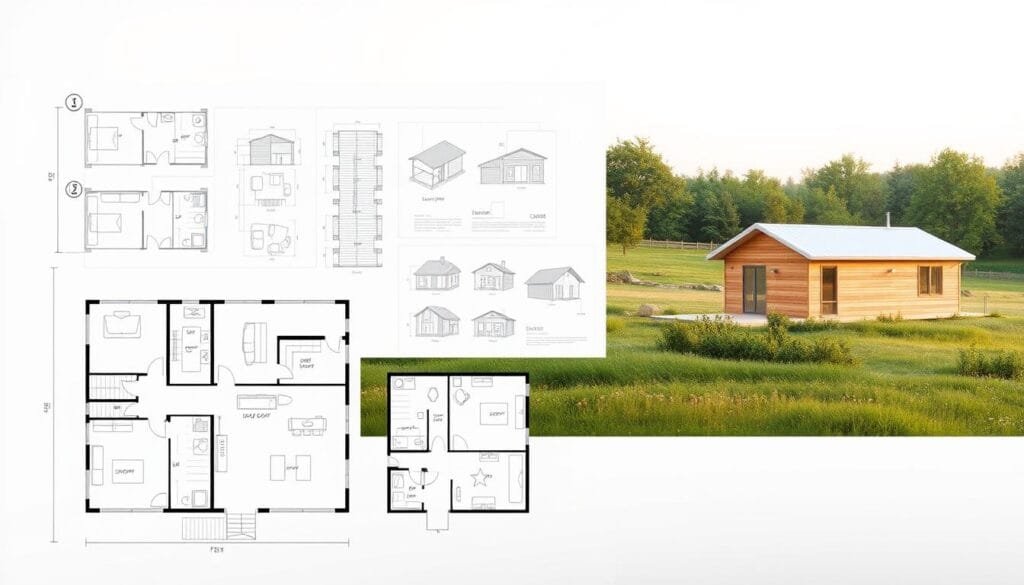
Personalized Layout Options
Think about how you live. Do you prefer open-concept living areas that maximize space and light? Or do you need defined rooms for privacy and specific functions?
Your daily routines should guide the layout. Consider traffic flow, furniture placement, and how different seasons affect space use. This careful planning creates a highly functional and comfortable building.
Modular Design Flexibility
When a stock plan isn’t quite right, you can often work with the builder on a custom floor plan. This modular cabin flexibility is a key advantage. It allows you to create a unique home that aligns with your exact vision.
Architectural features like window placement and door sizes also matter. They impact light, views, and the overall style. You can even choose between steel or wood frame construction for your project. For more inspiration, explore these prefab cottage design ideas.
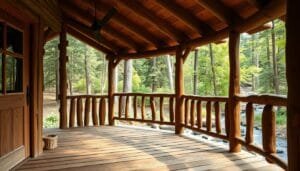
Finish selections, from rustic wood beams to modern trim, add the final character. Your choices transform the structure into a personalized sanctuary.
Choosing Materials, Finishes, and Interior Customization
Material choices bridge the gap between structural design and personal expression. This exciting phase lets you select materials that define your space’s character and comfort.
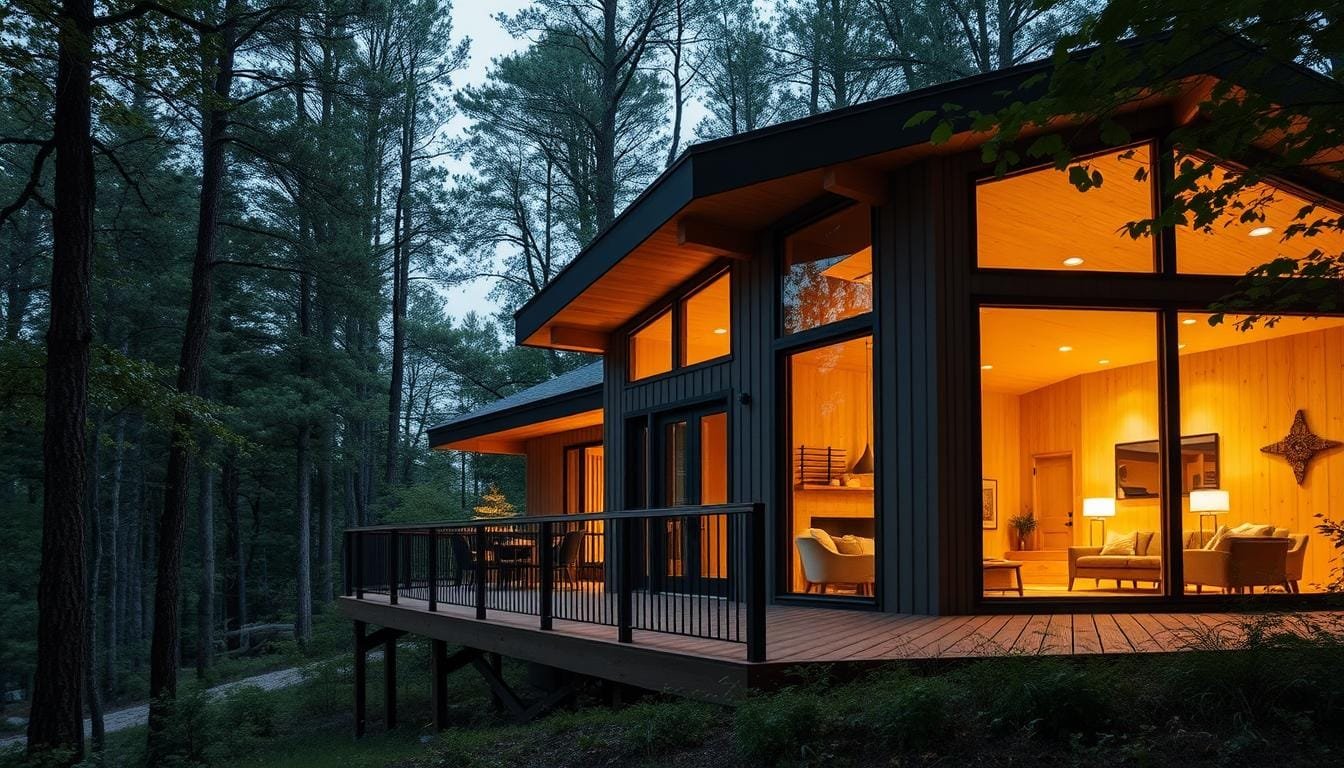
The range of available options spans from affordable to luxurious. Natural materials like stone, iron, and real wood create warmth and character. Solid wood cabinetry and exposed beams add distinctive features.
Incorporating Eco-Friendly and Stylish Options
Interior decisions include flooring, cabinetry, and appliance packages. Each selection impacts daily living and long-term satisfaction. Exterior finishes like roofing and siding ensure your home blends with the environment.
Energy efficiency remains a key consideration. Well-insulated walls and high-performance windows reduce utility costs. Sustainable materials minimize environmental impact without sacrificing style.
Plan ahead for materials with long lead times. Work closely with your building team to coordinate selections. This prevents delays and ensures your vision becomes reality. For more inspiration on creating your perfect space, explore these prefab cabins.
Your choices transform the structure into a personalized sanctuary. The right finishes create a home that reflects your unique personality and lifestyle.
Navigating Permits, Zoning, and Construction Timelines
The zoning and permitting phase is a critical checkpoint in your modular home journey. While it can feel bureaucratic, this process ensures safety and compliance for your building and the community.

Securing Permits and Zoning Approvals
Your first step is verifying local zoning allows a modular structure on your site. Review your site plan and occupancy needs. This determines the required space and any specific accommodations.
Accessibility is a key consideration. You may need to adjust things like door widths or entrance designs. Ensuring compliance from the start saves time later.
Modular construction offers a significant advantage here. Pre-engineered plans often lead to an expedited permitting process. Factory inspections certify code compliance for the structure itself.
However, permits are still needed for the foundation, utilities, and any detached structures. A standard submission requires engineered plans, elevations, and code certifications.
Some municipalities have extra rules. These can include fire department approval or setback requirements for specific areas. Understanding these local nuances is crucial.
Work closely with your building team or a local expert familiar with regional regulations. Their guidance prevents delays and ensures all sections of your application are correct.
Always allocate sufficient time for this process in your overall construction timeline. Rushing can lead to costly stops. Proper approval paves the way for a smooth construction phase.
Coordinating On-Site Assembly and Final Inspections
Watching your modular home take shape on-site is an unforgettable experience. The factory-built modules arrive at your prepared property ready for assembly. This exciting phase typically completes within days or weeks.
These semi-complete sections come mostly finished from the factory. Crews connect them together with precision. Final plumbing, electrical, and trim work complete the construction.
The vertical process moves quickly as modules are positioned and secured. Structural elements and systems get installed on-site efficiently. Your building becomes weathertight and ready for finishing touches.
Preparing a Detailed Punch List
Conduct a thorough walkthrough with your team before deep cleaning. Inspect every aspect of the construction carefully. Identify any minor issues that need addressing.
Create a comprehensive punch list during this inspection. This detailed list ensures nothing gets overlooked. The final inspection happens after cleaning when everything is visible.
| Inspection Area | Key Checkpoints | Common Items |
|---|---|---|
| Structural | Module connections, roof integrity | Sealing, fasteners, alignment |
| Systems | Plumbing, electrical, HVAC | Leaks, switch operation, airflow |
| Finishes | Paint, flooring, trim | Touch-ups, gaps, cleanliness |
Wait for furniture delivery until after completing your punch list. Ask your project manager to document utility locations in walls. This practical step helps with future maintenance.
The final inspection confirms code compliance and safety standards. Once approved, your personalized home is ready for move-in. This efficient way of building delivers remarkable results.
Maximizing Efficiency with Modular Systems and Reduced Waste
The precision of off-site manufacturing delivers significant advantages over conventional construction methods. Factory-based systems ensure quality control that’s hard to achieve with on-site building.
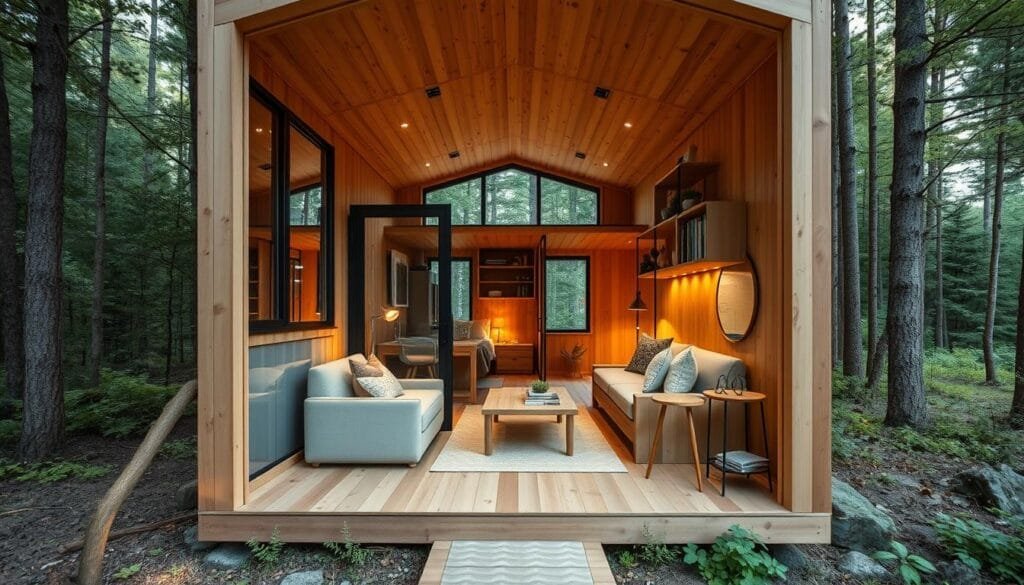
Faster Construction and Cost Savings
Modular construction dramatically reduces build time. While site preparation happens, factory work proceeds simultaneously. This parallel process cuts months from the timeline.
You’ll also enjoy substantial cost savings. Factory efficiencies and bulk purchasing lower expenses. Reduced labor needs and minimized material waste contribute to affordability.
| Aspect | Modular Construction | Traditional Building | Advantage |
|---|---|---|---|
| Build Time | 2-4 months | 6-12 months | 50-70% faster |
| Material Waste | 10-20% | 30-40% | 50% less waste |
| Weather Delays | Minimal impact | Frequent delays | Consistent timeline |
Energy Efficiency and Sustainable Building
Modern modular cabins feature excellent energy performance. Well-insulated walls and high-efficiency windows maintain comfort. Advanced HVAC systems reduce utility bills significantly.
These homes produce less waste through precise factory cutting. Sustainable materials and eco-friendly options are readily available. You can incorporate solar panels and water-saving fixtures.
The environmental benefits make modular cabins a smart choice. They combine efficiency with responsible building practices beautifully.
Wrapping Up: Next Steps to a Dream Prefab Cabin
Now that you understand the comprehensive process, taking action is your logical next step. This guide has walked you through every phase of creating your personalized modular cabin.
The journey from vision to finished home involves clear steps. You’ll establish your budget, select designs, choose materials, and navigate permits. Each phase builds toward your unique living space.
Modular construction offers significant advantages over traditional building. You’ll enjoy faster timelines and substantial cost savings. The process also creates less waste and allows extensive personalization.
Before you get started, develop a thorough pre-development plan. Outline your priorities, budget, and timeline expectations. This roadmap prevents costly mistakes during construction.
While adventurous individuals can self-manage projects, working with experienced professionals reduces stress. A solid team ensures quality results and provides valuable guidance throughout the building process.
Your dream home awaits. Reach out to qualified builders, review floor plans, and begin this exciting journey toward a space that perfectly reflects your lifestyle.