Building a cabin using wood frame construction is an exciting project that allows DIY enthusiasts to create a personal retreat in nature. This method combines traditional craftsmanship with modern techniques, making it accessible to both novice builders and seasoned carpenters alike. In this guide, we will explore the fundamentals of wood frame construction and provide essential tips and tools for those eager to embark on their building journey.
Understanding Wood Frame Construction
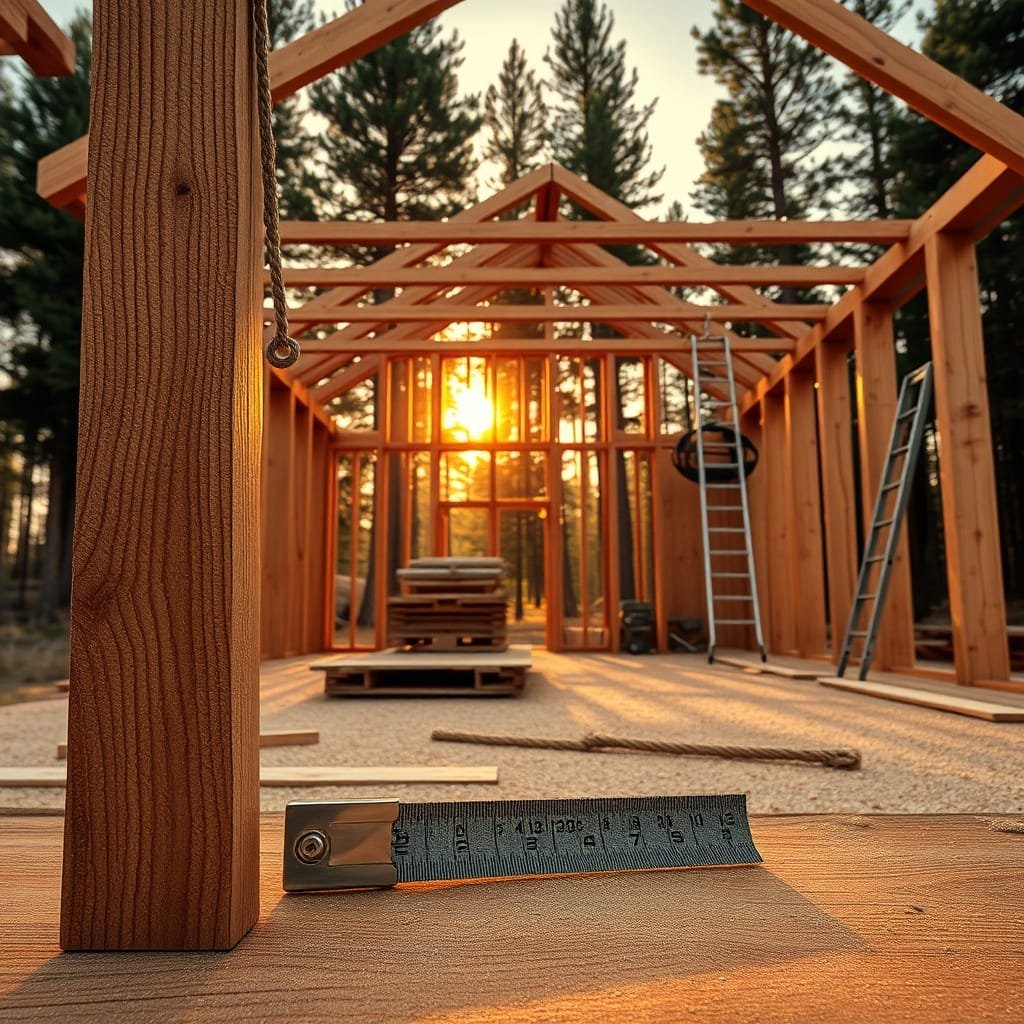
Wood frame construction is a method that utilizes a framework of vertical and horizontal wooden members to form the structural skeleton of a building.
This technique has been a staple in the construction industry for centuries, offering numerous advantages such as flexibility, cost-effectiveness, and efficiency. The primary elements of a wood frame structure include studs, rafters, and joists, which work together to support the building’s weight and withstand external forces.
One of the most significant benefits of wood frame construction is its adaptability. Builders can easily modify designs to suit personal preferences or site conditions. Additionally, the use of lightweight materials reduces labor costs and speeds up the construction process. Another key advantage is insulation; wood frames can accommodate various insulation types, enhancing energy efficiency and reducing heating and cooling costs.
However, it’s essential to consider local building codes and regulations, as these can impact design choices and material selection. Understanding the fundamental principles of wood frame construction is crucial for anyone looking to build a cabin successfully.
Essential Tools and Materials for DIY Cabin Builders
Circular Saw – A versatile tool for making straight cuts in lumber and sheet materials.
Drill/Driver – Essential for creating pilot holes and driving screws quickly and efficiently.
Level – Ensures walls and structures are plumb and properly aligned.
Tape Measure – A must-have for accurate measurements when cutting materials and assembling frames.
Hammer – Necessary for driving nails and assembling wooden components.
Safety Gear – Including goggles, gloves, and ear protection to ensure a safe working environment.
Fasteners – Such as screws and nails, which are crucial for assembling the wood frame securely.
Step-by-Step Guide to Building a Wood Frame Cabin
Building a wood frame cabin involves several systematic steps that ensure a solid structure. Below is a simplified guide to the process:
Step
Description
1
Planning: Choose your design and obtain necessary permits based on local building codes.
2
Site Preparation: Clear the land and level the ground where the cabin will be built.
3
Foundation: Construct a strong foundation, using concrete footings or a pier system, to support the frame.
4
Framing: Assemble the walls using studs and secure them with nails or screws. Ensure everything is level and square.
5
Roofing: Install the rafters and sheathing, followed by the roofing material, which can be shingles or metal.
6
Insulation and Drywall: Add insulation between the studs and cover with drywall for interior walls.
7
Finishing Touches: Install windows, doors, and any final interior finishes like flooring and paint.
Following these steps will help ensure a successful build, allowing you to enjoy your cabin for years to come.
Common Mistakes to Avoid in Wood Frame Construction
Wood frame construction can be rewarding, but certain errors can lead to complications. Here are some common pitfalls to avoid:
Neglecting Building Codes: Always check and adhere to local regulations to avoid costly fines or needing to redo work.
Improper Measurements: Double-check measurements before cutting materials; a small error can lead to significant issues later.
Inadequate Foundation: Skimping on foundation work can result in structural instability. It’s vital to ensure a solid base.
Ignoring Weather Conditions: Building during extreme weather can compromise the quality of your work. Plan construction around suitable conditions.
Underestimating Insulation Needs: Failing to install adequate insulation can lead to discomfort and increased energy costs. Invest in quality insulation materials.
By being aware of these common mistakes, you can improve the likelihood of a successful and durable build.
Conclusion
In conclusion, mastering wood frame construction equips DIY builders with the skills to create a sturdy and personalized cabin. With careful planning and attention to detail, your dream cabin can become a reality.