
Building your dream cabin is an exciting project. Choosing the right base is a critical first step. This guide will walk you through the key considerations for your structure.
The size of your home directly influences which support system will work best. A small weekend getaway has different needs than a large, year-round residence. Getting this decision right ensures your building remains stable and durable for many years.
We will explore various options, from concrete slabs to screw pile systems. Each choice comes with unique advantages and challenges. Understanding these differences helps you align your selection with your budget, timeline, and land.
This article draws from real-world construction experiences. You will learn how factors like soil conditions and climate play a role. Our goal is to give you the confidence to choose a solid base for your project.
Introduction to Cabin Foundations and Their Importance
Before you raise the walls of your mountain escape, consider the critical role of underground support. This hidden framework transfers the entire weight of your building safely into the ground. It handles walls, floors, roof, and everything inside.
A well-designed base provides five key benefits. These ensure your structure remains secure over time. The system must offer strength, stability, and durability.
Two main threats can compromise your building’s integrity. Subsidence occurs when soil shifts away, causing uneven settling. Settlement happens when the ground compresses under the load.
| Foundation Quality | Primary Benefit | Long-term Impact |
|---|---|---|
| Strength | Bears heavy loads | Prevents structural failure |
| Stability | Resists movement | Maintains level position |
| Durability | Withstands elements | Reduces maintenance costs |
| Minimal Settlement | Prevents sinking | Protects property value |
| Cost-effectiveness | Fits budget needs | Maximizes investment return |
Choosing the right underground support system prevents costly repairs. It ensures your retreat stays comfortable and secure. Proper planning saves thousands in future expenses.
Factors Influencing Your Cabin Foundation Choice
Your choice of underground structure depends on a careful evaluation of various site-specific and practical factors. These elements work together to determine the most suitable option for your specific situation.
Understanding these key considerations helps you make an informed decision that balances performance with practical constraints.
Budget and Construction Timeline
Your available budget significantly impacts which options are feasible. Simple skid systems might cost a few hundred dollars, while full basements can reach tens of thousands.
The construction timeline also matters. Some methods pour and cure quickly. Others require extensive excavation that adds weeks to your project schedule.
Site, Soil, and Water Drainage Considerations
The specific location and lot characteristics play a crucial role. Soil conditions vary dramatically—from stable rock to shifting clay—affecting load capacity and depth requirements.
Water drainage is absolutely critical for long-term stability. Assess how water flows across your property during heavy rains. Proper drainage prevents undermining even the strongest base.
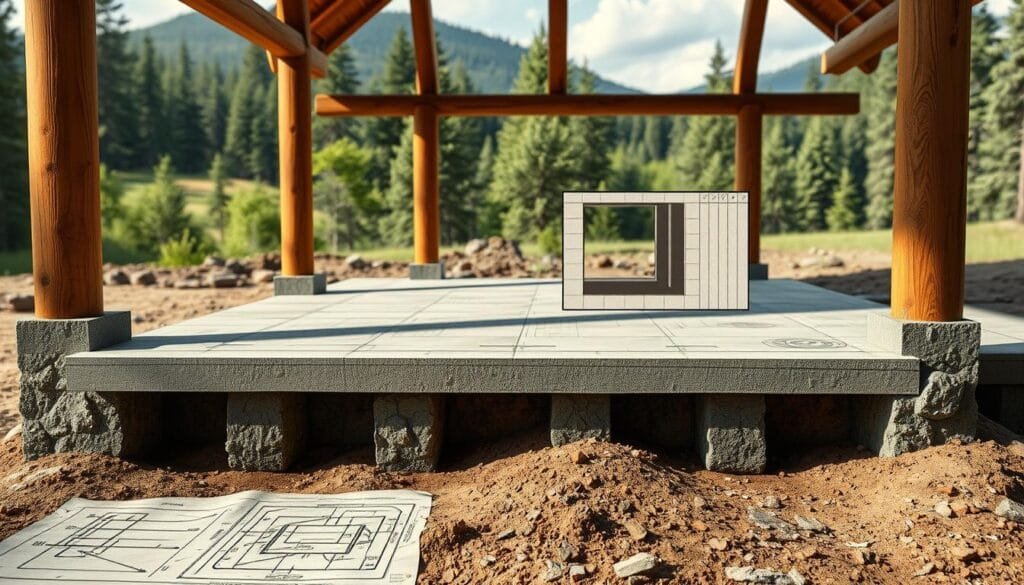
| Key Factor | Primary Impact | Budget Consideration | Timeline Effect |
|---|---|---|---|
| Soil Type | Determines depth and method | Rocky soil may increase costs | Complex soils extend preparation |
| Lot Topography | Influences system adaptability | Sloped sites need specialized solutions | Uneven ground requires more time |
| Water Table Depth | Affects moisture protection | High water tables need extra measures | Drainage systems add to schedule |
| Building Size | Dictates load distribution needs | Larger structures cost more to support | Bigger footprints take longer to prepare |
Each of these factors interacts with the others. Your final choice should address the most critical considerations for your specific ground conditions and project goals.
Types of Foundations: Overview and Comparison
When comparing different base systems for your structure, it’s helpful to understand the core performance metrics. These factors determine how well a support system will perform over the long term.
Evaluating these elements side-by-side gives you a clear picture of strengths and weaknesses. This makes it easier to match a system to your specific project needs.
Load Distribution and Stability
How a base spreads weight is a primary difference. A concrete slab disperses pressure across its entire surface.
Pier systems focus support on specific points. Your soil type will influence which method offers better stability against shifting ground or frost.
Durability, Settlement, and Cost-effectiveness
Material longevity varies greatly. Concrete can last generations with little upkeep. Wooden supports need regular checks to prevent decay.
Settlement, or sinking, is a critical concern. A well-built base minimizes uneven sinking that can damage walls.
True cost-effectiveness balances the initial price with future maintenance. The cheapest option upfront isn’t always the most economical over decades.
| Foundation Type | Load Distribution | Stability Rating | Estimated Lifespan |
|---|---|---|---|
| Concrete Slab | Continuous, even | High | 50-100+ years |
| Pier & Beam | Concentrated points | Moderate to High | 30-75 years |
| Skid Foundation | Linear along beams | Moderate | 15-40 years |
This cabin foundation guide offers deeper insights into each category. Understanding these comparisons empowers you to select the right support for your retreat.
Exploring Concrete Slab Foundations for Cabins
Concrete slab foundations provide a monolithic solution that eliminates gaps and spaces beneath your building. This approach creates a solid, continuous platform supporting the entire structure evenly.
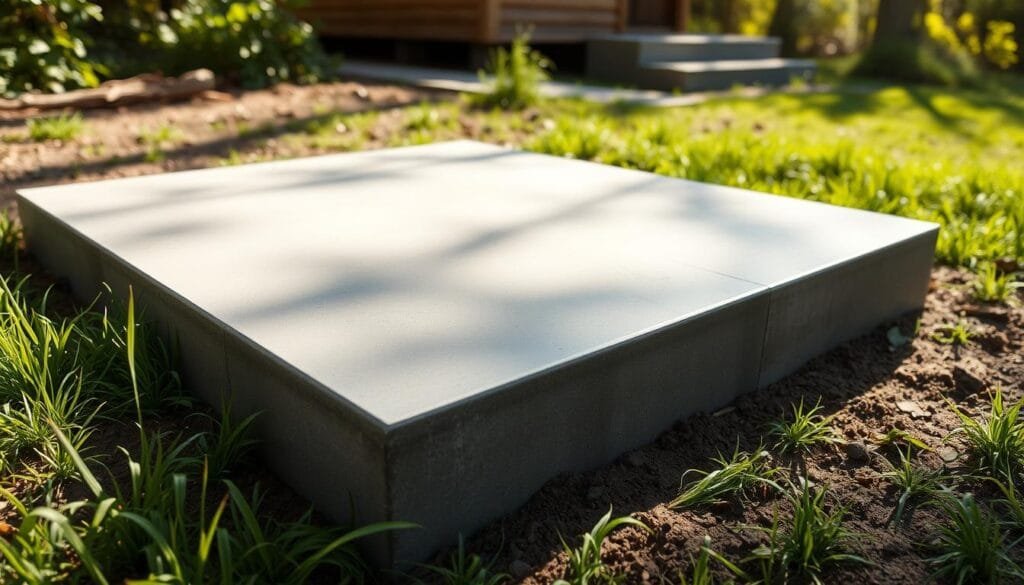
The system spreads weight across the entire floor area. It works particularly well for smaller to medium-sized structures on stable ground.
Pros and Cons of Concrete Foundations
This method offers several significant advantages. The construction process is relatively quick compared to other options.
You get a strong, stable base that resists shifting and sinking. The solid concrete creates an effective barrier against moisture, frost, and pests.
There are some limitations to consider. The slab provides no space for ductwork or storage underneath your building. Plumbing access becomes challenging once the concrete is poured.
Concrete will develop hairline cracks over time. This is normal but requires monitoring. The system needs a level, well-drained site for optimal performance.
Installation and Material Insights
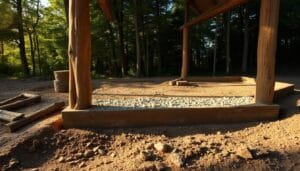
Construction begins with preparing the ground. Workers lay a hardcore base material like gravel or crushed stone. This layer provides drainage and prevents moisture wicking.
Wooden forms define the slab’s perimeter. Reinforcement mesh or rebar adds strength. Then workers pour concrete to a typical thickness of 4-6 inches.
The curing process is critical. Proper drying time ensures maximum durability. Material requirements include significant amounts of concrete and base preparation materials.
This approach works excellently on soft ground like clay. The raft-style design distributes weight across the maximum surface area for enhanced stability.
Pier Foundation Structures: Benefits and Drawbacks
Pier foundation structures offer a versatile approach to supporting your cabin. This system creates an elevated platform using three main components working together.
Structural Components and Flexibility
The system relies on concrete blocks or piers anchored to the ground. Vertical posts extend upward from these anchors to connect with horizontal wooden beams.
These beams directly support your cabin’s floor joists and overall weight. Proper spacing of the piers is critical for even weight distribution.
This design provides exceptional adaptability for challenging terrain. It works beautifully on uneven or sloped sites where extensive excavation would be costly.
The structure can be adjusted if settling occurs over time. This flexibility makes it ideal for remote locations with difficult access.
Access to Utilities and Cost Considerations
One significant advantage is the accessible crawl space created beneath your floor. This area allows easy installation and maintenance of wiring, plumbing, and HVAC systems.
The elevated design offers natural flood protection and bonus storage space. Reduced excavation needs translate to lower initial costs compared to other methods.
However, this system has some drawbacks to consider. The crawl space can attract pests and may experience dampness without proper ventilation.
Floors can be harder to warm in cold climates, and earthquake-prone areas require special engineering. Regular inspections help maintain stability and address any settling issues.
Crawl Space and Strip Foundations: Practical Options
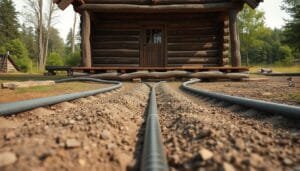
For those needing extra room for mechanical systems, crawl space foundations offer an ideal solution. This design creates valuable space beneath your cabin’s floor for routing utilities and storage.
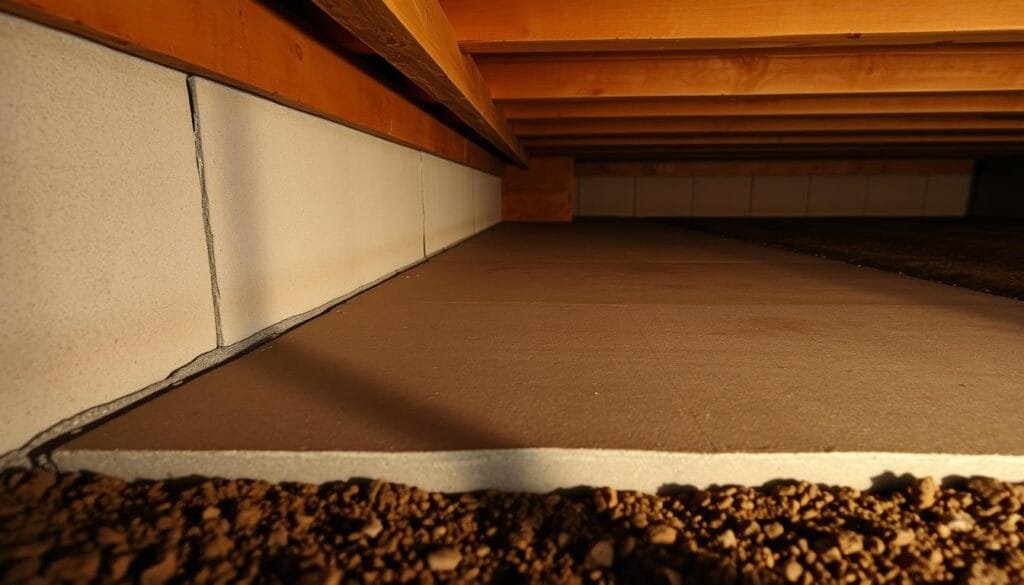
Strip foundations consist of continuous concrete strips poured beneath load-bearing walls. This linear support system is technically simple and proven effective. When combined with a crawl space, you get a versatile foundation solution.
Spacious Design for Wiring and HVAC Systems
The accessible area under your floor makes installation and maintenance much easier. Technicians can reach pipes, electrical wiring, and HVAC systems without damaging walls. This spacious design saves time and money on future upgrades.
These systems work well on sloped lots where one side may be taller. They adapt to terrain variations without extensive excavation. The continuous concrete strips handle heavy loads with minimal settling.
Waterproofing and Maintenance Tips
Proper waterproofing is absolutely essential for crawl space longevity. You must install vapor barriers and ensure good drainage. Sealing walls prevents moisture infiltration that causes wood rot.
Cold air can accumulate under floors during winter months. Adequate insulation between joists improves energy efficiency. Regular inspections help maintain the system’s stability.
The material requirements can be substantial since you’re building short walls around the perimeter. Concrete, concrete blocks, or treated wood increase both cost and construction time.
For more detailed guidance on concrete applications, see this slab foundation resource. Strip foundations perform best on sites with strong soil bases and good drainage.
Basement Wall Foundations: An Alternative for Extra Space
If your cabin project demands maximum usable area, basement wall foundations present a compelling solution. These systems serve dual purposes as both structural support and below-ground walls.
This approach creates an entire additional floor beneath your main living area. You essentially double your square footage with this single investment.
Extra Living and Storage Opportunities
The extra space opens numerous possibilities for your home. You can create bedrooms, workshops, or recreation rooms below the main level.
This separate area works perfectly for overnight guests. It maintains privacy while providing comfortable accommodations. The abundant storage helps organize seasonal items and equipment.
Sloped lots benefit particularly well from this design. Walk-out basements on downhill sides bring natural light inside. This feature minimizes excavation costs on the uphill portion.
Construction and Excavation Challenges
This method requires significant excavation work before construction begins. Workers pour concrete footers below the basement walls for stable support.
The walls themselves typically use poured concrete or concrete blocks. They extend from the footer up to ground level, creating a solid enclosure.
Waterproofing becomes absolutely critical for long-term performance. Proper drainage systems and vapor barriers prevent moisture issues.
| Feature | Advantage | Consideration |
|---|---|---|
| Additional Floor | Doubles living space | Highest initial cost |
| Structural Walls | Provides strong support | Extensive excavation needed |
| Sloped Lot Adaptation | Walk-out design possible | Complex engineering required |
| Utility Access | Easy maintenance access | Waterproofing essential |
Despite the higher costs, basement foundations deliver exceptional value for larger structures. They maximize your investment when you need substantial space.
Impact of Cabin Construction and Log Siding on Foundation Requirements
The construction method you choose for your cabin walls significantly influences the support system needed underneath. Log siding offers a smart alternative to traditional full-log building techniques.
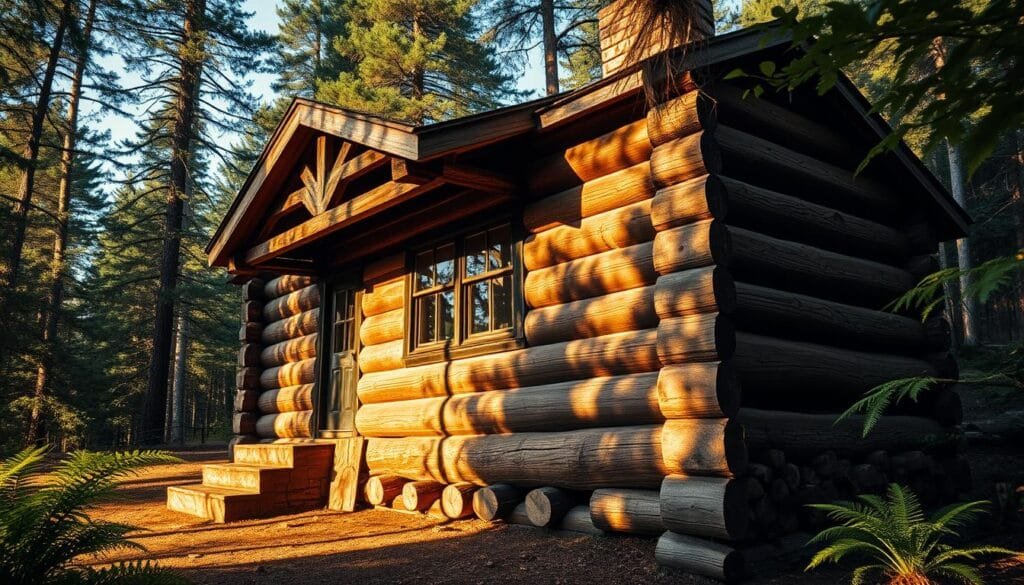
This approach uses conventional framing with decorative exterior panels. The result is substantial weight reduction compared to solid log construction.
Reduced Weight Implications
Log siding cabins put much less stress on their base systems. Standard 2×4 or 2×6 wall framing carries the weight instead of massive log courses.
This lighter weight cabin design opens up more economical options. You can consider simpler pier systems or shallower concrete footings.
The actual weight depends on your wood species selection and profile thickness. Pine typically weighs less than cedar while maintaining durability.
Design Adaptations for Log Siding Cabins
Your cabin foundation plans can adapt to the reduced load requirements. Engineers can specify wider pier spacing or thinner concrete slabs.
The floor system also benefits from lighter wall construction. Standard residential floor framing works perfectly without heavy-duty beams.
When planning your foundation cabin project, consider these log siding cabin foundations advantages. You achieve the authentic look while optimizing your structural investment.
This approach lets you allocate budget to other features. The reduced weight cabin system creates opportunities for enhanced interiors or premium locations.
Eco-Friendly and Off-Grid Foundation Options
Building an eco-friendly cabin starts with choosing a support system that respects the land. These options minimize environmental impact while providing solid support for smaller to medium-sized structures.
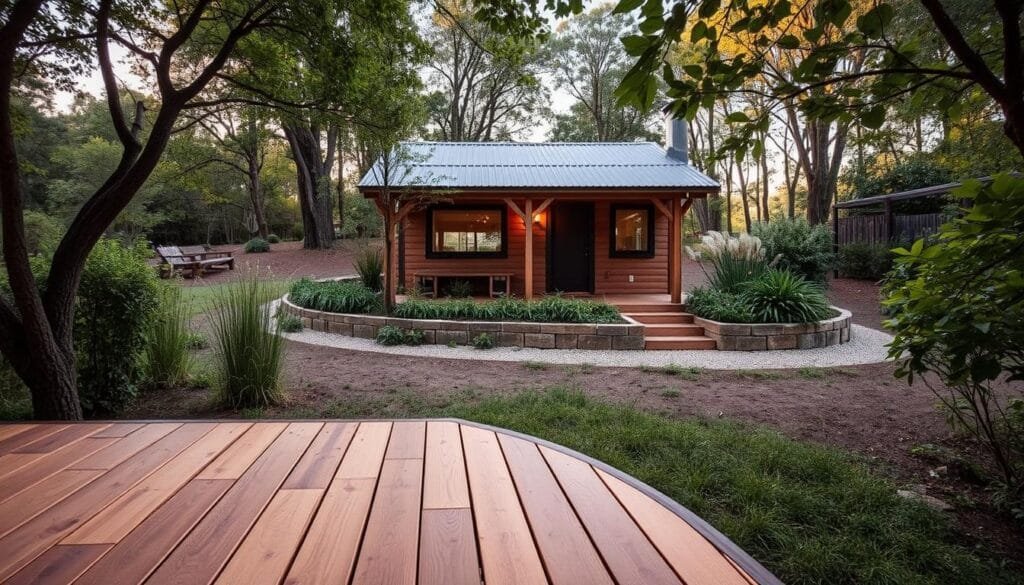
They are ideal for remote locations where preserving the natural landscape is a priority.
Skid and Screw Pile Foundation Methods
A skid system is the simplest approach. You lay wooden beams directly on level ground and place your cabin floor on top.
This method requires minimal materials and no digging. The entire structure remains portable, leaving no permanent mark on the location.
Screw pile systems offer a more advanced solution. Metal posts with helical blades screw into the ground to support a metal platform.
This method provides excellent stability and is fully reversible. It’s a great choice for challenging soil conditions.
| Method | Key Advantage | Ideal Ground |
|---|---|---|
| Skid Beams | Low cost & portable | Firm, level pad |
| Screw Piles | Strong & adjustable | Varied soils |
Sustainable Materials and Insulation Techniques
Choose recycled or natural materials to reduce your footprint. Reclaimed wood beams or locally-sourced gravel for a pad base are excellent choices.
Proper insulation is crucial for comfort and efficiency. Install foam boards or wool batts under your floor to create a thermal break from the cold ground.
Apply a plant-based waterproof sealant for protection. This guide on how to build the best foundation for an off-grid offers more detailed steps.
Always aim to minimize site disturbance. Select a system that requires the least alteration to your specific terrain.
Best Foundation Types for Cabin: Choosing the Right Option
Different cabin projects call for different underground support solutions based on specific needs. Your selection process should balance multiple factors including structure dimensions, property characteristics, budget limits, and future plans.
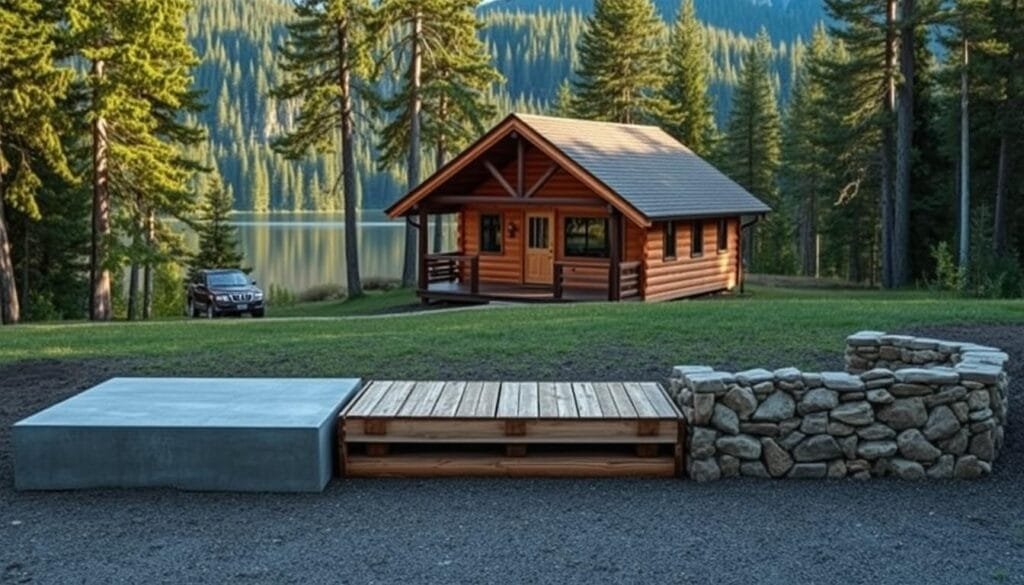
For compact weekend retreats under 400 square feet, skid or pier systems typically offer excellent value. They provide sufficient support while keeping expenses low, especially in hard-to-reach areas.
Medium-sized structures between 400-1000 square feet generally work well with pier and beam or concrete slab options. These deliver the stability required for year-round occupancy while remaining cost-effective.
Larger buildings over 1000 square feet or primary residences often benefit from concrete slab or basement wall systems. These provide maximum durability and the potential for extra living space.
Your construction timeline also influences the decision. Concrete slabs and pier methods install quicker than basement excavations that can extend project duration significantly.
Property challenges heavily impact the right selection. Sloped lots suit pier or basement designs, flood zones need elevated supports, and rocky terrain may require screw piles.
Climate considerations matter greatly. Cold regions need systems extending below frost depth, while stable warm areas allow more flexibility with shallow options.
The construction method affects requirements too. Heavy full-log designs demand more robust supports than lighter frame or log siding alternatives.
Your long-term vision guides the choice. If expansion or conversion to year-round use is possible, investing in a substantial system initially prevents expensive retrofitting later.
Final Insights on Selecting Your Cabin’s Ideal Foundation
Making the final decision on your cabin’s base is a significant step toward realizing your vision. This choice affects your structure’s durability and your long-term satisfaction with the project.
Our comprehensive guide has explored various systems suited to different needs. Each option offers distinct advantages for your specific situation.
Consider both initial and future costs when evaluating your selection. Maintenance requirements and energy efficiency impact your total investment over time.
Your building site presents unique challenges that influence the ideal solution. Local experts can provide valuable insight into soil conditions and code requirements.
Bookmark this blog as a reference throughout your building process. The right support system creates a stable base for years of enjoyment in your wilderness home.