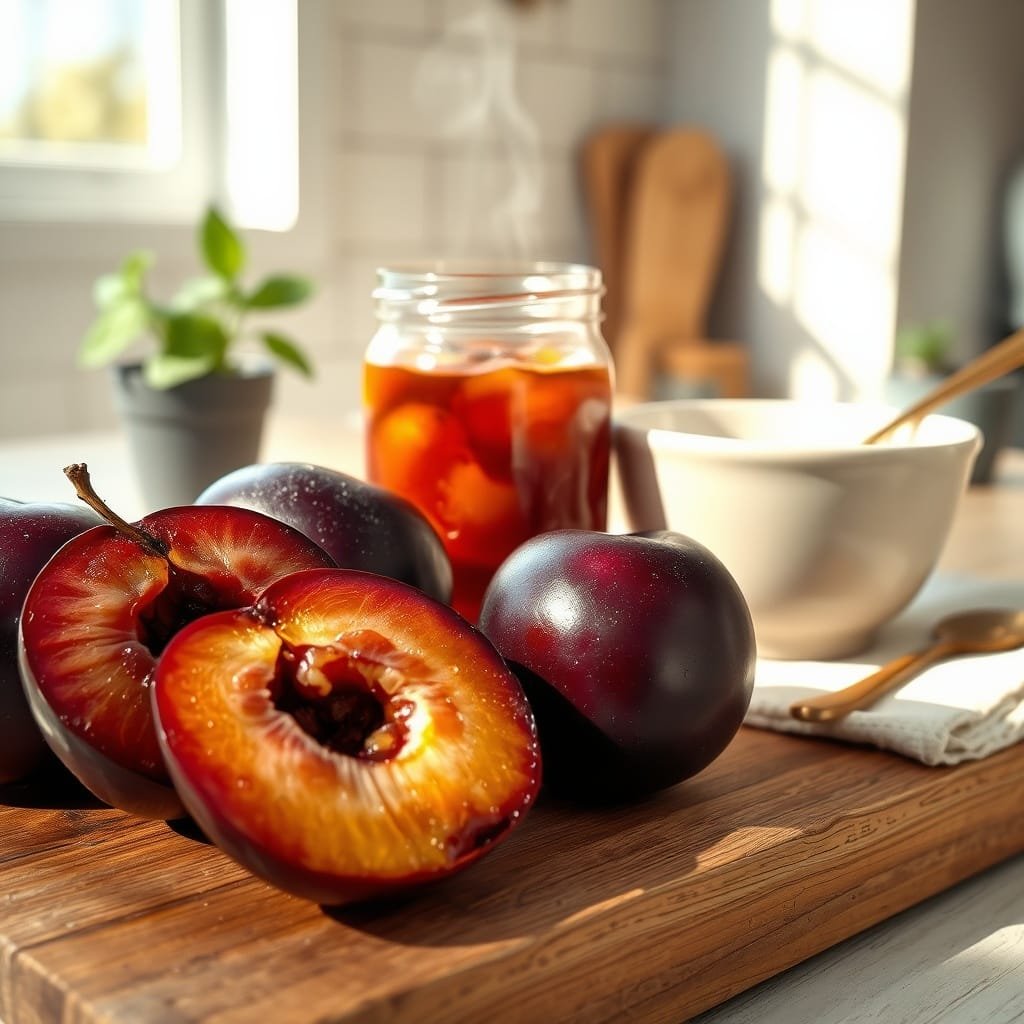
Plums are not just a deliciously sweet treat; they are also a powerhouse of nutrition with remarkable health benefits, particularly for gut health. As more people prioritize digestive wellness, understanding the role of specific foods like plums becomes increasingly vital. Packed with essential nutrients, fiber, and antioxidants, plums can significantly enhance your digestive system’s function and efficiency. In this article, we will delve into why plums should be your go-to fruit for promoting gut health, highlighting their nutritional profile and the numerous benefits they offer.
The appeal of plums extends beyond their taste; these fruits come in various varieties, ranging from sweet to tart, making them versatile for different culinary applications. Whether enjoyed fresh, dried, or as a component in recipes, plums contain a unique blend of compounds that can aid digestion, alleviate constipation, and foster a balanced gut microbiome. By exploring the nutritional composition of plums, along with their specific benefits for gut health, we aim to empower you with the knowledge to incorporate this fantastic fruit into your diet.
The Nutritional Profile of Plums
Plums are low in calories yet high in vital nutrients, making them an excellent choice for those seeking a healthy snack. Their nutritional profile can vary slightly depending on the variety, but generally, they are rich in vitamins, minerals, and antioxidants. Below, we will explore some of the key components that make plums a nutritionally valuable fruit.
Key Vitamins and Minerals
Plums are a rich source of several essential vitamins and minerals that contribute to overall health. Notably, they contain:
Nutrient
Amount per 100g
% Daily Value
Vitamin C
9.9 mg
11%
Vitamin K
6.4 mcg
8%
Potassium
157 mg
4%
Magnesium
11 mg
3%
Fiber
1.4 g
5%
These nutrients play crucial roles in various bodily functions, from enhancing the immune system to promoting healthy bone development. Vitamin C is particularly important for its antioxidant properties, while potassium helps maintain proper muscle and nerve function. Meanwhile, the presence of vitamin K supports healthy blood clotting and bone health.
Caloric Content and Fiber
One of the most appealing aspects of plums is their low caloric content, which makes them an excellent snack choice for those looking to manage their weight. A typical serving of plums (about 100 grams) contains approximately 46 calories, making it easy to include them in a balanced diet without excessive calorie intake.
Moreover, plums are a good source of dietary fiber, which is essential for digestive health. The fiber content in plums aids in regulating bowel movements and preventing constipation, contributing to a healthier gut microbiome. Consuming fiber-rich foods like plums can help you feel fuller for longer, assisting in weight management and overall well-being.
Plum Benefits for Gut Health
The benefits of plums extend far beyond their delightful taste. Incorporating plums into your diet can have a substantial impact on gut health due to their unique composition of fiber and other beneficial compounds.
Role of Dietary Fiber
Dietary fiber, particularly soluble fiber, found in plums plays a pivotal role in maintaining gut health. Soluble fiber helps to form a gel-like substance in the digestive tract, which can slow down digestion and promote a feeling of fullness. This not only aids in weight management but also helps regulate blood sugar levels.
Additionally, fiber promotes the growth of beneficial gut bacteria, which are essential for a balanced microbiome. A healthy gut microbiome has been shown to enhance nutrient absorption, boost immunity, and reduce inflammation throughout the body. By including plums in your diet, you can increase your fiber intake and support your digestive health simultaneously.
“Incorporating fiber-rich fruits like plums into your diet can significantly improve gut health by promoting the growth of beneficial bacteria and aiding digestion.”
Impact on Digestive Enzymes
Plums also affect the activity of digestive enzymes, which are crucial for breaking down food into absorbable nutrients. The presence of certain compounds in plums may stimulate the production of these enzymes, enhancing the digestive process. This can lead to improved nutrient absorption and overall digestive efficiency.
Furthermore, the antioxidants in plums, such as phenolic compounds, can help reduce oxidative stress in the digestive tract. This protective effect not only aids in digestion but also may help prevent gastrointestinal disorders, making plums a valuable addition to a gut-friendly diet.
By understanding the nutritional profile and health benefits of plums, you can make informed choices to enhance your gut health and overall well-being.
How Plums Promote Healthy Digestion
Plums are not only delicious but are also instrumental in promoting healthy digestion through their unique properties. By understanding how plums can enhance gut health, you can make better dietary choices that support your digestive system.
Prebiotic Properties of Plums
One of the standout features of plums is their prebiotic properties, which are essential for nurturing the beneficial bacteria in our gut. Prebiotics are non-digestible fibers that serve as food for probiotics, the good bacteria that help maintain gut health. The soluble fiber in plums helps create an environment that fosters the growth of these beneficial microorganisms.
Research indicates that consuming prebiotic-rich foods can lead to improved gut health by increasing the diversity of the gut microbiome. A diverse microbiome is essential for overall health, contributing to better digestion, enhanced immune function, and reduced inflammation. Including plums in your diet can help provide the necessary nutrients to support a thriving gut microbiome.
Incorporating plums into your daily meals can help ensure a steady intake of prebiotics, thus supporting your digestive health and overall well-being.
Reducing Inflammation in the Gut
Another significant benefit of plums is their ability to reduce inflammation in the gut. Inflammation can lead to various digestive issues, including irritable bowel syndrome (IBS) and inflammatory bowel disease (IBD). The antioxidants found in plums, particularly polyphenols, have been shown to possess anti-inflammatory properties.
These antioxidants work by neutralizing harmful free radicals in the body, which can contribute to inflammation. By reducing oxidative stress, plums help protect the digestive tract and promote better gut health. This protective effect can be beneficial not only for digestion but also for overall health, as chronic inflammation is linked to numerous health problems.
“The anti-inflammatory properties of plums make them a powerful ally in supporting digestive health and reducing inflammation throughout the body.”
Unique Benefits of Plums Compared to Other Fruits
While many fruits offer health benefits, plums stand out for their unique combination of nutrients and health-promoting properties. Understanding how plums compare to other fruits in terms of fiber content and antioxidant levels can help you appreciate their role in a gut-friendly diet.
Comparing Fiber Content with Other Fruits
When it comes to fiber content, plums are quite competitive with other fruits. Here’s how they compare:
Apples (with skin): Approximately 2.4 grams of fiber per 100 grams.
Bananas: Approximately 2.6 grams of fiber per 100 grams.
Pears: Approximately 3.1 grams of fiber per 100 grams.
Plums: Approximately 1.4 grams of fiber per 100 grams.
While plums may not have the highest fiber content compared to pears and bananas, they are still a valuable source of soluble fiber, which provides specific digestive benefits. Moreover, the combination of fiber and other nutrients in plums makes them an excellent option for overall health.
Antioxidant Levels in Plums
Plums are particularly rich in antioxidants, making them a superior choice compared to many other fruits. The antioxidant capacity of plums is attributed to their high levels of vitamin C, beta-carotene, and polyphenols. These compounds play a vital role in protecting the body from oxidative stress and reducing the risk of chronic diseases.
In fact, studies have shown that plums contain higher levels of certain antioxidants compared to fruits like apples and oranges. This makes plums an excellent addition to a diet aimed at enhancing antioxidant intake, which is crucial for maintaining gut health and overall well-being.
“The superior antioxidant levels in plums provide a unique advantage, supporting not just gut health but overall bodily functions.”
Practical Ways to Incorporate Plums into Your Diet
Incorporating plums into your diet can be both enjoyable and beneficial for your gut health. Here are some practical ideas for adding this delicious fruit to your meals and snacks.
Creative Recipes Featuring Plums
Plum Smoothie: Blend fresh plums with yogurt, spinach, and a banana for a nutrient-packed breakfast or snack.
Plum Salsa: Dice plums and mix with red onion, cilantro, lime juice, and jalapeño for a refreshing topping on grilled chicken or fish.
Plum Crumble: Bake sliced plums with oats, almond flour, and a drizzle of honey for a healthy dessert option.
Plum Chutney: Cook plums with spices, vinegar, and sugar to create a tangy chutney that pairs well with meats or cheeses.
Snack Ideas for Gut Health
Fresh Plums: Enjoy them raw for a quick, nutritious snack that also satisfies your sweet tooth.
Dried Plums (Prunes): Incorporate dried plums into your diet to help regulate digestion and prevent constipation.
Plum and Nut Butter Sandwich: Spread almond or peanut butter on whole-grain bread and add sliced plums for a filling snack.
Plum Yogurt Parfait: Layer yogurt, granola, and sliced plums for a delicious and gut-friendly breakfast or snack.
By integrating plums into your meals and snacks, you can take advantage of their nutritional benefits while enjoying their delightful flavor. With these practical ideas, it becomes easier to make plums a staple in your diet, enhancing not just your taste experience but also your gut health.
The Versatility of Plums in Diverse Cuisines
Plums are celebrated not only for their health benefits but also for their versatility in various cuisines worldwide. This adaptability makes them an excellent ingredient in both sweet and savory dishes, allowing you to enjoy their unique flavor and health benefits in multiple ways.
Global Plum Dishes
Japanese Plum Wine (Umeshu): In Japan, plums are often used to make umeshu, a sweet and tangy plum wine. This traditional beverage combines ume plums with shochu or sake and sugar, resulting in a refreshing drink that can be enjoyed on its own or as a cocktail mixer. Umeshu is not only delicious but also contains many of the health benefits associated with plums, such as antioxidants and anti-inflammatory properties.
Eastern European Plum Dumplings: In Central and Eastern European countries, plums are often featured in sweet dumplings. These dishes typically involve dough filled with fresh or cooked plums, often served with a sprinkle of sugar and sometimes a dollop of sour cream. This combination of flavors creates a delightful dessert that showcases the natural sweetness and juiciness of plums.
Middle Eastern Plum Tagine: In Moroccan cuisine, plums can be included in savory tagine dishes, where they add a sweet contrast to spiced meats like lamb or chicken. The plums are typically cooked down to create a rich sauce, enhancing the dish’s flavor profile and providing additional nutrients.
Indian Chutneys and Pickles: Plums are also used in Indian cuisine to create tangy chutneys and pickles. Combining plums with spices, vinegar, and sometimes sugar results in a condiment that pairs beautifully with curries, rice, and bread. These chutneys not only enhance the flavor of meals but also contribute to digestive health, as the spices can aid in digestion.
Nutritional Considerations When Consuming Plums
While plums are beneficial for gut health, it’s essential to consider portion sizes and preparation methods to maximize their advantages. Here are some nutritional tips to keep in mind when enjoying plums:
Fresh vs. Dried: Both fresh and dried plums (prunes) offer health benefits, but they differ in caloric density. Dried plums are more concentrated in nutrients and sugars, so it’s essential to consume them in moderation. A serving size of dried plums is typically around four to six pieces, while fresh plums can be eaten more freely as a low-calorie snack.
Organic Choices: Whenever possible, opt for organic plums. Conventionally grown fruits may contain pesticide residues, which can negatively impact gut health and overall well-being. Organic plums are grown without synthetic fertilizers and pesticides, making them a safer choice for your digestive system.
Seasonality: Plums are typically in season from late spring through early fall. Consuming seasonal fruits ensures that you are getting the freshest produce, which tends to have higher nutrient levels and better flavor. When in season, plums can be found in various varieties, each with its unique taste and texture.
Storing and Preparing Plums
To fully enjoy the health benefits of plums, proper storage and preparation are crucial. Here are some tips to keep your plums fresh and flavorful:
Storage: Store plums at room temperature until they are ripe. Once ripe, they can be refrigerated to extend their shelf life. Be sure to keep them in a breathable container to avoid moisture buildup, which can lead to spoilage.
Preparation: Wash plums thoroughly under running water before consuming them. If you prefer to peel them, use a vegetable peeler to remove the skin, but remember that a significant amount of fiber and nutrients is found in the skin. Consider leaving the skin on when adding plums to recipes.
Ripe Indicators: To determine if a plum is ripe, gently press the skin. If it yields slightly, it is ready to eat. Ripe plums should also have a sweet aroma. Avoid plums that are overly soft or have blemishes, as these may indicate spoilage.
Conclusion
Incorporating plums into your diet is not just a delicious choice; it is also a strategic decision for enhancing gut health. With their impressive nutritional profile, prebiotic properties, and anti-inflammatory effects, plums can significantly contribute to a balanced diet. Their versatility in various cuisines and recipes makes them an exciting ingredient to experiment with in the kitchen. By being mindful of preparation, storage, and seasonal availability, you can maximize the health benefits that plums offer. So the next time you’re looking for a tasty yet nutritious snack, reach for plums and enjoy their sweet, tangy goodness while supporting your gut health in the process. Embrace this delightful fruit as a staple in your diet and savor not only its flavor but also the myriad of health benefits it provides.
Conclusion
Incorporating plums into your diet can provide significant benefits for gut health, thanks to their rich nutritional profile and unique properties. With their high fiber content, prebiotic effects, and anti-inflammatory characteristics, plums support a balanced gut microbiome and promote healthy digestion. By enjoying plums in various forms, whether fresh, dried, or in recipes, you can easily enhance your overall wellness. Embrace plums as a staple fruit in your diet to reap the numerous advantages they offer, ensuring that your gut remains happy and healthy. Make plums your go-to fruit for not just their delightful taste, but also their impressive health benefits!