The charm of timber frame homes resonates deeply within those who appreciate the beauty of nature and the artistry of construction. These homes, characterized by their exposed wooden beams and open spaces, evoke a sense of warmth and nostalgia. As more people seek to escape the hustle and bustle of urban life, the allure of creating a serene retreat in the form of a timber frame cabin becomes increasingly appealing. Whether it’s a cozy getaway in the mountains or a family residence surrounded by lush forests, timber frame construction offers both aesthetic appeal and practical benefits.
Timber frame homes are not just structures; they represent a lifestyle choice that emphasizes sustainability, craftsmanship, and a connection to the environment. The natural materials used in their construction provide unique qualities that enhance both comfort and durability. This article will delve into the history, benefits, and key features of timber frame homes, showcasing why they continue to capture the hearts of homeowners and builders alike.
As we explore this captivating building style, you will discover the rich heritage of timber frame construction, the advantages of choosing this method for your dream cabin, and the distinctive features that set these homes apart. Join us on this journey into the world of timber frame homes, where tradition meets innovation, and dreams become reality.
The Allure of Timber Frame Homes
Historical Context of Timber Frame Construction
Timber frame construction has a storied history that dates back thousands of years. This method of building was predominant in Europe, particularly in regions rich in forests, where timber was readily available. Early examples can be found in medieval England and Germany, where skilled craftsmen utilized local wood to create sturdy structures that have withstood the test of time. The post-and-beam technique, which involves vertical posts and horizontal beams, not only provided structural integrity but also allowed for expansive open spaces within homes.
Throughout the centuries, timber frame construction evolved, adapting to various architectural styles and regional influences. In the United States, the tradition took root in the colonial era, where timber frames were used to build homes that reflected both European styles and the practical needs of frontier life. Today, this age-old technique has seen a resurgence, as modern builders and architects embrace its aesthetic and ecological benefits, creating stylish homes that honor the past while incorporating contemporary designs.
Benefits of Choosing Timber Frame Homes
Opting for a timber frame home comes with numerous advantages that appeal to a wide range of homeowners. One of the primary benefits is energy efficiency. The natural insulating properties of wood help regulate indoor temperatures, reducing the need for excessive heating or cooling. This energy efficiency not only lowers utility bills but also contributes to a smaller carbon footprint.
Another significant advantage is the design flexibility that timber frames offer. The structural framework allows for large, open spaces and high ceilings, creating an airy atmosphere that is both inviting and functional. Homeowners can customize layouts to suit their needs, whether it’s a spacious living area for entertaining or a cozy nook for relaxation.
Moreover, timber frame homes are known for their durability. When properly maintained, these homes can last for generations. The use of high-quality wood, combined with modern engineering techniques, ensures that timber frame structures can withstand various environmental challenges, from heavy snow loads to high winds.
Finally, the aesthetic appeal of timber frame homes cannot be overstated. The natural beauty of exposed wood beams and the ability to blend rustic and modern design elements create a unique visual character that attracts many buyers. This timeless elegance, combined with the practical benefits, makes timber frame homes an enticing choice for those looking to build their dream cabin.
Key Features of Timber Frame Homes
Structural Integrity and Durability
The structural integrity of timber frame homes is one of their standout features. The use of heavy timber beams and posts provides a robust framework that can support significant loads. Unlike traditional stud-frame construction, which relies on smaller, lighter framing members, timber frames utilize larger pieces of wood that are not only stronger but also more resistant to bending and warping. This results in a stable structure that can endure the test of time.
Additionally, timber frame homes are often constructed using mortise and tenon joints, a traditional method that enhances strength and longevity. These joints create a tight fit between beams and posts, reducing the likelihood of movement and wear over time. As a result, homeowners can enjoy peace of mind knowing their investment is built on a solid foundation.
Aesthetic Appeal: Rustic vs. Modern Designs
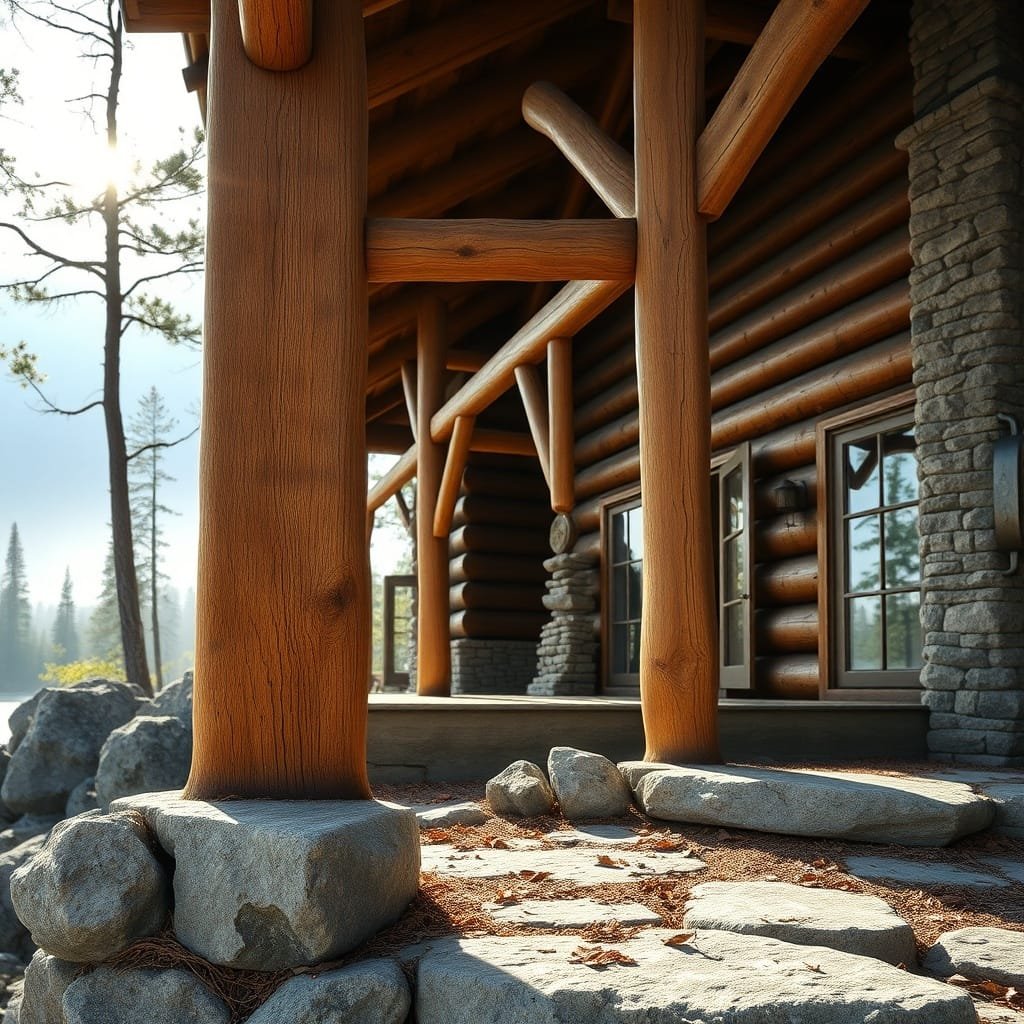
Timber frame homes offer a remarkable versatility in design, appealing to both rustic and modern tastes. The exposed wooden beams and spacious interiors create a warm, inviting atmosphere that is synonymous with cabin living. For those who prefer a more traditional look, rustic designs often incorporate stone accents, large fireplaces, and cozy nooks that evoke a sense of nostalgia.
Conversely, modern timber frame homes can showcase sleek lines, large windows, and minimalist aesthetics, allowing for a seamless integration with their natural surroundings. The combination of wood with other materials, such as glass and metal, can produce stunning visual contrasts that are both striking and elegant.
The ability to personalize these designs means homeowners can create a space that reflects their unique style and preferences. Whether opting for a cabin that blends into the landscape or a contemporary abode that stands out, the possibilities are endless with timber frame construction.
“Timber frame homes allow for a design that not only speaks to personal style but also harmonizes with the environment, creating a living space that feels both modern and timeless.”
Timber Frame vs. Other Building Methods
Cost Comparison
When considering the construction of a timber frame home, understanding the cost implications is essential. Generally, timber frame homes can be more expensive to build compared to traditional stick-frame houses. The primary factors contributing to this cost difference include the materials used and the labor involved in the construction process. Quality timber, especially if sourced sustainably, can be pricier than conventional building materials.
However, it’s crucial to evaluate these costs in the context of long-term benefits. Timber frame homes, due to their durability and energy efficiency, often result in lower maintenance and utility costs over time. A typical cost breakdown for timber frame construction might include:
Item
Estimated Cost Range
Materials (wood, hardware)
$50 – $100 per sq. ft.
Labor (skilled craftsmen)
$30 – $70 per sq. ft.
Foundation and site work
$20 – $40 per sq. ft.
Finishing and interior work
$40 – $80 per sq. ft.
While the initial investment may be higher, many homeowners find that the longevity and unique aesthetic of timber frame homes provide significant value for their money.
Environmental Impact and Sustainability
Timber frame homes are often lauded for their minimal environmental impact when compared to other building methods. The use of renewable materials like wood, particularly when sourced from sustainable forests, makes timber frame construction a more eco-friendly option. Trees absorb carbon dioxide as they grow, and using timber in construction helps sequester this carbon, potentially offsetting emissions.
Additionally, timber frame homes can be designed to maximize energy efficiency. With proper insulation and design techniques, such as passive solar heating, homeowners can significantly reduce their energy consumption. This aligns well with the growing trend towards sustainability, as more people seek to minimize their ecological footprint.
The overall lifecycle of timber frame homes also supports sustainability. They tend to require less energy for heating and cooling compared to conventional homes, thanks to the thermal mass properties of wood. This not only benefits the environment but also contributes to a healthier living space for inhabitants.
Designing Your Dream Cabin
Essential Considerations for Layout and Space
Designing your dream cabin involves thoughtful consideration of various factors to ensure that the space meets your needs and reflects your lifestyle. One of the first considerations should be the layout of the cabin, which can greatly influence day-to-day living. Open floor plans are popular in timber frame homes, allowing for a seamless flow between the kitchen, dining, and living areas, making it ideal for entertaining.
When planning the layout, consider how the space will be utilized. Think about the number of bedrooms and bathrooms required, as well as the size of common areas. Additionally, incorporating outdoor spaces such as decks or patios can extend your living area and enhance your connection with nature.
Another essential element is the orientation of the cabin. Positioning the home to take advantage of natural light can enhance energy efficiency and create a warm atmosphere. Large windows and skylights are common features that not only provide stunning views but also help regulate indoor temperatures.
Choosing the Right Materials
Selecting the right materials is crucial in the construction of your timber frame cabin. While wood is the primary material, it’s important to consider the type of timber you choose. Hardwoods like oak or maple offer exceptional durability, while softer woods like pine can be more cost-effective and easier to work with.
In addition to the main structural materials, consider other elements that will contribute to the overall aesthetic and functionality of your cabin. For instance, using sustainable insulation materials, such as cellulose or sheep’s wool, can enhance energy efficiency while aligning with eco-friendly principles.
Finishes also play a significant role in the overall design. The choice of flooring, cabinetry, and fixtures can complement the natural beauty of the timber frame. Stone, tile, and metal accents can provide contrast and texture, enhancing the cabin’s visual appeal.
Ultimately, the materials chosen should not only serve practical purposes but also reflect your personal style and the character you wish to create in your dream cabin.
Building Process Overview
Step-by-Step Guide to Construction
Building a timber frame home involves several key steps that ensure a successful project from start to finish. Here’s a simplified guide to the construction process:
Planning and Design: Collaborate with architects and designers to create blueprints that reflect your vision.
Permitting and Site Preparation: Obtain necessary permits and prepare the site for construction, including clearing and grading.
Foundation Work: Construct a solid foundation that will support the timber frame structure.
Framing: Erect the timber frame, installing beams and posts using traditional joinery techniques.
Roofing and Exterior: Add roofing materials and finish the exterior, ensuring proper weatherproofing.
Interior Finishing: Install insulation, drywall, flooring, and fixtures, tailoring the interior to your preferences.
Final Inspections: Conduct final inspections to ensure compliance with building codes and standards.
Importance of Hiring Skilled Craftsmen
Hiring skilled craftsmen is critical in the timber frame construction process. The expertise of experienced builders ensures precision in the assembly and joinery of the timber frame, which is vital for the home’s structural integrity. Skilled craftsmen understand the nuances of working with wood, including how to select, cut, and join the timber effectively.
Additionally, experienced builders can offer valuable insights into design choices and materials, helping to avoid costly mistakes. They are familiar with the best practices for insulation, finishes, and energy efficiency. Their attention to detail ensures that your dream cabin is not only beautiful but also durable and functional.
Investing in skilled labor might increase upfront costs, but the long-term benefits of quality craftsmanship can result in a more resilient and aesthetically pleasing home. A well-built timber frame cabin is an investment in both your lifestyle and the environment.
Maintenance and Longevity of Timber Frame Homes
Regular Upkeep Tips
Maintaining a timber frame home is essential for preserving its beauty and integrity over the years. Regular upkeep not only enhances the home’s aesthetic appeal but also extends its lifespan. Here are some essential maintenance tips:
Inspect the exterior: Regularly check for signs of wear, such as cracks in the wood, loose beams, or damage from insects. Prompt repairs can prevent minor issues from escalating into major problems.
Clean and seal wood surfaces: Apply a protective sealant to exterior wood surfaces every few years to protect against moisture and UV damage. This helps in preventing rot and fading.
Monitor insulation: Ensure that insulation materials are intact and functioning efficiently. Proper insulation helps in maintaining energy efficiency and indoor comfort.
Gutter maintenance: Clean gutters and downspouts frequently to prevent water from pooling around the foundation. This is crucial for avoiding moisture-related issues, such as mold and rot.
Regular roof inspections: Check the roof for any missing or damaged shingles, as well as signs of leaks. Addressing roofing issues early can prevent water damage to the timber structure.
Pest control: Implement a pest management plan to deter wood-boring insects, like termites, from compromising the integrity of your timber frame.
Seasonal checks: Conduct seasonal checks to address any weather-related damage, especially after heavy storms or extreme temperatures.
By following these maintenance tips, homeowners can ensure that their timber frame homes remain beautiful, functional, and structurally sound for generations to come.
Addressing Common Issues
Even with diligent maintenance, certain issues may arise in timber frame homes. Being proactive and knowledgeable about how to address these common concerns can save homeowners time and money:
Moisture damage: If you notice signs of moisture damage, such as mold or mildew, it’s crucial to identify the source of the moisture. This could involve improving drainage around the home, sealing cracks, or enhancing ventilation.
Wood deterioration: Over time, wood can deteriorate due to age or exposure to the elements. Replacing affected beams and treating remaining timber with protective solutions can mitigate future deterioration.
Structural movement: Timber frames may experience slight movement over time. Monitor for any significant shifts or cracking, and consult a professional if you suspect structural issues.
Drafts and air leaks: If drafts are detected, inspect windows and doors for proper sealing. Weather stripping and caulking can help eliminate air leaks and improve energy efficiency.
By understanding and actively addressing these issues, homeowners can enjoy the long-lasting beauty and comfort of their timber frame homes.
Real-Life Inspirations
Case Studies of Stunning Timber Frame Cabins
Timber frame homes can be found in a variety of stunning designs and locations, showcasing the versatility and charm of this building method. Here are a few notable examples:
“One of the most breathtaking timber frame cabins is located in the heart of the Rocky Mountains. This stunning structure features expansive glass walls that blend seamlessly with the surrounding landscape, allowing natural light to flood the interior. Its open-concept design, complemented by rustic wood accents, creates a warm and inviting atmosphere.”
Another remarkable example is a coastal timber frame home that combines modern design with traditional materials. This cabin utilizes large overhangs and a sloped roof to withstand harsh weather while providing panoramic ocean views. The open layout incorporates natural wood finishes and large sliding doors that enhance the connection to the outdoors.
These case studies illustrate how timber frame construction can adapt to various environments while providing unique aesthetic qualities that resonate with homeowners.
Testimonials from Homeowners
Homeowners who have chosen timber frame construction often express their satisfaction with both the process and the final product. Here are a few testimonials that highlight their experiences:
“Building our timber frame cabin was a dream come true. The craftsmanship is evident in every corner, and we love how it feels both modern and timeless.”
“We appreciate how energy-efficient our timber frame home is. It’s incredibly comfortable year-round, and we love the natural beauty of the wood.”
These testimonials reflect the emotional and practical benefits of choosing timber frame construction, reinforcing its appeal as a preferred building method for many.
Future Trends in Timber Frame Construction
Innovations in Design and Technology
The future of timber frame construction is bright, with various innovations paving the way for more efficient and environmentally friendly building practices. Advances in design software allow architects to create intricate and optimized timber frame designs, ensuring that every beam and joint is utilized effectively. These innovations not only enhance the aesthetic appeal of homes but also improve structural integrity.
Additionally, the integration of modern technologies, such as prefabrication, is changing the landscape of timber frame construction. With components manufactured off-site and assembled on location, builders can reduce construction time and minimize waste. This approach leads to more sustainable building practices while ensuring high-quality craftsmanship.
Moreover, the use of cross-laminated timber (CLT) is gaining popularity. CLT offers a strong and versatile alternative to traditional timber framing, enabling larger spans and more design flexibility. This material can contribute to faster construction times and improved energy efficiency.
The Growing Popularity of Eco-Friendly Practices
As sustainability becomes increasingly important to homeowners and builders alike, the timber frame construction industry is adapting to meet these demands. Eco-friendly practices are at the forefront of current trends, with many builders focusing on sourcing wood from certified sustainable forests. This commitment to sustainability not only addresses environmental concerns but also enhances the appeal of timber frame homes to environmentally conscious buyers.
Furthermore, the incorporation of renewable energy systems, such as solar panels and energy-efficient heating solutions, is becoming commonplace in new timber frame projects. Homeowners are increasingly looking for ways to reduce their ecological footprint, and builders are responding by integrating these technologies seamlessly into the design.
“The shift towards eco-friendly building practices in timber frame construction reflects a broader societal move towards sustainability. It’s encouraging to see how the industry is evolving to meet these values, creating homes that are not only beautiful but also responsible.”
As the trends in timber frame construction continue to evolve, homeowners can expect to see a fusion of tradition and innovation, resulting in homes that are both stunning and sustainable.
Conclusion
The timeless appeal of timber frame homes lies in their unique blend of aesthetics, durability, and sustainability. As we’ve explored, the historical roots of timber frame construction showcase its longevity and adaptability, while modern innovations continue to enhance its appeal. Choosing a timber frame home offers numerous benefits, including energy efficiency and design flexibility, making it an attractive option for those looking to create a dream cabin.
Incorporating thoughtful design and selecting the right materials are essential steps in building a timber frame home that reflects your personal style. Whether you prefer a rustic retreat or a contemporary masterpiece, the versatility of timber frame construction allows for endless possibilities.
Moreover, the commitment to sustainability in timber framing aligns with a growing awareness of environmental impact, making these homes not just beautiful, but also responsible choices for the future. By investing in a timber frame home, you are not only creating a stunning living space but also contributing to a legacy of craftsmanship and ecological mindfulness. With the right planning and maintenance, your timber frame cabin can stand the test of time, providing joy and comfort for generations to come.